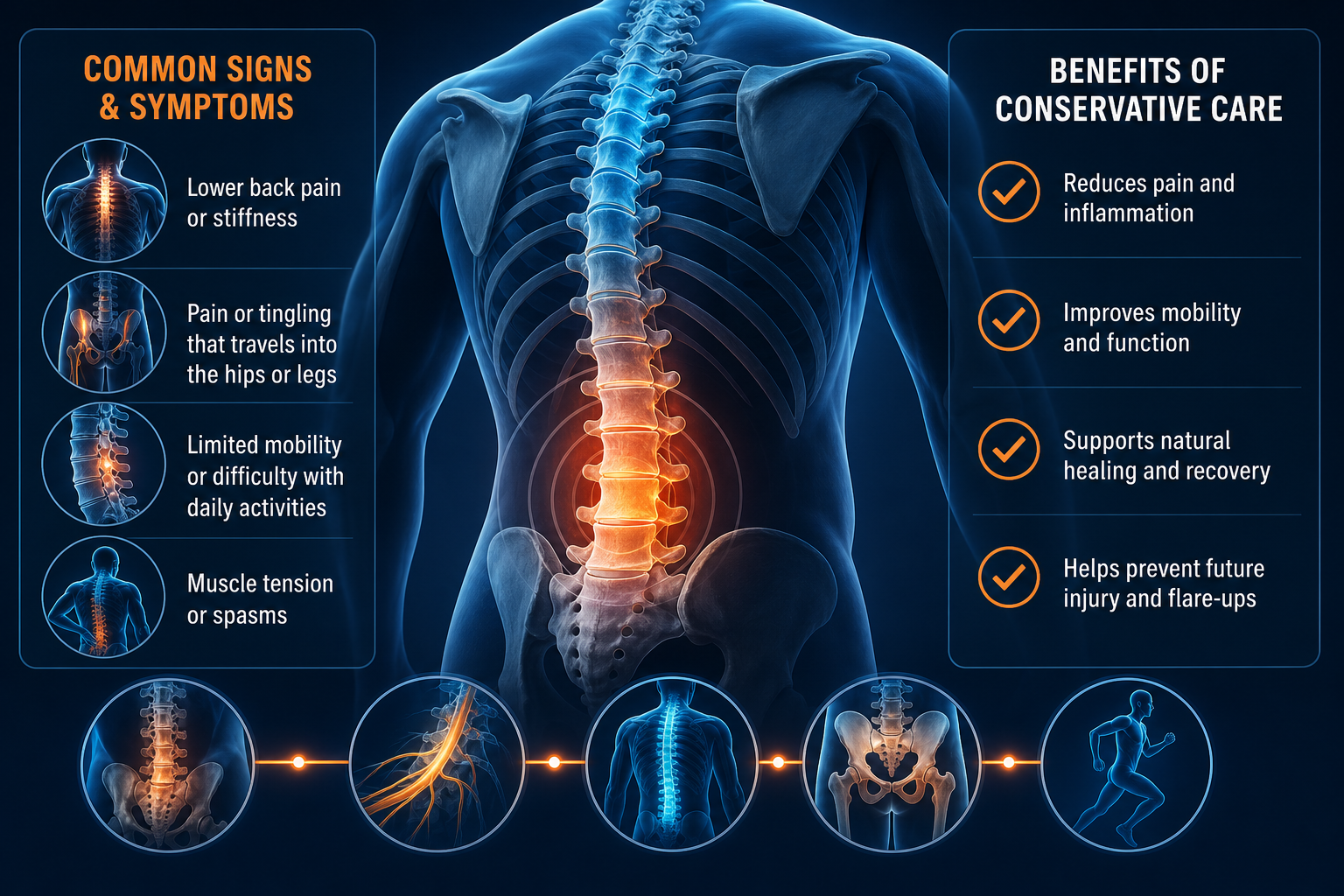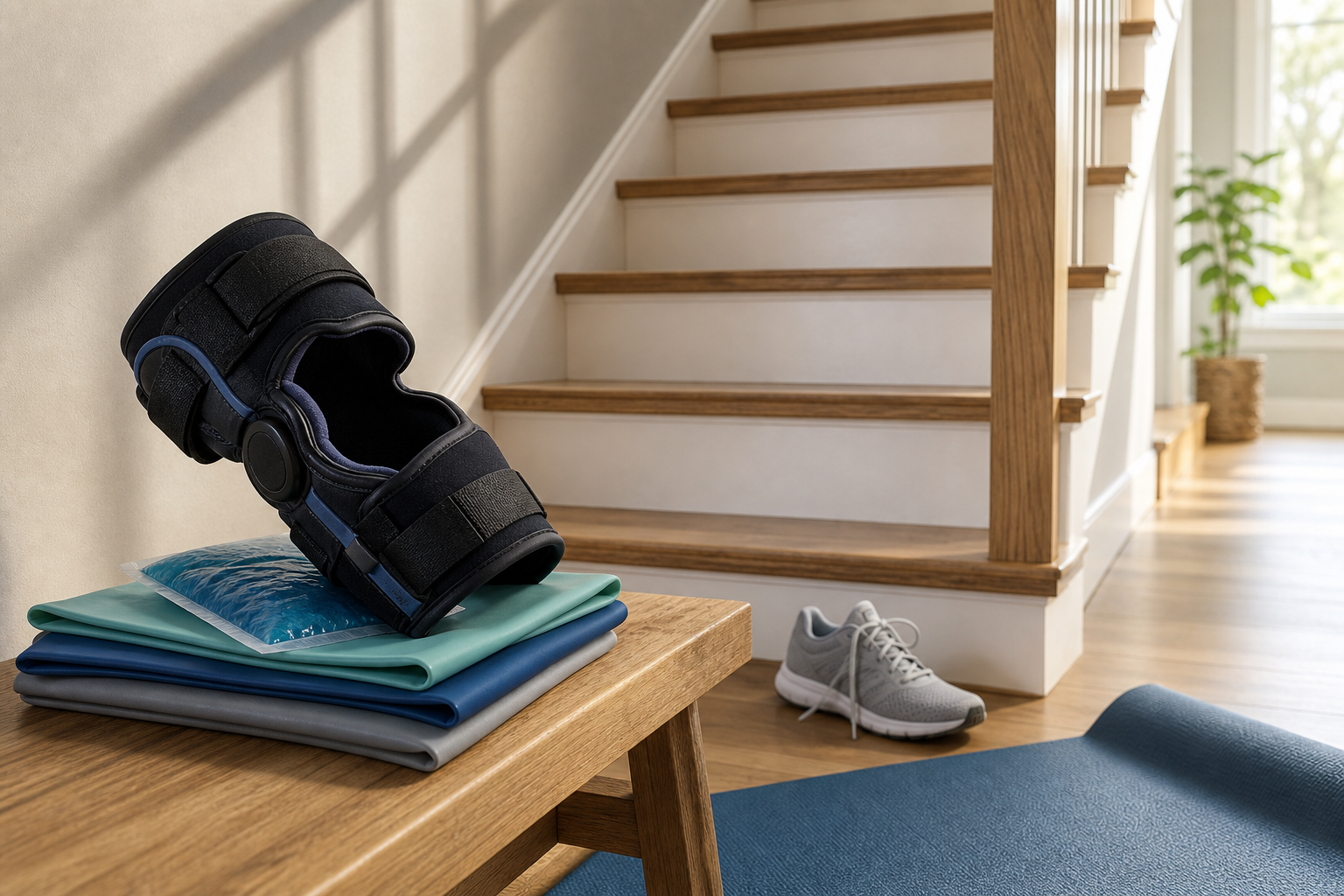
Living with a left knee subluxation usually means the kneecap shifts partially out of its normal track, causing instability, pain, and a sense that the knee may buckle during walking, stairs, squatting, or turning. Most cases improve with conservative care focused on swelling control, activity modification, hip and quadriceps strengthening, movement retraining, and a gradual return to normal loading.
A true knee subluxation is not just “general knee pain.” It usually involves the patella moving abnormally in the trochlear groove of the femur, often with irritation around the medial patellofemoral ligament (MPFL), quadriceps tendon, and supporting hip muscles that help control knee alignment.
What a Left Knee Subluxation Means
What is a left knee subluxation? In most patient education, this term refers to a partial dislocation of the left kneecap rather than the entire knee joint. The patella shifts out of place briefly, then returns on its own or with leg movement. That is different from a full dislocation, and it is also different from arthritis, meniscus irritation, or simple overuse soreness.
The key problem is tracking and stability. Your kneecap should glide smoothly as the knee bends and straightens. If the patella drifts laterally, especially during twisting or loaded bending, the surrounding tissues can become irritated and the knee may feel unreliable.
- Common structures involved: patella, femur, MPFL, quadriceps, patellar tendon, retinaculum, gluteus medius
- Typical mechanism: pivoting on a planted foot, deep knee bend with rotation, sudden change of direction, or a direct blow
- Typical result: swelling, soreness around the kneecap, apprehension with stairs, and a “slipping” or “shifting” sensation
A first-time mild subluxation may calm down over 2 to 6 weeks if swelling is controlled early and loading is progressed well. Recurrent instability often needs 6 to 12 weeks of structured rehab to restore strength, balance, and tracking control.
Research on patellofemoral instability consistently shows that recurrence is more likely when hip strength, movement control, and gradual return-to-activity planning are ignored.
If you want broader guidance on conservative musculoskeletal care, explore more health topics.
Common Symptoms and How It May Affect Daily Life
Left knee subluxation symptoms when walking usually include a brief giving-way sensation, front-of-knee pain, swelling, and hesitation during weight transfer. The knee may not lock completely, but it often feels unsafe in positions that load the patella unevenly.
Daily activities that often flare it up
- Stairs: going downstairs loads the patellofemoral joint more than level walking. If your left knee feels unstable going downstairs, that fits the common pattern.
- Sitting: long periods with the knee bent can increase pressure behind the kneecap, leading to stiffness when you stand.
- Driving: repeated movement from gas to brake can irritate the quadriceps and patellofemoral joint, especially in stop-and-go traffic.
- Sleep: side-sleeping with the top leg pulling the knee inward can aggravate tenderness around the patella.
- Uneven ground: curbs, grass, gravel, and quick pivots increase instability risk.
How it differs from other knee problems
Kneecap subluxation usually hurts around or behind the patella. Meniscus irritation is more often tied to joint-line pain and catching. A tendon overload pattern is usually more localized to the patellar tendon below the kneecap. You do not need to self-diagnose the exact tissue. You do need to notice whether the problem is mainly instability, swelling, or load intolerance.
If the knee becomes rapidly swollen, cannot bear weight for more than a few steps, looks deformed, or you cannot actively straighten it, seek urgent evaluation the same day. Those are red flags.
For examples of conservative care education across related conditions, see natural fibromyalgia management with chiropractic and vertigo solutions with chiropractic treatment.
Can You Walk With a Left Knee Subluxation?
Yes, you can walk with knee subluxation in many mild cases, but how you walk matters. If the patella has shifted and the knee still feels unstable, forcing a normal stride can prolong irritation. Short, controlled steps on level ground are usually tolerated better than long strides, hills, or fast turns.
Walking is not automatically harmful. Unstable walking is.
Walking Situation Usually Better Tolerated Usually More Irritating What to Do Level indoor walking Yes No Use shorter steps and avoid sudden pivots Going downstairs Sometimes Often Use a rail, slow pace, step-to pattern if needed Uneven surfaces Sometimes Often Limit early, especially if swelling is present Fast walking or jogging Rarely early on Yes Wait until swelling is down and single-leg control improvesIf your gait changes for more than a few days, the left hip, gluteus medius, and ankle mechanics start compensating. That can create secondary soreness in the IT band region, calf, or low back.
- Walk on flat surfaces first
- Keep the kneecap facing forward during turns
- Avoid carrying heavy loads on stairs
- Stop if the knee repeatedly buckles
A provider can tell you whether walking should be maintained, modified, or temporarily reduced based on swelling, ROM, and quadriceps control. You can also find a physical therapy provider near you for a gait and stability assessment.
What Movements and Habits Make It Worse?
Movements that worsen knee subluxation usually combine knee bending, inward collapse, and rotation. The common pattern is the thigh turning in while the foot stays planted. That places more lateral pull on the patella and less control from the hip and inner quadriceps.
- Deep squats before pain and swelling are under control
- Sudden pivots on the left leg
- Twisting while getting out of a car
- Going downstairs quickly
- Running hills too early
- Large training jumps after a low-activity period
- Sitting for long periods, then standing and turning fast
Uneven training loads matter more than most people think. A jump from 3,000 steps a day to 12,000, or from no lunges to weighted split squats, can overload the patellofemoral joint even if the movement itself is not “bad.”
Short-term irritation often comes from compression and poor tracking. Long-term recurrence usually comes from weak control of the hip, trunk, quadriceps, and landing mechanics.
Supportive conservative care for mechanical problems often includes manual therapy and movement correction rather than rest alone. If you are interested in how upper-body and balance-related conditions are explained conservatively, see Meniere’s recovery with upper cervical treatment and combating cluster headaches with upper cervical care.
Conservative Care Options That May Help
How to treat knee subluxation naturally starts with reducing irritation, then restoring tracking, then rebuilding tolerance to load. Knee subluxation treatment without surgery often combines physical therapy, exercise therapy, taping or bracing when indicated, soft-tissue work, and movement coaching.
Early-phase care
- Reduce swelling: use ice for 10 to 15 minutes after activity, 3 to 5 times daily during the first several days if swollen.
- Compression: use an elastic sleeve or wrap if it reduces swelling and improves confidence during walking.
- Relative rest: keep moving, but remove the motions that trigger shifting or buckling.
- Restore ROM: work toward comfortable knee extension and flexion without forcing deep bend.
Rehab that actually improves stability
- Quadriceps strengthening: especially terminal knee extension control and tolerated straight-leg raises
- Hip strengthening: gluteus medius and gluteus maximus to reduce dynamic knee valgus
- Foot and ankle control: better balance and arch control reduce rotational stress up the chain
- Movement retraining: stairs, sit-to-stand, step-downs, and later hopping or cutting drills when appropriate
- Manual care: soft-tissue work to quadriceps, lateral retinaculum, TFL, and calf may improve comfort so you can train better
Most mild cases start tolerating basic strengthening within 7 to 14 days. More irritable cases may need 3 to 4 weeks before loaded step-downs, split squats, or return-to-run progressions feel stable.
If you want a broader view of conservative care, fibromyalgia prevention with upper cervical care shows the same core principle: symptom control matters, but function matters more.
Short-Term Relief vs Long-Term Stability Work
Short term relief for knee instability is not the same as correcting the reason the patella keeps drifting. Relief gets pain and swelling down. Stability work lowers recurrence risk.
Approach Main Goal Expected Outcome Typical Timeline Ice, compression, activity modification Calm irritation Less swelling and less pain with walking 1-7 days Taping or supportive bracing Improve tracking confidence Better tolerance for stairs and walking Days to 2 weeks Quadriceps and hip strengthening Improve patellar control Less giving-way and better squat mechanics 3-8 weeks Balance, step-down, landing retraining Reduce recurrence Better return to work and sport 4-12 weeksHere is a simple home protocol many providers use early on:
- Sit with the left leg straight and tighten the quadriceps for 5 seconds. Repeat 10 times.
- Perform a straight-leg raise with the kneecap facing the ceiling. Raise 12 inches, hold 2 seconds, lower slowly. Do 2 sets of 8.
- Stand at a counter and perform mini-squats to about 30 degrees of knee bend, keeping the knee over the second toe. Do 2 sets of 10 if pain stays mild.
- Finish with 10 minutes of ice and light compression if the knee is warm or swollen.
Stop and get re-evaluated if these trigger a sharp shift, repeated buckling, or next-day swelling that is clearly worse.
Returning to Work, Exercise, and Sports Safely
Return to sports after knee subluxation should be based on function, not just time. You need enough ROM, low swelling, adequate quadriceps strength, and confidence on stairs and single-leg tasks before higher-speed work makes sense.
For non-athletes
- Desk work often resumes quickly if you avoid long periods with the knee bent and stand every 30 to 45 minutes.
- Jobs with stairs, lifting, kneeling, or carrying often need a graded return over 2 to 6 weeks.
- Driving is more realistic once you can move from brake to gas without hesitation and can sit without a pain spike.
For athletes
- Start with straight-line walking, then brisk walking, then controlled jogging.
- Add step-downs, split squats, and single-leg balance before cutting drills.
- Do not return to jumping or pivot sports until you can descend stairs, squat, and land without dynamic knee valgus.
- A practical benchmark is tolerating single-leg sit-to-stand and repeated step-downs on the left without pain, wobble, or collapse.
If the knee still shifts during lateral movement, you are not ready for full sport. Most active adults need 4 to 8 weeks for recreational return after a mild event and longer if instability recurs or strength deficits are obvious.
For additional examples of conservative care education, see trigeminal neuralgia treatment with chiropractic.
Questions to Ask a Provider at Your Evaluation
A good evaluation should tell you why the knee feels unstable, what is safe right now, and what your next progression should be. Bring a clear timeline: when it happened, whether it swelled, whether it shifted more than once, and which motions still feel unreliable.
- Does this look like a patellar subluxation or another source of knee pain?
- Is my ROM limited, and which movement should I restore first?
- Do I need temporary taping or a brace for walking or stairs?
- Which muscles are weak or delayed: quadriceps, gluteus medius, calf, or trunk stabilizers?
- Which activities should I stop for 1 to 2 weeks, and which should I keep doing?
- What milestones tell us I am ready for work, exercise, and sports?
A first visit commonly includes gait analysis, squat or step-down testing, palpation around the patella and retinaculum, ROM testing, and strength checks. You may also be assessed for foot position, hip control, and single-leg balance because knee tracking depends on the whole chain.
If you are ready to be assessed locally, browse providers or find a chiropractor near you.
What to Do Next
See a provider promptly if the left knee keeps shifting, buckles during walking, stays swollen for several days, or prevents you from using stairs normally. A chiropractor, physical therapist, or rehabilitation-focused provider can evaluate patellar tracking, gait, swelling, ROM, and strength, then build a plan that matches your daily demands.
- Seek urgent care now if the knee looks deformed, you cannot bear weight, you cannot straighten it, or swelling is immediate and severe after a twist or fall.
- Book a routine evaluation soon if the knee feels unstable, the kneecap seems to shift, stairs remain difficult, or activity keeps triggering flare-ups.
- At your first visit, expect movement testing, strength testing, discussion of aggravating positions, and a home plan for walking, stairs, sleep positioning, and exercise progressions.
Start with the right provider. You can find a physical therapy provider near you, find a chiropractor near you, or explore more health topics while you plan your next step.
FAQ About Left Knee Subluxation
Is it normal for kneecap to shift?
No. A slight sensation of clicking can happen for several reasons, but a true feeling that the kneecap slides out of place is not normal. It should be evaluated if it happens more than once, especially with stairs, pivots, or exercise.
How long does knee subluxation heal?
Mild cases often improve in 2 to 6 weeks. If the knee remains unstable, strength is reduced, or the kneecap keeps shifting, rehab may take 6 to 12 weeks or longer depending on recurrence and activity level.
Can you walk with knee subluxation?
Usually yes, if walking is controlled and the knee is not repeatedly buckling. Flat surfaces, short steps, and slower pace are easier early on. If weight bearing is very difficult or the knee gives out repeatedly, get evaluated quickly.
What is the best home care right away?
Use relative rest, ice for 10 to 15 minutes, light compression, and avoid deep bending or twisting for the first several days. Then begin simple quadriceps activation and a guided strengthening plan as tolerated.
What provider is best for knee subluxation near me?
A physical therapist, chiropractor, or rehabilitation-focused provider who treats knee instability and movement mechanics is a practical starting point. Look for someone who assesses gait, step-down control, hip strength, and return-to-activity planning rather than only passive care.
Can it come back?
Yes. Recurrence is more likely if you return to stairs, running, or pivoting before swelling is down and control of the quadriceps, hip, and single-leg mechanics is restored.