Find a Provider Community Forum
For Providers For Attorneys
Sign In

Fibromyalgia Prevention with Upper Cervical Care

Fibromyalgia Prevention with Upper Cervical Care

Key Takeaways

  • Fibromyalgia is a chronic condition marked by widespread pain, fatigue, and sleep problems, and it doesn’t have a single known cause.
  • Upper cervical care is a gentle, precise chiropractic approach focused on the top of the neck (C1–C2) and may support comfort and function for some people with fibromyalgia.
  • Evidence for “fibromyalgia prevention” is limited; upper cervical care is better framed as supportive care that may help manage symptoms and improve quality of life.
  • A conservative plan often works best when upper cervical care is paired with movement, sleep support, stress management, and pacing strategies.

Fibromyalgia, a chronic condition characterized by widespread pain, fatigue, and tenderness in localized areas, remains a medical mystery in many respects, including its causes and optimal treatment strategies. Despite this, emerging research and anecdotal evidence suggest that upper cervical care, a specialized form of chiropractic treatment focusing on the precise alignment of the upper cervical spine (the neck area), may offer significant relief and potential preventive benefits for those at risk of developing fibromyalgia or those already suffering from its debilitating effects.

Understanding the connection between the upper cervical spine and fibromyalgia

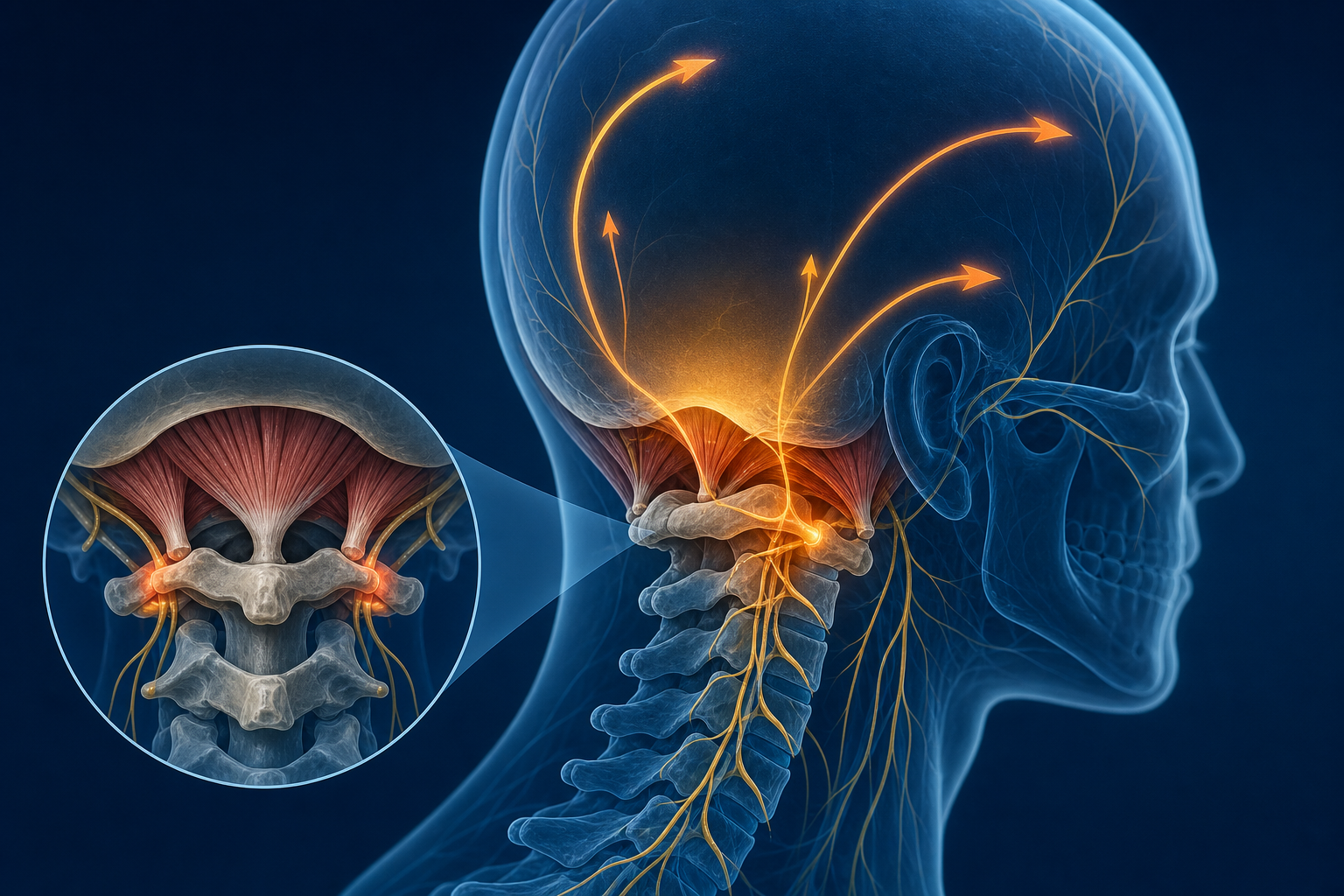
The upper cervical spine, comprising the atlas (C1) and axis (C2) vertebrae, holds a pivotal position in the body's biomechanics, supporting the head, facilitating blood flow to the brain, and housing vital neural pathways. Misalignments in this area, known as subluxations, can disrupt nerve function, leading to a cascade of problems including impaired pain processing, sleep disturbances, and immune system dysregulation – all hallmark features of fibromyalgia.

Upper cervical care practitioners utilize precise, gentle adjustments to correct these subluxations, aiming to restore normal function to the affected nerves and muscles. The rationale is that by addressing the root cause of nerve interference, the body's natural healing processes can be facilitated, potentially reducing the severity of fibromyalgia symptoms or even preventing the onset of the condition in individuals predisposed to it.

Evidence supporting the efficacy of upper cervical care  

Patients often report significant improvements in pain levels, sleep quality, and overall quality of life following treatment. While these outcomes are promising, it's important to note that fibromyalgia is a complex, multifactorial condition, and what works for one individual may not work for another. Therefore, upper cervical care should be considered as part of a comprehensive, personalized treatment plan that may also include medication, physical therapy, exercise, and stress management techniques.

Preventive strategies for fibromyalgia are inherently challenging to define, given the condition's unknown causes and varied presentation. However, the potential for upper cervical care to play a preventive role lies in its capacity to enhance overall nervous system function and reduce the risk of developing chronic pain conditions. By maintaining proper alignment of the cervical spine and ensuring unimpeded nerve communication, individuals may be less likely to experience the physiological stressors that can trigger fibromyalgia symptoms.

In conclusion, while the prevention and treatment of fibromyalgia continue to be areas of active research and debate, upper cervical care presents a promising avenue for those seeking relief from this chronic condition. By focusing on the intricate relationship between the cervical spine and the central nervous system, upper cervical care offers a unique perspective on fibromyalgia, emphasizing the body's inherent capacity for self-healing and balance. As our understanding of fibromyalgia evolves, so too will our approaches to managing and preventing it, with upper cervical care standing as a testament to the ongoing exploration of holistic and integrative health solutions.

Medical Disclaimer: This article is for informational purposes only and does not constitute medical advice, diagnosis, or treatment. Always consult a qualified healthcare provider for personalized medical guidance. If you are experiencing a medical emergency, call 911 or your local emergency number immediately.

Frequently Asked Questions

Can upper cervical care prevent fibromyalgia?
There isn’t strong evidence that upper cervical care can prevent fibromyalgia. Fibromyalgia is complex and involves how the nervous system processes pain, along with sleep, stress, and other factors. Upper cervical care may help some people feel better by improving neck function and reducing musculoskeletal strain, but it should be viewed as supportive care, not a proven prevention method.
How might upper cervical care help someone with fibromyalgia?
Upper cervical care focuses on alignment and motion at the top of the neck (C1–C2). For some people, improving neck mechanics may reduce tension, headaches, and related discomfort that can add to overall symptom burden. While it doesn’t “treat the cause” of fibromyalgia, it may support better movement, comfort, and daily function—especially when combined with exercise, sleep habits, and stress management.
Is upper cervical chiropractic gentle enough for people who are very sensitive to touch?
Many upper cervical techniques are designed to be low-force and precise, which can be a better fit for people with fibromyalgia who have tenderness or sensitivity. The visit typically includes a detailed history and exam, and the provider can adjust the approach based on your comfort level. If any technique increases symptoms, tell your provider so the plan can be modified.
What else can I do alongside upper cervical care to reduce fibromyalgia flare-ups?
Most people do best with a multi-step, conservative plan. Common strategies include gentle aerobic activity, strength work that starts low and progresses slowly, stretching or mobility work, and pacing (avoiding the “boom-bust” cycle). Sleep routines and stress-reduction practices can also matter. A provider can help you choose options that match your current energy and pain levels.
When should I see a provider for widespread pain and fatigue?
See a qualified healthcare provider if widespread pain lasts more than a few weeks, fatigue is persistent, or sleep problems are affecting your day. It’s also smart to get evaluated if you have new neurologic symptoms, unexplained weight changes, fever, or rapidly worsening function. Fibromyalgia is a diagnosis made after ruling out other causes, so a thorough evaluation is important.

Sources

  1. Fibromyalgia — National Institute of Arthritis and Musculoskeletal and Skin Diseases (NIAMS) (2023)
  2. Fibromyalgia — Centers for Disease Control and Prevention (CDC) (2024)
  3. Fibromyalgia — NHS (2023)

We use first-party cookies to run this site and understand how patients find us. Privacy