Find a Provider Community Forum
For Providers For Attorneys
Sign In

Combating Cluster Headaches with Upper Cervical Care

Combating Cluster Headaches with Upper Cervical Care

Key Takeaways

  • Cluster headaches often come in cycles, with weeks-to-months of attacks followed by remission periods.
  • Pain is commonly one-sided and may feel burning or stabbing, sometimes radiating from the neck to the temple.
  • Associated symptoms can include nasal congestion, tearing, and eyelid drooping on the affected side.
  • Upper cervical care focuses on the top of the neck (C1–C2) and may help some people reduce headache frequency or intensity by improving neck function and reducing irritation triggers.

Cluster Headaches And Upper Cervical Care

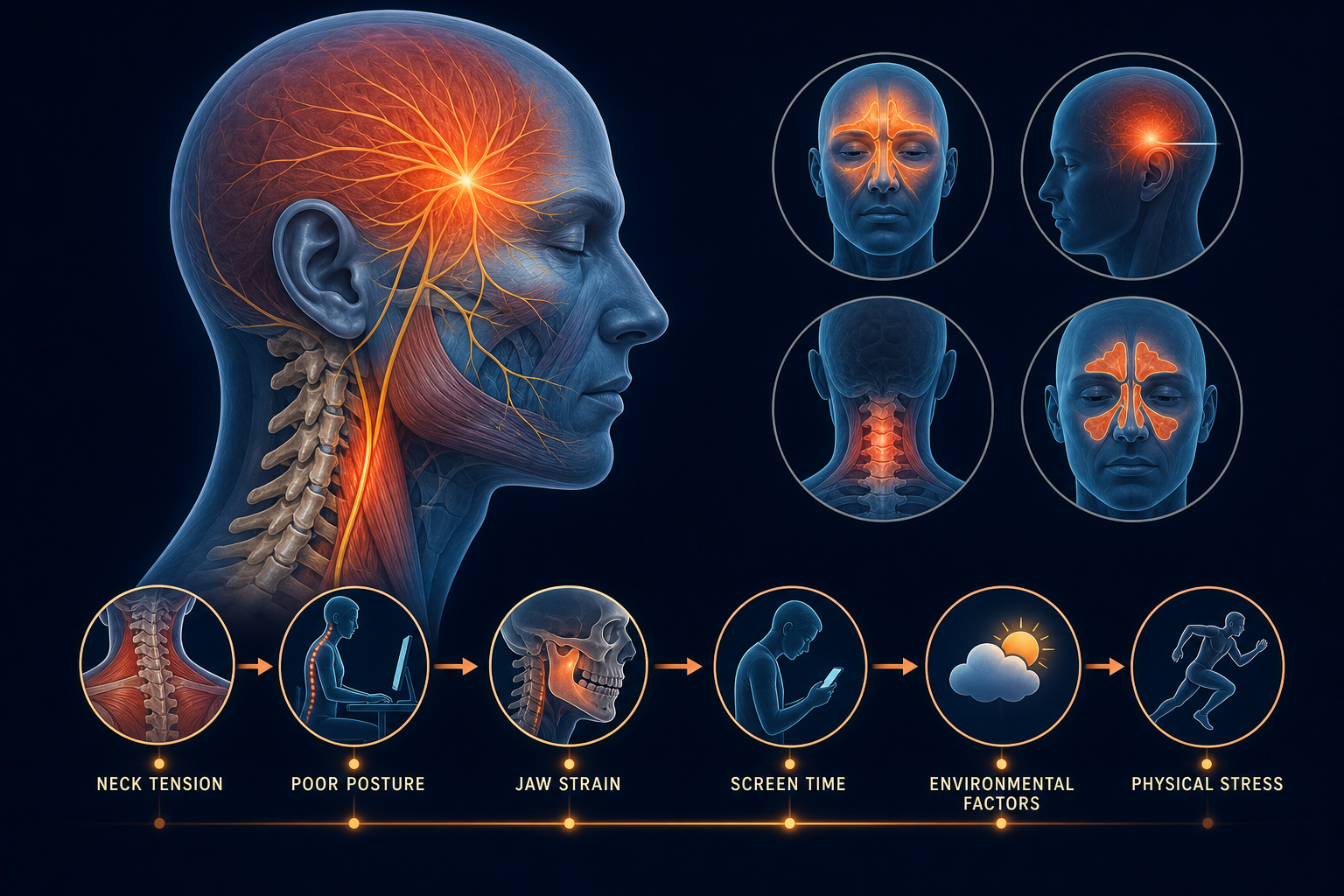
A cluster period may last for several weeks or even months before giving the sufferer temporary relief during a remission period. As is common with other severe headache types, cluster headaches affect women far more often than men.  The pain has been likened to a burning or stabbing pain that generally affects one side of the face and may extend from the neck up to the temple. Other symptoms can include nasal congestion and a droopy, watering eye on the painful side of the face. What causes cluster headaches?  Scientists are still unsure, but one thing they do note is that histamine (an allergic response) is suddenly released during an attack as well as serotonin which affects the function of nerves.  

Upper Cervical Care and Cluster Headaches

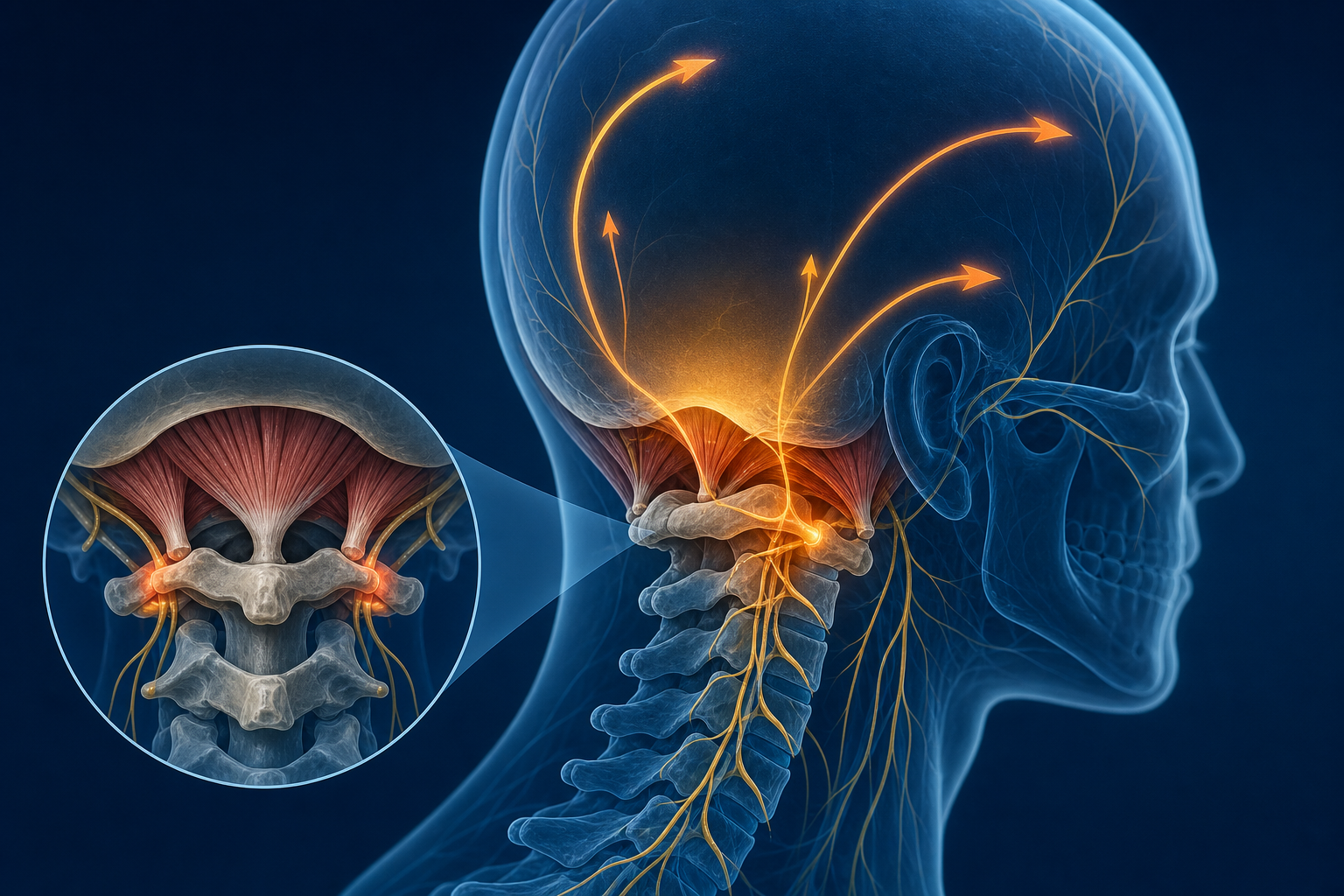
Headaches are often related to a misalignment of the C1 or C2 vertebrae. This is because such a misalignment can often create stress on the brainstem. This, in turn, can affect communication between the brain and body.  Even blood and cerebrospinal fluid flow to the brain can be interfered with. Headaches are just one possible symptom of such an occurrence. The idea is that removing the misalignment that is causing brain signal issues may be able to correct the sudden release of various chemicals for no apparent reason. This, in turn, may relieve cluster headaches. If you are looking for a natural alternative to prescription medication for your headaches, upper cervical chiropractic care may be just what you have been searching for. 

Medical Disclaimer: This article is for informational purposes only and does not constitute medical advice, diagnosis, or treatment. Always consult a qualified healthcare provider for personalized medical guidance. If you are experiencing a medical emergency, call 911 or your local emergency number immediately.

Frequently Asked Questions

What are cluster headaches?
Cluster headaches are a type of primary headache disorder known for severe, one-sided head or facial pain that can occur in “clusters” over weeks or months. Attacks often happen around the same time each day and may be accompanied by symptoms like tearing, nasal congestion, or eyelid drooping on the painful side. A qualified provider should confirm the diagnosis.
What symptoms commonly occur with cluster headaches?
Along with intense one-sided pain (often around the eye or temple), many people notice autonomic symptoms on the same side of the face. These can include a watery eye, nasal congestion or runny nose, facial sweating, and a drooping eyelid. Because these symptoms can overlap with other conditions, it’s smart to get evaluated rather than self-diagnose.
What is upper cervical care, and how is it different from general chiropractic care?
Upper cervical care is a conservative approach that focuses on the top two neck joints—C1 (atlas) and C2 (axis). Providers use detailed assessment and gentle, specific adjustments aimed at improving alignment and motion in this region. The goal is to support normal joint mechanics and reduce strain patterns that may contribute to head and neck symptoms.
Can upper cervical care help with cluster headaches?
Upper cervical care may help some people who have cluster headaches, especially when neck tension, posture strain, or restricted upper-neck motion seems to be part of the picture. Evidence for manual therapies in headache care is stronger for some headache types than others, and results vary. A provider can help determine whether an upper cervical evaluation makes sense for you.
When should I see a provider for cluster headache symptoms?
Seek prompt medical evaluation if you have sudden, severe head pain; new or changing headache patterns; headaches with weakness, numbness, confusion, fainting, fever, or vision changes; or if you’re unsure whether your symptoms are cluster headaches. For ongoing cycles of one-sided headaches with tearing or congestion, a diagnosis and coordinated care plan can help you manage episodes safely.

Sources

  1. Cluster Headache — National Institute of Neurological Disorders and Stroke (NINDS) (2024)
  2. Cluster headache - Symptoms and causes — Mayo Clinic (2024)
  3. Cluster headache — NHS (UK National Health Service) (2023)

We use first-party cookies to run this site and understand how patients find us. Privacy