If you are searching for an auto accident injury lawyer near me, you are probably dealing with more than vehicle damage. You may have neck pain, back pain, missed work, insurance calls, repair estimates, and questions about what comes next. A car accident lawyer may help explain your legal options, communicate with insurers, and evaluate whether an injury claim is appropriate under the laws in your state.
This article is general information, not legal advice. Personal-injury laws, insurance rules, deadlines, and fault standards vary by jurisdiction. If you have questions about your specific situation, consider speaking with a licensed attorney in your state. If you have pain, limited movement, dizziness, numbness, weakness, or symptoms that are worsening, seek evaluation from a qualified healthcare provider. Medximity can help you find conservative care providers, including chiropractors near you and physical therapists near you.
What Does a Car Accident Lawyer Do?
A car accident lawyer is a personal-injury attorney who handles claims involving crashes, injuries, insurance coverage, medical bills, lost income, and related damages. In many cases, the attorney’s role is to gather facts, review records, identify possible sources of insurance coverage, communicate with the insurance company, and negotiate on the injured person’s behalf.
For someone comparing the best car accident lawyer near me, it may help to look beyond advertising language. A useful consultation often focuses on practical questions: What state law applies? What deadlines may affect the claim? What evidence is needed? How are medical records reviewed? How are fees handled? No attorney should promise a specific settlement or outcome during an initial call.
When Should You See a Provider After a Car Accident?
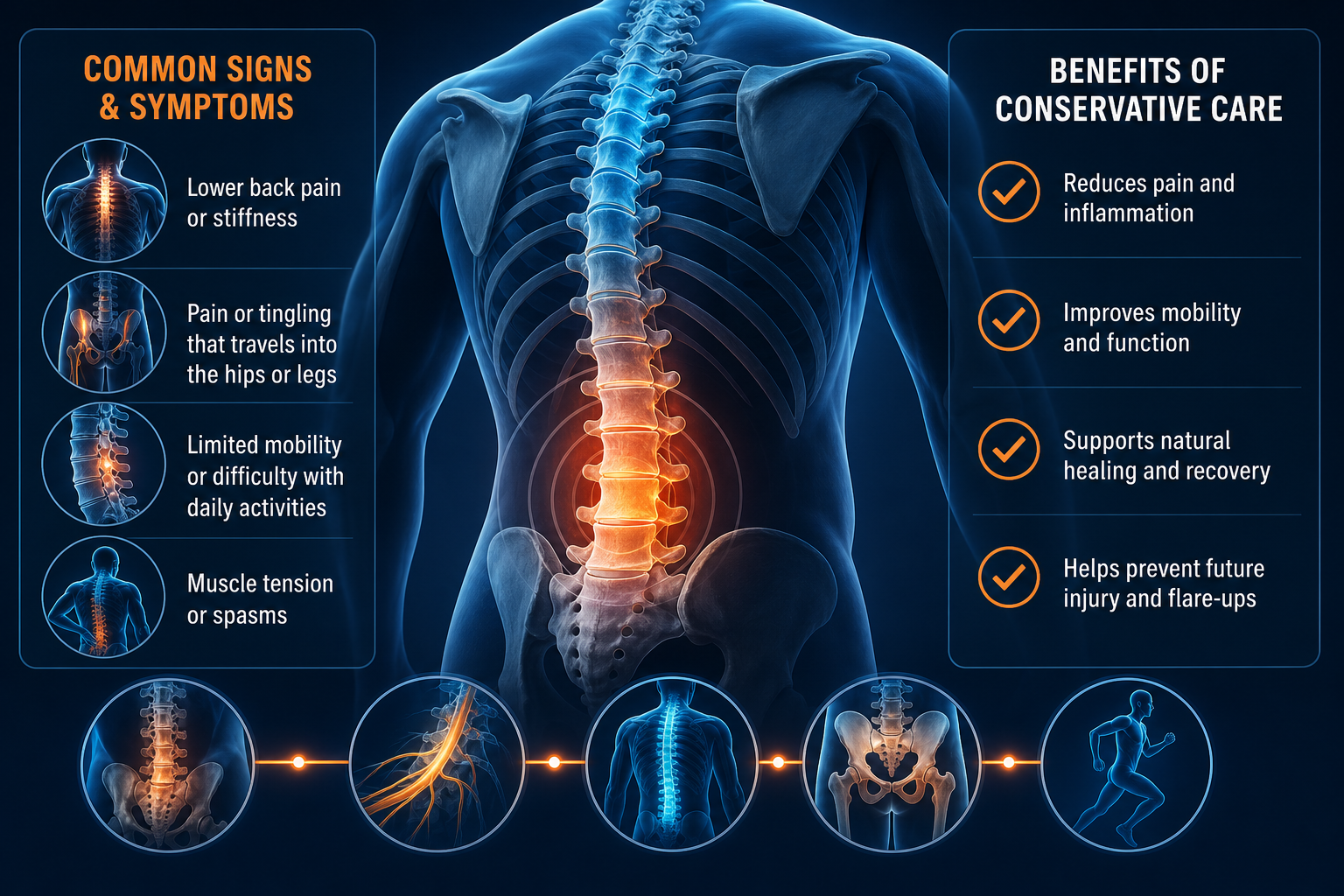
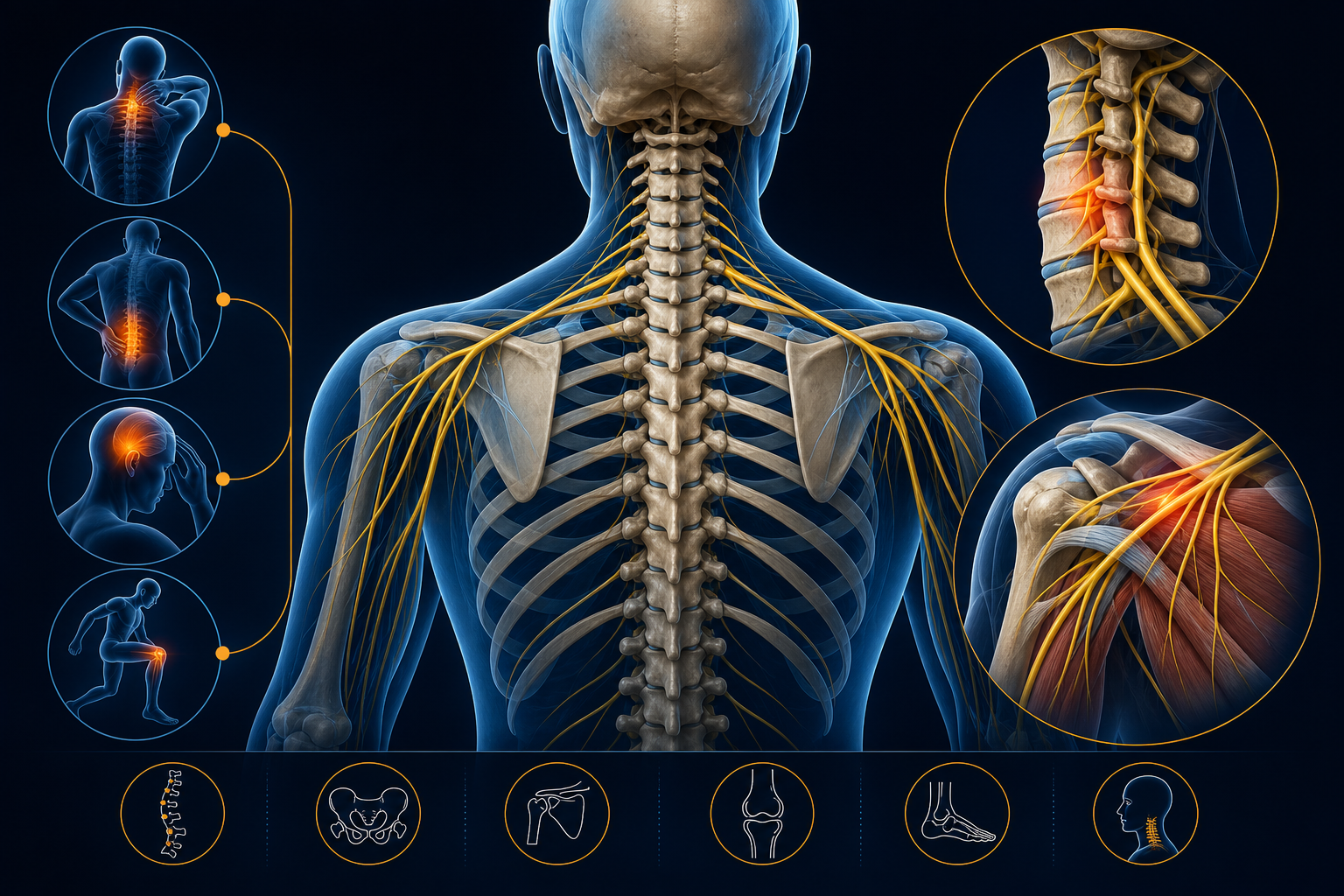
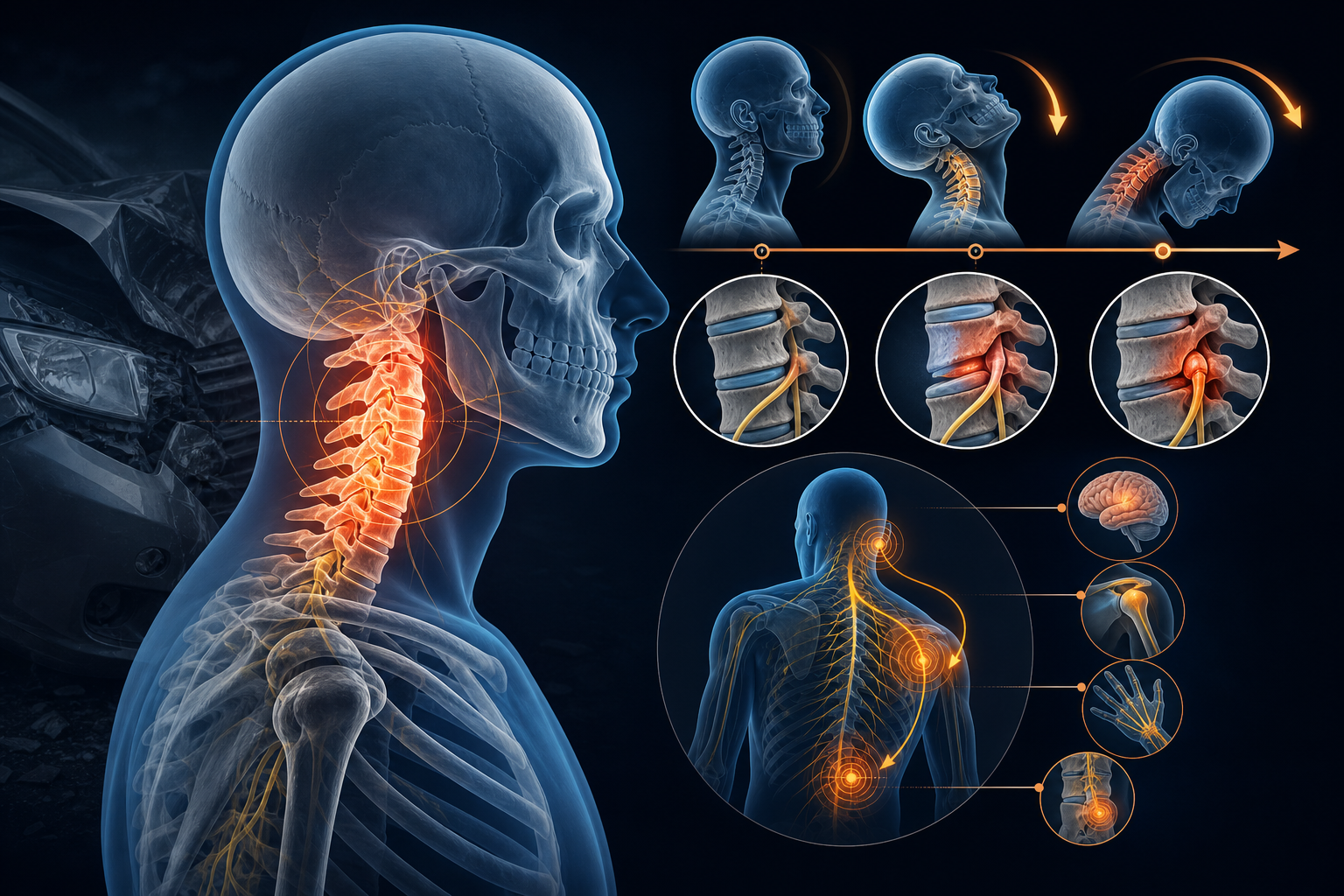
Auto accident injuries may involve muscles, ligaments, joints, discs, nerves, and other tissues. Some symptoms are immediate, while others may become more noticeable over the next several days. Common concerns after a crash include neck pain, headaches, shoulder pain, back pain, stiffness, dizziness, numbness, tingling, and difficulty with normal movement.
If you can’t move your neck after a car accident, have severe pain, feel weakness or numbness, experience confusion, chest pain, shortness of breath, loss of consciousness, or symptoms that feel urgent, seek emergency medical care. For non-emergency pain and mobility problems, a conservative provider may assess your range of motion, pain triggers, posture, strength, and functional limitations. You can learn more about related symptoms on Medximity’s neck pain resource and back pain resource.
How Long After an Accident Should You Call a Lawyer?
Many people ask, how long after an accident to call lawyer? The safest general answer is: early enough to understand your rights before you give recorded statements, sign broad releases, or accept a settlement. That does not mean every crash requires a lawsuit. It does mean that an attorney consultation may help you understand deadlines, insurance procedures, and what information to preserve.
Statutes of limitations and claim-notice rules vary by state and by the type of claim. Claims involving government vehicles, rideshare coverage, commercial vehicles, uninsured drivers, or out-of-state drivers may have additional complications. A licensed attorney can explain how those rules may apply to your facts.
Neck Pain, Back Pain, and Injury Documentation
Searches such as neck pain after car accident lawyer and back pain after car accident claim often reflect the same concern: how physical symptoms connect to insurance and legal documentation. From a healthcare perspective, the priority is evaluation, safety, and a plan of care that matches the patient’s presentation. Conservative care may include chiropractic assessment, physical therapy, rehabilitation exercises, manual therapy, education, and activity modification when appropriate.
Clinical documentation may also become part of a claim file. Medical records can describe the date of evaluation, reported symptoms, examination findings, functional limitations, treatment provided, response to care, and referral recommendations. Good documentation does not guarantee a claim outcome, but it may help create a clearer timeline. Medximity’s auto accident injury care guide explains what patients may expect from conservative treatment after a crash.
Personal Injury Lawyer vs. Insurance Adjuster
The phrase personal injury lawyer vs insurance adjuster points to an important distinction. An insurance adjuster works for or on behalf of an insurance company. The adjuster may investigate the crash, review coverage, evaluate damages, and propose settlement terms based on the insurer’s process and obligations.
A personal-injury lawyer represents the injured person if an attorney-client relationship is formed. The lawyer may communicate with insurers, review medical and wage-loss documentation, evaluate liability issues, and advise the client about settlement offers. This is why many people choose to speak with an attorney before discussing injury details extensively with an insurer.
Can You Settle a Car Accident Without a Lawyer?
Some people do settle a car accident without a lawyer, especially when the crash is minor, there are no injuries, and property damage is straightforward. However, injury claims can be more complicated. Pain may persist longer than expected, diagnostic questions may arise, medical bills may continue, or the insurance company may dispute fault, causation, or the value of the claim.
Before signing a release, it is important to understand that settlement documents may end the claim permanently. Laws vary, and this article cannot tell you whether you need a lawyer. If you are uncertain, a consultation with a licensed attorney may help you understand the risks and options.
What Documents Should You Bring to a Car Accident Lawyer?
If you are asking what documents for car accident lawyer, start with anything that helps establish what happened, what coverage exists, and how the crash affected you. Helpful items may include:
- Police report or crash report, if available
- Driver, vehicle, and insurance information for all parties
- Photos or videos of vehicles, the scene, road conditions, and visible injuries
- Medical records, visit summaries, referrals, and bills
- Documentation of missed work or reduced earning capacity
- Insurance letters, emails, claim numbers, and adjuster contact information
- Names and contact information for witnesses
- A simple timeline of symptoms, appointments, and major events
If you are still looking for injury evaluation or rehabilitation, Medximity can help you search the provider directory for local care options.
Car Accident Lawyer Free Consultation Questions
Many personal-injury firms offer an initial consultation, but the details vary. Useful car accident lawyer free consultation questions may include:
- Do you handle auto accident injury cases in my state?
- What deadlines may apply to this type of claim?
- What information do you need to evaluate the case?
- How do you communicate with clients during the claim?
- Who at the firm will handle day-to-day communication?
- How are costs and fees handled?
- What are the possible next steps if the insurer disputes the claim?
A consultation is also a chance to listen for realistic, careful answers. Be cautious with anyone who guarantees a result or gives a settlement value without reviewing the facts and records.
Car Accident Lawyer Contingency Fee Meaning
Car accident lawyer contingency fee meaning is a common question. In general, a contingency fee means the attorney’s fee is based on a percentage of the recovery if money is obtained for the client. If there is no recovery, the attorney may not collect a fee, though case costs and expense rules can vary by agreement and jurisdiction.
Before hiring a lawyer, ask for the fee agreement in writing and read it carefully. The agreement should explain the percentage, how expenses are handled, whether the percentage changes if litigation is filed, and what happens if the attorney-client relationship ends before resolution.
What to Expect After You Contact a Lawyer and a Provider
After contacting an auto accident injury lawyer, you may be asked for basic facts, insurance details, crash documentation, medical information, and authorization to request records. The attorney may then evaluate liability, coverage, damages, and deadlines. If representation begins, the lawyer may communicate with insurers and help organize documentation.
After contacting a healthcare provider, you can expect an intake history, examination, discussion of symptoms, and a care plan if conservative treatment is appropriate. The plan may include movement-based rehabilitation, home exercises, spinal or extremity assessment, manual therapy, or referral to another medical professional when needed. For a broader overview, read Medximity’s guide on what to expect after a car accident injury.
The legal process and healthcare process are separate, but they often run at the same time. Your health should not wait for an insurance decision. If symptoms are affecting your daily life, consider using Medximity to find a qualified local provider through the Medximity provider marketplace.
FAQ
Do I need an auto accident injury lawyer near me for every crash?
Not every crash requires a lawyer. If there are injuries, disputed fault, significant medical bills, missed work, or pressure from an insurer, a consultation may help you understand your options. Laws vary by state, so speak with a licensed attorney about your situation.
Should I see a provider before calling a lawyer?
If you have urgent symptoms, seek medical care first. For non-emergency symptoms, it is still wise to be evaluated promptly by a qualified provider. You can also contact an attorney early to understand claim procedures and documentation issues.
What if my neck or back pain started days after the accident?
Some soft-tissue and joint-related symptoms may become more noticeable after the initial stress of a crash. A provider can evaluate your symptoms and recommend appropriate next steps. Do not assume delayed pain is harmless, especially if symptoms worsen or include numbness, weakness, or severe limitation.
Can an insurance adjuster tell me what my claim is worth?
An adjuster may make an offer or explain the insurer’s evaluation, but the adjuster does not represent you. A personal-injury attorney can review the facts from your perspective and discuss whether an offer appears consistent with the available evidence and applicable law.
What should I avoid saying after an accident?
Avoid guessing, exaggerating, or making statements you are unsure about. Stick to facts when reporting the crash. Before giving a recorded statement about injuries or fault, consider asking a licensed attorney what is appropriate in your jurisdiction.
How do medical records affect a car accident claim?
Medical records may help document symptoms, examination findings, treatment dates, functional limitations, and referrals. They do not guarantee a legal result, but they may help establish a clearer timeline of injury care.