Find a Provider Community Forum
For Providers For Attorneys
Sign In

Vertigo Solution with Chiropractic treatment

Vertigo Solution with Chiropractic treatment

Key Takeaways

  • Vertigo is a spinning or swaying sensation that can affect balance and daily activities.
  • Some cases of vertigo are related to the neck and may improve with conservative care focused on posture, mobility, and balance.
  • Chiropractic care may help certain patients by addressing cervical (neck) joint function and muscle tension that can contribute to dizziness.
  • A proper evaluation matters because vertigo has multiple causes, and some require urgent medical attention.

Do you feel like the world is spinning around you? If so, you may be experiencing vertigo. Vertigo is a feeling of being off-balance. It is as if everything around you is moving, spinning, or swaying. The severity of the complication will vary from person to person. In some cases, vertigo cannot be noticeable. But, some people experience severe vertigo that disturbs their regular lives. If this sounds like you, don't worry! Chiropractic care has been shown to help with vertigo symptoms in many cases. Keep reading for more information about chiropractic and vertigo! Vertigo is different from dizziness – it is described to be a sensation of movement when not in motion. Some common conditions that cause vertigo include the following:

  • Meniere's disease
  • Benign paroxysmal positional vertigo
  • Vestibular neuronitis
  • Labyrinthitis

Your brain has to integrate information from your inner ear, your eyes, and your joints in order to figure out where your body is in space. When one or more of these systems is compromised, vertigo symptoms may result. 

Chiropractic treatment for vertigo may involve a number of different techniques. The specific approach will depend on the underlying cause of your vertigo symptoms. For example, if your vertigo is caused by a problem with your inner ear, your chiropractor may use gentle manipulation to realign the bones in your ear. If your vertigo is caused by a neck injury, your chiropractor will focus on treating the underlying neck problem. In some cases, chiropractic treatment for vertigo may also involve exercises or other forms of physical therapy.

Your neck and vertigo

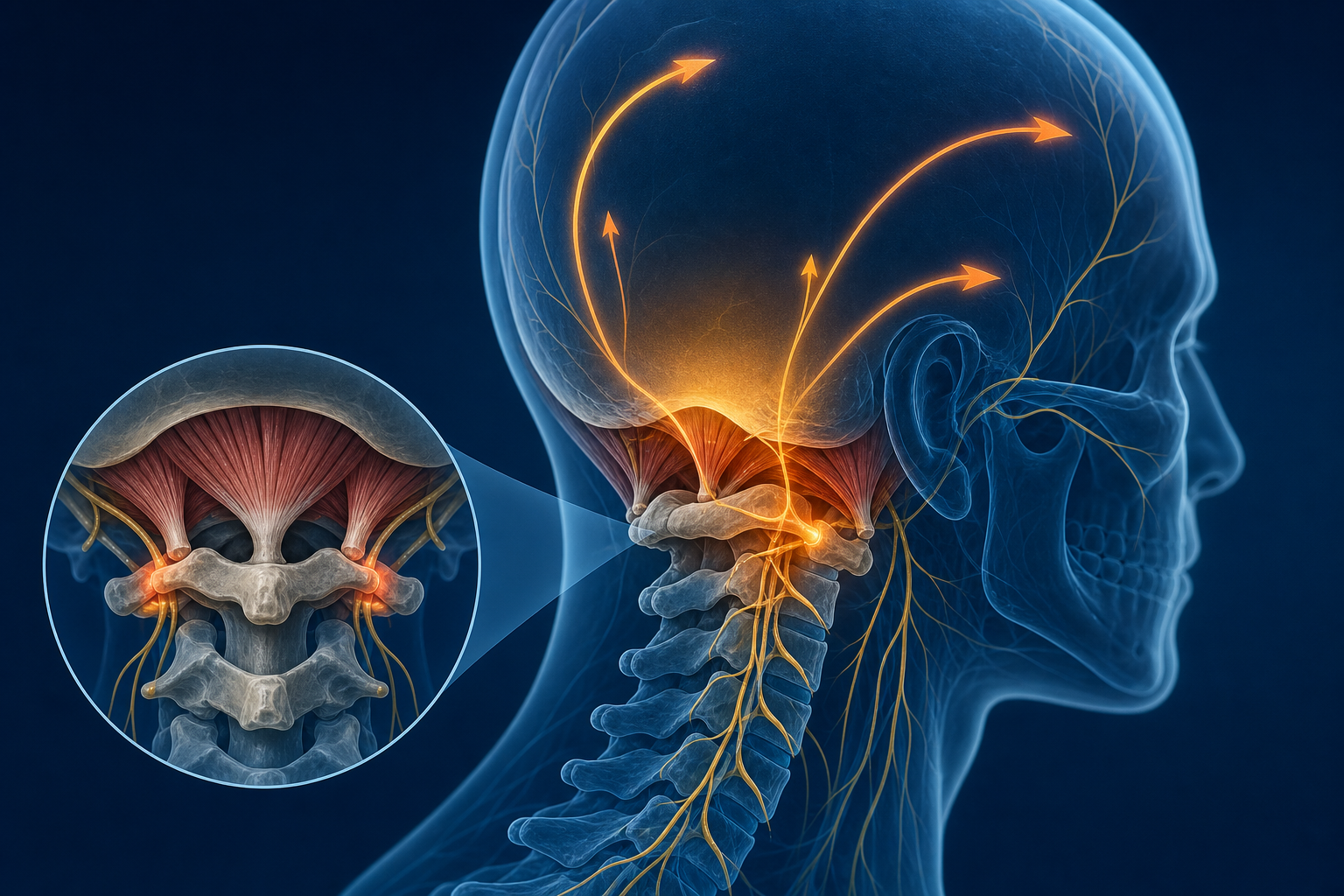
Your spine is designed to protect your spinal cord. Your spinal cord carries signals to and from your brain. When the top bone in your neck (atlas) is misaligned, this can create pressure within your spinal cord at the base of your neck. This can affect signals going to and from your brainstem, potentially leading to vertigo symptoms. Through specific realignment of the atlas, the pressure within the spinal cord is reduced. The brainstem is able to send and receive messages without distortion.

This may lead to a reduction in vertigo symptoms. Elster conducted an analysis of 60 patients with chronic vertigo that received specific atlas corrections. 48 out of the 60 patients received a complete resolution of vertigo symptoms. All of the cases received some reduction of vertigo severity and or frequency over the course of one to six months of atlas care. 

Medical Disclaimer: This article is for informational purposes only and does not constitute medical advice, diagnosis, or treatment. Always consult a qualified healthcare provider for personalized medical guidance. If you are experiencing a medical emergency, call 911 or your local emergency number immediately.

Frequently Asked Questions

Can chiropractic care help with vertigo?
Chiropractic care may help some people with vertigo, especially when dizziness is linked to neck stiffness, poor posture, or cervicogenic dizziness (dizziness associated with cervical spine dysfunction). Care often focuses on improving neck mobility, reducing muscle tension, and supporting balance. Results vary, so an exam and appropriate referral are important to rule out non-musculoskeletal causes.
What’s the difference between vertigo and general dizziness?
Vertigo is a specific type of dizziness where you feel spinning, swaying, or that the room is moving. General dizziness can feel like lightheadedness, unsteadiness, or “floating.” The difference matters because causes and care plans can be very different. A provider can help sort out your symptoms and decide whether vestibular rehab, neck-focused care, or medical evaluation is needed.
What causes vertigo that a chiropractor might address?
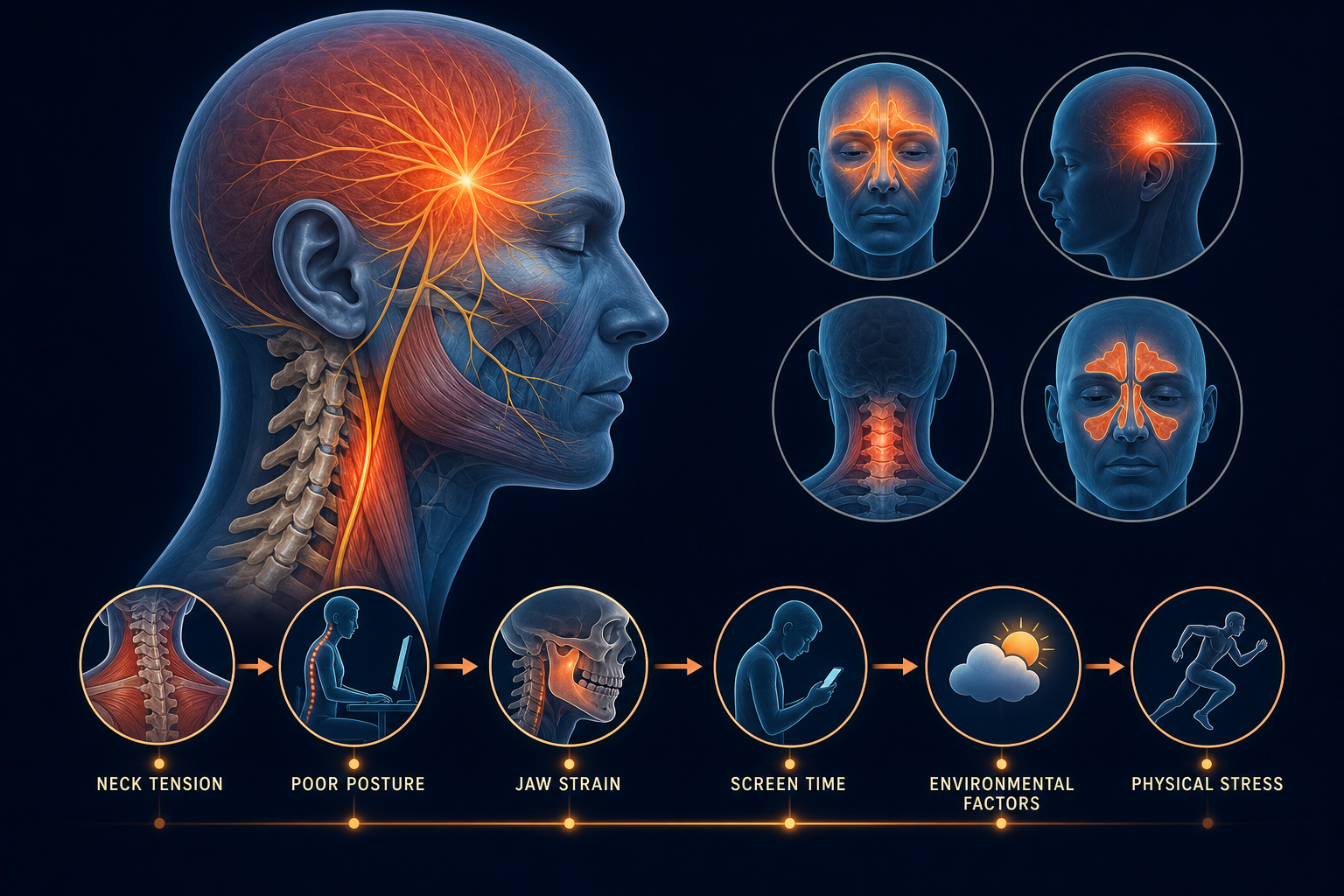
A chiropractor may focus on causes related to the musculoskeletal system, such as neck joint irritation, tight upper neck muscles, posture strain, and movement patterns that affect balance signals. This is sometimes discussed as cervicogenic dizziness. Vertigo can also come from inner-ear issues like benign paroxysmal positional vertigo (BPPV), which may respond to specific repositioning maneuvers and balance exercises.
What happens during a chiropractic visit for vertigo?
A visit typically starts with a detailed history of when symptoms occur, what triggers them, and any red flags. The provider may check neck range of motion, posture, balance, eye tracking, and coordination. Care may include gentle manual therapy, mobility work, and home exercises for posture and balance. If symptoms suggest a non-musculoskeletal cause, the provider should recommend medical evaluation.
When should you seek urgent care for vertigo symptoms?
Seek urgent medical evaluation if vertigo comes with new weakness, facial droop, trouble speaking, severe headache, fainting, chest pain, sudden hearing loss, or vision changes. Also get checked quickly if symptoms are new and intense, follow a head injury, or don’t improve. These signs can point to conditions that need immediate medical attention rather than conservative care alone.

Sources

  1. Benign Paroxysmal Positional Vertigo (BPPV) — National Institute on Deafness and Other Communication Disorders (NIDCD) (2024)
  2. Dizziness and Vertigo — National Institute of Neurological Disorders and Stroke (NINDS) (2023)
  3. Clinical Practice Guideline: Benign Paroxysmal Positional Vertigo (Update) — Otolaryngology–Head and Neck Surgery (AAO-HNSF guideline) (2017)

We use first-party cookies to run this site and understand how patients find us. Privacy