Natural Tips for Managing Meniere's Disease: Holistic Relief Through Upper Cervical Care
Meniere's disease is a chronic condition that disrupts balance and hearing, causing symptoms like vertigo, tinnitus, and hearing loss. These challenges can feel overwhelming, leading many to seek natural, non-invasive remedies. Among these, upper cervical care has emerged as a promising approach to managing Meniere's disease. This article provides insights into natural tips and strategies to alleviate symptoms while exploring the role of upper cervical adjustments in fostering relief.
Understanding the Symptoms and Impact of Meniere's Disease
Meniere's disease primarily affects the inner ear, which regulates both hearing and balance. The symptoms often come in sudden episodes, making daily life unpredictable and challenging. Key symptoms include:
Vertigo: Sudden spinning sensations lasting minutes to hours.
Tinnitus: A persistent ringing or buzzing sound.
Hearing Fluctuations: Hearing loss that may come and go.
Ear Fullness: A sensation of pressure or congestion in the affected ear.
These symptoms can lead to significant emotional stress, fatigue, and reduced quality of life.
Natural Approaches to Managing Meniere's Disease
If you’re seeking natural ways to manage Meniere's disease, consider the following holistic strategies:
1. Dietary Adjustments
Reducing salt intake can help minimize fluid buildup in the inner ear, a key factor in Meniere's disease. Opt for a low-sodium diet, avoid processed foods, and stay hydrated with water instead of caffeinated beverages.
2. Stress Management Techniques
Stress can exacerbate symptoms like vertigo and tinnitus. Incorporate practices such as:
Meditation and Deep Breathing: To calm the mind and reduce physical tension.
Yoga or Tai Chi: Gentle movements to improve balance and promote relaxation.
3. Regular Sleep Schedule
Good sleep hygiene helps regulate the body’s systems and can reduce the frequency of vertigo episodes. Aim for 7–9 hours of quality sleep each night.
4. Herbal Remedies
Some herbs may provide relief from symptoms, though scientific evidence is limited. Popular choices include:
Ginkgo Biloba: Known for its potential to improve blood circulation.
Ginger Root: Often used to alleviate nausea associated with vertigo.
5. Physical Activity
Engaging in balance-focused exercises, such as walking or swimming, can improve overall stability and coordination.
The Role of Upper Cervical Care in Holistic Management
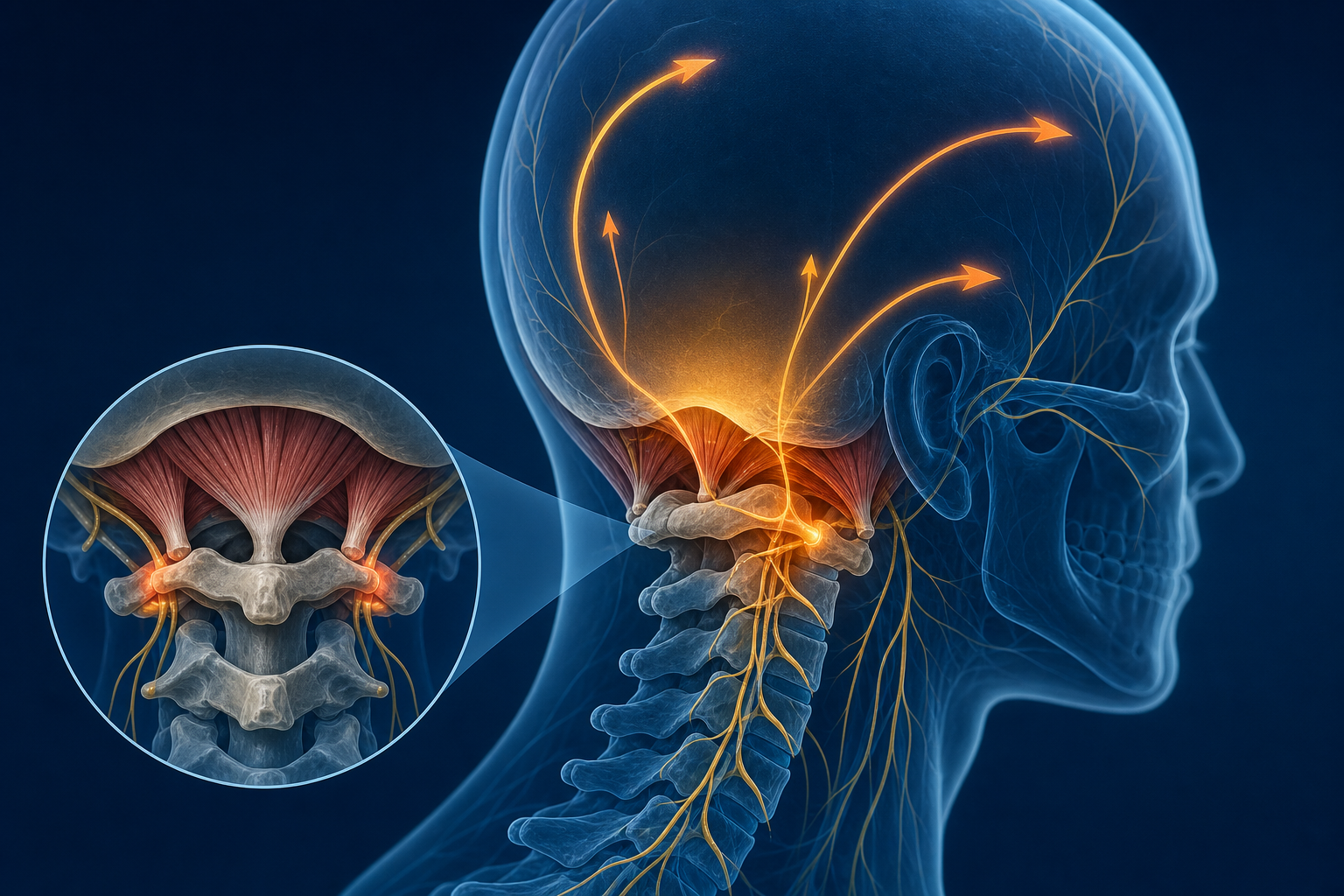
Among the various natural remedies, upper cervical care stands out as a targeted approach addressing potential root causes of Meniere's disease. This chiropractic specialty focuses on the alignment of the atlas (C1) and axis (C2) vertebrae in the upper neck. Misalignments in this area can interfere with nerve function and disrupt communication between the brainstem and inner ear.
How Upper Cervical Care Works
Upper cervical care involves precise, gentle adjustments to restore proper spinal alignment. This process can help:
Reduce pressure on nerves connected to the vestibular system.
Enhance blood flow and cerebrospinal fluid circulation.
Improve overall balance and hearing function.
Integrating Upper Cervical Care with Other Natural Remedies
Combining upper cervical care with other natural strategies can amplify results. For example:
Dietary Changes: A balanced, low-sodium diet supports the effects of upper cervical adjustments.
Stress Management: Reduced spinal tension complements stress-reduction techniques like meditation.
Physical Activity: Gentle movement can sustain the improvements achieved through chiropractic care.
Monitoring Progress and Staying Consistent
Holistic management of Meniere's disease requires consistency. Keep track of your symptoms, follow care plans, and adjust strategies as needed. Regular follow-ups with an upper cervical chiropractor can ensure sustained benefits.
A Path Toward Relief
Meniere's disease can be managed naturally with the right combination of strategies. By focusing on holistic approaches such as dietary adjustments, stress management, and upper cervical care, you can regain control over your symptoms and improve your quality of life. For those seeking a non-invasive, drug-free solution, upper cervical care offers a practical and effective option worth exploring.