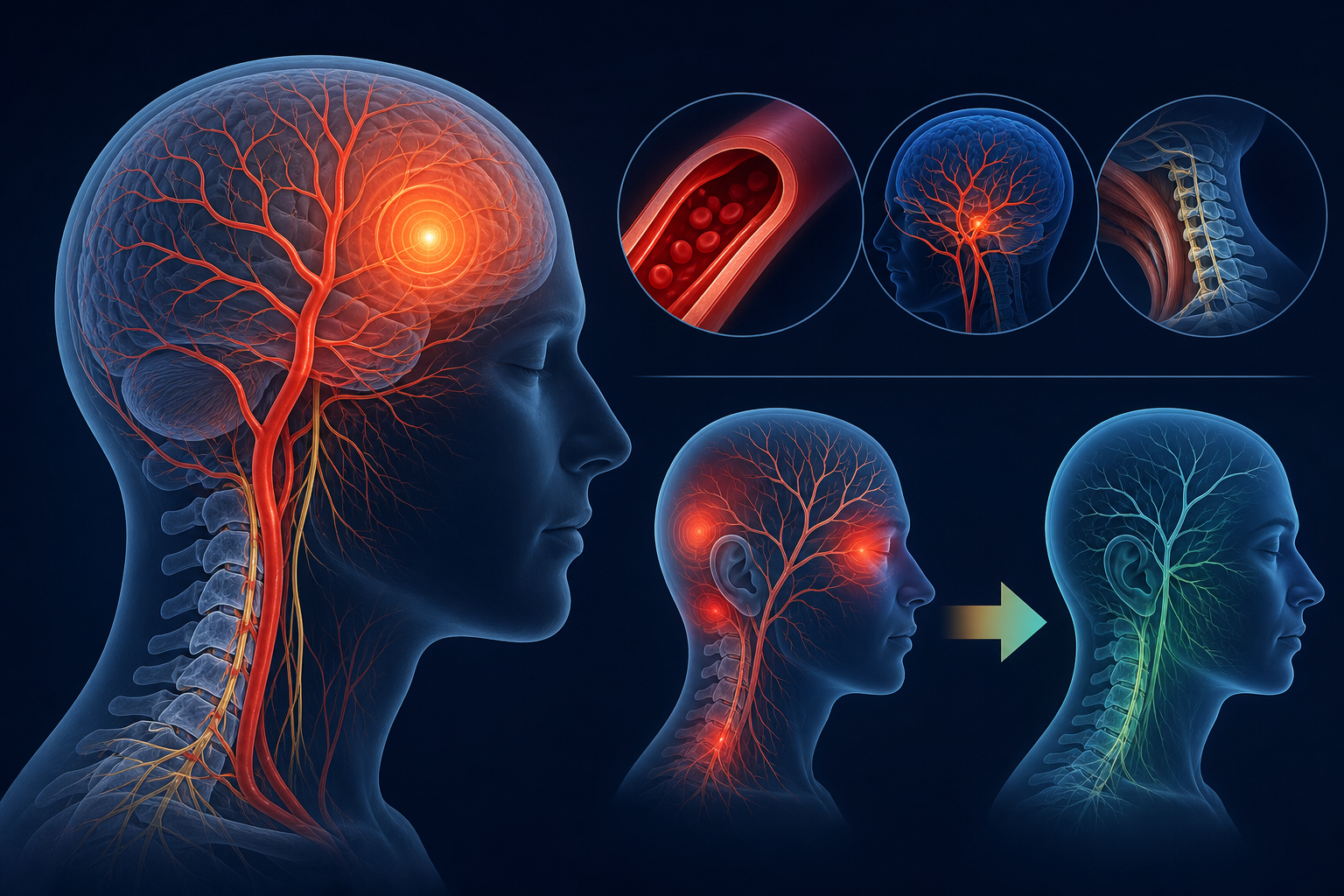
Understanding Headaches: Symptoms, Causes, and Treatment starts with one important idea: a headache is a symptom, not a single condition. The pain may feel like pressure across the forehead, aching at the base of the skull, throbbing on one side, or tightness that starts in the neck and spreads upward. Because different headache types can overlap, the safest next step is to look at the pattern, associated symptoms, and any warning signs rather than assuming all headaches have the same cause.
Many headaches are not dangerous and may be associated with stress, dehydration, posture, neck tension, poor sleep, jaw clenching, vision strain, or changes in routine. Others may need prompt medical attention, especially if they are sudden, severe, unusual for you, linked with neurological symptoms, or occur after an injury. If you are unsure whether your symptoms need care, it is reasonable to contact a qualified healthcare provider for guidance.
This article explains common headache symptoms, what may cause headaches every day, how migraine and tension headache symptoms may differ, why some people wake up with headaches, and how conservative care may help. If you are looking for evaluation options, Medximity can help you find a chiropractor near you or a physical therapist near you who works with headache-related neck pain, posture concerns, and musculoskeletal contributors.
What Is a Headache?
A headache is pain or discomfort involving the head, scalp, face, jaw, upper neck, or surrounding structures. The brain tissue itself does not feel pain in the way skin or muscles do, but the blood vessels, nerves, joints, muscles, connective tissues, sinuses, and membranes around the brain can contribute to head pain. This is one reason headaches can feel so different from person to person.
Some headaches are considered primary headaches, meaning the headache condition itself is the main issue. Migraine and tension-type headaches are common examples. Other headaches are secondary headaches, meaning the head pain is related to another problem, such as a neck injury, sinus inflammation, medication overuse, infection, high blood pressure, trauma, or another medical condition. Only a qualified clinician can determine what category best fits a specific person after a history and examination.
For patients, the practical question is usually not what label applies immediately. It is whether the headache is changing, recurring, interfering with daily life, or accompanied by symptoms that deserve medical evaluation. Tracking what the pain feels like, where it occurs, how long it lasts, and what makes it better or worse can help a provider narrow the possibilities.
Common Headache Symptoms
Headache symptoms can include more than pain. A headache pattern may involve pressure, tightness, throbbing, stabbing sensations, light sensitivity, sound sensitivity, nausea, neck stiffness, dizziness, visual changes, jaw soreness, scalp tenderness, or fatigue. Some people notice pain that worsens with movement, coughing, bending forward, bright light, or long periods at a computer.
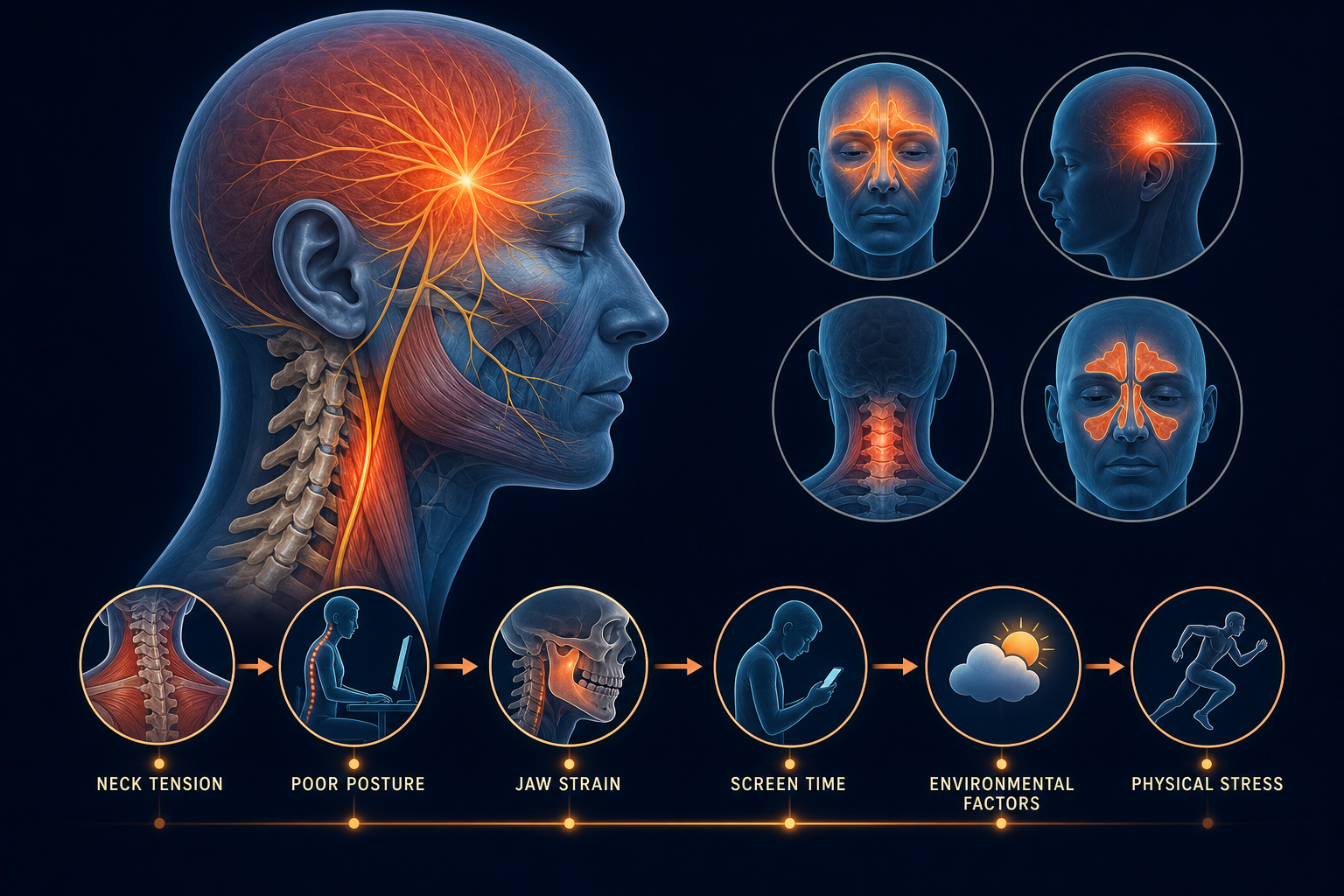
The location of pain can provide clues, though it is not enough by itself to diagnose the cause. Forehead pressure may be associated with tension, sinus congestion, eye strain, or migraine in some cases. Pain at the temples can occur with tension patterns, jaw dysfunction, migraine, or other conditions. Pain at the base of the skull may be associated with upper neck joints, muscles, or nerve irritation. One-sided throbbing pain with nausea or light sensitivity may suggest migraine for some patients, but a provider should evaluate the full symptom picture.
Because symptoms overlap, it is helpful to describe the headache in plain detail. For example: Does it build gradually or start suddenly? Is it dull, tight, sharp, or pulsing? Does it happen every morning, after work, after exercise, or with stress? Does it occur with neck pain, visual symptoms, fever, weakness, confusion, or a recent fall? These details matter.
Migraine vs Tension Headache Symptoms
One of the most common patient questions is how to compare migraine vs tension headache symptoms. While the two can overlap, they often have different patterns.
Tension-Type Headache Symptoms
A tension-type headache is often described as a tight band, pressure, or aching on both sides of the head. It may involve the forehead, temples, scalp, neck, or shoulders. The pain is commonly mild to moderate, though it can still be very disruptive. Some people can continue daily activities, but concentration may be harder. Nausea is less typical with tension-type headaches, and light or sound sensitivity, if present, is often milder than in migraine.
Many tension-type headaches are associated with muscle tension, stress, prolonged sitting, screen use, jaw clenching, poor sleep, or neck and shoulder strain. Natural treatment for tension headaches often focuses on identifying these contributors and reducing load on the muscles and joints involved. Conservative options may include posture changes, stretching, strengthening, manual therapy, hydration habits, ergonomic adjustments, relaxation strategies, and guided exercise.
Migraine Symptoms
Migraine is a neurological condition that can cause moderate to severe head pain, often with symptoms beyond pain. Some people experience throbbing or pulsing pain, nausea, vomiting, light sensitivity, sound sensitivity, smell sensitivity, dizziness, fatigue, or difficulty thinking clearly. Migraine pain may be one-sided, but it can also affect both sides.
Some migraine attacks include aura, which may involve visual changes such as flashing lights, zigzag lines, blind spots, tingling, or speech difficulty. Aura-like symptoms should be discussed with a clinician, especially if they are new, sudden, prolonged, or different from prior episodes. Migraine management may involve lifestyle strategies, trigger identification, medical evaluation, and, when appropriate, conservative care for coexisting neck tension or movement limitations.
Can Neck Problems Trigger or Worsen Headaches?
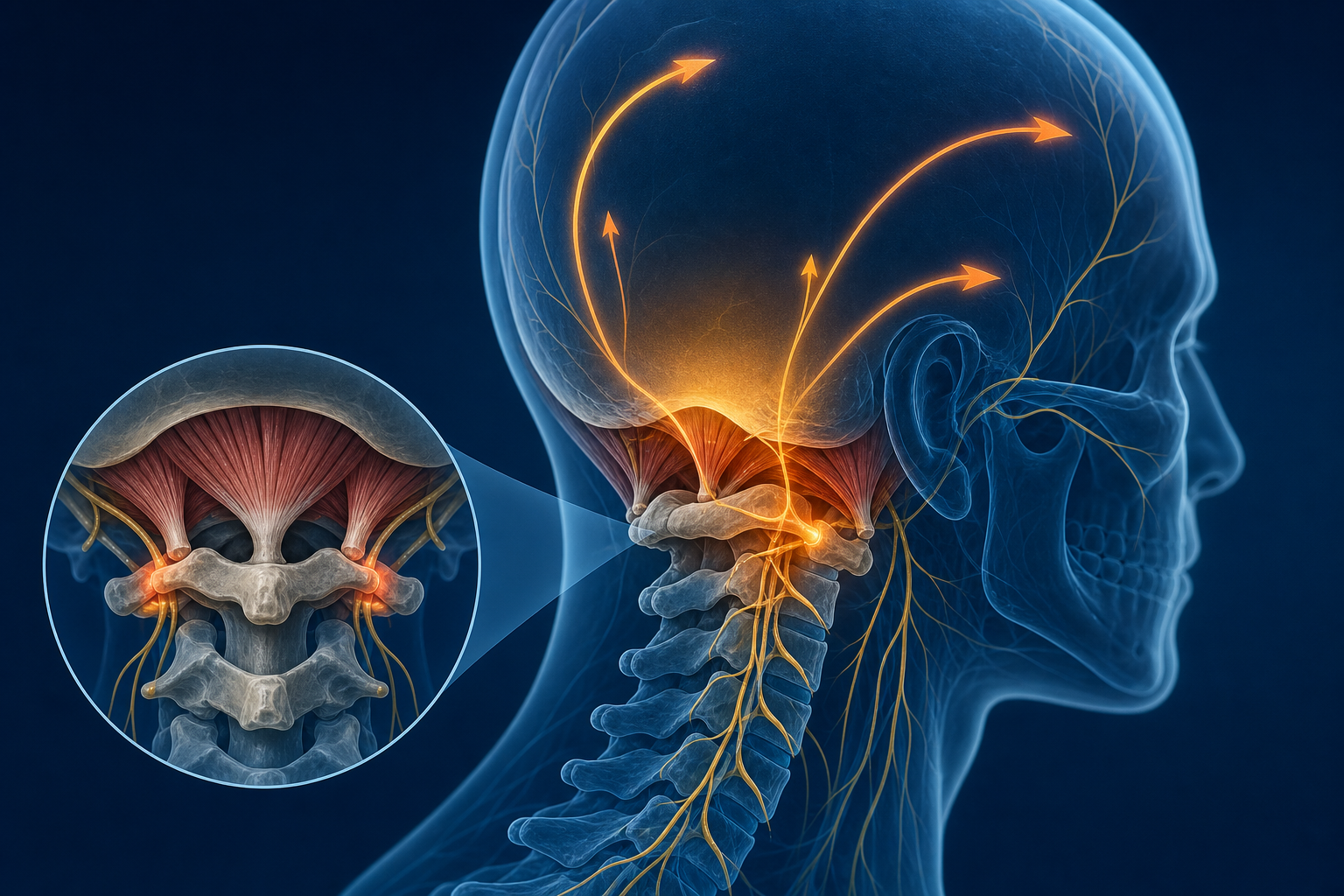
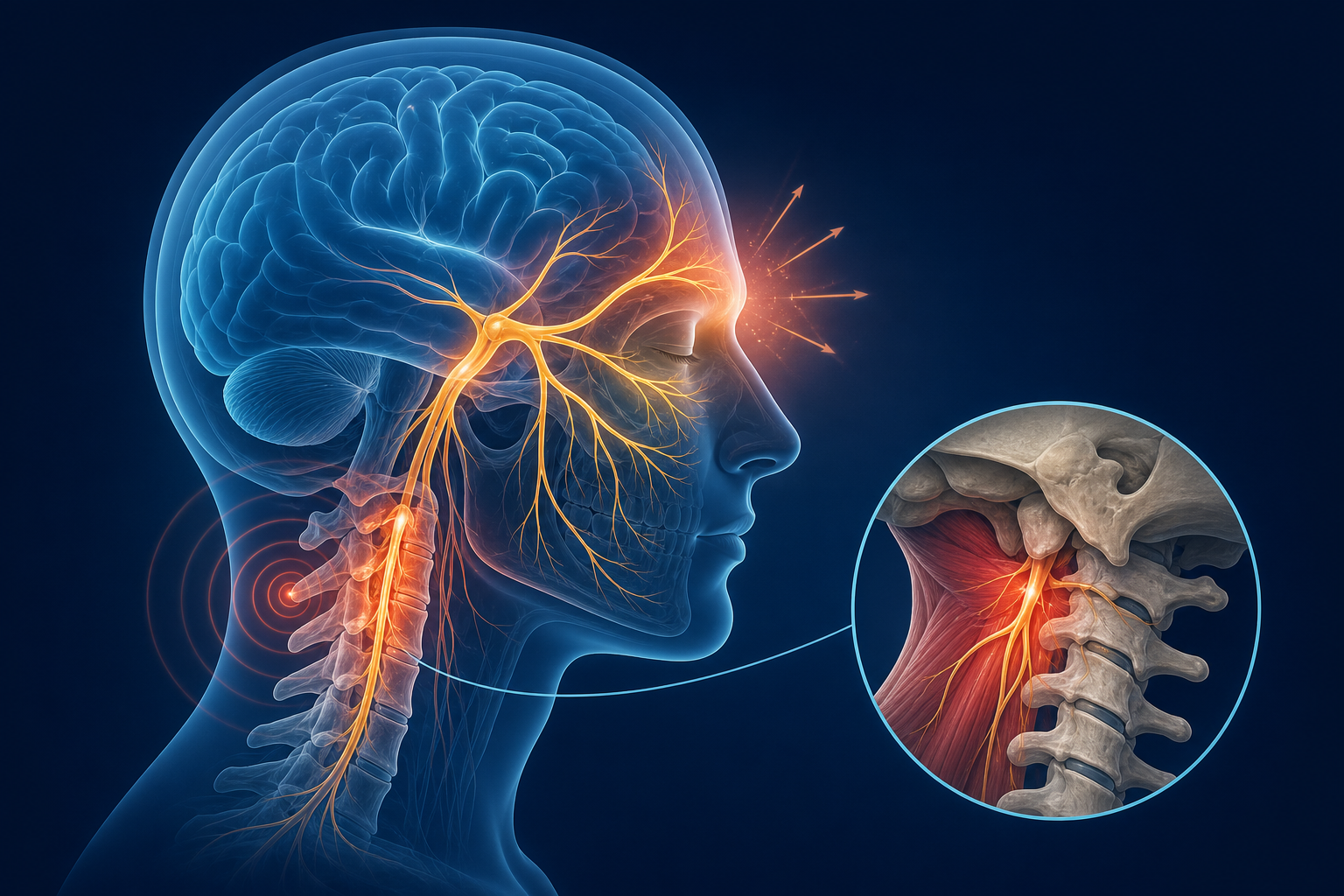
For some patients, neck stiffness, joint irritation, and muscle tension may contribute to headache symptoms. This is sometimes discussed as a cervicogenic headache pattern, meaning the headache is associated with structures in the cervical spine. These headaches may start in the upper neck or base of the skull and spread to the back of the head, temples, forehead, or behind the eye. They may worsen with certain neck positions or after prolonged sitting.
A headache with neck pain and stiffness should be evaluated in context. It may be related to posture, muscle strain, arthritis, whiplash, disc-related irritation, or other musculoskeletal factors. However, neck stiffness with fever, confusion, rash, severe sudden headache, or neurological symptoms can be a warning sign and needs urgent medical attention.
What Causes Headaches Every Day?
Daily headaches can be frustrating and concerning. If you are wondering what causes headaches every day, the answer depends on the pattern, medical history, medications, sleep, stress, hydration, caffeine use, posture, and other symptoms. Daily or near-daily headaches should be checked by a healthcare provider, especially when they are new, worsening, or interfering with normal activities.
Possible contributors to frequent headaches may include chronic tension-type headache, migraine, medication overuse headache, sleep apnea or poor sleep quality, dehydration, skipped meals, caffeine changes, eye strain, jaw clenching, neck dysfunction, sinus or allergy issues, blood pressure changes, stress, hormonal changes, or other medical conditions. Some causes are relatively straightforward to address; others require a more detailed medical workup.
A provider may ask about your headache frequency, intensity, triggers, sleep, work setup, exercise, prior injuries, medication use, and health history. They may also perform a neurological screening, neck and shoulder assessment, vision or referral screening, and other tests when indicated. The goal is not only to reduce symptoms but also to identify whether the headache pattern fits a benign musculoskeletal issue or something that needs medical management.
Headache With Neck Pain and Stiffness
A headache with neck pain and stiffness is common among people who sit for long periods, work at computers, drive frequently, lift repetitively, sleep in awkward positions, or recover from a car accident or sports injury. The upper cervical joints, deep neck muscles, suboccipital muscles at the base of the skull, and nerves in the neck can all influence head pain patterns.
Patients often describe pain that begins at the base of the skull and travels upward. Others feel pressure around the temples or behind the eyes after a day of poor posture or screen use. Neck movement may feel restricted, and turning the head may increase discomfort. Some people also notice shoulder tightness, upper back stiffness, jaw tension, or scalp tenderness.
Conservative care may help some patients with neck-related headaches, especially when symptoms are associated with mobility limitations, muscle tension, posture, or work habits. A chiropractor may assess spinal joint motion, muscle tone, posture, and movement patterns. A physical therapist may evaluate strength, endurance, motor control, ergonomics, and functional movement. Treatment plans vary but may include manual therapy, targeted exercise, mobility work, posture training, and home strategies.
For more background on related symptoms, you can read Medximity's guide to neck pain and stiffness.
Pain in Head When Bending Over
Pain in the head when bending over can occur for several reasons. Some people feel pressure due to sinus congestion, especially when leaning forward. Others may notice increased head pressure with migraine, tension patterns, dehydration, exertion, coughing, or changes in blood pressure. In some cases, bending may stress irritated neck structures and reproduce pain toward the head.
The timing and associated symptoms are important. If head pain with bending is mild, temporary, and linked with congestion or muscle tension, a provider may recommend conservative observation or care depending on the overall picture. If it is sudden, severe, new, accompanied by vision changes, weakness, fainting, confusion, fever, chest pain, shortness of breath, or occurs after trauma, it should be medically evaluated promptly.
Because this symptom can have multiple explanations, avoid assuming it is only sinus pressure or only a neck issue. A healthcare provider can help determine whether further evaluation is appropriate.
Is It Normal to Wake Up With Headaches?
Occasionally waking up with a headache can happen after poor sleep, dehydration, alcohol use, unusual stress, jaw clenching, a different pillow, or sleeping in a strained position. But if you regularly wake up with headaches, it is worth discussing with a healthcare provider. Morning headaches may be associated with sleep quality, snoring or sleep apnea, bruxism or teeth grinding, medication patterns, caffeine withdrawal, high blood pressure, migraine, neck positioning, or other factors.
When a morning headache is linked with neck stiffness, pillow position and sleep posture may play a role. For example, a pillow that holds the neck too high, too low, or rotated for long periods can increase strain on the upper cervical region. That does not mean the pillow is the only cause, but sleep ergonomics can be part of the conversation.
Patients may benefit from tracking morning headaches for two to three weeks. Helpful notes include bedtime, wake time, sleep interruptions, caffeine use, alcohol use, hydration, stress level, jaw soreness, neck stiffness, and whether the headache improves after getting up. This information can help a provider see patterns that are easy to miss day to day.
How Long Does a Tension Headache Last?
Many patients ask, how long does a tension headache last? A tension-type headache may last from 30 minutes to several hours, and some can persist for days. Frequency varies widely. Some people have occasional tension headaches during stressful weeks, while others experience recurrent or chronic patterns. If headaches are frequent, lasting longer than usual, or changing over time, they should be discussed with a healthcare professional.
The duration often depends on contributing factors. A short episode may improve after rest, hydration, food, movement, or a break from screen work. A longer episode may continue if muscle tension, sleep disruption, stress, jaw clenching, or neck irritation remains active. For recurrent headaches, a treatment plan may focus less on one-time relief and more on reducing the frequency and intensity of future episodes.
Conservative treatment may include stretching the neck and shoulders, strengthening postural muscles, improving workstation setup, using heat or relaxation techniques, addressing breathing mechanics, and building movement breaks into the day. These approaches may help some patients, but persistent headaches should not be ignored.
Posture Headaches: How Sitting and Screen Use Can Contribute
Posture does not cause every headache, and people should not feel blamed for symptoms related to modern work. Still, sustained positions can influence muscle activity, joint loading, breathing patterns, and eye strain. A common pattern is prolonged forward head posture, rounded shoulders, and elevated shoulder tension while using a laptop or phone. Over time, this may increase strain in the upper neck and shoulder muscles.
If you are wondering how to relieve posture headaches, the answer is usually not to sit perfectly still in an ideal position. The body generally tolerates varied movement better than prolonged rigidity. Small changes repeated consistently may be more helpful than trying to maintain perfect posture all day.
Practical Strategies That May Help Posture-Related Headaches
- Change position often: Take brief movement breaks every 30 to 60 minutes when possible.
- Bring the screen closer to eye level: Avoid looking sharply downward at a laptop or phone for long periods.
- Relax the shoulders: Many people unknowingly hold the shoulders elevated during focused work.
- Use the chair back: Support through the mid-back can reduce neck and shoulder workload.
- Practice gentle neck mobility: Slow, comfortable movement may reduce stiffness for some people.
- Build endurance: Deep neck flexor and upper back strengthening may help some patients tolerate desk work better.
For a deeper look at posture-related symptoms, see Medximity's resource on posture, neck pain, and headaches.
When Should Headaches Be Checked by a Doctor?
Many headaches are manageable, but some require medical evaluation. If you are asking when should headaches be checked by doctor, the answer depends on severity, timing, risk factors, and associated symptoms. When in doubt, contacting a healthcare professional is appropriate.
Seek urgent medical care for red flags
Prompt medical attention is important for a sudden, severe headache; the worst headache of your life; headache after head injury; headache with weakness, numbness, facial droop, confusion, fainting, seizure, trouble speaking, or vision loss; headache with fever, stiff neck, rash, or persistent vomiting; new headache during pregnancy or shortly after delivery; headache with chest pain or shortness of breath; or a headache that is dramatically different from your usual pattern.
These signs do not automatically mean something dangerous is happening, but they are important enough to be evaluated quickly. Conservative care providers such as chiropractors and physical therapists also screen for red flags and may refer patients for medical evaluation when symptoms fall outside the scope of musculoskeletal care.
Schedule a provider visit for recurring or changing headaches
You should also consider a non-emergency appointment if headaches are happening more often, lasting longer, waking you from sleep, affecting work or school, requiring frequent medication, occurring with neck pain that is not improving, or starting after a new injury. A clinician can help determine whether conservative care is appropriate or whether additional medical workup is needed.
Conservative Headache Treatment Options
Headache treatment depends on the type of headache, the cause, and the patient. In Medximity's conservative care setting, treatment may include chiropractic care, physical therapy, rehabilitation, exercise, ergonomics, lifestyle education, and self-management strategies. These approaches are not a substitute for emergency care or medical evaluation when warning signs are present, but they may help many patients whose headaches are associated with neck dysfunction, muscle tension, posture, or movement patterns.
Chiropractic Care for Headaches
Chiropractic care for headaches may include spinal manipulation or mobilization, soft tissue therapy, posture assessment, ergonomic guidance, and home exercises. For some patients with cervicogenic or tension-type headache patterns, improving mobility in the neck and upper back and reducing muscle tension may help with symptom management. The approach should be individualized and based on examination findings.
A chiropractor should ask about your headache history, screen for red flags, evaluate neck movement, assess posture and muscle tenderness, and explain whether your symptoms appear appropriate for conservative care. Treatment should be comfortable, consent-based, and adjusted to your age, preferences, medical history, and symptom irritability.
If you are searching for the best chiropractor for headaches near me, look for a provider who evaluates the neck and shoulders carefully, communicates clearly, gives realistic expectations, and coordinates with medical professionals when needed. Medximity makes it easier to compare local options through the chiropractor directory.
Physical Therapy for Headaches and Neck Pain
Physical therapy for headaches and neck pain may focus on restoring mobility, improving strength and endurance, reducing sensitivity, and helping you return to normal activities. A physical therapist may assess neck range of motion, upper back mobility, shoulder strength, breathing mechanics, posture, balance, jaw-related contributors, and the way symptoms respond to specific movements.
Treatment may include manual therapy, therapeutic exercise, deep neck flexor training, scapular strengthening, stretching, nerve mobility work when appropriate, ergonomic coaching, and a home program. For patients whose headaches flare with desk work, driving, or lifting, therapy may also include practical changes to daily movement.
Physical therapy is not a one-size-fits-all solution. The best plan depends on whether the headache appears related to muscle tension, joint mobility, whiplash history, posture endurance, vestibular symptoms, or another pattern. You can explore local options through Medximity's physical therapy provider directory.
Natural Treatment for Tension Headaches
Natural treatment for tension headaches usually means non-pharmacological strategies that may reduce triggers or improve the body's tolerance to daily stress. These may include hydration, consistent meals, sleep routine, gentle exercise, stretching, heat, relaxation breathing, stress management, ergonomic adjustments, and reducing prolonged static posture. Some patients also benefit from guided manual therapy or rehabilitation when neck and shoulder tension is a consistent part of the pattern.
Natural does not always mean risk-free, and it should not replace medical care when headaches are severe, unusual, or linked with warning signs. However, conservative strategies can be useful because they target everyday factors that often contribute to recurrent tension-type headaches.
Headache Treatment Without Medication Near Me
If you are searching for headache treatment without medication near me, conservative care may be a reasonable starting point when symptoms appear musculoskeletal and no red flags are present. Chiropractors and physical therapists often help patients evaluate posture, neck mechanics, muscle tension, work habits, and movement patterns that may contribute to headaches.
A medication-free approach does not mean ignoring medical care. It means exploring non-drug options that may fit your needs while staying alert to symptoms that require medical evaluation. Many patients use conservative care alongside guidance from a primary care clinician, neurologist, dentist, eye doctor, or other professional depending on the suspected contributors.
You can also learn more about related care options in Medximity's overview of chiropractic adjustment and physical therapy treatment.
What to Expect at a Headache Evaluation
A headache evaluation should begin with a careful history. The provider may ask when the headaches started, where the pain is located, how often it occurs, what it feels like, how severe it is, how long it lasts, and what makes it better or worse. They may ask about neck pain, dizziness, nausea, light sensitivity, sleep, stress, caffeine, hydration, jaw clenching, vision changes, medications, prior injuries, and medical conditions.
The examination may include posture observation, neck and shoulder range of motion, muscle and joint assessment, neurological screening, strength testing, reflexes, sensation, balance, and movement testing. Not every patient needs imaging. Many headache patterns can be evaluated clinically, but imaging or referral may be recommended when red flags, trauma, neurological findings, or unusual symptoms are present.
A good provider should explain what they find in plain language. You should understand which factors may be contributing to your symptoms, what treatment options are reasonable, what signs would require urgent care, and how progress will be measured. For conservative care, progress may be tracked by headache frequency, intensity, duration, medication reliance, neck mobility, sleep quality, work tolerance, and return to normal activities.
Questions to Ask a Chiropractor or Physical Therapist About Headaches
Choosing a provider can feel easier when you know what to ask. If you are comparing conservative care options for headaches, consider asking:
- What type of headache pattern do my symptoms most closely resemble, and what makes you think so?
- Do I have any symptoms that require medical referral or additional evaluation?
- How might my neck, shoulders, posture, jaw, or work habits be contributing?
- What treatments do you recommend, and what are the risks and alternatives?
- What can I do at home between visits?
- How will we measure progress?
- When would you refer me to another healthcare professional?
The right provider should welcome questions and avoid promising a cure. Headache care is often a process of identifying patterns, reducing contributing factors, and adjusting the plan based on response.
Self-Care Strategies That May Help Some Headaches
Self-care can be helpful for mild, familiar headaches that do not involve warning signs. The goal is not to push through severe symptoms but to reduce common triggers and support recovery. If a headache is sudden, severe, unusual, or linked with neurological or systemic symptoms, seek medical care instead of relying on home strategies.
Hydration and meals
Dehydration and skipped meals may contribute to headaches for some people. Drinking water regularly and eating balanced meals at consistent times may help reduce headache frequency in certain patterns. Caffeine should be consistent rather than highly variable, because sudden increases or decreases can trigger headaches in some individuals.
Sleep routine
Sleep disruption is associated with many headache patterns. A consistent sleep and wake schedule, a supportive pillow, reduced screen brightness before bed, and a comfortable sleep position may help some patients. If morning headaches occur with loud snoring, gasping, or daytime sleepiness, discuss possible sleep-related causes with a healthcare provider.
Movement breaks
Short movement breaks can reduce neck and shoulder loading during desk work. Gentle chin tucks, shoulder rolls, thoracic extension over a chair back, walking, and relaxed breathing may help some people. Movements should feel comfortable; forcing painful stretches can irritate symptoms.
Heat, relaxation, and breathing
Heat applied to the neck and shoulders may reduce muscle tension for some tension-type headaches. Slow breathing and relaxation techniques may also help when stress and muscle guarding are part of the pattern. These strategies are supportive, not diagnostic, and should be used with appropriate caution.
How Medximity Helps Patients Find Headache Care
Medximity is designed to help patients find conservative healthcare providers, compare options, and take the next step toward evaluation. Whether you are looking for a chiropractor, physical therapist, or another conservative care professional, a provider directory can help you review services, locations, and areas of focus before scheduling.
Headaches can be simple, complex, or somewhere in between. A patient with occasional posture-related tension may need a different plan than someone with migraine symptoms, daily headaches, recent whiplash, jaw pain, or morning headaches. The value of an evaluation is that it helps match care to the pattern rather than guessing.
If your symptoms are recurring, changing, or interfering with life, consider finding a local provider through Medximity. You can start with Medximity's headache condition resource or search directly for conservative care near you.
Key Takeaways
- Headaches can come from many sources, including migraine, tension patterns, neck dysfunction, sleep issues, dehydration, sinus pressure, jaw tension, and other medical conditions.
- Daily headaches, morning headaches, or headaches with neck pain should be evaluated if they are recurring, worsening, or interfering with daily life.
- Seek urgent medical care for sudden severe headache, neurological symptoms, fever with stiff neck, headache after injury, or a headache that feels dramatically different from your usual pattern.
- Chiropractic care and physical therapy may help some patients when headaches are associated with neck stiffness, posture, muscle tension, or movement limitations.
- Conservative treatment should include a careful history, red-flag screening, an individualized plan, and realistic expectations.
Frequently Asked Questions
What causes headaches every day?
Daily headaches may be associated with chronic tension-type headache, migraine, medication overuse, poor sleep, stress, dehydration, caffeine changes, jaw clenching, neck dysfunction, eye strain, sinus issues, or other medical conditions. Because daily headaches can have many causes, they should be discussed with a healthcare provider.
Is a headache with neck pain and stiffness serious?
It can be related to muscle tension, posture, whiplash, or cervical joint irritation, but context matters. A headache with neck stiffness plus fever, confusion, rash, neurological symptoms, or sudden severe pain should be evaluated urgently.
Why do I have pain in my head when bending over?
Head pain when bending over may occur with sinus pressure, migraine, dehydration, exertion, blood pressure changes, or neck-related irritation. If it is new, severe, sudden, or associated with other concerning symptoms, seek medical evaluation.
Is it normal to wake up with headaches?
Occasional morning headaches can happen after poor sleep, dehydration, alcohol use, stress, jaw clenching, or awkward sleep posture. Regular morning headaches should be checked, especially if they occur with snoring, daytime sleepiness, high blood pressure concerns, or worsening symptoms.
How long does a tension headache last?
A tension-type headache may last from 30 minutes to several hours, and some can persist for days. If headaches are frequent, unusually long, or changing, a provider can help evaluate possible causes and treatment options.
Can chiropractic care help headaches?
Chiropractic care may help some patients whose headaches are associated with neck stiffness, muscle tension, posture, or cervicogenic patterns. A chiropractor should screen for red flags and explain whether your symptoms appear appropriate for conservative care.
Can physical therapy help headaches and neck pain?
Physical therapy may help when headaches are linked with neck mobility, muscle endurance, posture, shoulder mechanics, or movement sensitivity. Treatment may include manual therapy, exercise, ergonomic guidance, and a home program tailored to the patient.
When should headaches be checked by a doctor?
Headaches should be checked promptly if they are sudden and severe, follow an injury, include neurological symptoms, occur with fever or stiff neck, wake you from sleep repeatedly, or are new, worsening, or different from your usual pattern.