If you are searching for physical therapy in Fountain Inn SC, you may be dealing with pain that is limiting your day, an injury that is not improving as expected, or a movement problem that keeps coming back. Physical therapy is a conservative healthcare service focused on improving movement, strength, balance, flexibility, and function. For many people, it may help with lower back pain, knee pain, shoulder pain, walking difficulty, sports injuries, work-related strain, and recovery after certain medical events or procedures.
The right physical therapist can evaluate how you move, identify factors that may be contributing to symptoms, and build a treatment plan around your goals. If you are ready to compare care options, you can start with Medximity’s directory for physical therapy providers near Fountain Inn, SC.
What Is Physical Therapy?
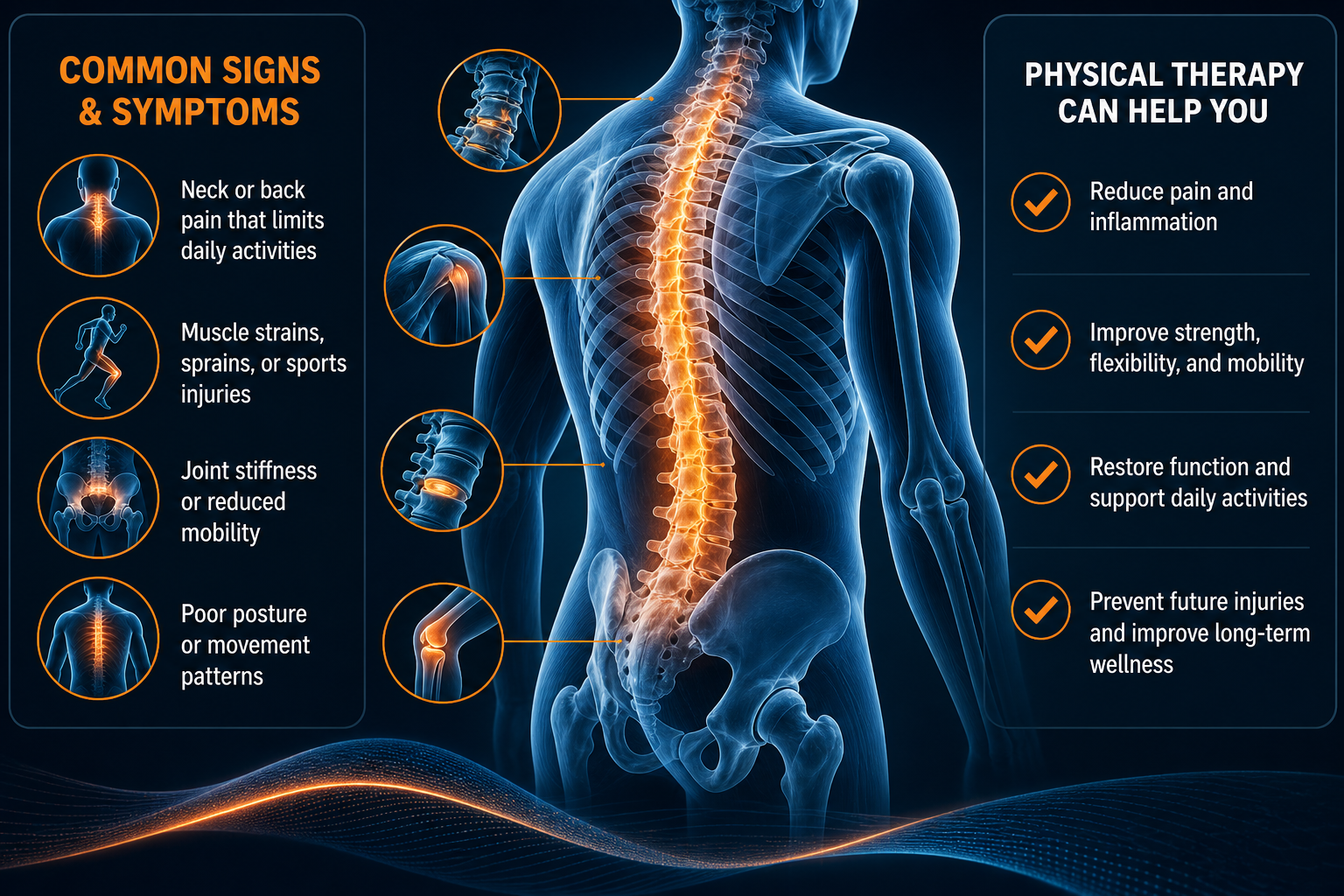
Physical therapy, often called PT, is a rehabilitation-focused healthcare service that uses movement, therapeutic exercise, hands-on techniques, education, and functional training to help people move better and participate more comfortably in daily life. A physical therapist may assess your strength, joint mobility, posture, gait, balance, coordination, and tolerance for activity.
PT does not usually focus on one isolated symptom alone. For example, knee pain may involve hip strength, foot mechanics, walking patterns, recent changes in activity, or stiffness after an injury. Shoulder pain may involve the neck, shoulder blade movement, rotator cuff strength, or repeated overhead activity. Lower back pain may be associated with mobility limitations, core endurance, work posture, lifting patterns, or deconditioning. A physical therapist uses this information to design a plan that fits your condition, lifestyle, and goals.
Physical therapy is not a guarantee that pain will go away, and not every condition responds the same way. However, research and clinical practice suggest that conservative rehabilitation may help many patients improve function, reduce activity limitations, and build confidence with movement when it is appropriately matched to their needs.
When to See a Physical Therapist
Knowing when to see a physical therapist can be difficult, especially if you are hoping symptoms will improve with rest. Minor soreness after unfamiliar activity may settle on its own, but pain that lingers, worsens, or interferes with normal movement deserves attention from a qualified provider.
Consider scheduling a PT visit if you notice:
- Pain when walking after injury, especially if you are limping, avoiding weight on one side, or changing how you move.
- You cannot move your shoulder without pain, or reaching, lifting, dressing, or sleeping on that side has become difficult.
- Lower back pain that returns with sitting, bending, lifting, or standing for longer periods.
- Knee pain that limits stairs, squatting, running, walking, or getting up from a chair.
- Neck pain, headaches, or upper back tightness associated with posture, work setup, or recent strain.
- Loss of balance, reduced confidence walking, or fear of falling.
- Weakness, stiffness, or reduced mobility after a period of inactivity or illness.
- Symptoms that improve briefly but keep coming back with the same activities.
You should seek urgent medical attention for red flags such as severe or worsening pain after major trauma, new loss of bowel or bladder control, sudden weakness, chest pain, trouble breathing, signs of stroke, fever with severe spine pain, or symptoms that feel medically urgent. For non-emergency movement and pain concerns, a physical therapist can help determine whether PT is appropriate or whether another medical evaluation may be needed.
For a broader overview, Medximity also offers a patient guide on when to see a physical therapist.
Common Reasons People Search for Physical Therapy Near Fountain Inn and Greenville County
Fountain Inn sits in a growing area of Greenville County, where patients may be balancing work, commuting, family life, school athletics, recreation, and physically demanding jobs. People searching for physical therapy near Greenville County SC often want practical help with pain and mobility issues that affect everyday function.
Lower back pain
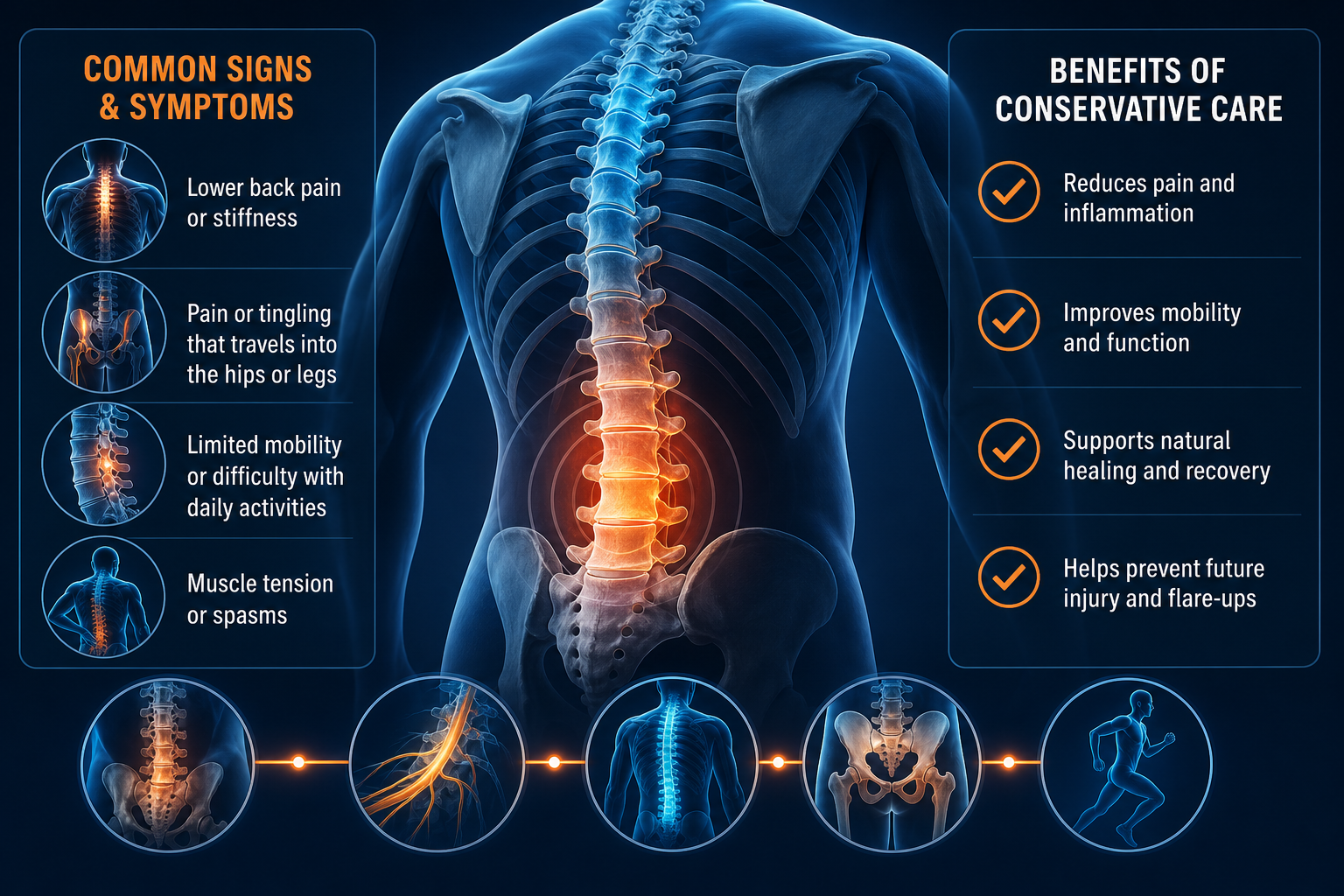
Lower back pain is one of the most common reasons people consider PT. A physical therapist may look at spinal mobility, hip movement, core endurance, lifting mechanics, walking tolerance, and how symptoms behave during different positions. Treatment for lower back pain physical therapy may include graded exercise, mobility work, stabilization training, education on activity modification, and strategies to return to normal movement without unnecessary fear.
PT may be especially useful when back pain is recurrent or when a person has started avoiding movement because they worry about making symptoms worse. A therapist can often help patients understand which movements are tolerable, which activities may need temporary modification, and how to rebuild capacity gradually. You can read more in Medximity’s guide to physical therapy for lower back pain.
Knee pain
Many patients ask how to fix knee pain naturally because they want conservative options before considering more invasive approaches. While no article can diagnose the cause of knee pain, PT may help address contributing factors such as hip weakness, limited ankle mobility, poor load tolerance, muscle imbalance, or changes in training volume. A plan may include strengthening, flexibility work, balance drills, walking or running assessment, and education about pacing activity.
Knee pain can come from many sources, including irritation around the kneecap, tendon overload, ligament sprain, meniscus-related symptoms, arthritis-related changes, or compensation after another injury. A physical therapist can screen how the knee responds to movement and help guide next steps. Medximity’s knee pain resource offers additional patient-friendly information.
Shoulder pain
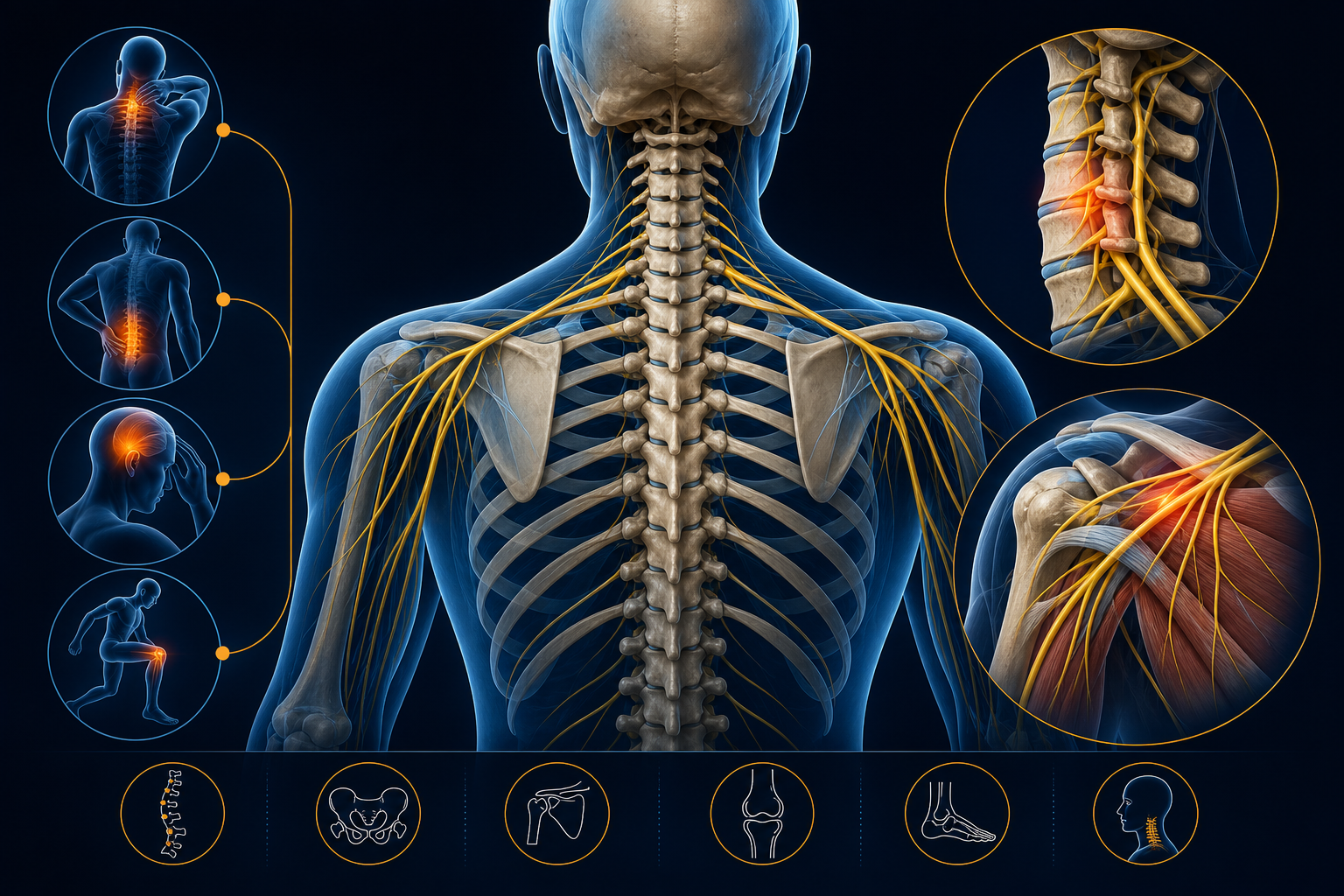
If you feel like you cannot move your shoulder without pain, PT may help identify whether stiffness, weakness, shoulder blade mechanics, neck involvement, or irritated tissues may be contributing. Conservative shoulder pain treatment without surgery may include range-of-motion exercises, rotator cuff and scapular strengthening, posture and workstation education, and gradual return to reaching or lifting.
Shoulder symptoms can vary widely. Some people feel pain reaching overhead; others feel it when putting on a jacket, lifting groceries, throwing, or sleeping. A physical therapist can help determine which activities are currently provoking symptoms and how to modify them while rebuilding shoulder tolerance. For more background, see Medximity’s guide to shoulder pain.
Walking problems after injury
Pain when walking after injury is a common sign that the body has not fully returned to normal load tolerance. This can happen after ankle sprains, knee injuries, hip pain, low back flare-ups, falls, or muscle strains. PT may include gait assessment, balance work, lower-body strengthening, mobility exercises, and a progressive plan for returning to walking, stairs, work tasks, or recreation.
It is common for people to compensate after an injury. A limp may protect the painful area at first, but over time it can place extra stress on the opposite leg, hips, or back. A therapist can help you understand whether your walking pattern is improving and what exercises may support a safer return to normal activity.
What Happens at a First Physical Therapy Visit?
If you are wondering what happens at first physical therapy visit, the appointment usually begins with a conversation. Your therapist will ask about your symptoms, how they started, what makes them better or worse, your medical history, your daily activities, and what you want to be able to do again. Goals matter. For one patient, success may mean walking around downtown Fountain Inn without pain. For another, it may mean returning to a warehouse job, gardening, golf, pickleball, running, or lifting a child comfortably.
Your evaluation may include:
- Observation of posture, walking, squatting, reaching, or other relevant movements.
- Range-of-motion testing to see how joints move.
- Strength testing for muscles related to your symptoms.
- Balance, coordination, or functional tests when appropriate.
- Gentle hands-on assessment of joint or soft tissue mobility.
- Discussion of findings and a proposed care plan.
Your first visit may also include treatment, such as introductory exercises, mobility work, manual therapy, or education about how to modify activities at home. You may receive a home exercise plan. The plan should be clear enough that you understand what to do, how often to do it, and what symptoms would mean you should stop and contact your provider.
For a more detailed walkthrough, visit Medximity’s article on what to expect at your first physical therapy visit.
What Types of Treatment Might a Physical Therapist Use?
Physical therapy is not one single treatment. Your plan may change as your symptoms and abilities change. A provider may use several conservative strategies depending on your evaluation.
Therapeutic exercise
Therapeutic exercise is often central to PT. It may include strengthening, stretching, mobility drills, balance work, endurance training, or coordination exercises. Exercises are usually progressed over time so your body can adapt gradually.
Manual therapy
Manual therapy may include hands-on techniques to address joint mobility, muscle tone, or soft tissue sensitivity. It is commonly paired with exercise and education rather than used as a stand-alone solution.
Movement retraining
A therapist may coach you through walking, lifting, reaching, squatting, stair climbing, or sport-specific movement. The goal is to improve control, confidence, and efficiency during the tasks that matter most to you.
Education and self-management
Good PT should help you understand your condition in plain language. Education may cover pacing, ergonomics, sleep positions, warm-ups, gradual return to activity, and ways to avoid repeated flare-ups. This does not replace individualized medical advice, but it can help you make better day-to-day decisions.
Physical Therapy vs Chiropractic Care
Patients sometimes compare physical therapy vs chiropractic care because both may be used for musculoskeletal pain. The two fields can overlap in conditions they see, but their approaches are often different. Physical therapy typically emphasizes rehabilitation, exercise progression, movement assessment, strengthening, balance, and functional return. Chiropractic care often focuses on spinal and joint assessment, manual adjustments or mobilization, and related conservative care for neuromusculoskeletal concerns.
Some patients may benefit from one approach, while others may receive coordinated care from more than one provider. The right choice depends on your symptoms, diagnosis, goals, preferences, and medical history. If you are comparing options, Medximity has a guide on physical therapy vs chiropractic care. You can also browse chiropractors near Fountain Inn, SC if chiropractic care is part of your search.
How to Find the Best Physical Therapist Near Fountain Inn
The phrase best physical therapist near Fountain Inn means something different for each patient. For one person, the best fit may be a clinic with early morning appointments. For another, it may be a therapist with experience in sports injuries, balance problems, shoulder rehabilitation, or post-surgical recovery. Instead of relying on one label, compare providers based on fit, communication, access, and services.
Questions to ask a physical therapist before scheduling
Before you book, consider these questions to ask physical therapist before scheduling:
- Do you commonly treat my type of pain or injury?
- What should I bring to the first appointment?
- Will I see the same therapist consistently?
- How long are visits, and how often are patients usually seen?
- Do you provide home exercises or digital instructions?
- Do you accept my insurance, or what self-pay options are available?
- How do you measure progress?
- What symptoms would mean I should contact a medical provider urgently?
A strong clinic should welcome reasonable questions. You should feel that the provider listens, explains findings clearly, and adjusts the plan based on how you respond. To begin comparing local options, use Medximity’s search page for physical therapy near Greenville County, SC.
How Long Does Physical Therapy Take?
The length of PT varies. A mild strain may improve with a shorter plan, while long-standing pain, major weakness, balance concerns, or recovery after surgery may require a longer course of care. Your therapist may recommend visits based on your evaluation, goals, insurance factors, and how you respond during the first few sessions.
Progress is not always a straight line. Some soreness can occur when starting new exercises, but sharp, worsening, or unusual symptoms should be discussed with your provider. A good plan should include measurable goals, such as improved walking distance, better shoulder range of motion, increased strength, fewer flare-ups, or improved ability to perform specific daily tasks.
What You Can Do Before Your First Appointment
Before your first PT visit, write down when your symptoms started, where you feel them, what activities make them better or worse, and what you have already tried. Bring a medication list if applicable, relevant imaging reports if you have them, your insurance information, comfortable clothing, and any referral paperwork if required by your plan or provider.
Try to think in terms of function rather than pain alone. For example, tell your therapist if you cannot walk the dog, climb stairs, sit through work, lift overhead, sleep comfortably, or return to exercise. These details help the therapist build a plan that is specific to your life.
Find Physical Therapy in Fountain Inn, SC
Physical therapy in Fountain Inn SC may be a helpful option if pain, stiffness, weakness, or movement limitations are affecting your daily routine. Whether you are dealing with lower back pain, knee pain, shoulder pain, walking difficulty after an injury, or reduced confidence with activity, a licensed physical therapist can evaluate your needs and discuss conservative treatment options.
Medximity helps patients compare care options by location and specialty. Start your search for physical therapy in Fountain Inn, SC and review provider profiles to find a clinic that fits your goals, schedule, and care preferences.
Frequently Asked Questions
Do I need a referral for physical therapy in Fountain Inn, SC?
Referral requirements can vary by insurance plan, clinic policy, and state rules. Some patients may be able to schedule directly, while others may need a referral from a physician or another qualified provider. Contact the clinic and your insurance plan before scheduling so you understand any requirements.
Can physical therapy help lower back pain?
Physical therapy may help many people with lower back pain by addressing mobility, strength, posture, lifting mechanics, and activity tolerance. The right plan depends on the cause of symptoms and the results of an individual evaluation.
What if I have knee pain but do not want surgery?
Many people begin with conservative care for knee pain when it is appropriate. PT may include strengthening, flexibility, balance, gait training, and activity modification. A physical therapist can also help identify signs that may require medical evaluation.
Is shoulder pain treatment possible without surgery?
In many cases, shoulder pain is first managed with conservative options such as physical therapy, exercise progression, mobility work, and activity changes. Surgery is not the focus of PT, and whether it is ever appropriate depends on a medical evaluation and diagnosis.
What should I wear to my first physical therapy visit?
Wear comfortable clothing that lets you move and allows the therapist to assess the area involved. For knee, hip, or ankle concerns, shorts or loose pants may help. For shoulder concerns, a tank top or loose shirt may be useful.
How do I choose the best physical therapist near Fountain Inn?
Look for a provider who treats your type of condition, communicates clearly, offers appointment times that work for you, and explains how progress will be measured. Reading provider profiles and asking questions before scheduling can help you find a good fit.