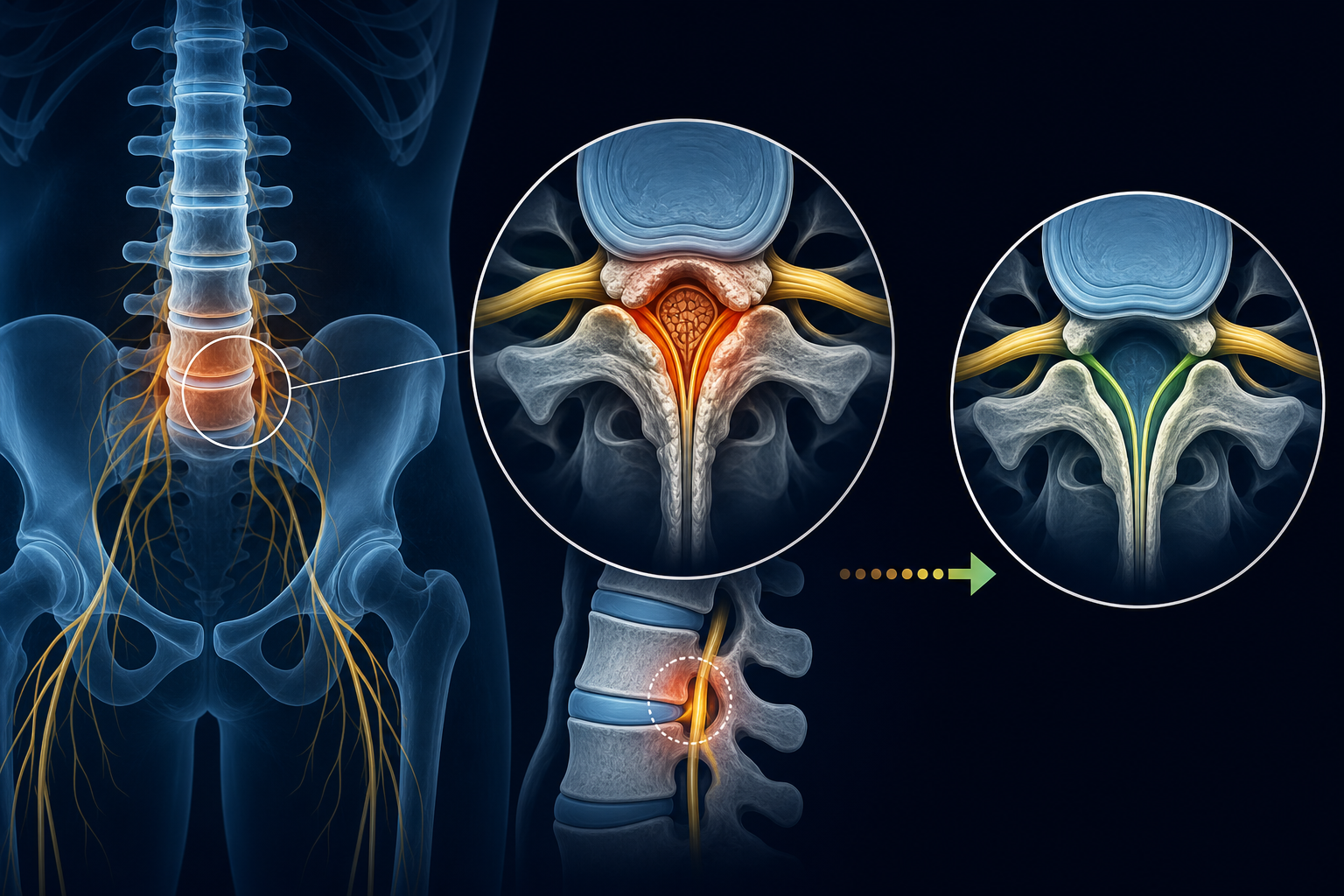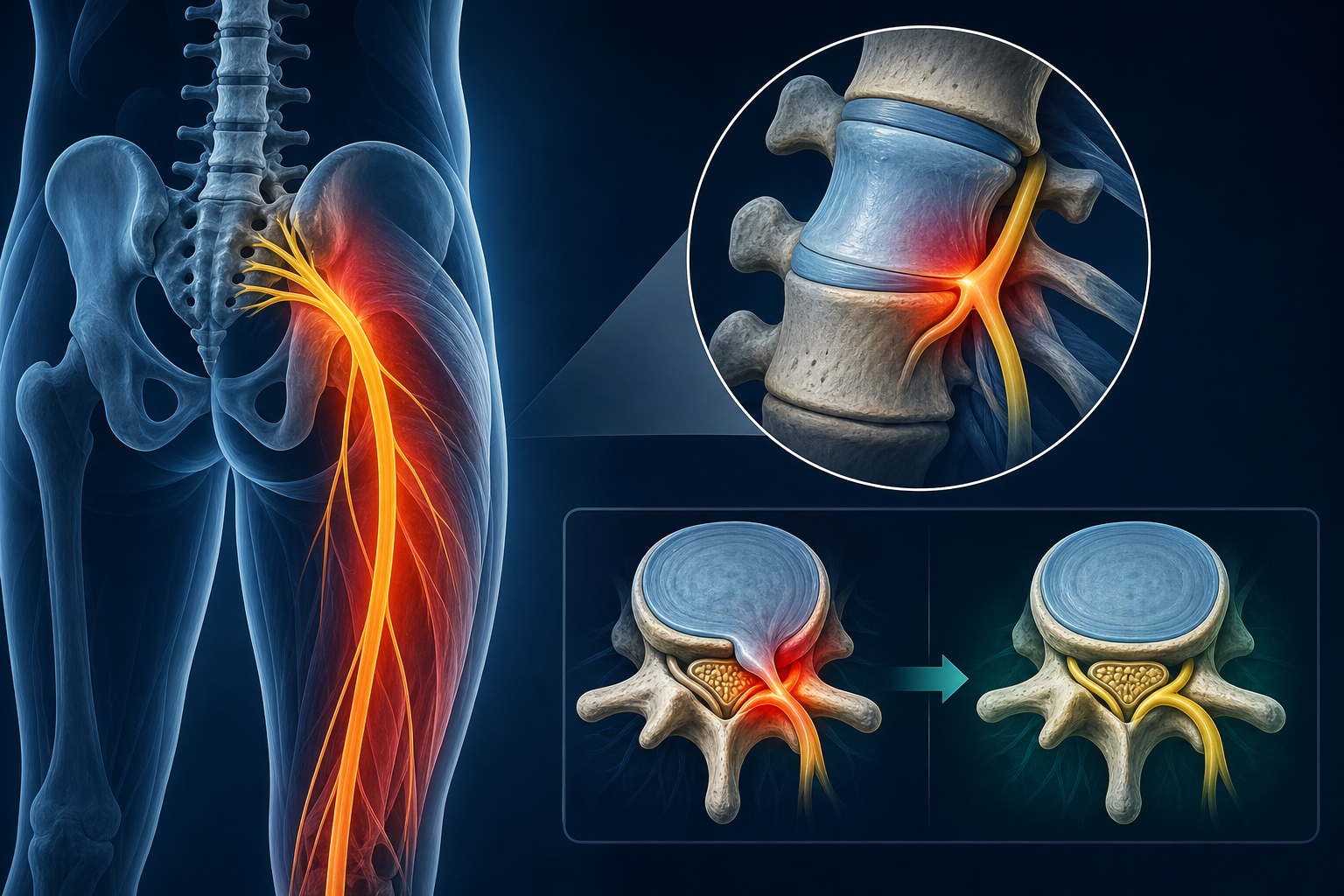
Understanding Low Back and Pelvic Nerve Problems (Lumbosacral Plexus Disorders): Symptoms, Causes, and Treatment starts with one important idea: not every pain that travels from the low back into the hip, groin, pelvis, buttock, or leg is simple sciatica. In some cases, symptoms may involve a network of nerves called the lumbosacral plexus, which helps control sensation and movement across the pelvis and lower limbs.
A lumbosacral plexus disorder can be confusing because symptoms may show up in more than one place at once. Some people notice pelvic nerve pain radiating down the leg. Others describe low back, hip, and groin numbness, burning, tingling, leg heaviness, or pain when walking through the hip and pelvis. These symptoms can come from irritation, compression, inflammation, trauma, or other medical conditions affecting the nerves that travel through the lower spine, pelvis, and leg.
This article is educational and does not diagnose your symptoms. If you have new, worsening, or unexplained nerve symptoms, a qualified healthcare provider can help determine what may be contributing to them and whether conservative care, further testing, or urgent evaluation is appropriate.
What Is a Lumbosacral Plexus Disorder?
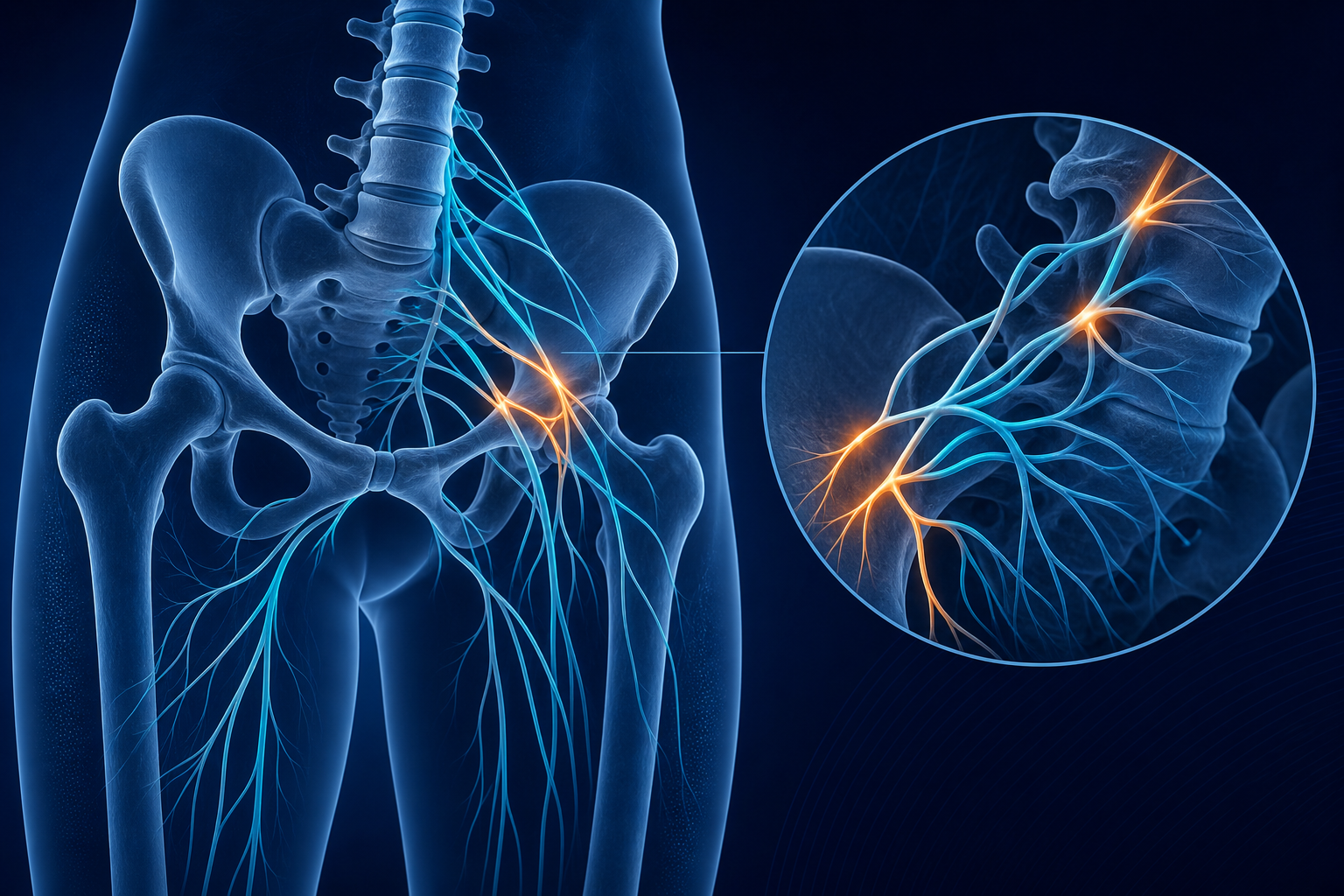
The lumbosacral plexus is a complex group of nerves formed from nerve roots in the lower back and sacral region. These nerves branch through the pelvis and help supply the hips, buttocks, thighs, lower legs, feet, pelvic floor, and parts of the groin. When this network is irritated or injured, symptoms may appear anywhere along the nerve pathways.
So, what is a lumbosacral plexus disorder? In general terms, it is a problem affecting one or more nerves within the lumbar plexus, sacral plexus, or the broader lumbosacral nerve network. It may affect sensory nerves, which carry feeling; motor nerves, which help muscles contract; or both. Depending on the nerves involved, a person may feel pain, numbness, tingling, weakness, altered reflexes, or difficulty with normal activities such as walking, climbing stairs, standing from a chair, or lifting the leg.
The lumbosacral plexus includes nerve branches that eventually contribute to major nerves such as the femoral nerve, obturator nerve, sciatic nerve, superior and inferior gluteal nerves, and pudendal nerve. Because these branches serve different areas, symptoms can vary widely from person to person.
Why the Symptoms Can Feel Hard to Pin Down
Nerve pain is not always felt directly where the irritation starts. A problem in the pelvis may cause symptoms down the thigh. A problem near the lumbar spine may feel like hip pain. A nerve irritated near the sacrum may create discomfort in the buttock, groin, or back of the leg. This is one reason many people search for terms such as pelvic nerve pain radiating down leg, low back hip and groin numbness, or lumbosacral plexus pain vs sciatica.
Another reason diagnosis can be challenging is that muscles, joints, discs, ligaments, and nerves can all contribute to pain in overlapping areas. For example, low back pain, hip joint irritation, sacroiliac joint dysfunction, lumbar disc problems, pelvic floor tension, and peripheral nerve entrapment may all create symptoms around the low back, pelvis, and leg. A careful evaluation helps separate these possibilities.
Common Symptoms of Lumbosacral Plexus Disorders
Lumbosacral plexus symptoms may be mild and intermittent, or they may be more persistent and function-limiting. The exact pattern depends on which nerve branches are affected and what is causing the irritation.
Possible symptoms may include:
- Deep aching, burning, shooting, or electric-like pain in the low back, pelvis, hip, buttock, groin, thigh, or leg
- Numbness, tingling, pins-and-needles, or altered sensation in the groin, thigh, calf, foot, or pelvic region
- Low back, hip, and groin numbness that does not clearly follow one simple pattern
- Pelvic nerve pain radiating down the leg, sometimes into the front, side, or back of the thigh
- Pain when walking through the hip and pelvis, especially if nerve irritation affects muscles used for gait
- Leg heaviness, fatigue, or weakness with standing, stairs, or getting up from a chair
- Changes in balance, coordination, or confidence while walking
- Muscle cramping or a sense that the leg may give way
- Symptoms that worsen with certain positions, prolonged sitting, walking, bending, or hip movement
These symptoms can overlap with other common conditions. For example, symptoms traveling down the back of the leg may resemble sciatica. Groin symptoms may raise questions about hip, pelvic floor, or femoral nerve involvement. Front-thigh weakness may suggest a different nerve pathway than classic sciatic-type pain. Because the pattern matters, a provider will usually ask detailed questions about where symptoms started, how they travel, and what makes them better or worse.
Is Groin Numbness a Nerve Problem?
Groin numbness can be related to nerve irritation, but it should not be assumed to have one cause. Sensory changes in the groin may involve nerves from the lumbar plexus, sacral plexus, pudendal nerve pathways, or other nearby structures. It may also occur with spine-related problems, pelvic conditions, trauma, prolonged compression, or systemic health issues.
Because groin numbness can occasionally be associated with more serious conditions, it is worth taking seriously, especially if it is new, worsening, or accompanied by weakness, bowel or bladder changes, fever, unexplained weight loss, or loss of sensation in the saddle area. Those symptoms warrant prompt medical evaluation.
Lumbosacral Plexus Pain vs Sciatica: What Is the Difference?
Many patients use the word sciatica for any pain that runs from the back or buttock into the leg. Clinically, sciatica usually refers to irritation of the sciatic nerve or the lumbar nerve roots that contribute to it. Lumbosacral plexus pain can involve the sciatic nerve, but it may also involve other branches that do not behave exactly like classic sciatica.
The difference often comes down to the pattern of symptoms:
- Classic sciatic-type pain often travels from the low back or buttock down the back of the thigh and may continue into the calf or foot.
- Lumbar plexus involvement may cause pain, numbness, or weakness in the front of the thigh, inner thigh, hip flexors, quadriceps, or groin region.
- Sacral plexus involvement may affect the buttock, back of the thigh, lower leg, foot, pelvic region, or muscles that help stabilize the hip.
- Mixed lumbosacral plexus symptoms may not follow a single clean line and may include low back, hip, groin, buttock, and leg symptoms together.
This distinction matters because treatment planning depends on the suspected source. A rehabilitation plan for hip weakness and femoral nerve irritation may look different from a plan for lumbar disc-related sciatica. A provider may evaluate posture, lumbar mobility, hip range of motion, strength, reflexes, gait, sensation, and nerve mobility to better understand the pattern.
What Causes Pelvic Nerve Pain Symptoms?
Many different issues can contribute to pelvic nerve pain symptoms. Some are mechanical, meaning nerves may be irritated by posture, movement, muscle tension, joint dysfunction, disc changes, or compression. Others are medical or systemic and may require coordination with a physician or specialist.
Mechanical Irritation and Compression
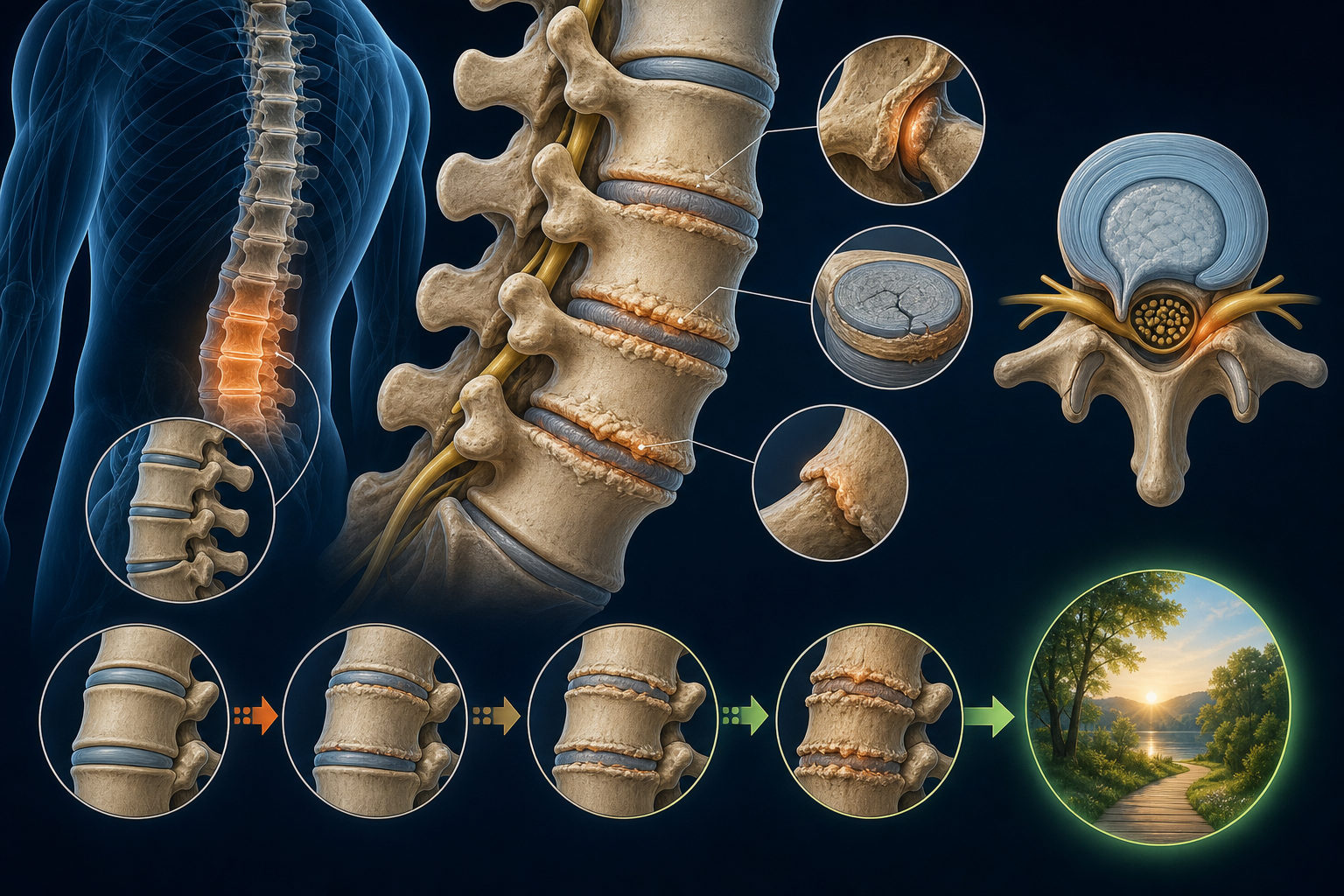
Nerves need space and mobility. If nearby tissues become irritated, inflamed, or restricted, a nerve may become sensitive. Mechanical factors that may contribute include lumbar spine stiffness, disc-related irritation, foraminal narrowing, sacroiliac joint dysfunction, hip mobility restrictions, pelvic muscle tension, or soft tissue compression around the buttock and pelvis.
Prolonged sitting, repetitive bending, lifting, awkward work positions, and altered walking mechanics may also aggravate symptoms in some people. This does not mean posture or movement is the only cause, but these factors can influence how sensitive a nerve feels during daily activity.
Trauma or Injury
Falls, motor vehicle collisions, sports injuries, pelvic fractures, hip injuries, and significant low back trauma may affect nerve tissue directly or indirectly. After an injury, swelling, muscle guarding, scar tissue, altered movement patterns, or joint irritation may contribute to nerve sensitivity. If symptoms began after trauma, it is important to be evaluated by an appropriate healthcare provider.
Medical and Systemic Conditions
Some lumbosacral plexus disorders are associated with medical conditions such as diabetes-related nerve complications, inflammatory disorders, infection, tumors, vascular problems, or complications after surgery or radiation. These causes are less about simple movement mechanics and more about underlying medical processes. They require medical evaluation and may involve imaging, lab work, electrodiagnostic testing, or specialist care.
Conservative providers such as physical therapists and chiropractors can play an important role in evaluating movement, function, strength, and pain behavior, but they may also recommend referral when symptoms suggest a medical cause outside the conservative care lane.
Pregnancy and Postpartum Changes
Pregnancy and postpartum recovery can change pelvic mechanics, muscle tone, ligament loading, and nerve sensitivity. Some people experience pelvic girdle pain, hip pain, leg symptoms, or pelvic floor-related discomfort during or after pregnancy. These symptoms should be assessed by a qualified provider, especially when numbness, weakness, severe pain, or bladder and bowel symptoms are present.
When to See a Provider for Low Back, Pelvic, or Leg Nerve Symptoms
You should consider seeing a healthcare provider when symptoms are new, worsening, persistent, interfering with walking or daily activities, or not improving with basic self-care. A provider can help determine whether the symptoms appear musculoskeletal, nerve-related, or potentially linked to another health issue.
Seek prompt medical attention if you have any of the following:
- New or progressive leg weakness
- Numbness in the groin or saddle area
- Loss of bladder or bowel control, or new difficulty urinating
- Severe pain after a fall, collision, or major injury
- Fever, unexplained weight loss, history of cancer, or feeling seriously unwell
- Rapidly worsening numbness, tingling, or walking difficulty
- Severe night pain that does not change with position
These symptoms do not automatically mean something dangerous is present, but they do deserve timely evaluation. If your symptoms are less urgent but still disruptive, you may benefit from starting with a conservative care provider. Medximity can help you search for physical therapists near you, chiropractors near you, and other providers who evaluate low back, pelvic, hip, and leg symptoms.
How Providers Evaluate Possible Lumbosacral Plexus Problems
A thorough evaluation is one of the most important parts of care. Because lumbosacral plexus disorders can overlap with spine, hip, pelvic floor, and peripheral nerve conditions, the provider will usually look for patterns rather than relying on one symptom alone.
Health History and Symptom Mapping
Your provider may ask when symptoms began, whether they followed an injury, where symptoms travel, what activities make them worse, and what positions offer relief. They may also ask about medical history, prior surgeries, diabetes, inflammatory conditions, pregnancy, recent infections, medications, and changes in bladder, bowel, or sexual function. These questions help identify whether conservative treatment is appropriate or whether additional medical evaluation may be needed.
Movement, Strength, and Neurologic Screening
A physical exam may include lumbar and hip range of motion, gait assessment, posture observation, muscle strength testing, reflexes, sensation testing, and special tests that gently stress nerve pathways. Providers may compare the right and left sides and look for whether symptoms follow a lumbar nerve root, a peripheral nerve, the sciatic pathway, or a broader plexus pattern.
When Imaging or Nerve Testing May Be Discussed
Not everyone needs imaging or nerve tests. In many cases, providers begin with a clinical evaluation and conservative management when symptoms are stable and do not suggest serious pathology. However, imaging, electrodiagnostic studies, or medical referral may be discussed when symptoms are severe, progressive, unusual, traumatic, or not improving as expected.
Electrodiagnostic testing, such as nerve conduction studies or electromyography, may sometimes help distinguish between nerve root irritation, peripheral nerve involvement, and plexus-level disorders. Whether testing is appropriate depends on the individual situation and should be discussed with a qualified medical professional.
Conservative Treatment for Lumbosacral Plexus and Pelvic Nerve Symptoms
Lumbosacral plexus disorder treatment depends on the suspected cause, symptom severity, medical history, and functional limitations. Conservative care often focuses on calming nerve sensitivity, improving mobility, restoring strength, reducing mechanical irritation, and helping the person return to daily activities safely.
If you are searching for lumbosacral plexus disorder treatment near me, it may help to look for providers who regularly evaluate low back, hip, pelvis, and leg symptoms. Physical therapists, chiropractors, rehabilitation specialists, and other conservative care providers may all play roles depending on the presentation.
Physical Therapy for Pelvic Nerve Pain
Physical therapy for pelvic nerve pain may include a combination of education, mobility work, strengthening, gait training, nerve gliding, and graded return to activity. The plan should be individualized. A person with hip flexor weakness and front-thigh symptoms may need a different approach than someone with buttock pain and posterior leg symptoms.
Common physical therapy components may include:
- Gentle lumbar, hip, and pelvic mobility exercises
- Strengthening for the glutes, core, hips, and legs
- Nerve mobility exercises, sometimes called nerve glides or flossing, when appropriate
- Gait retraining to reduce painful compensation during walking
- Balance and coordination work if leg control is affected
- Activity pacing and gradual loading to avoid symptom flare-ups
- Ergonomic guidance for sitting, lifting, work tasks, and sleep positions
The goal is not to force a painful nerve to stretch. Sensitive nerves often respond better to gradual, tolerable movement. Your provider should monitor how symptoms respond during and after exercises and adjust the plan accordingly.
Chiropractic and Manual Therapy Options
Chiropractic care and manual therapy may be considered when joint restriction, muscle guarding, or spine and pelvic mechanics appear to contribute to symptoms. Care may include gentle spinal or pelvic mobilization, soft tissue techniques, exercise instruction, and movement education. High-force techniques may not be appropriate for every patient, especially when neurologic symptoms are significant, so the provider should screen carefully and choose methods based on comfort, safety, and clinical findings.
For some people, manual therapy may help reduce pain enough to participate more comfortably in rehabilitation exercises. For others, exercise-based care, education, and activity modification may be the primary tools. A balanced plan often uses multiple conservative strategies rather than relying on one technique alone.
Rehabilitation for Walking, Hip, and Pelvic Function
Pain when walking through the hip and pelvis can occur when nerves, joints, or muscles are not tolerating normal load. Rehabilitation may focus on step length, hip extension, glute strength, trunk control, and lower-limb coordination. If a nerve is involved, the provider may also look at whether walking position is increasing neural tension or compression.
For example, some people feel worse with long strides, prolonged standing, or uphill walking. Others feel worse after sitting and then standing. A provider may adjust activity temporarily while building tolerance. The intent is usually to keep you moving within a safe and manageable range rather than encouraging complete rest for long periods.
Leg Nerve Pain Treatment Without Surgery
Many patients searching for leg nerve pain treatment without surgery are looking for ways to reduce symptoms while maintaining function. Conservative care may include movement-based rehab, manual therapy when appropriate, education, home exercises, ergonomic changes, heat or cold strategies, and gradual return to work or fitness activities. These approaches may help some patients improve comfort and mobility, especially when symptoms are stable and no urgent medical signs are present.
Conservative care does not replace medical evaluation when symptoms are severe, progressive, or linked to a medical condition. It also does not guarantee that surgery or other interventions will never be needed. However, for many musculoskeletal and nerve-irritation patterns, a structured conservative plan is a reasonable first step when a provider determines it is appropriate.
What to Expect at Your First Appointment
If you schedule care for pelvic nerve pain, low back and groin numbness, or leg symptoms, your first visit will usually be focused on understanding the pattern and determining whether conservative care is appropriate.
Before the Visit
It can help to write down where your symptoms are located, how long they have been present, what activities trigger them, and whether you have numbness, weakness, or changes in walking. Bring a list of current medications, relevant medical conditions, prior surgeries, and any imaging reports if you have them. If symptoms began after an injury, note the date and mechanism.
During the Evaluation
The provider may ask detailed questions and perform movement and neurologic screening. You may be asked to bend, extend, rotate, walk, balance, or gently move the hip and leg while the provider observes symptom response. Strength and sensation may be checked in different regions of the leg. The provider should explain what they are testing and stop or modify anything that causes concerning symptoms.
After the Evaluation
You may receive an initial impression, a conservative treatment plan, home care guidance, and recommendations for follow-up. If the provider identifies red flags or signs that require medical workup, they may recommend that you see a physician, neurologist, orthopedic specialist, pelvic health specialist, or another appropriate clinician. If conservative care is appropriate, the plan may begin with symptom control, education, and gentle movement before progressing to strength and activity goals.
Self-Care Strategies That May Help Calm Irritated Nerves
Self-care should be gentle and should not replace a professional evaluation when symptoms are persistent or concerning. Still, many people can reduce flare-ups by paying attention to positions, pacing, and movement tolerance.
Helpful strategies may include:
- Change positions regularly. Prolonged sitting or standing may increase symptoms for some people. Short movement breaks may help.
- Avoid aggressive stretching into nerve pain. If a stretch creates burning, electric, or spreading symptoms, back off and discuss it with a provider.
- Use tolerable walking. Short, frequent walks may be better tolerated than one long walk during a flare-up.
- Support sleep positions. A pillow between the knees or under the knees may reduce strain for some people.
- Track symptom patterns. Note whether sitting, bending, hip movement, stairs, or walking changes symptoms.
- Stay within a manageable range. Nerve symptoms often respond better to gradual exposure than sudden increases in activity.
If any self-care strategy worsens numbness, weakness, groin symptoms, or walking ability, stop and seek guidance.
How Long Does Pelvic Nerve Pain Last?
How long pelvic nerve pain lasts depends on the cause, severity, duration of symptoms, overall health, and whether the nerve is being irritated by a temporary mechanical factor or a more complex medical condition. Mild nerve irritation may improve over days to weeks. More persistent nerve sensitivity can take longer and may require structured rehabilitation. Nerve recovery, when a nerve has been significantly injured, can be slow and should be monitored by a qualified provider.
It is also common for nerve symptoms to fluctuate. A person may feel better for a few days, then notice a flare after prolonged sitting, a long drive, heavy lifting, or a sudden increase in activity. Fluctuation does not always mean damage is worsening, but progressive weakness, spreading numbness, or new bladder or bowel symptoms should be evaluated promptly.
A provider can help set expectations based on your presentation. Rather than relying on a fixed timeline, many rehabilitation plans track function: walking tolerance, sleep quality, sitting tolerance, strength, balance, and ability to perform work or home tasks.
Choosing the Best Provider for Pelvic Nerve Symptoms
The best provider for pelvic nerve symptoms depends on the suspected cause and the severity of your symptoms. For stable symptoms that appear related to movement, posture, low back or hip mechanics, or rehabilitation needs, a physical therapist, chiropractor, or rehabilitation-focused provider may be a helpful starting point. If symptoms involve pelvic floor function, pregnancy or postpartum changes, or pelvic pain patterns, a pelvic health physical therapist may be considered.
If you have progressive weakness, significant numbness, unexplained systemic symptoms, or red flags, a medical physician or specialist evaluation may be needed. Some patients benefit from coordinated care, where a primary care clinician, neurologist, orthopedic specialist, physical therapist, chiropractor, or pelvic health specialist each addresses a different part of the picture.
When comparing providers, look for someone who:
- Evaluates the low back, pelvis, hip, gait, and neurologic symptoms together
- Explains findings in clear language
- Uses an individualized treatment plan rather than a one-size-fits-all protocol
- Knows when conservative care is appropriate and when referral is needed
- Tracks functional progress, not just pain scores
- Gives realistic expectations without guaranteeing outcomes
You can use Medximity to explore providers near you and compare conservative care options for low back, pelvic, hip, and leg nerve symptoms. You may also find it useful to review related condition pages such as hip pain and treatment information on rehabilitation care.
Questions to Ask at Your Appointment
Going into your visit with a few questions can make the appointment more useful. Consider asking:
- Do my symptoms seem more consistent with a spine, hip, pelvic, peripheral nerve, or lumbosacral plexus pattern?
- Are there any signs that I need medical testing or referral?
- Which activities should I temporarily modify, and which should I keep doing?
- What symptoms would mean I should seek urgent care?
- What exercises are safe to start now, and which should I avoid for the moment?
- How will we measure progress besides pain level?
- How often should I follow up, and what should change if symptoms do not improve?
A good care plan should help you understand not only what to do, but why you are doing it. Education can reduce fear and help you make safer decisions during daily activities.
Key Takeaways
- Lumbosacral plexus disorders involve a network of nerves that travels from the lower spine through the pelvis and into the legs.
- Symptoms may include low back, hip, buttock, groin, pelvic, thigh, or leg pain, numbness, tingling, weakness, or walking difficulty.
- Lumbosacral plexus pain can overlap with sciatica, but it may involve different nerve branches and symptom patterns.
- Pelvic nerve pain symptoms can have mechanical, traumatic, medical, pregnancy-related, or systemic causes.
- Conservative care may include physical therapy, rehabilitation, chiropractic or manual therapy when appropriate, education, and graded activity.
- New groin numbness, progressive weakness, bladder or bowel changes, or severe symptoms after trauma should be evaluated promptly.
- The right provider can help determine whether conservative treatment is appropriate or whether medical referral is needed.
Frequently Asked Questions
What is a lumbosacral plexus disorder?
A lumbosacral plexus disorder is a problem affecting the nerve network that runs from the lower back and sacral region through the pelvis and into the leg. It may cause pain, numbness, tingling, weakness, or changes in walking depending on which nerve branches are involved.
Can pelvic nerve pain radiate down the leg?
Yes. Pelvic nerve irritation may cause symptoms that travel into the buttock, groin, thigh, calf, or foot. The exact pathway can help a provider determine whether symptoms seem related to the lumbar spine, hip, pelvis, sciatic nerve, femoral nerve, or another nerve branch.
Is lumbosacral plexus pain the same as sciatica?
Not always. Sciatica usually refers to irritation involving the sciatic nerve or related lumbar nerve roots. Lumbosacral plexus problems can involve the sciatic pathway, but they may also affect other nerves that cause groin, front-thigh, hip, or pelvic symptoms.
Is groin numbness a nerve problem?
Groin numbness may be related to nerve irritation, but it can have several possible causes. New, worsening, or severe groin numbness should be evaluated, especially if it occurs with saddle numbness, weakness, or bladder or bowel changes.
What causes pelvic nerve pain symptoms?
Possible causes include lumbar spine irritation, disc-related issues, hip or pelvic mechanics, muscle tension, trauma, pregnancy-related changes, diabetes-related nerve problems, inflammation, infection, tumors, or other medical conditions. A provider can help narrow the possibilities based on your history and exam.
What treatment is used for lumbosacral plexus disorders?
Treatment depends on the cause. Conservative options may include physical therapy, rehabilitation exercises, gait training, nerve mobility work, activity modification, ergonomic changes, and chiropractic or manual therapy when appropriate. Some cases require medical testing or specialist care.
How long does pelvic nerve pain last?
The timeline varies. Mild irritation may improve within days to weeks, while more persistent nerve symptoms can take longer and may need structured rehabilitation. Progressive weakness, spreading numbness, or bladder and bowel changes should be evaluated promptly.
How do I find lumbosacral plexus disorder treatment near me?
You can start by looking for providers who evaluate low back, hip, pelvic, and leg nerve symptoms, such as physical therapists, chiropractors, rehabilitation specialists, or pelvic health providers. Medximity can help you compare provider options in your area.
Finding Care Through Medximity
If you are dealing with low back, pelvic, hip, groin, or leg nerve symptoms, you do not have to sort through the possibilities alone. A qualified provider can evaluate your symptoms, screen for concerns, explain what may be contributing to your pain, and recommend a conservative plan when appropriate. Use Medximity to find care options near you and take the next step toward a clearer understanding of your symptoms.