Low Back Pain Care in Fountain Inn: What Patients Are Often Looking For
When people search for low back pain care in Fountain Inn, they often want practical answers: why the pain started, which conservative options may help, what type of provider to see, and when symptoms need more immediate medical attention. Some are comparing chiropractic care, physical therapy, massage therapy, and exercise-based rehabilitation. Others may be searching a local phrase such as “back in motion fountain inn low back pain” while trying to find a nearby office or understand available care options.
Low back discomfort can come from many sources, and symptoms vary from person to person. This article is general education, not a diagnosis. A qualified healthcare professional can evaluate your history, movement, symptoms, and goals to help determine which conservative approach may be appropriate.
Common Reasons Low Back Pain Can Develop
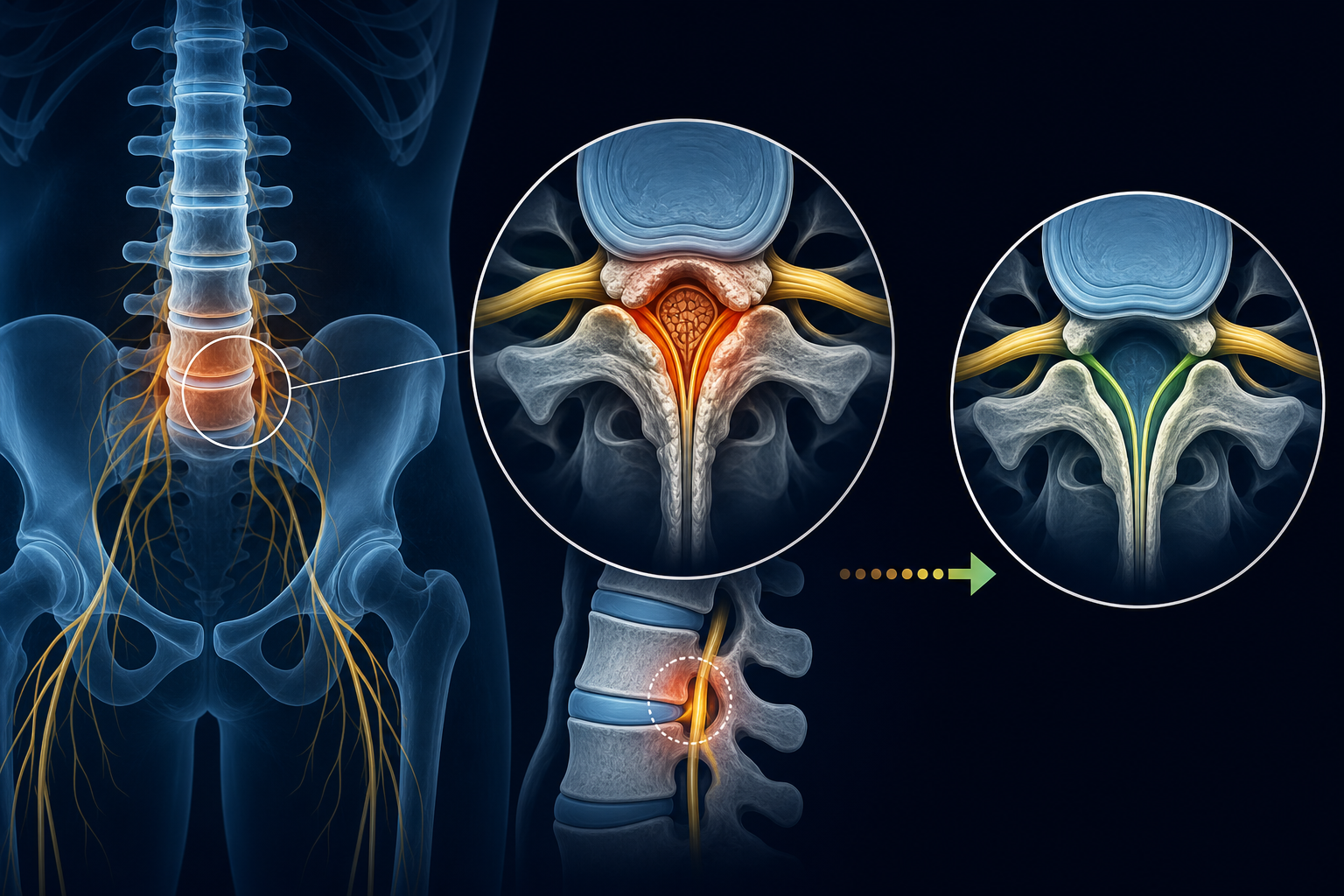
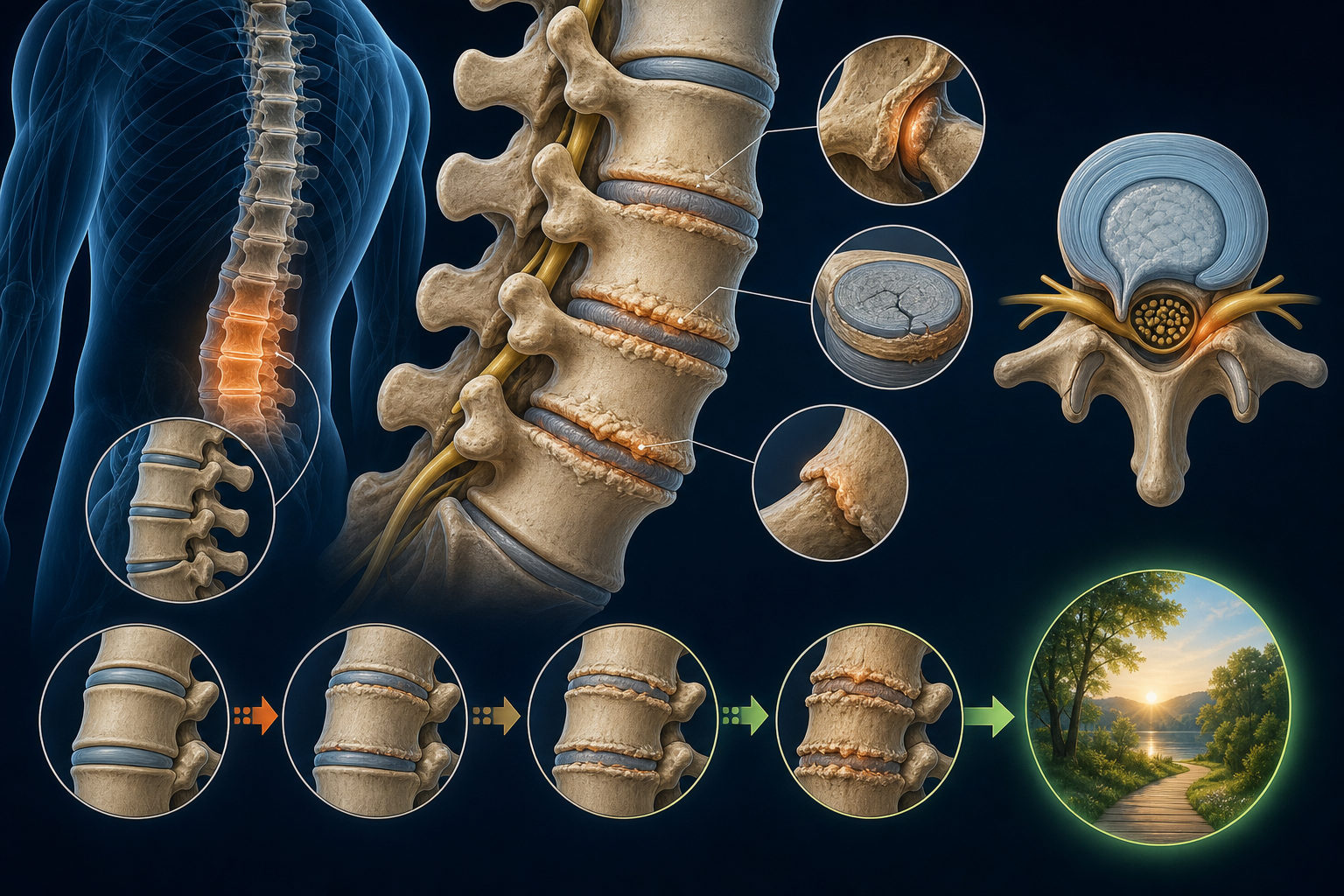
If you are wondering what causes low back pain, the answer is often a combination of factors rather than one single event. Low back discomfort may be associated with muscle strain, joint irritation, disc-related changes, poor movement patterns, prolonged sitting, repetitive lifting, reduced hip mobility, or a sudden increase in activity. Stress, sleep quality, work demands, and overall conditioning can also influence how the back responds to daily movement.
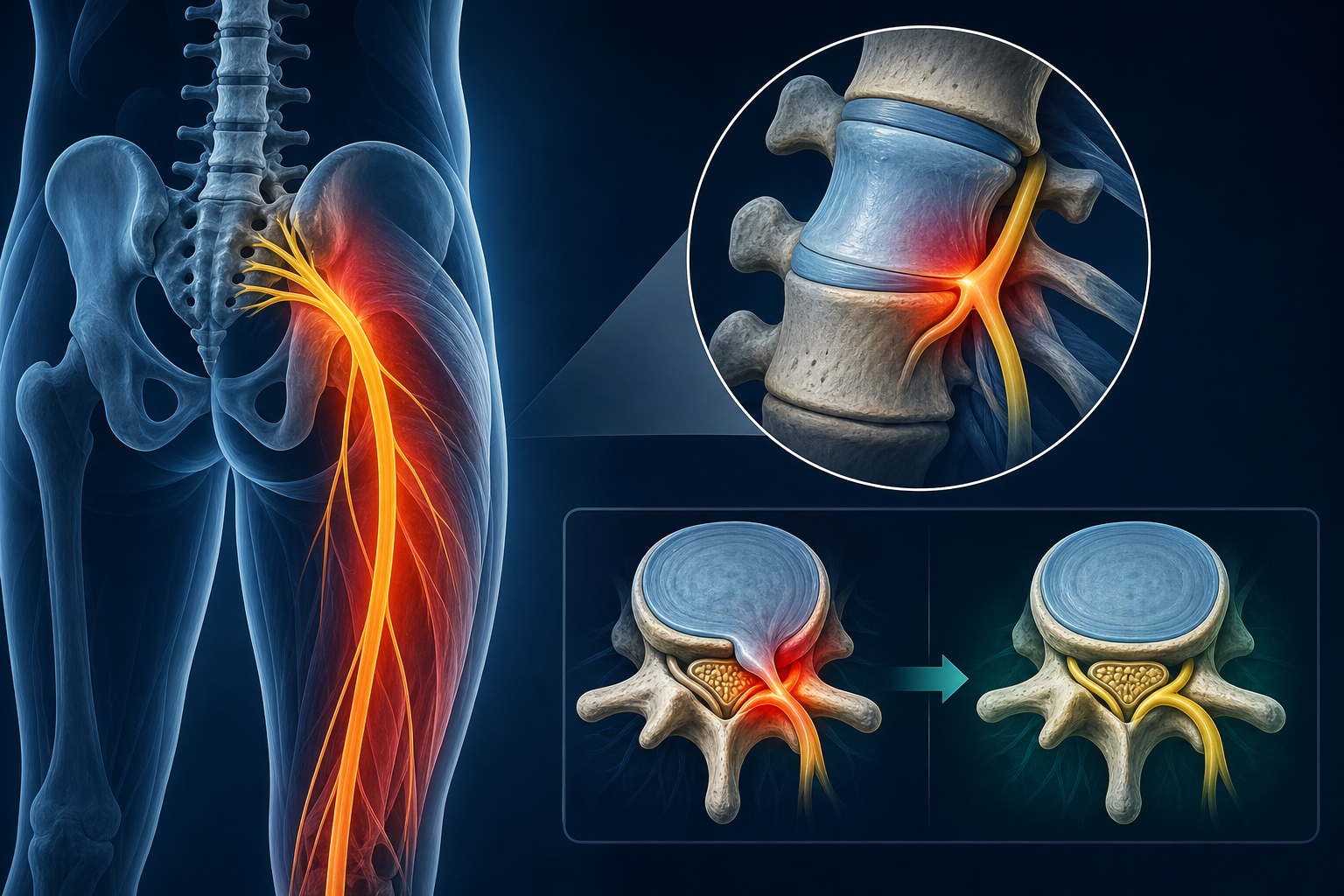
Some people notice symptoms after yardwork, exercise, a long drive, or lifting awkwardly. Others develop stiffness gradually. Pain may stay in the low back or may travel into the buttock or leg. When leg symptoms are present, a provider may evaluate whether the pattern is consistent with nerve irritation or another source of referred discomfort. For related information, MedXimity offers resources on where lower back pain may come from and understanding sciatic-type pain.
When Conservative Care May Help
Conservative treatment for low back pain focuses on improving comfort, mobility, strength, posture, and daily function without invasive procedures. Depending on the person, care may include hands-on treatment, guided exercise, stretching, movement retraining, ergonomic changes, and education about activity pacing.
Conservative care may be considered when symptoms are related to movement, stiffness, muscle tension, postural strain, or recurring mechanical discomfort. It can also help people better understand how to move, lift, sit, or exercise with less irritation. Results vary, and no treatment can promise a specific outcome. A careful evaluation helps match the care plan to the person’s presentation, activity level, and tolerance.
Chiropractic Care for Low Back Pain
A patient looking for a chiropractor for low back pain near Fountain Inn may be seeking spinal or joint-focused care, mobility assessment, and guidance on posture or movement. Chiropractic care often includes evaluation of spinal motion, muscle tension, joint mechanics, and how symptoms respond to certain positions or activities.
Chiropractic adjustments or mobilization may help some people experience improved movement and reduced discomfort. Providers may also recommend stretching, strengthening, body mechanics education, or referral to another healthcare professional when symptoms fall outside the scope of conservative care. Care should be individualized, and patients should feel comfortable asking what findings are guiding the plan. For broader educational reading, see MedXimity’s article on natural low back pain relief approaches.
Physical Therapy and Exercise-Based Rehabilitation
Patients searching for physical therapy for lower back pain Fountain Inn are often looking for structured rehabilitation. Physical therapy commonly emphasizes movement assessment, strength, flexibility, balance, core control, hip mobility, and gradual return to normal activity. The goal is not simply to perform exercises, but to understand which movements are useful, which patterns may irritate symptoms, and how to build tolerance safely.
An exercise-based plan may include guided mobility drills, strengthening progressions, walking or conditioning recommendations, and coaching on lifting or work tasks. A physical therapist may modify exercises based on pain response, mobility limitations, or lifestyle demands. For work-related context, MedXimity’s resource on preventing back pain at work may be helpful.
Massage Therapy, Mobility Work, and Supportive Wellness Options
Massage therapy for lower back discomfort may support relaxation, reduce muscle tension, and improve short-term comfort for some people. It is often used alongside mobility work, stretching, exercise, and posture changes rather than as a stand-alone answer for every type of low back pain.
Other conservative options may include acupuncture, general wellness coaching, nutrition support, and lifestyle modification when appropriate. These approaches should be selected based on the person’s needs and the provider’s training. If symptoms are worsening, spreading, or associated with red flags, supportive wellness services should not delay appropriate medical evaluation.
What to Expect at a Conservative Low Back Pain Visit
If you are asking what happens at a back pain visit, the first step is usually a conversation about your symptoms, health history, activity level, work demands, and goals. The provider may ask when the discomfort began, what movements make it better or worse, whether pain travels into the leg, and whether you have had similar episodes before.
The exam may include posture and movement observation, range-of-motion testing, strength checks, reflex or sensation screening when relevant, and specific orthopedic or functional tests. Based on the findings, the provider may explain likely contributing factors and discuss a conservative care plan. That plan may include hands-on care, guided exercise, home activities, ergonomic recommendations, and follow-up visits to monitor progress. Referral may be discussed when symptoms, history, or exam findings suggest that additional evaluation is needed.
At-Home Habits That May Support Back Comfort
Stretches and habits for back comfort should be chosen carefully and adjusted to the individual. Gentle walking, changing positions during the day, using supportive sitting posture, and avoiding long periods in one position may help some people manage stiffness. Light mobility work for the hips and spine can also be useful when it does not increase symptoms.
People who lift frequently may benefit from practicing hip-hinge mechanics, keeping loads close to the body, and avoiding rushed twisting while carrying weight. Sleep position, footwear, desk height, and driving posture can also influence how the low back feels. If a movement increases pain, causes leg symptoms, or leaves symptoms worse afterward, it is reasonable to pause that activity and discuss it with a qualified provider. For more general education, see MedXimity’s overview on natural approaches to chronic low back discomfort.
How to Compare Local Low Back Pain Providers
Knowing how to choose a back pain provider can make the search less confusing. Consider whether the provider offers the type of conservative care you want, such as chiropractic care, physical therapy, massage therapy, mobility training, or coordinated rehabilitation. Look for clear explanations, individualized plans, and a willingness to refer when symptoms require a different level of evaluation.
Useful questions include: What will the first visit include? How will progress be measured? What home activities may be recommended? How are care plans adjusted if symptoms do not improve? Does the provider commonly work with active adults, workers with lifting demands, athletes, or people recovering from auto-related injuries? The right fit may depend on your goals, symptom pattern, schedule, and comfort with the provider’s approach.
Red Flags: When to Seek Prompt Medical Attention
Many low back pain episodes are not emergencies, but some symptoms need prompt medical attention. If you are wondering when is low back pain urgent, seek immediate medical care for new loss of bowel or bladder control, numbness in the groin or saddle area, major weakness in the leg, intense symptoms after a significant fall or crash, fever with back pain, unexplained weight loss with persistent pain, or pain that is rapidly worsening and not behaving like typical mechanical discomfort.
This guidance is not meant to alarm readers. It is meant to help distinguish routine conservative-care questions from symptoms that should be evaluated right away. Conservative providers may also recommend referral if exam findings suggest a condition that needs additional medical assessment.
Finding Low Back Pain Care Near Fountain Inn
If you are looking for a low back pain clinic near Fountain Inn, start by clarifying what kind of help you need. A chiropractic office may focus on spinal mechanics and joint mobility. A physical therapy clinic may focus on rehabilitation, strength, and movement progression. A massage or wellness provider may support muscle tension relief and relaxation as part of a broader plan. Some patients benefit from a coordinated approach that includes more than one conservative service.
Searches such as “back in motion fountain inn low back pain” often reflect a local, practical need: finding care close to home while understanding which options make sense. As you compare providers, look for patient-centered communication, a clear evaluation process, realistic expectations, and guidance that fits your daily activities. For people with leg symptoms, MedXimity’s article on what can be done for sciatic pain may offer additional educational background.
Educational disclaimer: This article provides general health information and does not diagnose any condition or replace professional medical advice. Individual care decisions should be discussed with a qualified healthcare professional. If symptoms suggest an urgent problem, seek immediate medical attention.
This article is for educational purposes only and is not a substitute for professional medical advice, diagnosis, or treatment. Always consult a qualified healthcare provider about your specific condition. If you may be experiencing a medical emergency, call 911 or seek emergency care immediately.