Sciatica Treatment
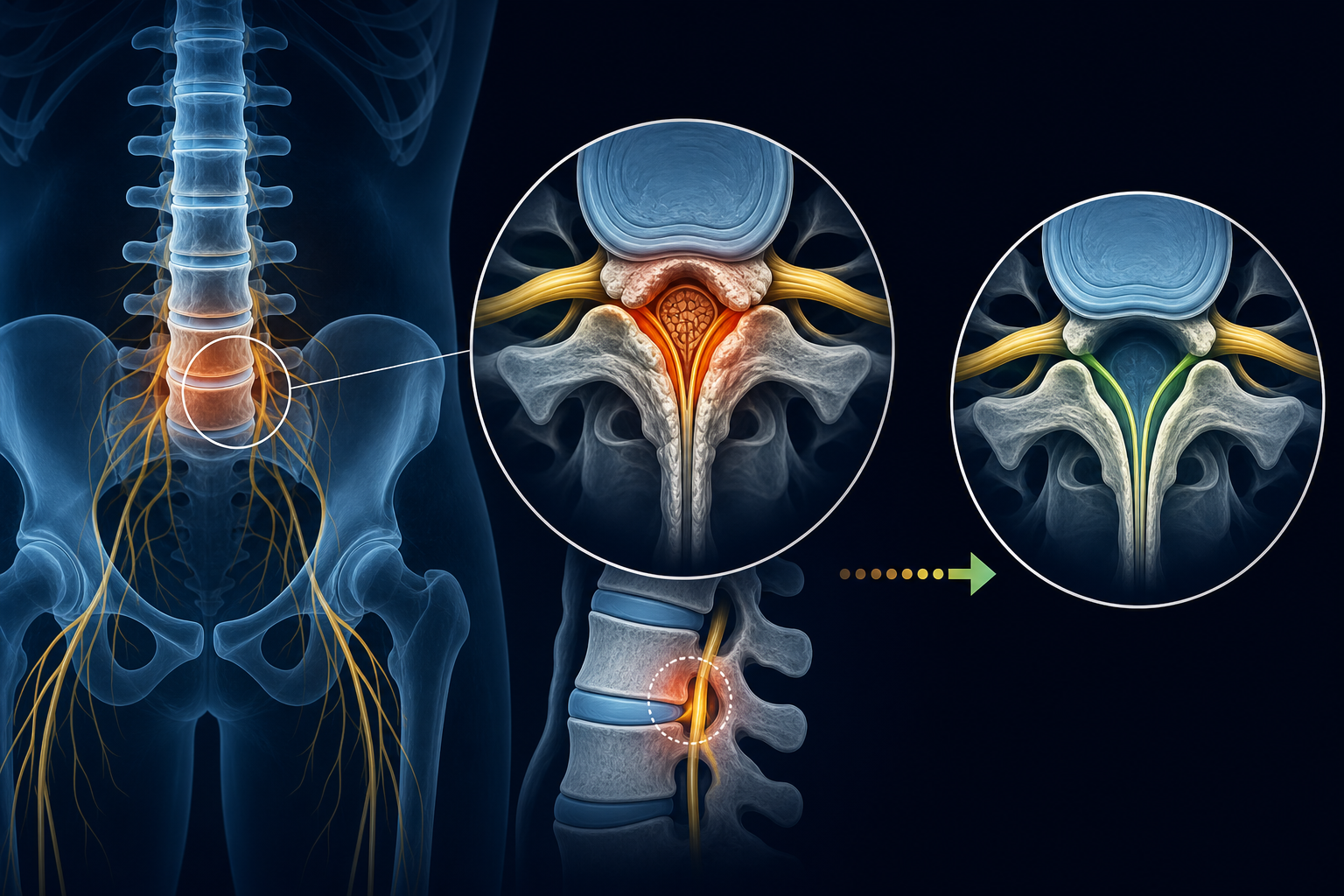
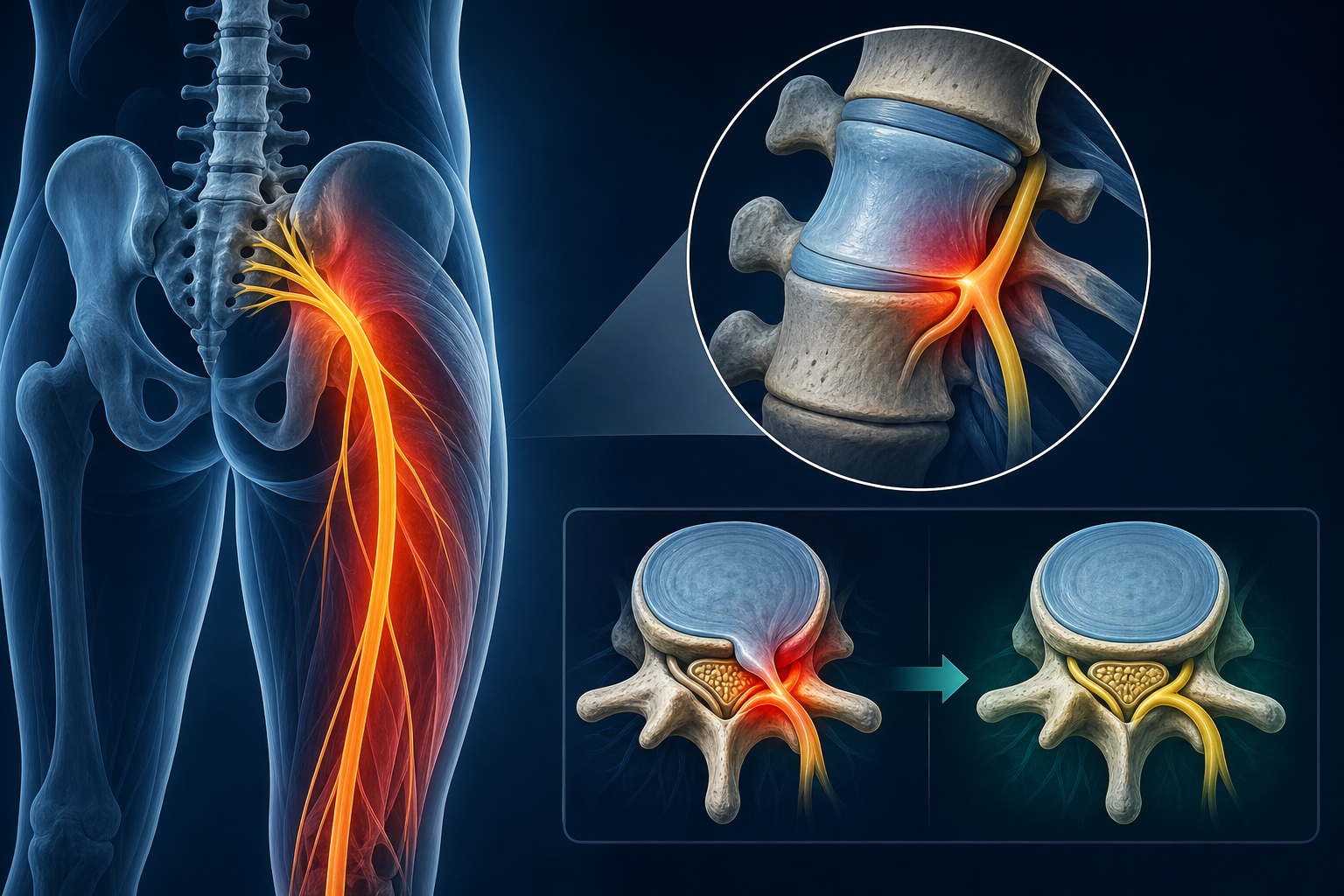
If a person feels a pain that begins in the lower back and travels through the hips and buttocks and then down one leg he or she probably has sciatica. Many that suffer from sciatica choose to just deal with the pain. But rest assured, there is something that can be done about it. Let's talk about why it happens. The sciatic nerve radiates from the lumbar spine down through the legs. There are two nerves, one for each leg.
That explains why pain is felt in only one leg. It just depends on which nerve is being irritated or becomes inflamed. This can happen due to many conditions of the spine. The sciatic nerve controls the muscles in your back, knees, and lower legs. When sciatica flares up, it is important to deal with it as soon as possible. If not, it can lead to problems later on, such as numbness, muscle atrophy, tingling, and foot drop.
Home Remedies
If a person is not able to get in immediately to see their chiropractor, there are some things they can do at home to help ease the pain until their appointment.
• Do not lift or twist the body.
• Stay off your feet as strenuous activities can aggravate the condition.
• Apply ice in 20-minute increments several times a day.
• Do exercises that strengthen your abs and improve the flexibility of the spine.
What We Can Do to Help
Upper cervical chiropractors realize that if something is wrong in the spine, it can cause other major problems throughout the body. We will begin by examining the upper neck area, specifically the top two bones of the vertebrae. A misalignment here of only ¼ of a millimeter can lead to problems such as sciatica. Even though the pain is felt in the lower back, it often starts up much higher.
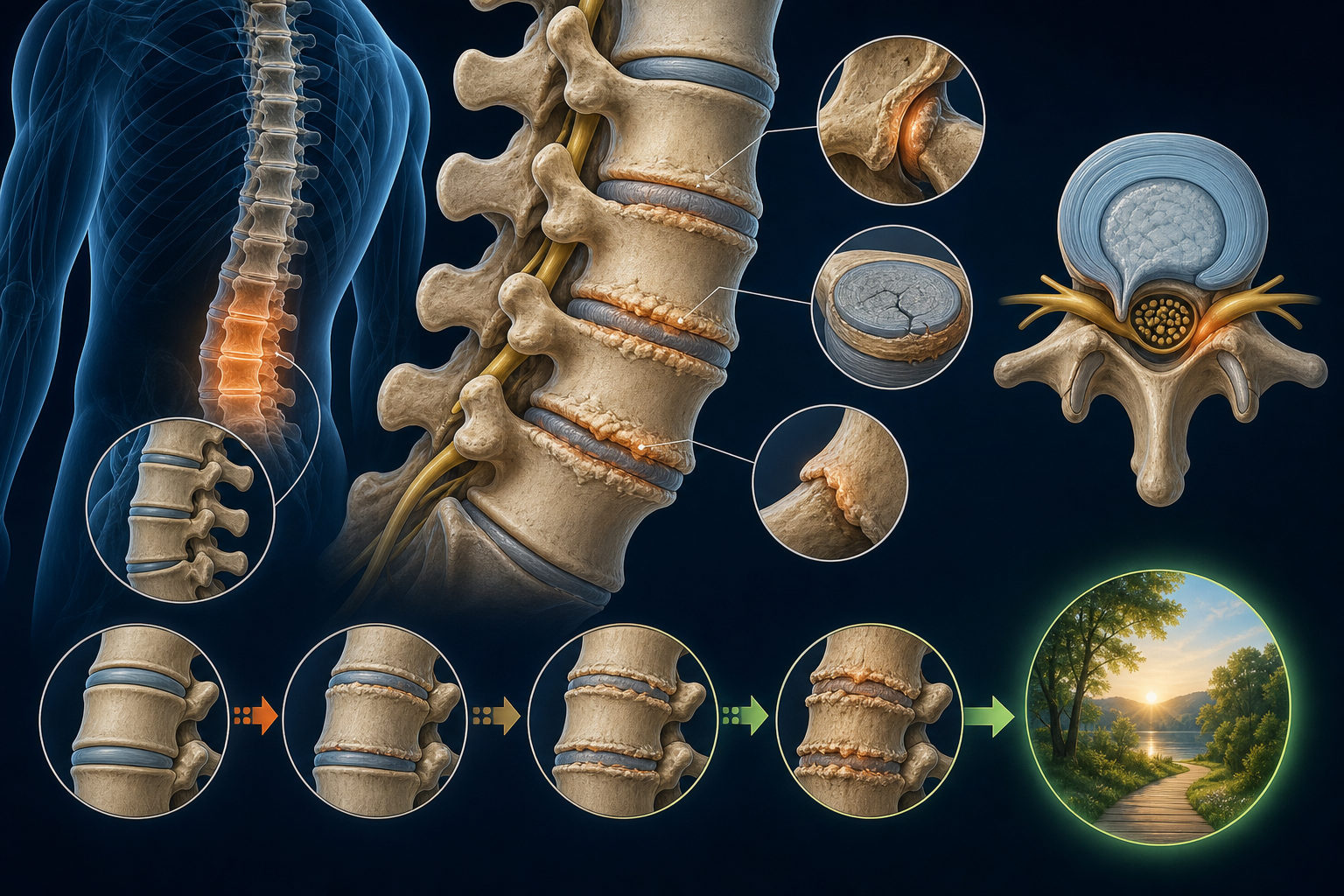
The weight of the head can shift due to injury or a fall, and the spine will try to compensate for that. This leads to discs becoming irritated and coming out of place. A very common reason for sciatica. By realigning the vertebrae in the neck, many people have found relief from their sciatic pain. Another condition called Piriformis Syndrome can lead to sciatica. A small muscle called the piriformis connects to a bone in your pelvis called the sacrum and then also attaches to the femur(trochanter).
When this muscle becomes tight it compresses the sciatic nerve and can reproduce the pain one experiences that are termed sciatica. The interesting thing, neurologically speaking, is that the piriformis muscle tone is actually controlled in the upper cervical spine. We have found that by correcting the upper neck misalignment many cases of sciatica improve.
Medical Disclaimer:
This article is for informational purposes only and does not constitute medical advice, diagnosis, or treatment. Always consult a qualified healthcare provider for personalized medical guidance. If you are experiencing a medical emergency, call 911 or your local emergency number immediately.