Key Takeaways
- Low back pain is often linked to posture and muscle tone imbalances that change how the spine and hips move.
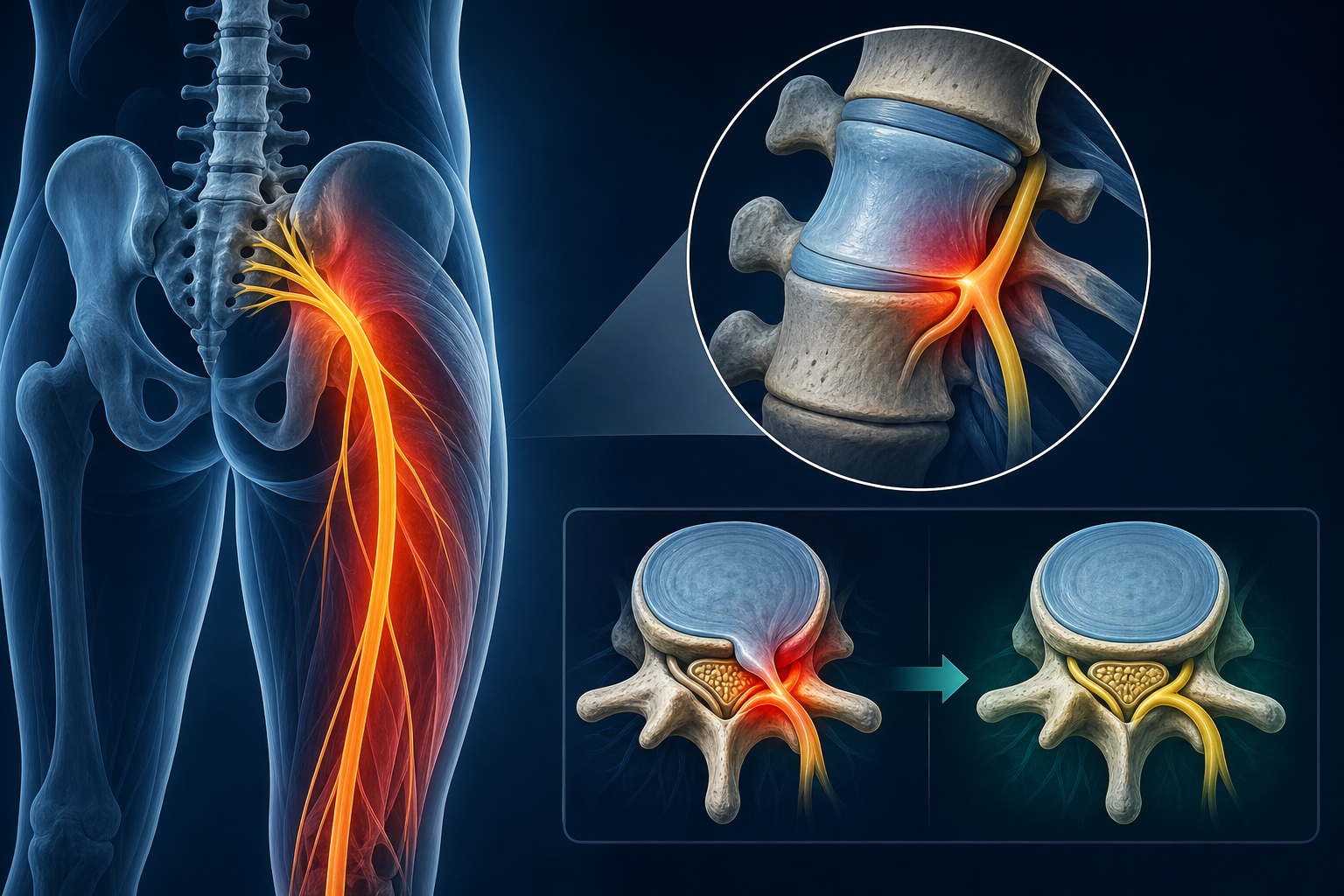
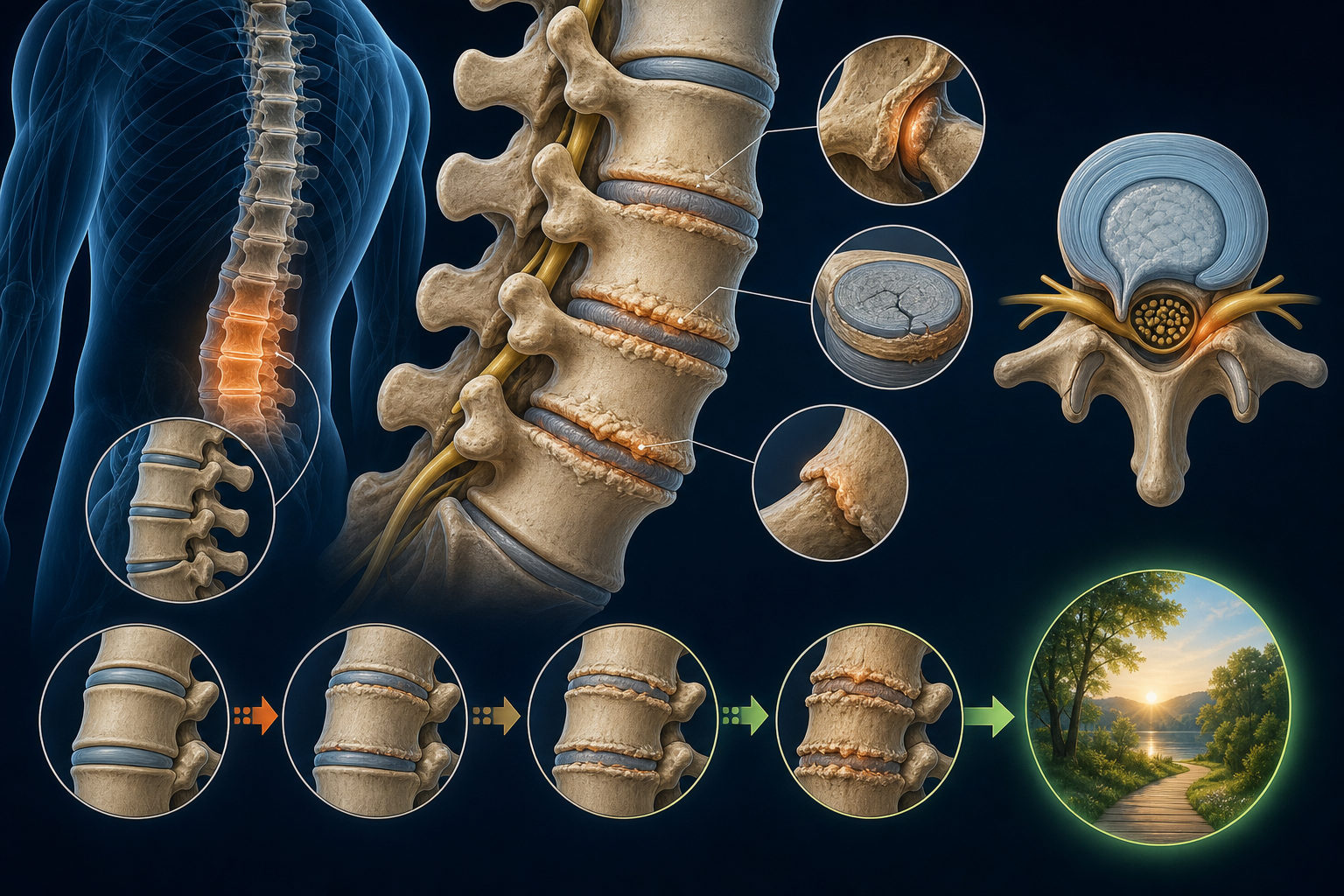
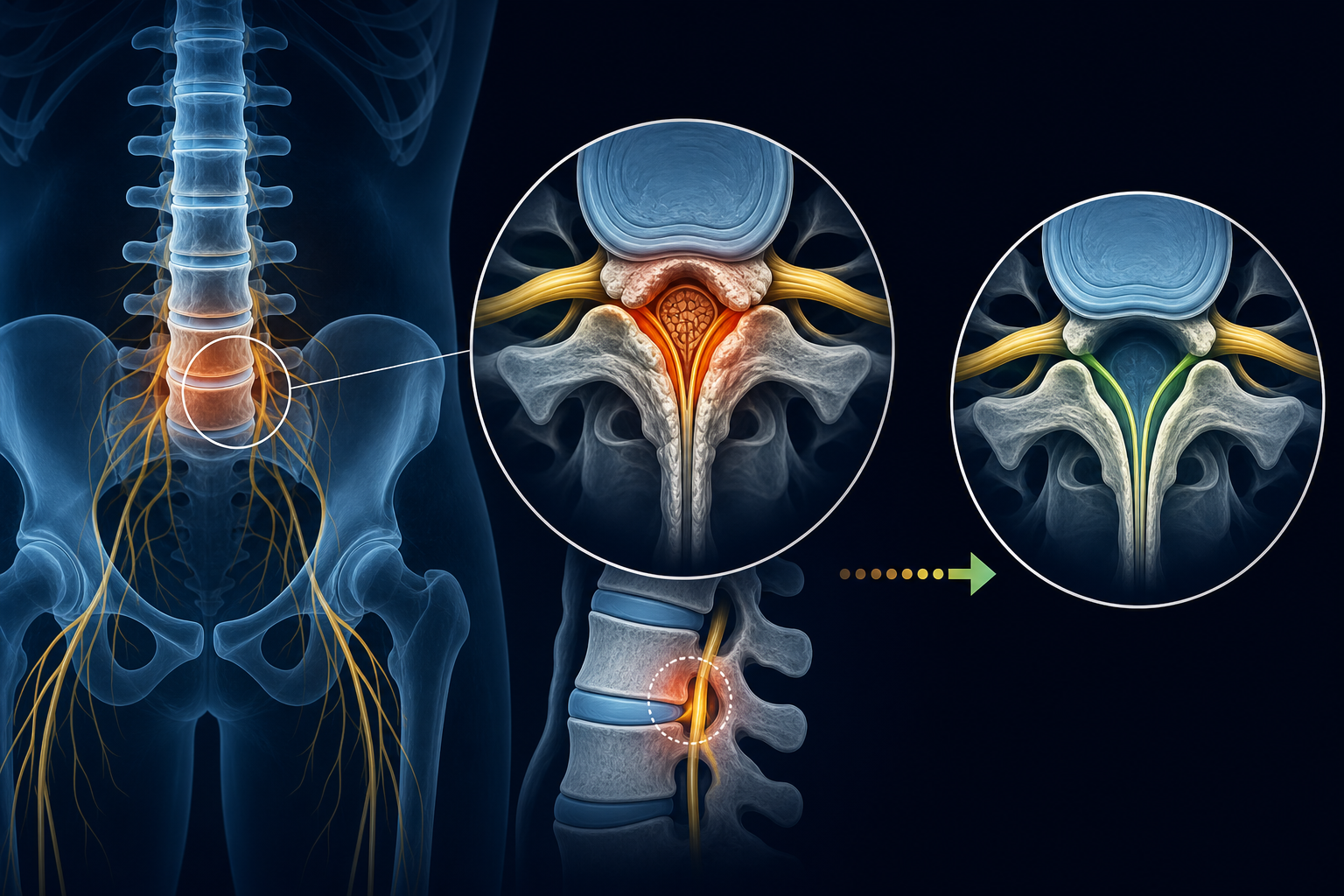
- Disc bulges and bone spurs can contribute to symptoms, especially when they irritate nearby spinal nerves.
- Conservative care focuses on restoring movement and balance with targeted exercise, stretching, and hands-on therapies.
- Daily habits—like walking, ergonomic setup, and regular mobility work—can support recovery and help prevent flare-ups.
Medical Disclaimer: This article is for informational purposes only and does not constitute medical advice, diagnosis, or treatment. Always consult a qualified healthcare provider for personalized medical guidance. If you are experiencing a medical emergency, call 911 or your local emergency number immediately.
Frequently Asked Questions
What causes low back pain most often?
Low back pain commonly comes from a mix of factors like muscle tension, reduced hip or spine mobility, and posture-related strain. Some people also have disc changes that can irritate nearby nerves. A provider can help identify whether your symptoms fit a mechanical pattern (movement-related) and which muscles and joints may be driving it.
Can low back pain heal naturally without medication or surgery?
Many cases of low back pain improve with conservative, non-invasive care and time. Staying active within tolerance, building core and hip strength, improving flexibility, and addressing movement habits can reduce symptoms for many people. The right plan depends on your triggers, how long symptoms have lasted, and whether nerve irritation signs are present.
What are safe at-home strategies for low back pain?
Start with gentle movement and consistency. Short walks, light stretching for hips and hamstrings, and basic core stability exercises may help. Pay attention to positions that flare symptoms and adjust your workstation or lifting technique. If pain is worsening, spreading down the leg, or limiting daily tasks, get evaluated before pushing harder.
How can posture and muscle imbalance contribute to low back pain?
When certain muscles stay tight and others get weak, your body may move with less efficiency. That can overload the low back during sitting, bending, or lifting. Common patterns include tight hip flexors and weak glutes, which can increase strain on the lumbar spine. Corrective exercises and mobility work aim to restore better balance and control.
When should I see a provider for low back pain?
Schedule an evaluation if your low back pain lasts more than a couple of weeks, keeps returning, or limits work, sleep, or exercise. Get prompt care if you notice numbness, tingling, or weakness in a leg, or if pain travels below the knee. A provider can screen for nerve involvement and guide a safe, progressive plan.
Sources
- Low Back Pain Fact Sheet — National Institute of Neurological Disorders and Stroke (NINDS) (2023)
- Low Back Pain — World Health Organization (WHO) (2023)
- Back Pain — National Center for Complementary and Integrative Health (NCCIH) (2022)