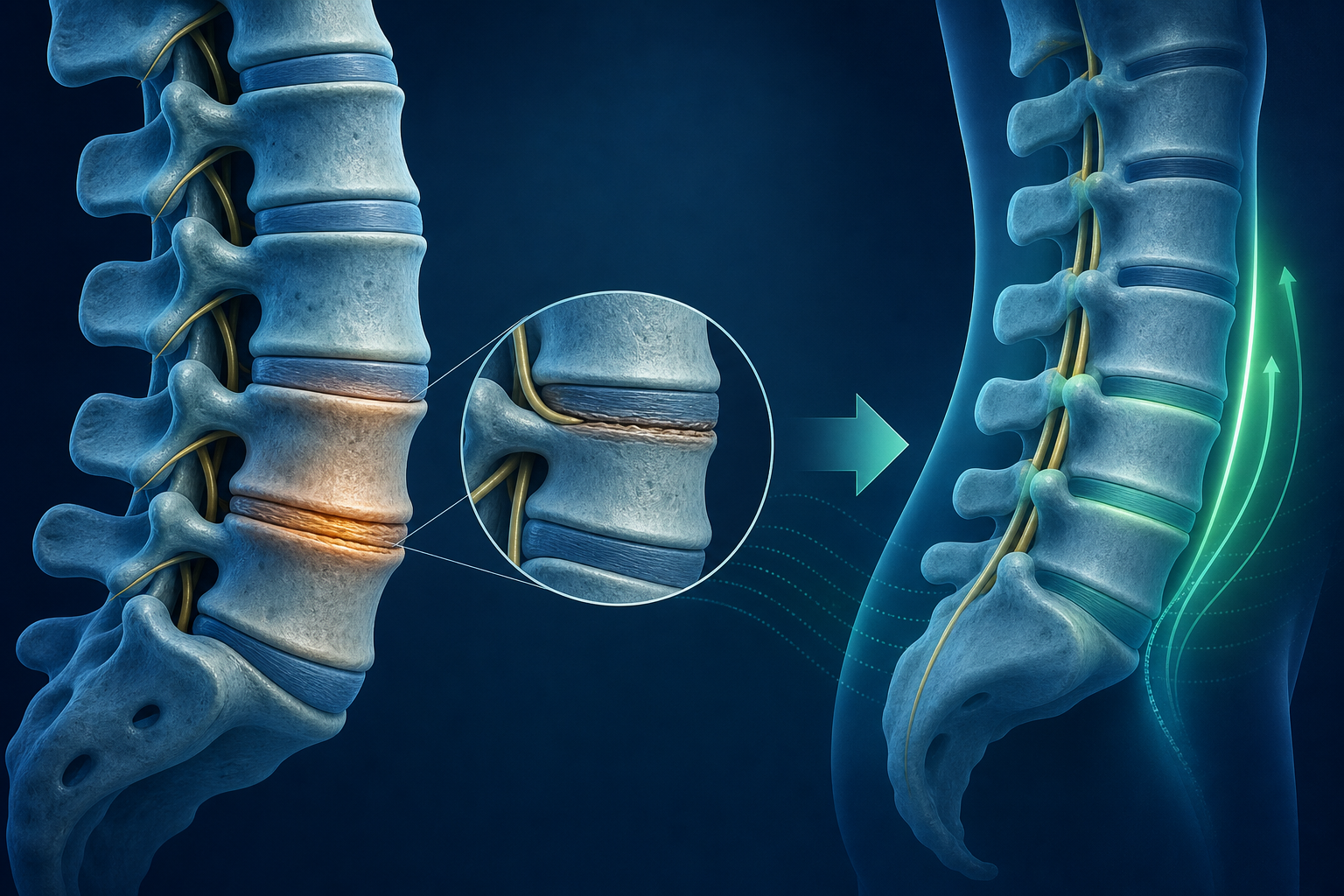
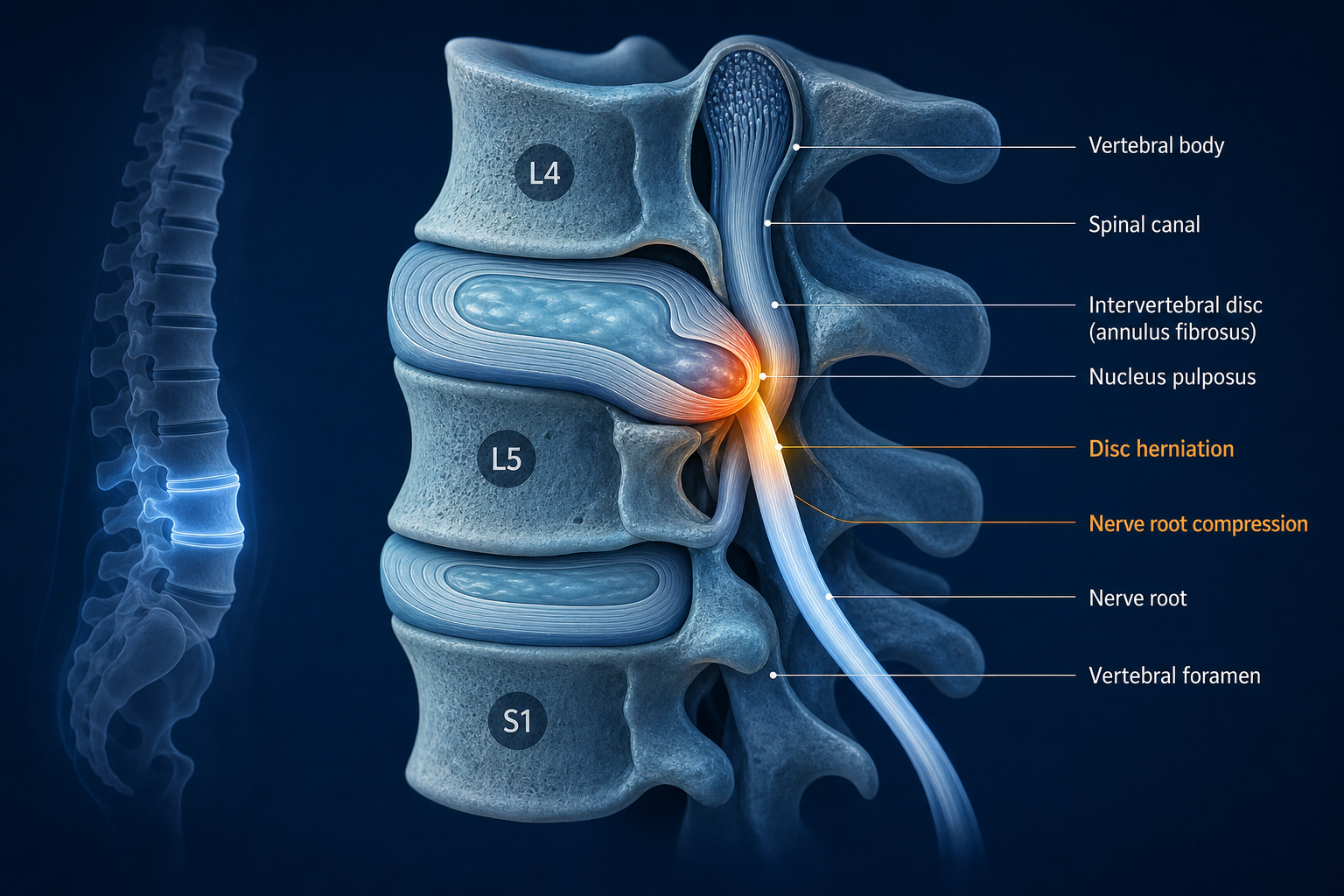
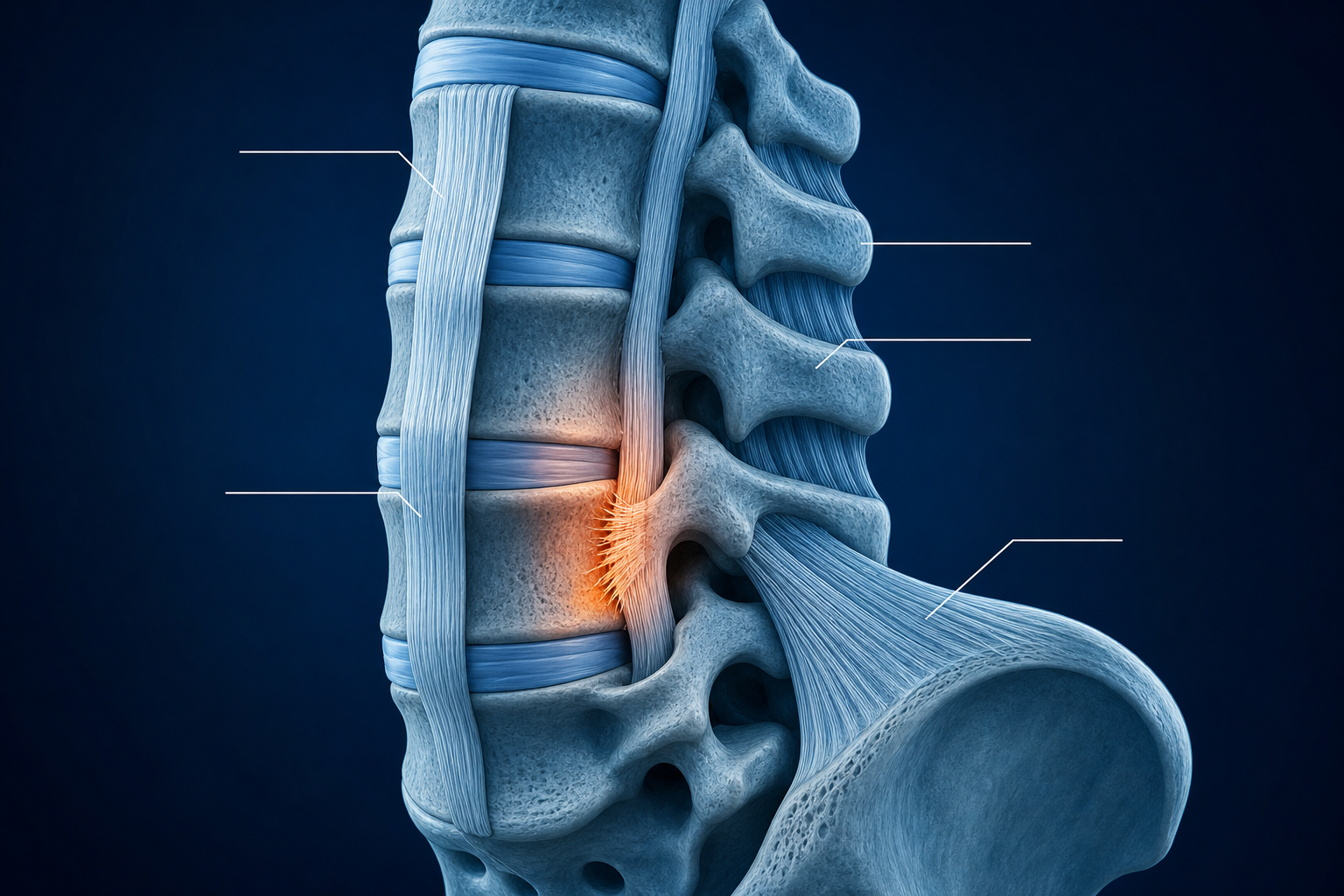
Low back pain is a prevalent condition affecting millions worldwide, significantly impacting daily activities and quality of life. While many treatments are available, ranging from medication to physical therapy, an often-overlooked avenue is the role of upper cervical care in managing and alleviating low back pain. This blog post explores how a natural, holistic approach focusing on the upper cervical spine can offer substantial relief for those suffering from low back pain.
Understanding the Connection
The spine is a complex structure that runs from the base of your skull to your tailbone, comprising vertebrae, discs, nerves, muscles, and ligaments. The upper cervical region, consisting of the first two vertebrae near the skull, plays a pivotal role in the spine's overall health and functionality. Misalignments or subluxations in this area can have far-reaching effects, potentially leading to or exacerbating low back pain.
The Domino Effect
The spine's interconnectivity means that an issue in one region can affect other areas. An upper cervical misalignment can alter the spine's natural alignment, leading to compensatory changes down the spine. This domino effect can place undue stress on the lower back, contributing to discomfort and pain.
Nervous System Impact
The upper cervical spine is intimately linked with the central nervous system, housing vital pathways that communicate between the brain and body. Misalignments can disrupt this communication, leading to dysfunction and pain in distant body parts, including the lower back.
The Natural Approach to Relief
Upper cervical care focuses on correcting these misalignments through precise, gentle adjustments. This specialized chiropractic care aims to restore proper alignment to the upper cervical spine, thereby reducing the strain and imbalance throughout the spine. Let's delve into how this approach can naturally aid in low back pain relief.
Precise Diagnosis
The first step in upper cervical care is a thorough examination, often including advanced imaging techniques, to accurately diagnose any misalignments. This precise diagnosis is crucial for tailoring the treatment to the individual's specific needs
Gentle Adjustments
Unlike traditional chiropractic manipulations, upper cervical adjustments are gentle and targeted. Practitioners use specific techniques to encourage the upper cervical vertebrae back into their natural positions without forceful movements, minimizing the risk of further injury.
Holistic Benefits
By addressing the root cause of spinal imbalance, upper cervical care not only aids in relieving low back pain but also promotes overall spinal health. Patients often report improvements in other areas, such as enhanced mobility, decreased tension headaches, and a general sense of well-being.
Patient Success Stories
Numerous patients have found significant low back pain relief through upper cervical care. From those suffering from chronic conditions to individuals experiencing acute pain due to injuries, many report a marked improvement in their symptoms and a return to daily activities without reliance on medication or invasive procedures.
Conclusion
Upper cervical care offers a natural, non-invasive approach to low back pain relief, addressing the issue at its source rather than merely treating the symptoms. By ensuring the upper cervical spine's proper alignment, this specialized care can lead to significant improvements in low back pain and overall spinal health. If you're seeking an alternative or complementary treatment for low back pain, consider consulting with an upper cervical chiropractor to explore how this approach can benefit you. With the right care, low back pain doesn't have to be a permanent part of your life.