Sciatica is a common reason people search for help with lower back, buttock, hip, or leg pain. The term describes symptoms that follow the path of the sciatic nerve, which runs from the lower spine through the buttock and down the back of each leg. For some people, sciatica feels like a deep ache. For others, it may feel sharp, burning, electric, or accompanied by tingling or numbness.
Understanding sciatica: symptoms, causes, and treatment can help you recognize when nerve-related pain may be involved and when it is time to see a qualified provider. Many cases improve with conservative care such as activity modification, chiropractic care, physical therapy, exercise progression, and ergonomic changes. However, persistent, worsening, or severe symptoms should be evaluated so the underlying cause and safest next steps can be identified.
If you are comparing options for care, Medximity can help you explore sciatica resources, learn about lower back pain, and find conservative-care providers near you.
What Is Sciatica Pain?
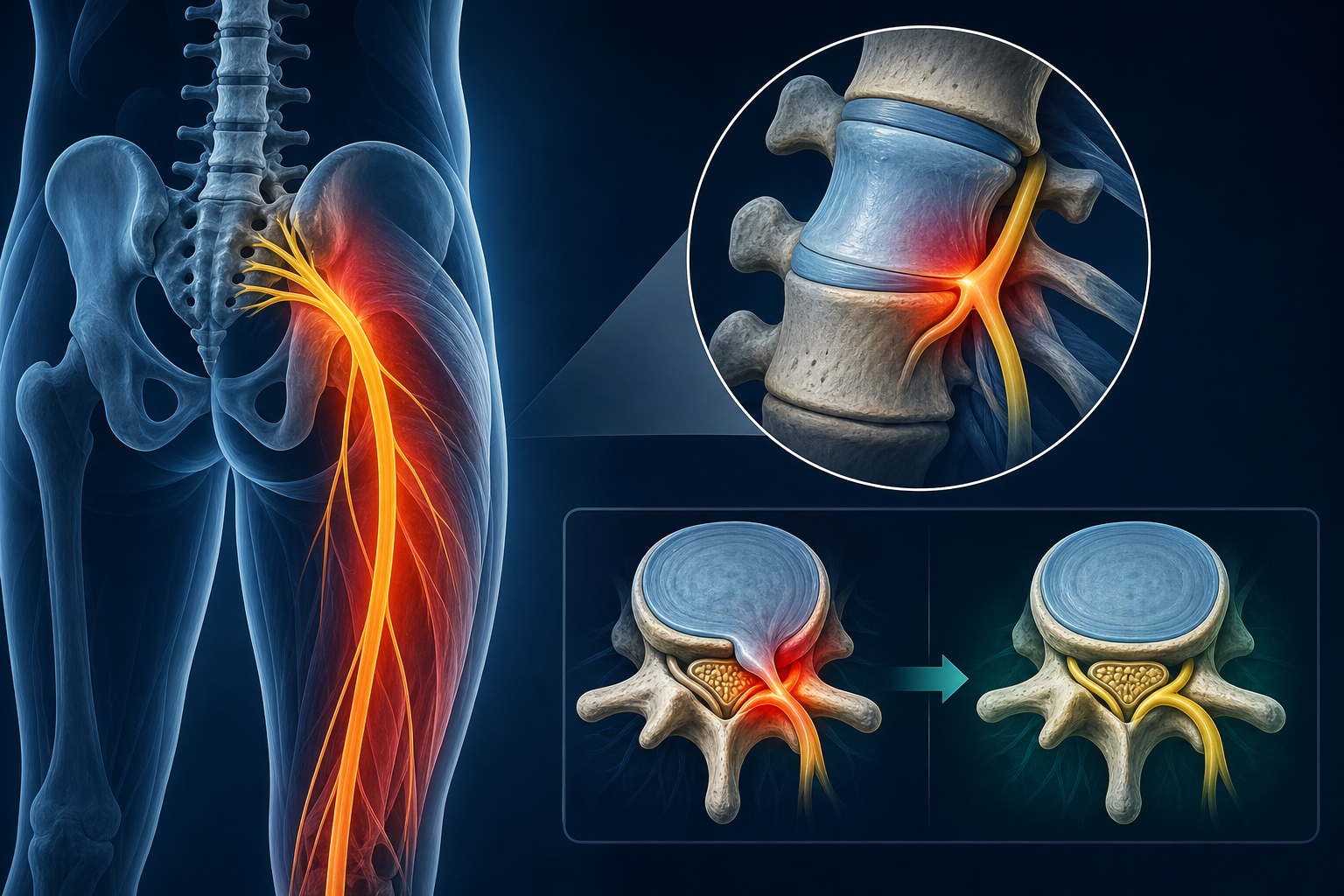
When people ask, “what is sciatica pain,” they are usually describing pain that starts in the lower back, buttock, or hip and travels down one leg. Sciatica is not a diagnosis by itself. It is a pattern of symptoms that may occur when the sciatic nerve or nerve roots in the lower spine are irritated, compressed, or inflamed.
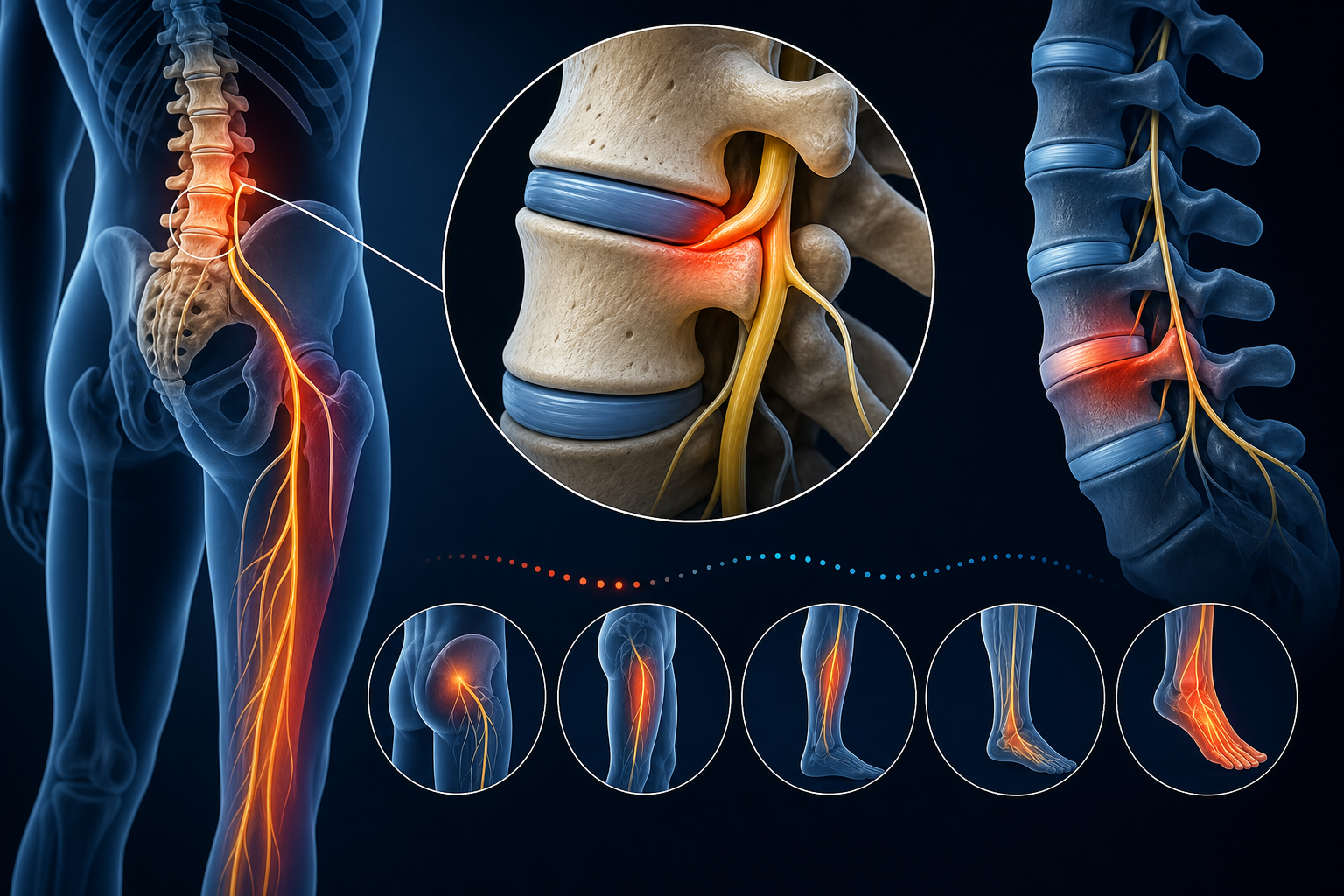
The sciatic nerve is the largest nerve in the body. It forms from nerve roots in the lower lumbar and sacral spine, then travels through the pelvis, buttock, thigh, calf, and foot. Because the nerve supplies sensation and muscle control to parts of the leg, irritation can cause symptoms far from the low back. That is why someone may have calf tingling, foot numbness, or thigh pain even when the source is related to the lower spine.
Not every case of leg pain is sciatica. Muscle strain, hip joint irritation, sacroiliac joint pain, peripheral nerve entrapment, vascular conditions, and other issues can mimic sciatic-type symptoms. A provider can help sort out the likely source based on your history, movement testing, neurologic screening, and symptom pattern.
Common Sciatica Symptoms Down One Leg
Sciatica symptoms down one leg often follow a recognizable route, but the exact pattern can vary. Some people feel symptoms from the low back into the buttock and back of the thigh. Others feel pain in the calf, ankle, or foot with little back pain. Symptoms may be constant or may come and go with certain movements or positions.
Symptoms patients commonly report
- Pain that radiates from the lower back or buttock into one leg
- Burning, shooting, electric, or sharp pain along the leg
- Numbness, tingling, or “pins and needles” in the thigh, calf, foot, or toes
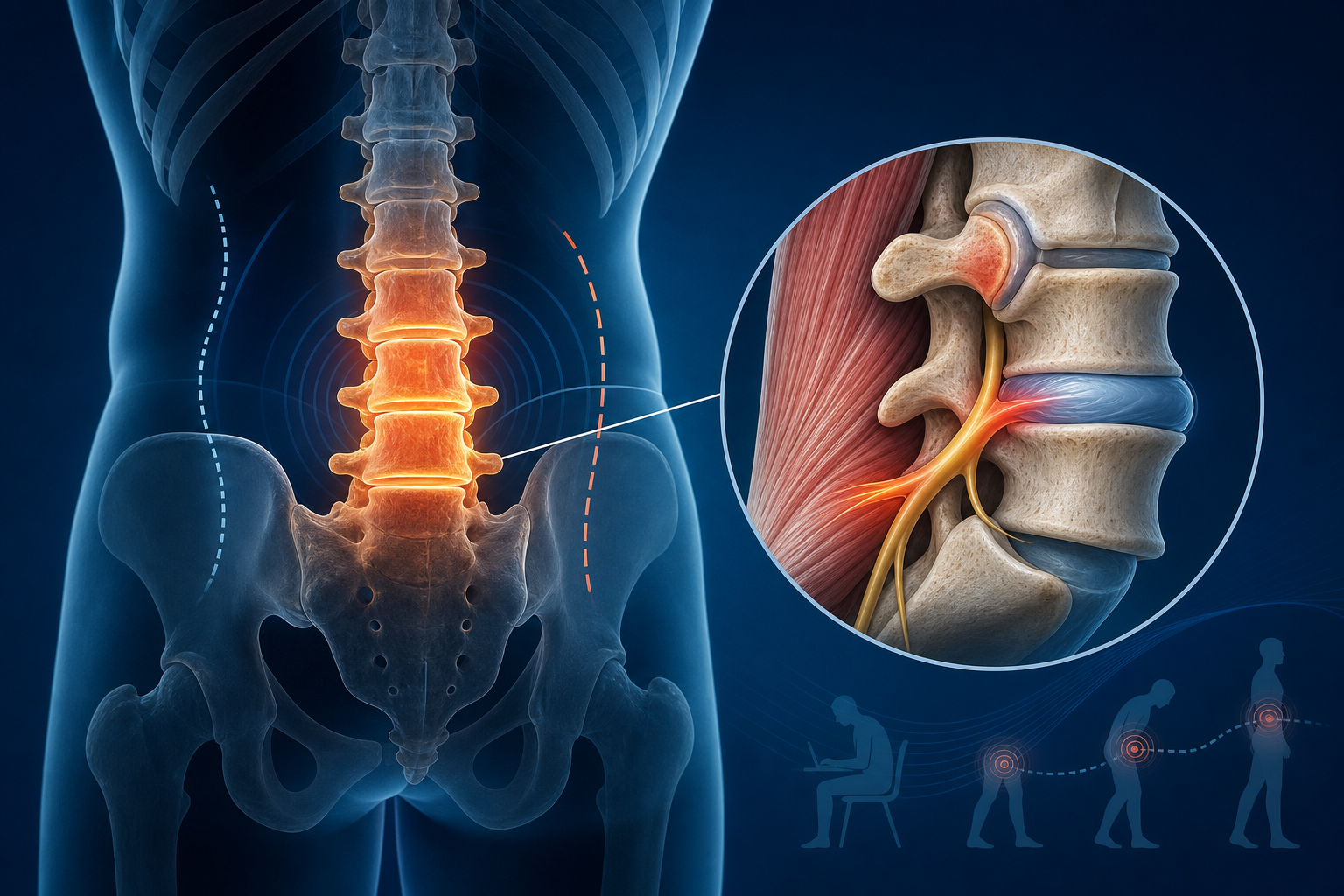
- Pain when sitting with sciatica, especially after longer periods
- Symptoms that worsen with bending, lifting, coughing, sneezing, or driving
- Weakness, heaviness, or reduced control in part of the leg in some cases
- Relief with position changes, walking, lying down, or gentle movement for some patients
Some symptoms need prompt medical attention. Seek urgent evaluation if you develop new loss of bladder or bowel control, numbness in the groin or saddle area, significant or progressive leg weakness, fever with back pain, unexplained weight loss, major trauma, or severe pain that is rapidly worsening. These symptoms do not mean a specific condition is present, but they can signal the need for immediate assessment.
Lower Back Pain vs Sciatica: What Is the Difference?
Lower back pain vs sciatica can be confusing because the two often overlap. Lower back pain may stay in the lumbar area or spread into the hips and buttocks. Sciatica typically includes nerve-type symptoms that travel below the buttock and into the leg, often on one side.
A simple way to think about it is this: mechanical low back pain often relates to muscles, joints, discs, or ligaments in the lower spine and may feel achy, stiff, or sore. Sciatica involves irritation of nerve tissue and may feel more like burning, shooting, tingling, numbness, or radiating pain. That said, the body is not always textbook. Some people with sciatic nerve irritation have mostly back pain, and some people with hip or muscle problems have pain that travels into the leg.
For a deeper comparison, you can review Medximity’s related guide to lower back pain vs sciatica. If your symptoms include radiating leg pain or neurologic signs such as numbness or weakness, an in-person evaluation is often the safest way to understand what may be contributing.
What Causes Sciatica to Flare Up?
Many different factors may irritate the sciatic nerve or the nerve roots that help form it. What causes sciatica to flare up in one person may be different from what triggers symptoms in another. A flare-up often reflects a combination of tissue irritation, movement sensitivity, inflammation, muscle guarding, and load on the spine or pelvis.
Common contributing factors
- Lumbar disc irritation or herniation: Disc material or inflammation near a nerve root may contribute to radiating leg pain.
- Spinal stenosis: Age-related narrowing around the nerves may be associated with leg pain, numbness, or heaviness, often worse with standing or walking.
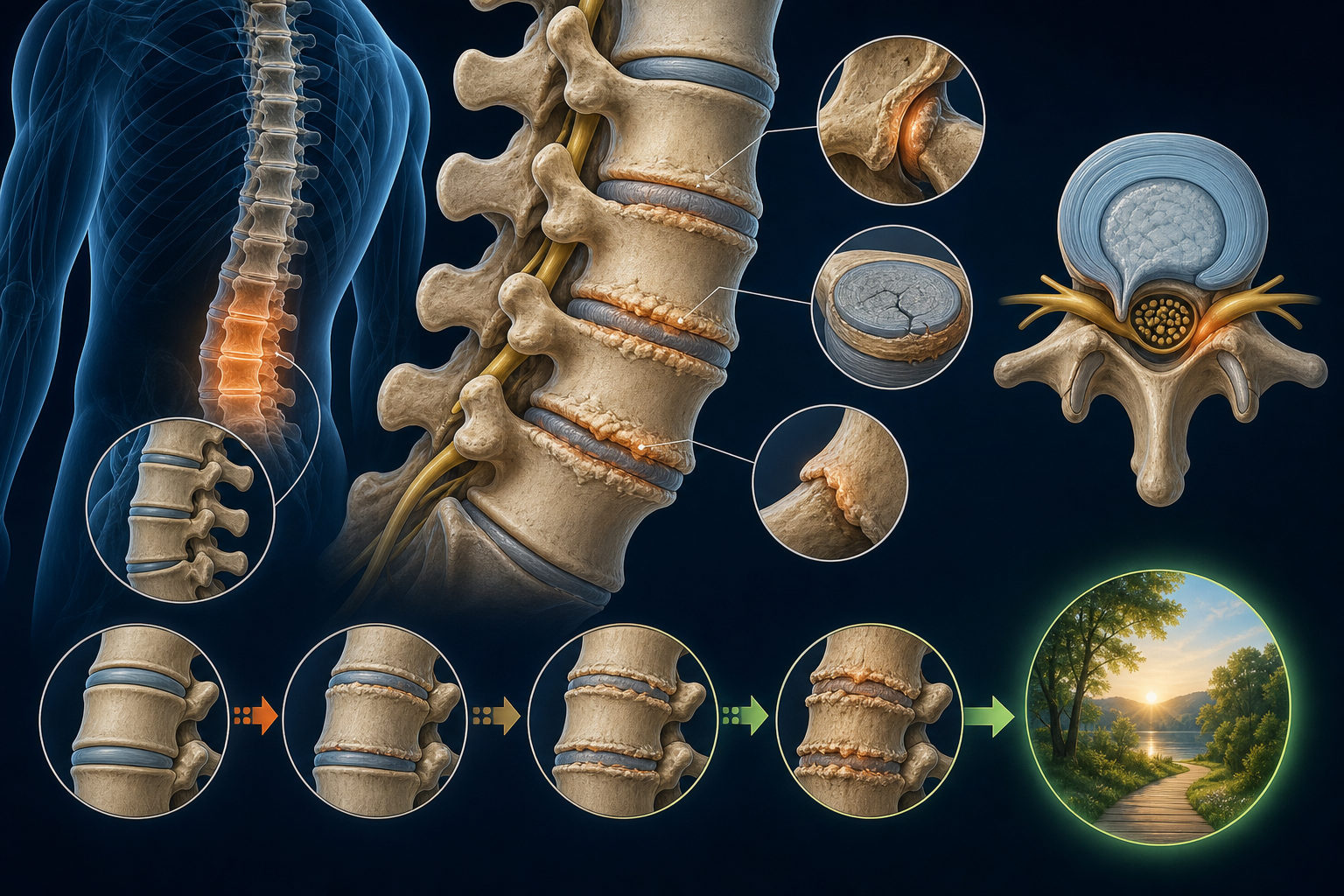
- Degenerative changes: Joint and disc changes in the lower spine can sometimes irritate nearby nerve structures.
- Piriformis or deep gluteal irritation: Tightness or irritation in deep buttock muscles may contribute to sciatic-like symptoms in some people.
- Prolonged sitting: Sitting can increase pressure through the lower spine and buttock, which may explain pain when sitting with sciatica.
- Repetitive bending or lifting: Poor load management, fatigue, or sudden increases in activity may aggravate symptoms.
- Deconditioning or mobility limitations: Reduced hip strength, trunk endurance, or movement tolerance may make flare-ups more likely for some people.
It is also common for symptoms to appear after no obvious injury. A person may wake up with leg pain or notice symptoms after a long drive, yard work, a gym session, or a work shift. A provider can help identify patterns and create a plan that matches the likely source of irritation.
Is It Normal for Sciatica to Spread?
People often ask, “is it normal for sciatica to spread?” Sciatic-type symptoms may change location as nerve irritation changes. Pain may start in the back or buttock and later move farther down the leg. In some cases, symptoms may also move out of the leg and become more centralized toward the back as they improve, although this varies by person.
New or spreading symptoms should not be ignored, especially if they include numbness, weakness, balance changes, or difficulty controlling the foot or ankle. A change in symptom location does not automatically mean something dangerous is happening, but it is a good reason to be evaluated if symptoms are persistent, severe, or interfering with daily activity.
How Long Does Sciatica Last?
How long sciatica lasts depends on the underlying cause, symptom severity, general health, activity demands, and how the irritated tissues respond to care. Some mild episodes improve over days to a few weeks. Other cases can last several weeks or longer, especially when nerve irritation is significant or when daily activities keep aggravating the area.
Research and clinical guidelines generally support conservative care as an early approach for many people with sciatica, provided there are no red-flag symptoms or progressive neurologic deficits. Improvement may be gradual. Pain intensity, leg symptoms, sitting tolerance, walking distance, and sleep quality are often useful markers to track over time.
If symptoms are not improving, keep returning, or are limiting work, driving, sleep, or exercise, it may be time to see a provider. Waiting too long can make it harder to identify avoidable triggers and may lead to unnecessary guarding, fear of movement, or loss of strength.
When to See a Provider for Sciatica
You do not need to wait until pain becomes unbearable to ask for help. A chiropractor, physical therapist, or other qualified provider can evaluate your symptoms, screen for signs that need medical referral, and help you build a conservative plan.
Consider scheduling an evaluation if you have:
- Leg pain, tingling, or numbness that lasts more than a few days or keeps returning
- Pain that travels below the knee
- Symptoms that interfere with sitting, walking, sleeping, work, or exercise
- Back or leg pain after a fall, collision, or other injury
- Concern about weakness, balance, or changes in foot control
- Symptoms that worsen despite rest and basic self-care
Seek urgent care for severe or progressive neurologic symptoms, changes in bowel or bladder control, numbness in the saddle area, fever with back pain, or other concerning systemic symptoms. For non-emergency symptoms, Medximity can help you find a chiropractor near you or compare physical therapists near you.
How Do Doctors Diagnose Sciatica?
Many patients wonder, “how do doctors diagnose sciatica?” Diagnosis typically begins with a conversation and physical exam. A provider may ask where symptoms begin, how far they travel, what makes them better or worse, whether numbness or weakness is present, and how symptoms affect normal activity.
What an evaluation may include
- Health history: Your provider may ask about prior back pain, injuries, work demands, exercise, medical history, and symptom timeline.
- Movement assessment: You may be asked to bend, extend, rotate, walk, squat, or change positions to see how symptoms respond.
- Neurologic screening: Reflexes, sensation, muscle strength, and nerve tension tests may help identify nerve involvement.
- Functional testing: Sitting tolerance, gait, lifting mechanics, hip mobility, and core control may be assessed.
- Imaging referral when appropriate: Imaging is not always needed right away, but a provider may recommend referral if symptoms are severe, persistent, worsening, or associated with red flags.
A good evaluation should do more than name the symptoms. It should help explain what movements are sensitive, what activities may need temporary modification, and what conservative strategies may be appropriate for your situation.
Sciatica Treatment Without Surgery
Sciatica treatment without surgery often focuses on reducing nerve irritation, improving movement tolerance, restoring strength, and helping patients return to normal activity safely. Conservative care is not one-size-fits-all. The best approach depends on the suspected cause, symptom behavior, irritability level, and your goals.
Chiropractic care for sciatica
Chiropractic care may help some patients with sciatica by addressing joint mobility, spinal mechanics, muscle tension, and movement patterns that contribute to irritation. Care may include spinal manipulation or mobilization, soft-tissue techniques, stretching, exercise instruction, and ergonomic guidance. Not every patient is a candidate for every technique, so a chiropractor should adapt care to your exam findings and comfort level.
You can learn more about Medximity’s overview of chiropractic care and how it may be used as part of a conservative plan.
Physical therapy for sciatica
Physical therapy may help by improving mobility, strength, nerve sensitivity, posture tolerance, and confidence with movement. A physical therapist may use directional exercises, nerve glides, hip and core strengthening, manual therapy, gait training, and a graded return-to-activity plan. For many patients, the goal is not simply short-term symptom relief. It is also building the capacity to sit, walk, lift, work, and exercise with less irritation.
Medximity also offers a patient-friendly guide to physical therapy if you want to understand what sessions may include.
Exercise and movement progression
With sciatica, complete bed rest is rarely helpful for long periods unless a provider has specifically advised temporary rest for your situation. Gentle movement is often better tolerated than staying still all day. Short walks, comfortable mobility drills, and position changes may help some people manage symptoms. Exercises should be matched to your response. A movement that helps one person may aggravate another.
Ergonomics and activity modification
Small changes to sitting, driving, lifting, and sleeping positions may reduce repeated irritation. For example, some people do better with a lumbar support while sitting, more frequent standing breaks, or avoiding deep forward bending during a flare-up. Others may need to reduce long drives, heavy lifting, or high-impact activity temporarily while symptoms calm down.
Natural Treatment for Sciatica Pain and Home Relief
Many people search for natural treatment for sciatica pain because they want noninvasive ways to feel and move better. Home strategies may help mild symptoms, but they should not replace an evaluation when pain is severe, persistent, spreading, or associated with numbness or weakness.
How to relieve sciatica at home
- Change positions often: Avoid staying in one posture for long periods. Alternate sitting, standing, and walking as tolerated.
- Use gentle walking: Short, easy walks may help maintain mobility if they do not increase leg symptoms.
- Try heat or cold: Some people prefer cold during an acute flare, while others feel better with heat. Use whichever is comfortable and avoid extremes.
- Modify sitting: Use a supportive chair, keep feet flat, and consider a small lumbar roll if it reduces symptoms.
- Avoid aggressive stretching: Hard hamstring or glute stretching can irritate nerve-sensitive symptoms in some people. Gentle mobility is usually safer.
- Track triggers: Note whether symptoms worsen with bending, lifting, sitting, walking, or certain workouts. This information can help your provider.
Home care should be guided by symptom response. If a strategy increases radiating leg pain, numbness, tingling, or weakness, stop and seek professional guidance. A conservative-care provider can help you choose movements that fit your exam rather than guessing from general advice online.
What to Expect at a Sciatica Appointment
Your first appointment should feel focused and practical. The provider will usually begin by listening to your symptom story and asking questions about your pain location, leg symptoms, triggers, prior episodes, work demands, and health history. They may ask whether symptoms change with sitting, standing, walking, bending, coughing, or lying down.
During the exam, you may be asked to perform simple movements so the provider can observe mobility and symptom behavior. They may check strength, reflexes, sensation, and nerve tension signs. If findings suggest you need a different type of evaluation, they may refer you to an appropriate medical professional.
If conservative care is appropriate, your plan may include hands-on care, therapeutic exercise, education, home movement strategies, posture or workstation changes, and a gradual return to activity. Your provider should explain what they are doing, why it may help, and what changes to watch for between visits.
How to Choose a Sciatica Chiropractor or Physical Therapist Near Me
If you are searching for “sciatica chiropractor or physical therapist near me,” look for a provider who evaluates the full pattern of your symptoms rather than treating only the painful spot. Sciatica often requires attention to the lower back, hips, legs, daily movement habits, and activity load.
Helpful questions to ask
- Do you commonly evaluate radiating leg pain or sciatic-type symptoms?
- Will you screen strength, reflexes, sensation, and movement tolerance?
- How do you decide whether chiropractic care, physical therapy, or another referral is appropriate?
- Will I receive home exercises or activity guidance?
- How will we measure progress, such as sitting tolerance, walking distance, sleep, or leg symptoms?
Medximity makes it easier to compare conservative-care options. You can search for sciatica chiropractors or physical therapists for sciatica and review provider information before scheduling.
Key Takeaways
- Sciatica describes nerve-related symptoms that often travel from the lower back or buttock down one leg.
- Common symptoms include radiating pain, burning, tingling, numbness, and pain when sitting with sciatica.
- Possible causes include disc irritation, spinal stenosis, degenerative changes, deep gluteal irritation, and activity-related flare-ups.
- Diagnosis usually involves a history, movement exam, neurologic screening, and imaging referral only when appropriate.
- Many people start with sciatica treatment without surgery, including chiropractic care, physical therapy, exercise, and ergonomic changes.
- Seek urgent evaluation for bowel or bladder changes, saddle numbness, progressive weakness, fever, trauma, or rapidly worsening symptoms.
FAQ: Understanding Sciatica
What is sciatica pain?
Sciatica pain refers to symptoms that follow the sciatic nerve pathway, often from the lower back or buttock into one leg. It may feel sharp, burning, electric, achy, numb, or tingly. Sciatica is a symptom pattern, not a final diagnosis by itself.
What causes sciatica to flare up?
Sciatica may flare after prolonged sitting, bending, lifting, driving, sudden activity increases, or irritation from spinal or hip-related structures. Disc irritation, spinal stenosis, degenerative changes, and deep gluteal muscle irritation may contribute in some cases.
How do doctors diagnose sciatica?
Providers usually diagnose sciatic-type symptoms through a health history, physical exam, movement testing, and neurologic screening. Imaging may be considered when symptoms are severe, persistent, worsening, or associated with concerning signs.
How long does sciatica last?
Some mild episodes improve within days to a few weeks, while other cases last longer. Duration depends on the cause, severity, activity demands, and response to care. Persistent or worsening symptoms should be evaluated by a qualified provider.
Can sciatica be treated without surgery?
Many people begin with conservative options such as chiropractic care, physical therapy, guided exercise, activity modification, and ergonomic changes. These approaches may help reduce irritation and improve function, but the right plan depends on an individual evaluation.
How can I relieve sciatica at home?
Gentle walking, frequent position changes, supportive sitting, heat or cold, and avoiding movements that increase leg symptoms may help some people. If symptoms are severe, spreading, or associated with numbness or weakness, seek professional guidance.
Should I see a chiropractor or physical therapist for sciatica?
Either may be appropriate depending on your symptoms and goals. Chiropractors often focus on spinal and joint mechanics along with movement guidance, while physical therapists often emphasize exercise progression, function, and rehabilitation. Some patients benefit from coordinated conservative care.
This article is for educational purposes only and is not a substitute for professional medical advice, diagnosis, or treatment. Always consult a qualified healthcare provider about your specific condition. If you may be experiencing a medical emergency, call 911 or seek emergency care immediately.