Nausea and jaw pain chiropractor Santa Clarita searches usually point to one question: could your jaw symptoms be coming from the temporomandibular joint, neck tension, or both, and is chiropractic care appropriate? In many cases, jaw pain with nausea overlaps with TMJ dysfunction, upper cervical stiffness, headache patterns, clenching, and posture strain, but some causes need a dental or medical evaluation first.
If your symptoms are mild to moderate, linked to chewing, clenching, neck tightness, or headaches, a chiropractor may help as part of conservative care. If you also have fever, major swelling, chest symptoms, facial drooping, or sudden neurologic changes, get urgent medical care instead of booking routine conservative treatment.
Nausea and Jaw Pain: Finding a Chiropractor in Santa ClaritaWhy Nausea and Jaw Pain Can Show Up Together
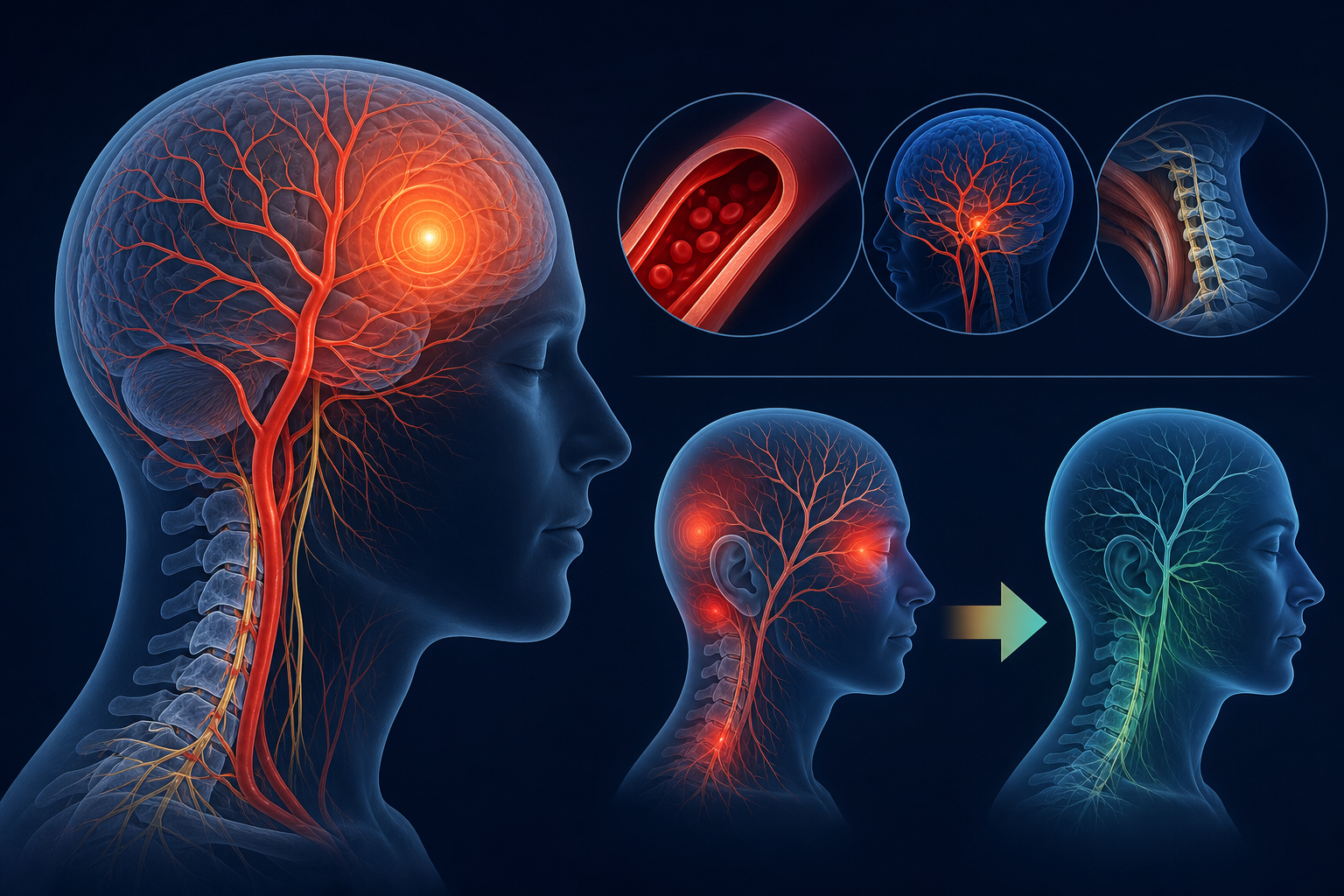
Jaw pain and nausea can happen together when the jaw joint, neck, and head pain systems overlap. The most common mechanical drivers are TMJ dysfunction, muscle overactivity in the masseter and temporalis, upper neck irritation around the suboccipital muscles, and headache patterns that refer pain into the face.
The jaw does not work in isolation. Your temporomandibular joint, cervical spine, bite mechanics, tongue position, and shoulder posture all influence how you open, chew, and speak. If the joint is irritated or the chewing muscles stay tight, you can get ear pressure, temple pain, neck stiffness, and nausea from the same flare.
Why do jaw pain and nausea happen?
They often happen because the same nerves and muscles contribute to both symptoms. Irritation around the jaw and upper neck can trigger headache-like symptoms, dizziness, motion sensitivity, and nausea.
- TMJ irritation: pain near the jaw hinge, clicking, popping, or pain with chewing
- Muscle tension: overactivity in the masseter, temporalis, and sternocleidomastoid
- Neck dysfunction: restricted upper cervical motion can refer pain to the jaw and head
- Headache overlap: migraine and cervicogenic headache can include nausea and jaw tightness
- Posture strain: forward head posture increases load on the jaw and neck during desk work
Research on temporomandibular disorders consistently shows they commonly coexist with neck pain and headache, which is why treatment often needs to address both regions rather than the jaw alone.
If your symptoms also include recurrent headaches, review migraine-related symptom patterns and common head pain causes. Those patterns often overlap with TMJ complaints more than patients expect.
Can neck tension cause nausea and jaw pain?
Yes. Neck tension can cause nausea and jaw pain when the upper cervical joints and surrounding muscles alter head position, jaw mechanics, and headache referral. This is one of the most common reasons people search for how to relieve jaw pain from neck tension.
When your head drifts forward over your shoulders, the jaw often sits under constant background load. That posture increases activity in the masseter, temporalis, and sternocleidomastoid while reducing efficient support from the deep neck flexors. The result can be morning jaw soreness, temple pressure, pain with chewing, and low-grade nausea during a flare.
Signs your neck may be part of the problem
- Jaw pain increases after computer work or driving
- Neck stiffness and temple pressure appear with chewing pain
- You wake up with clenching soreness or headaches
- Turning your head reproduces facial or jaw discomfort
- Symptoms improve when posture improves or when you support your neck
Mechanical cases often improve over 2 to 6 weeks of consistent conservative care if the main driver is muscle tension, joint restriction, or workstation posture. More persistent TMJ cases may need 6 to 8 visits over 3 to 6 weeks, combined with home exercises and habit changes.
Neck-related jaw symptoms are also common in people with desk-heavy jobs. For posture and workstation basics, see back pain prevention at work and neck pain treated by chiropractic doctors.
When Chiropractic Care May Help
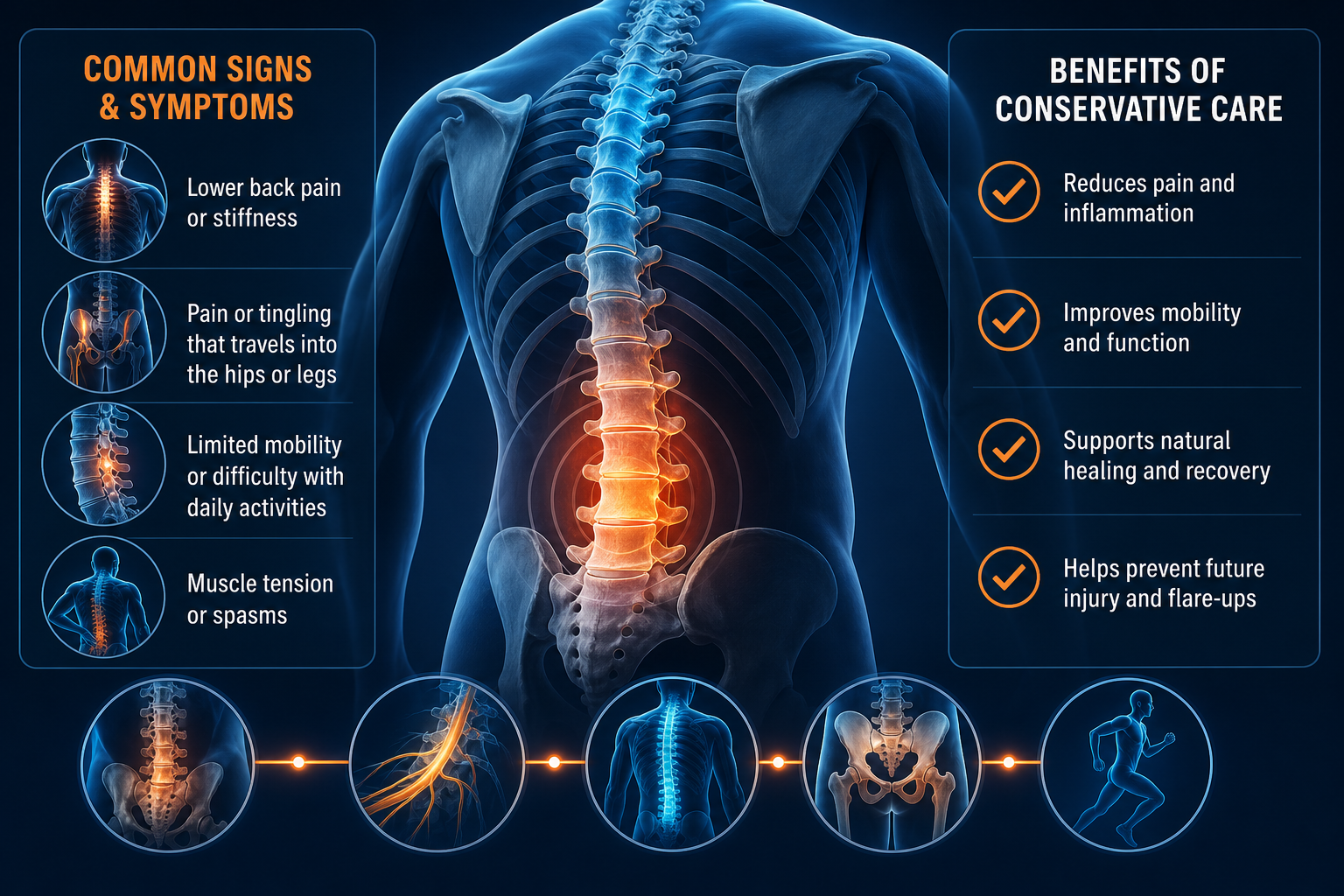
Chiropractic care may help when your nausea and jaw pain are linked to mechanical dysfunction rather than infection, significant dental disease, or an emergency condition. The best candidates usually have jaw pain with neck stiffness, headaches, clenching, limited mouth opening, or posture-related flares.
Conservative care focuses on restoring motion, reducing muscle guarding, and improving how the neck and jaw share load. A chiropractor may assess the upper cervical spine, rib cage, shoulder girdle, and TMJ mechanics rather than treating the jaw in isolation.
- Restricted cervical ROM, especially rotation and side-bending
- Tenderness in the masseter, temporalis, upper trapezius, or SCM
- Jaw deviation during opening
- Pain with chewing tough foods, yawning, or prolonged talking
- Headaches linked to jaw clenching or desk posture
Care commonly includes spinal and extremity joint mobilization, soft tissue treatment, posture correction, ergonomic advice, and exercise therapy. Some providers also coordinate with a PT, dentist, or another provider if bite loading, bruxism, or persistent locking is part of the picture.
Conservative treatment works best when it combines hands-on care with home loading changes. Passive treatment alone rarely solves repeated clenching and posture strain.
If your symptoms extend into neck pain or headache referral, articles on migraine and spinal pain overlap and neck pain care provide useful background.
When to See a Medical or Dental Provider First
See a dentist or medical provider first if your symptoms suggest infection, dental injury, cardiac referral, or a neurologic event. Chiropractic care is not the first stop for severe swelling, fever, trauma, facial weakness, or chest symptoms.
If you are asking when should I see a dentist for jaw pain, the answer is immediately when pain is tooth-specific, worsens with biting on one tooth, follows recent dental work, or comes with gum swelling, bad taste, or visible tooth damage. Dental sources can refer pain into the jaw joint and ear area.
Urgent red flags
- Fever with jaw pain or facial swelling
- Rapidly increasing swelling under the jaw or near the cheek
- Chest pressure, shortness of breath, arm pain, or sweating
- Facial drooping, slurred speech, confusion, or sudden severe dizziness
- Lockjaw with inability to swallow normally
- Trauma with suspected fracture or dislocation
See a dentist first if you have
- Pain clearly triggered by one tooth
- Pain when chewing with nausea and neck stiffness after dental irritation
- Cracked tooth signs or new bite changes
- Gum infection, pus, or bleeding around one area
Acute muscular jaw flares may settle within 7 to 14 days if you remove aggravating foods and reduce clenching. Symptoms lasting beyond 2 to 3 weeks, or recurring monthly, deserve a structured evaluation.
What to Expect at a First Visit for Jaw and Neck Symptoms
What happens at first chiropractic visit for jaw pain is usually a mechanical exam of the jaw, neck, posture, and headache pattern. A good first visit should tell you whether your symptoms look musculoskeletal, whether you need referral, and what the initial care plan will include.
- History: onset, chewing pain, clenching, headaches, nausea timing, trauma, dental work, and sleep habits
- Jaw exam: mouth opening, deviation, clicking, joint tenderness, and pain with lateral movement
- Neck exam: ROM, segmental stiffness, muscle tenderness, and symptom reproduction
- Posture screen: head position, shoulder rounding, tongue resting posture, and workstation habits
- Plan: trial care, home exercises, and referral if findings point elsewhere
Your provider may palpate the masseter, temporalis, pterygoid region externally where appropriate, upper trapezius, and SCM. They may also test whether opening the jaw reproduces pain more than biting, which helps separate muscular loading from obvious dental irritation.
Finding at First Visit What It May Suggest Typical Next Step Expected Timeline Pain at jaw hinge with clicking TMJ irritation or disc-related dysfunction Conservative jaw and neck care, soft diet, mobility work 2-6 weeks in many mild cases Jaw pain plus major neck stiffness Cervical contribution to jaw symptoms Neck-focused manual therapy and exercise 2-4 weeks for early improvement One-tooth bite pain or gum swelling Dental source Dental evaluation first Depends on dental findings Facial weakness or sudden neurologic change Non-musculoskeletal red flag Urgent medical care Same dayConservative Care Options for Jaw Pain, Neck Tension, and Related Nausea
Treatment for jaw pain and nausea usually works best when it combines jaw load reduction, cervical treatment, soft tissue work, and targeted exercise. If you want jaw pain treatment without surgery, this is the standard starting point for mechanical cases.
Hands-on care may include TMJ-friendly mobilization, cervical adjustments or mobilization where appropriate, myofascial work to the masseter and temporalis, and treatment to the upper thoracic spine. But home care matters just as much.
Step-by-step home protocol
- Use a soft-food reset for 3 to 5 days. Avoid gum, bagels, jerky, hard crust, and very wide bites.
- Apply warm compresses for 10 minutes. Place heat over the masseter and temple area 2 to 3 times daily.
- Do controlled jaw opening. Put your tongue lightly on the roof of your mouth behind the front teeth. Open and close in a straight line for 8 to 10 reps, 2 to 3 sets daily.
- Add chin tucks. Sit tall, pull your head straight back without looking down, hold 3 seconds, repeat 10 reps, 2 sets daily.
- Reduce clenching. Keep teeth apart and lips together when not chewing. This unloads the joint.
- Sleep with neutral neck support. Avoid stomach sleeping if it rotates your jaw and cervical spine.
This combination often improves mild muscular flares within 1 to 2 weeks. More stubborn cases linked to bruxism and desk posture often take 4 to 8 weeks of consistent work.
- Soft tissue treatment for masseter, temporalis, SCM
- Upper cervical and thoracic mobility work
- Posture retraining
- Jaw control exercises
- Referral coordination when dental loading appears primary
Finding a Chiropractor in Santa Clarita
The best chiropractor for TMJ Santa Clarita searches should lead you to a provider who treats jaw complaints as a neck-and-jaw problem, not just a quick adjustment visit. Look for experience with TMJ symptoms, cervicogenic headache, posture correction, and referral coordination.
Santa Clarita patients often search from Valencia, Saugus, Canyon Country, Newhall, and Stevenson Ranch. Local relevance matters because follow-up visits are usually spaced over several weeks, and convenience affects whether you complete care.
- Ask if the provider evaluates TMJ dysfunction and cervical ROM together
- Ask whether care includes soft tissue treatment and home exercises
- Ask how they handle referral if you need dental or medical evaluation first
- Ask what improvement markers they track: pain with chewing, mouth opening, headache frequency, ROM
If you are searching for a chiropractor for jaw pain Santa Clarita or a jaw pain and nausea chiropractor near me, start with local provider listings rather than generic directories. Use Medximity to find a chiropractor near you, browse providers, or explore more health topics.
If your symptoms include neck pain, headache referral, or posture strain, review neck pain treatment by chiropractic providers and migraine symptom overlap before your visit.
FAQ: Jaw Pain, Nausea, and Chiropractic Care
Is it normal to feel nauseous with TMJ pain?
It can happen, but it is not a diagnosis by itself. TMJ pain may coexist with headache, ear pressure, neck tension, and motion sensitivity that trigger nausea. If nausea is severe, new, or paired with neurologic symptoms, seek medical care first.
Can a chiropractor help jaw pain from neck tension?
Often, yes. When jaw symptoms are tied to cervical stiffness, posture strain, and muscle overactivity, chiropractic care may reduce mechanical load and improve ROM. Results are typically better when treatment includes exercises and habit changes, not hands-on care alone.
When should I see a dentist for jaw pain?
See a dentist first when pain is tooth-specific, follows recent dental work, or includes swelling, gum irritation, or bite pain on one tooth. Those findings point away from a simple neck-driven or muscular TMJ flare.
How long does conservative care take for jaw pain and nausea?
Mild cases may improve in 1 to 2 weeks. Recurrent TMJ and neck cases often need 4 to 8 weeks of structured treatment. Ongoing clenching, poor sleep position, and workstation strain slow progress.
What if chewing always makes symptoms worse?
Switch to a short soft-food phase and get evaluated. Pain with every chew, marked clicking, or locking suggests the joint is not tolerating load well. Do not force wide opening exercises if they sharply increase pain.
What to Do Next
Book the right provider based on the pattern of your symptoms. Choose a chiropractor if your main problem is jaw pain with neck stiffness, headaches, posture strain, clenching, or reduced cervical ROM. Choose a dentist first for obvious tooth pain, gum swelling, or recent dental-related symptoms. Choose urgent medical care for fever, major swelling, chest symptoms, facial drooping, or sudden neurologic change.
- Routine chiropractic visit: best for mechanical jaw and neck symptoms without red flags
- Dental visit: best for tooth-specific pain, infection signs, bite changes, or post-dental pain
- Urgent care or emergency care: best for swelling, fever, chest pressure, stroke-like symptoms, or trauma
At your first visit, expect questions about chewing pain, clicking, clenching, headaches, desk posture, sleep position, and neck ROM. Expect a physical exam of the jaw and cervical spine, then a short-term plan with treatment frequency, home exercises, and referral guidance if needed.
To find a local provider, find a chiropractor near you in Santa Clarita, Valencia, Saugus, Canyon Country, Newhall, or Stevenson Ranch. If you want more background before booking, explore more health topics on Medximity.