Find a Provider Community Forum
For Providers For Attorneys
Sign In

New Hope for Migraine Pain Sufferers

New Hope for Migraine Pain Sufferers

Key Takeaways

  • Migraines can disrupt work, sleep, and daily routines, and many people look for non-medication options.
  • Some conservative care approaches focus on the upper neck (cervical spine) because it may influence headache triggers in certain patients.
  • A thorough evaluation matters, since migraine symptoms can overlap with other headache types and neck-related headaches.
  • Many patients combine lifestyle habits (sleep, hydration, stress management) with hands-on care and exercise for better control.

New Hope for Migraine Pain Sufferers

Migraine Pain sufferers are being offered new hope thanks to a natural treatment that focuses on the upper spine. It’s thought that globally more than 45 million people suffer from migraines, which can have devastating effects on their day-to-day lives, forcing them to miss work and social engagements and affecting their mood.

Many migraine patients believe their only option is to take medication to treat the immediate symptoms of pain, nausea, and sensitivity to light and sound. This may include taking general pain relief tablets such as aspirin, acetaminophen, or ibuprofen for mild migraines, or for moderate symptoms, or taking over-the-counter medications specifically for migraines that combine aspirin, acetaminophen, and caffeine.

However, if taken over a long period, these medications can have severe side effects such as ulcers and gastrointestinal bleeding and may even cause further headaches. Other medications include triptans (for example Imitrex which can be taken as a nasal spray, injection, or tablet) that constrict blood vessels thereby blocking pathways in the brain. The side effects can include muscle weakness, nausea, and dizziness.

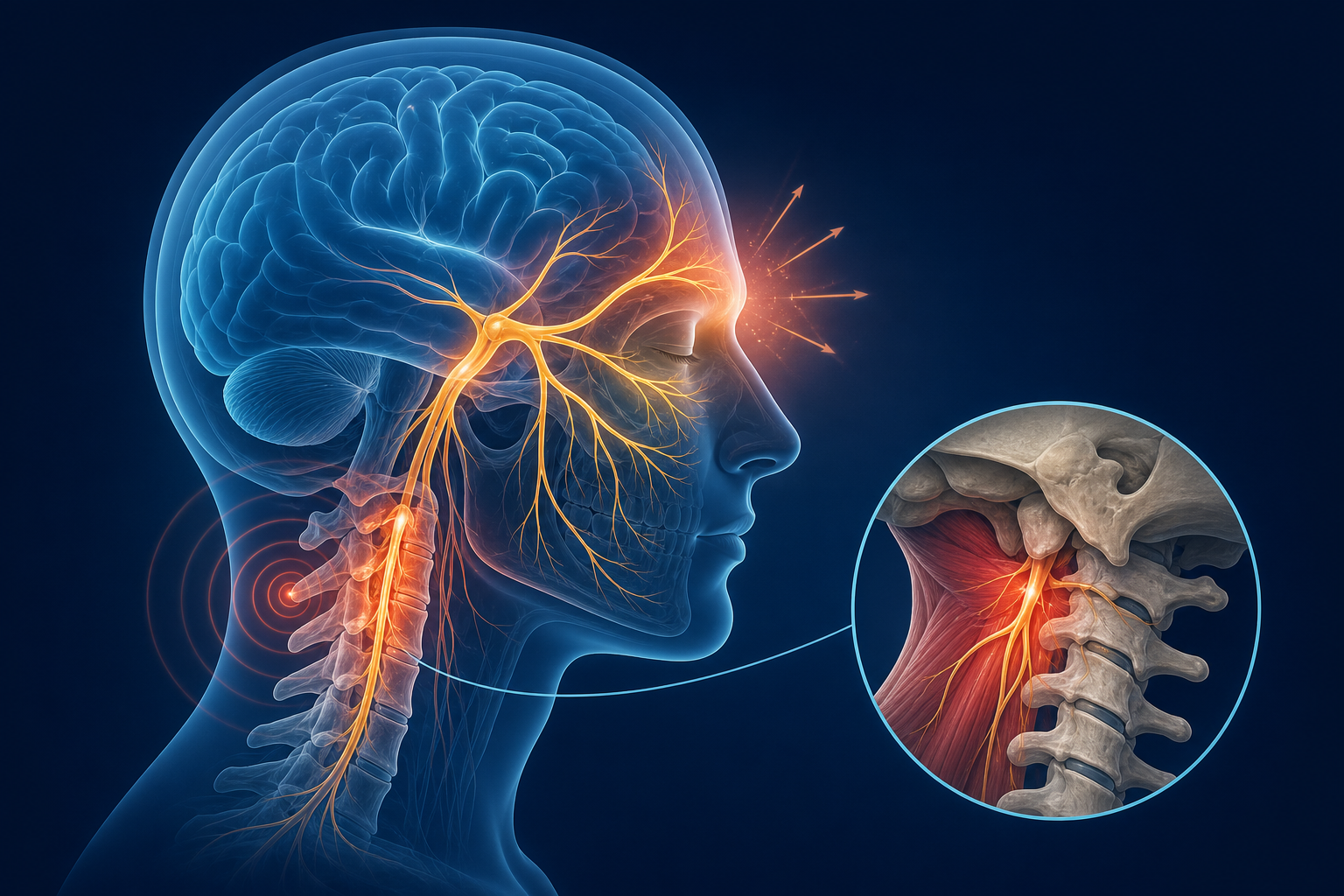
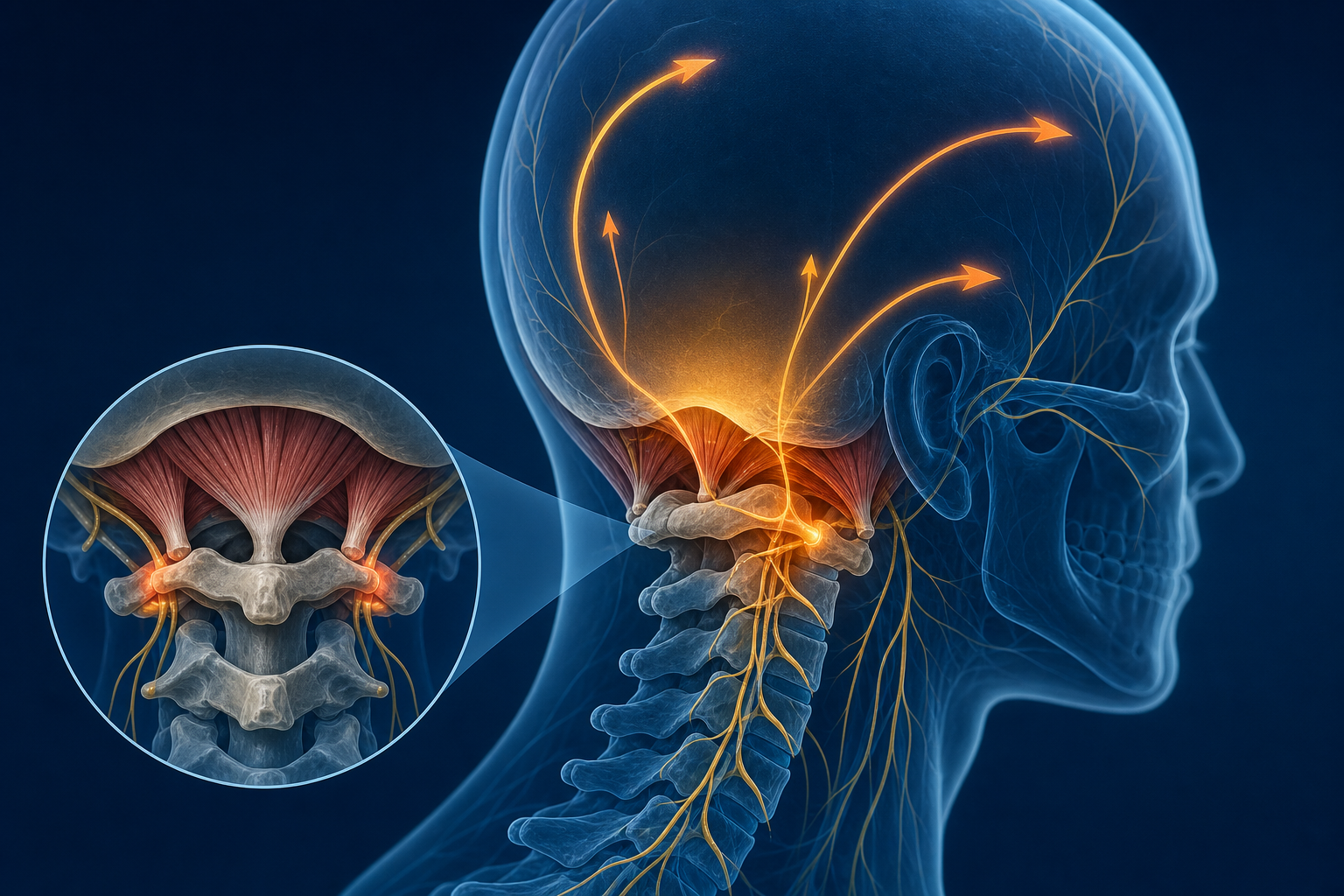
Understandably, many patients are looking for more natural relief and are keen to try and prevent migraines from occurring in the first place. At present, most preventative medications for migraines are actually drugs intended for other uses, such as beta-blockers, antidepressants, and even Botox injections., We examine a patient’s upper cervical spine looking for misalignments in the top two bones of the neck. Correcting these misalignments can ensure proper blood flow and brain function, which can be caused by problems in this area of the spine. Once the subluxation is fixed, patients may feel natural relief from migraines in as little as three visits. 


References:

  1. Stovner LJ, Hagen K, Jensen R, Katsarva Z, Lipton R, Scher A, Steiner T, Zwart
  2. The global burden of headache: a documentation of headache prevalence and disability worldwide. Cephalgia 2007; 27(3):193-210.
  3. Mayo Clinic. Migraine treatments and drugs. . 2013. Available from: http://www.mayoclinic.org/diseases-conditions/migraine-headache/basics/treatment/con-20026358
  4. Elster EL. Upper cervical chiropractic care for a patient with chronic migraine headaches with an appendix summarizing an additional 100 headache cases. J Vert Sublux Res 2003;AUG(3):1-10.
Medical Disclaimer: This article is for informational purposes only and does not constitute medical advice, diagnosis, or treatment. Always consult a qualified healthcare provider for personalized medical guidance. If you are experiencing a medical emergency, call 911 or your local emergency number immediately.

Frequently Asked Questions

Can upper neck problems contribute to migraine symptoms?
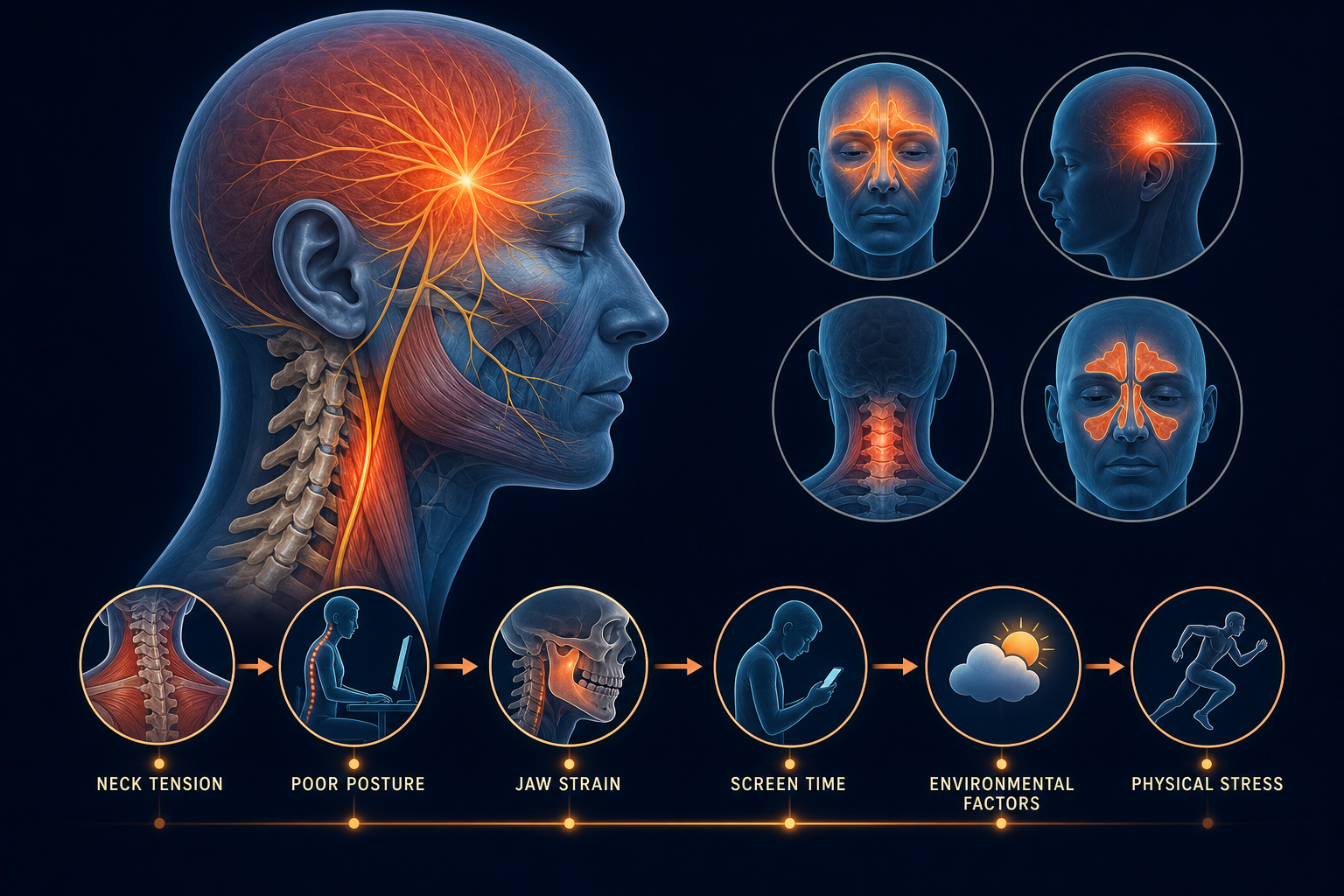
For some people, neck joint irritation, muscle tension, or poor posture may act as a trigger that overlaps with migraine symptoms. The upper cervical spine shares nerve pathways that can influence head and face pain. That said, migraines have many triggers, so a provider should evaluate your history and symptoms to determine whether neck-related factors may be playing a role.
What conservative treatments may help with migraine pain relief?
Conservative care for migraine pain relief often focuses on reducing triggers and improving neck function. Options may include chiropractic spinal manipulation or mobilization (when appropriate), physical therapy for posture and neck strength, soft tissue therapy, stretching, and guided home exercises. Many people also benefit from sleep consistency, hydration, regular meals, and stress management strategies.
How do I know if my headaches are migraines or coming from my neck?
Migraines often include throbbing head pain, sensitivity to light or sound, nausea, and sometimes aura. Neck-related headaches (cervicogenic headaches) commonly start in the neck and refer pain to the head, and they may worsen with certain neck movements or sustained posture. Because symptoms can overlap, it’s smart to see a qualified provider for an exam and a clear plan.
How many visits does conservative care usually take for migraines?
There isn’t a single timeline that fits everyone. Some people notice changes within a few visits, while others need several weeks of consistent care, especially if posture, neck mobility, and muscle endurance are part of the problem. A typical plan may include in-person visits plus a home program. Your provider should track frequency, intensity, and triggers to measure progress.
When should I seek urgent care for a headache?
Seek urgent evaluation if a headache is sudden and severe (“worst headache”), follows a head injury, comes with weakness, numbness, confusion, fainting, fever with stiff neck, vision changes, or trouble speaking. Also get checked if headaches are new after age 50, rapidly worsening, or different from your usual pattern. Conservative care can help many people, but safety comes first.

Sources

  1. Migraine — World Health Organization (WHO) (2022)
  2. Migraine — National Institute of Neurological Disorders and Stroke (NINDS) (2024)
  3. Headache: Hope Through Research — National Institute of Neurological Disorders and Stroke (NINDS) (2023)

We use first-party cookies to run this site and understand how patients find us. Privacy