Find a Provider Community Forum
For Providers For Attorneys
Sign In

Link Between Migraine Headaches and Back Pain

Link Between Migraine Headaches and Back Pain

Key Takeaways

  • Migraine is a neurological condition, and head pain is only one possible symptom.
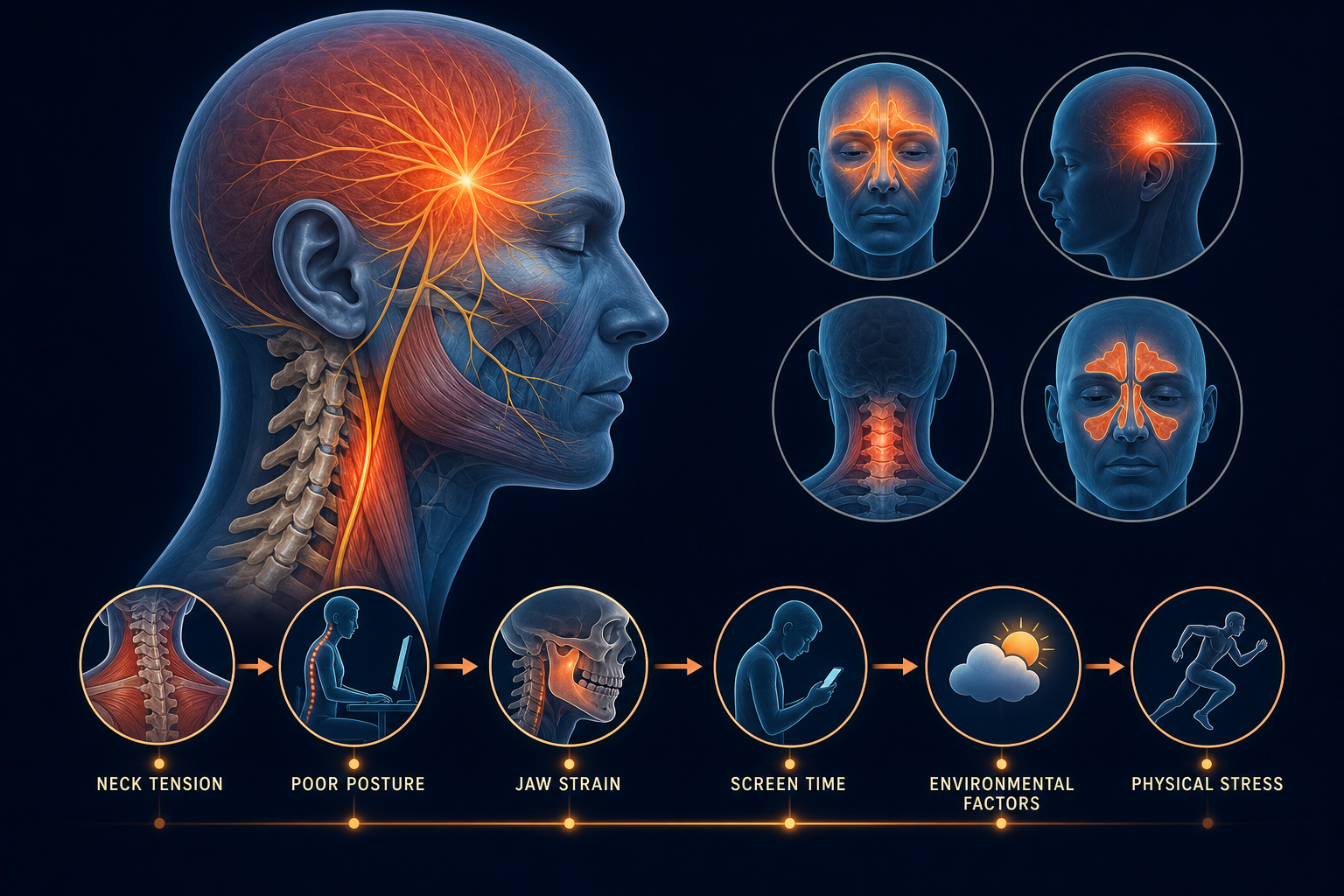
  • Neck and upper back tension, posture strain, and musculoskeletal irritation may contribute to migraine triggers in some people.
  • Back pain and migraine can share overlapping drivers like stress, sleep disruption, and reduced movement.
  • Conservative care—such as exercise, posture work, and manual therapy—may help some patients reduce musculoskeletal triggers.
  • Persistent or worsening migraine symptoms should be evaluated by a qualified healthcare provider to rule out other causes.

Anyone who has to cope with the pain of migraine headaches realizes the importance of finding out what the cause may be. Interestingly, migraines are not categorized as headaches. They are a neurological disorder, with headaches being only one of the symptoms. Some things that may trigger a migraine are certain types of food, allergic reactions, or inherited genes. One area that is often overlooked, however, is that of back pain. Yes, back pain can cause migraines. This may be due to one of the following:

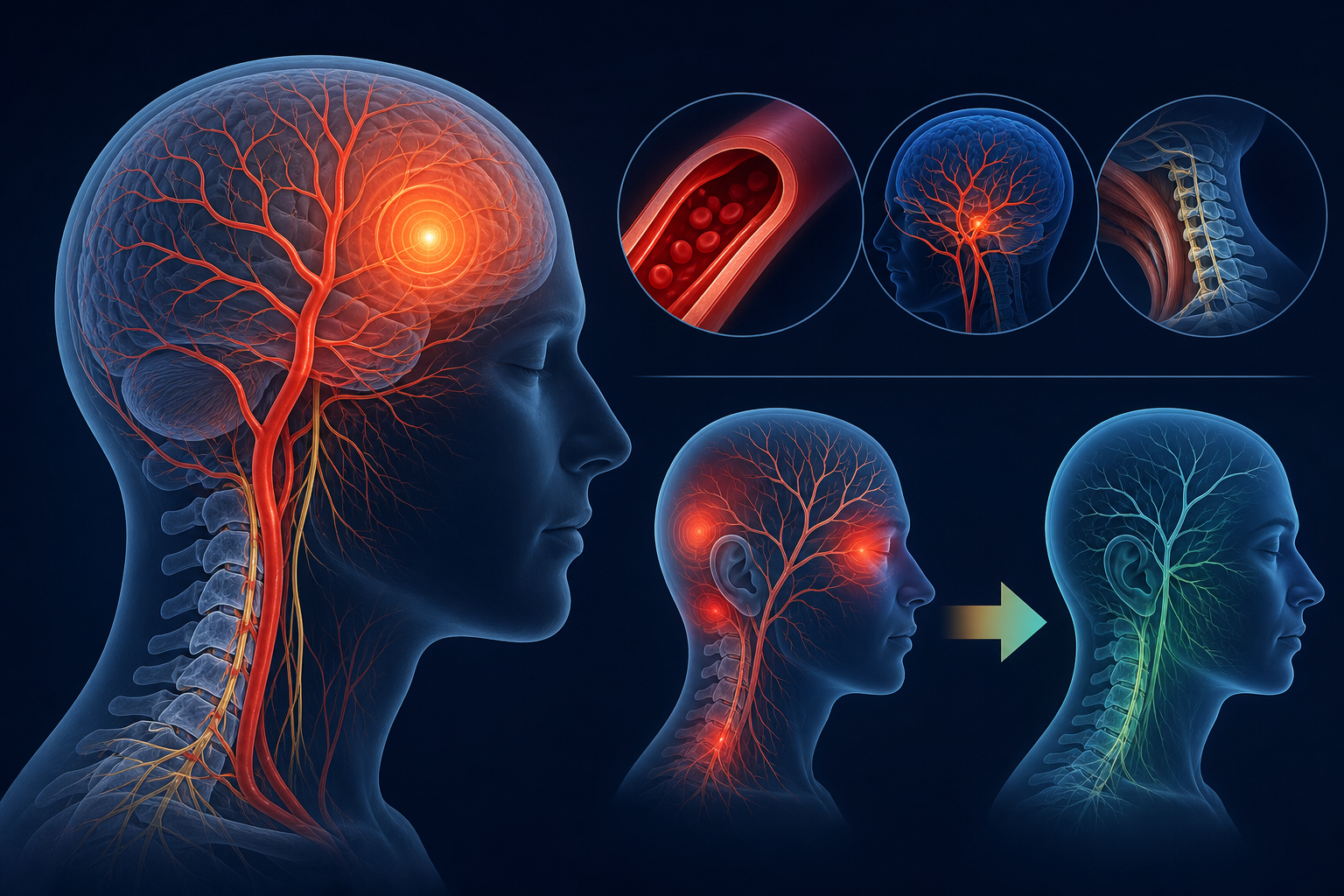
  • Disorders of the vascular system: The brain may not be getting the proper amount of blood flow. This may lead to meningitis, intracerebral hemorrhaging, brain abscesses, encephalitis, and other similar complications.
  • Central nervous system disorder: Since the brain and spinal cord are part of the central nervous system, such things as an injury to this area, degenerative spinal problems, an infection, stress on the nerves of the spinal cord, tumors, structural defects, stroke, or autoimmune disorders can be the cause of back pain and migraines.
  • Abnormal chemical properties: There are neurotransmitters called dopamine and serotonin that send certain messages to the brain. If these are not at the proper level, they cause unusual activity of the blood vessels in the brain. Some reasons for this are certain foods, birth control medication, or skipping meals.

Upper Cervical Chiropractic Care May Be Able to Help

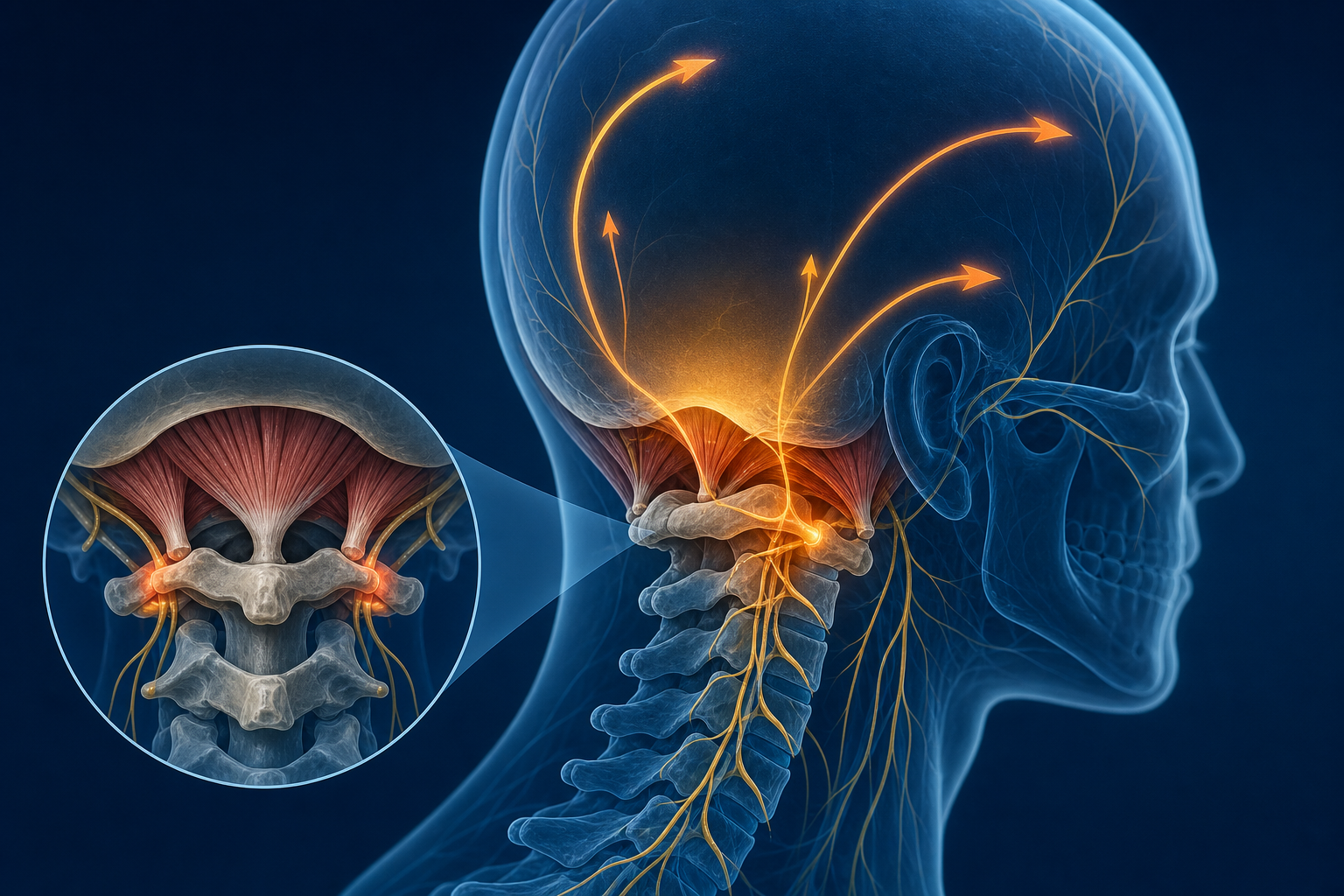
Upper cervical chiropractors have found much success in helping patients gain back control of their lives by relieving back pain and migraines. We examine the upper two vertebrae of the neck to see if a misalignment has occurred. A misalignment of only ¼ of a millimeter is all it takes to cause pain. 

This misalignment places undue pressure on the brainstem and damages the body's communication system. Once this misalignment is corrected, the body and the brain can once again begin to send and receive proper messages. This allows healing to take place in the central nervous system, and the result just maybe a decrease in the duration and severity of migraines. In some cases, migraines and back pain have gone away entirely.
Medical Disclaimer: This article is for informational purposes only and does not constitute medical advice, diagnosis, or treatment. Always consult a qualified healthcare provider for personalized medical guidance. If you are experiencing a medical emergency, call 911 or your local emergency number immediately.

Frequently Asked Questions

Can back pain cause migraine headaches?
Back pain doesn’t “cause” migraines for everyone, but musculoskeletal problems can be a trigger for some people. Tight muscles, joint irritation, and poor posture—especially in the neck and upper back—may increase sensitivity in the nervous system and contribute to head pain. A provider can help determine whether your migraine pattern lines up with movement, posture, or muscle tension.
Why do migraines and back pain show up together?
Migraines and back pain often overlap because they can share common contributors. Stress, poor sleep, long hours sitting, and reduced activity can increase muscle tension and make the nervous system more reactive. Some people also develop protective movement patterns when they hurt, which can spread discomfort from the back to the neck and shoulders—areas commonly linked with headache triggers.
What conservative treatments may help if migraines seem linked to back or neck tension?
If your migraines seem tied to posture or muscle tightness, conservative options may help reduce triggers. Common approaches include gentle mobility work, strengthening for the upper back and core, posture coaching, soft-tissue therapy, and guided stretching. Some patients also benefit from relaxation breathing and sleep routine changes. A chiropractor or physical therapist can tailor a plan based on your exam findings.
How can I tell if my posture or spine is contributing to my migraines?
Clues include migraines that flare after desk work, driving, or looking down at a phone, plus neck stiffness, shoulder tightness, or headaches that start at the base of the skull. You might also notice symptoms improve with movement, stretching, or heat. A musculoskeletal exam can check range of motion, muscle tenderness, and movement patterns to see what’s most likely contributing.
When should I see a provider about migraines with back pain?
See a provider if migraines are new, changing, or interfering with daily life, or if back pain is persistent and limiting your activity. Get urgent evaluation for severe “worst headache,” headache with fever or confusion, weakness, fainting, or vision or speech changes. Even without red flags, an assessment can help identify triggers and build a conservative plan to support function.

Sources

  1. Migraine — National Institute of Neurological Disorders and Stroke (NINDS) (2024)
  2. Headache disorders (Fact sheet) — World Health Organization (WHO) (2022)
  3. Headaches — NHS (2023)

We use first-party cookies to run this site and understand how patients find us. Privacy