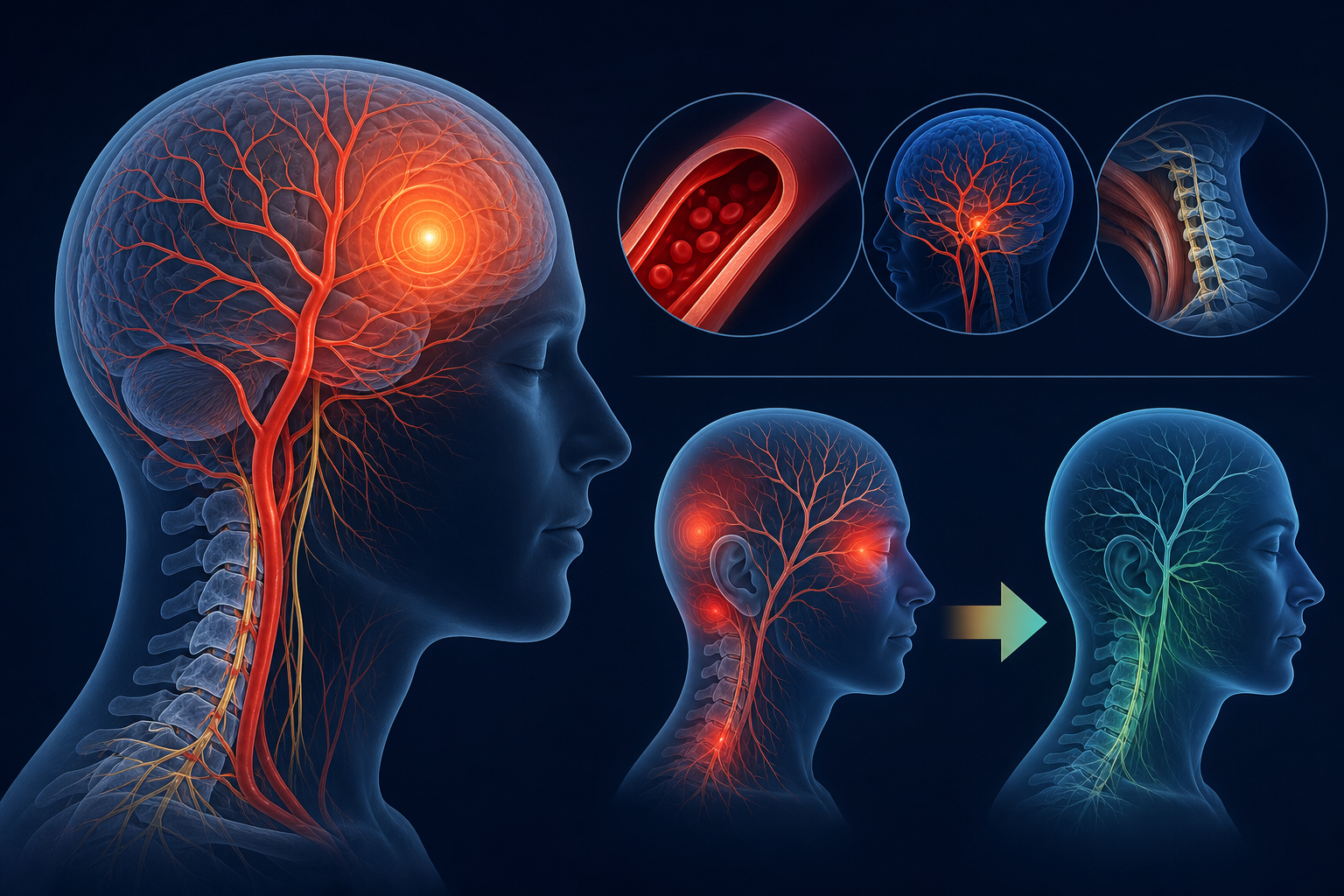
Common head pain is also known as a tension headache and is the most common type of primary headache that affects over one-third of men and over one-half of women. To put this into perspective, up to 80% of the adults in the United States alone experience common head pain every now and then. Common head pain is not life-threatening and usually does not keep you from doing daily activities. Furthermore, common head pain does not affect vision, balance, or strength.
How to “Read” Common Head Pain
In order to find out if you have common head pain, you should know what symptoms to expect from common head pain. Common head pain is known to build up slowly and gradually. The person may feel as if they have a tight band around their head with a pain that can spread to or from their neck. They may also experience a persistent, dull ache on both sides of their head. The muscles in your neck, shoulders, and jaw could feel tight and sore during a common head pain.
Other symptoms include the following:
- Trouble sleeping
- Feeling tired
- Inability to focus
- Irritability
- Muscle aches
- Head pain starts later in the day
- Mild sensitivity to light or sound
In addition, common head pain can be episodic or chronic. An episodic common head pain attack will last you about a few hours; however, there is a chance it could last up to several days. With chronic common head pain, these happen for 15 or more days per month for up to at least 3 months.
What Can Cause Common Head Pain?
In most cases, common head pain is triggered by stress. There is no single cause for them, however, so even if you do not feel stressed you can still experience common head pain.
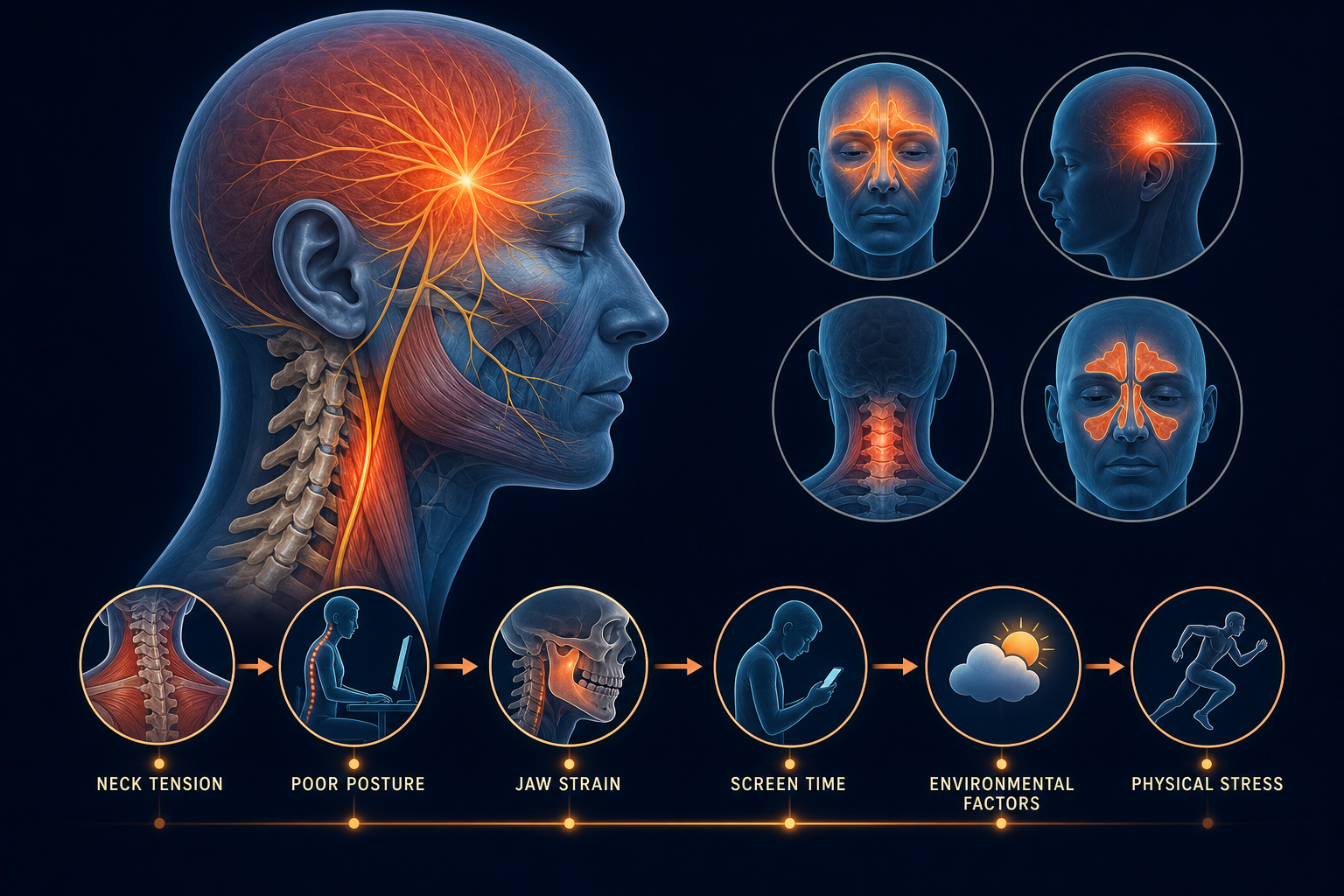
Before we go over other causes, it is important to note this type of head pain does not run in families. For some people, their head pain comes from muscle tension that can come from the following:
Bad posture
- Emotional or mental stress, including depression
- Low iron levels
- Caffeine
- Alcohol
- Anxiety
- Not enough rest
- Hunger
- Fatigue
- A jaw or dental problems
Most Common Reasons Adults Have Head Pain Problems
Adults with common head pain may have it triggered through lifestyle factors such as consuming alcohol, changes in sleep or lack thereof, skipped meals, stress, poor posture, and eating certain foods (such as processed meats that contain nitrates).
Stressors that can play a part in head pain could be starting a new job, losing a job, deadlines at work, being overextended by being involved in too many activities or organizations, having a new child, problems at home, and being overweight.
Most Common Reasons Children Have Head Pain Problems
Children could develop different types of headaches. For common head pain, could be caused by infection, minor head trauma, or experiencing high levels of stress or anxiety. In addition, head pain can come around from a child not getting enough food or drink and having lack of sleep.
Children cannot always tell us what they are feeling, so it is important to have a little background of what might have happened before their head pain, observe them carefully, and adding more creativity to your questioning.
Examples of stressors for children include schoolwork, peer pressure, competing in sports or other activities, preparing for tests or exams, and having no close friends.
What to do About Head Pain Problems
It is important to reduce stress as much as we can; however, not all stress can be avoided. Changes in diet can also help reduce the occurrence of common head pain. When it comes down to it, if you still experience common head pain even with no stress present and good eating habits, the cause may lie deeper.
While medication can help alleviate the pain at the time, it does not correct the underlying cause. If your muscles around your upper cervical area are constantly irritated or tight, common head pain can remain a problem after the medication wears off. If you keep experiencing common head pain, a trip to an upper cervical specialist can be a huge help in getting rid of the underlying cause by going after the problem directly.
Diagnostic for Head Pain Problems
To understand what is causing your head pain, an upper cervical chiropractor may be able to give you a very accurate reading. Upper cervical chiropractors study the upper cervical spine, the top two bones of the neck located right beneath the base of the skull. They are very knowledgeable when it comes to the cause of head pain and what internal factors trigger it.
If you would like to know if a misalignment is what is causing your common head pain, a trip to an upper cervical chiropractor is worth the visit. Why? Because an upper cervical adjustment has the ability to take away the head pain completely without depending on surgery or medication.
An x-ray will show you if your bones are compressing against your brain stem and nerves in the upper cervical area. If a bone is pressing up against them, it could cause a lot more problems than just a common head pain down the road as this pressure disrupts the brain stem’s communication and your body’s ability to repair or heal itself.
Can Upper Cervical Adjustments Help Head Pain?
Upper cervical adjustments are extremely accurate and do not hurt the patient, no matter their age. The upper cervical focuses solely on the neck area and how the top two bones of your spine affect your brain stem to stop your body from reacting and maintaining itself properly.
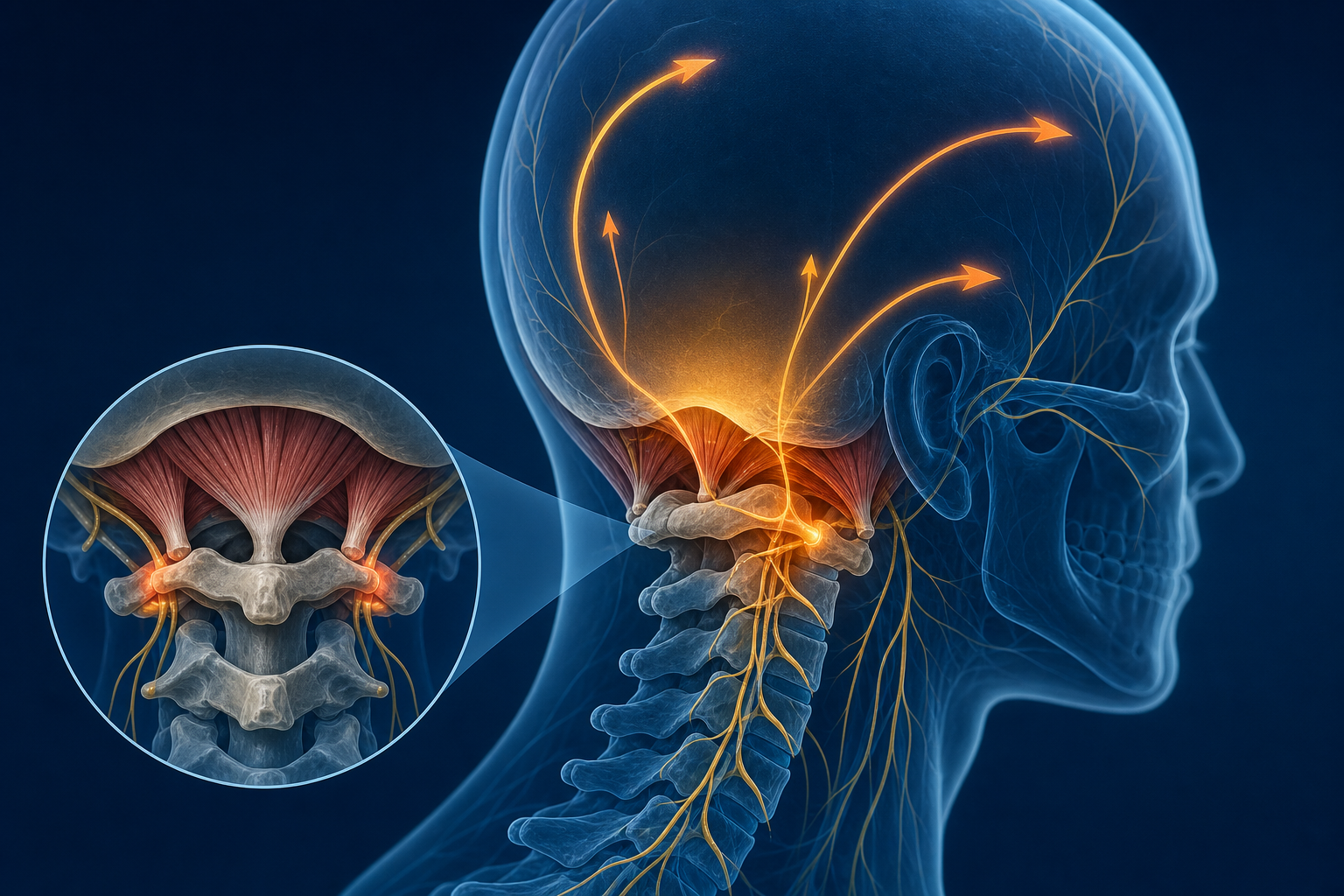
When either of the top two bones of your spine becomes misaligned, they will cause pressure on the brain stem and nerves around it. This misalignment will also cause your muscles to weaken, leading them to tighten and increase the risk of stress and strain. These muscles that are affected can be the cause of your common head pain.
An upper cervical chiropractor uses gentle, precise movements to realign the top two bones of your spine to release the pressure put onto the nerves and brain stem. When the top two bones are realigned, the pressure dissipates, and the body will begin to heal itself now that the brain stem is allowing the proper brain-to-body communication. During an upper cervical misalignment, the compressed brain stem distorts your body’s messages and an upper cervical adjustment allows these messages to return to normal.
This brain-to-body communication is what enables your body to heal itself properly. The muscles that strain around your upper cervical area during the misalignment were not able to heal properly because of one or two of the top bones interfering with the brain stem. Because of this, when a misalignment is not corrected, the muscles get weaker over time and could result in permanent damage.
Upper Cervical Chiropractic Treatment for Head Pain Problems
Our body is capable of a lot of things. Our brain stem controls the flow of messages between our brain and the rest of our body. It also regulates our blood pressure, controls our heart rate, consciousness, breathing, swallowing, and more. If there is pressure on your brain stem, it could interfere with a lot of things. The upper cervical spine is very delicate, and any misalignment there can do a lot of damage if it remains uncorrected.
An upper cervical adjustment can allow your brain stem to communicate properly again and return proper blood flow through the nerves that are also pressed on from the misalignment. When this correction happens, your body begins to repair itself right away. Without this stress placed on your upper cervical area from the misalignment, patients report their head pain being gone completely or being reduced significantly.