If you are recovering from an injury, surgery, flare-up of back or neck pain, or a condition that affects movement, you may be asking: Does Kaiser Permanente cover rehabilitation? In many cases, Kaiser plans may cover rehabilitation services such as physical therapy, occupational therapy, or other medically necessary rehab when the care is ordered or authorized under your specific plan. The details matter: referral rules, visit limits, copays, covered locations, and whether chiropractic rehabilitation is included can vary by region and plan.
This guide explains what patients need to know before scheduling rehabilitation with Kaiser insurance, including common referral requirements, what physical therapy may cost, how long coverage may last, and how to look for rehabilitation providers near you with Kaiser insurance. It is general educational information, not a coverage determination. For your specific benefits, contact Kaiser Permanente member services or review your plan documents.
What Rehabilitation Means in a Kaiser Coverage Context
Rehabilitation is a structured care plan designed to help restore movement, strength, function, balance, coordination, and comfort after an injury, illness, surgery, or pain episode. In conservative care settings, rehabilitation often includes therapeutic exercise, mobility work, posture and movement training, manual therapy, balance activities, home exercise instruction, and education on safer daily movement.
When patients ask whether Kaiser covers rehabilitation, they are often asking about physical therapy. They may also be asking about occupational therapy, speech therapy, post-surgical rehab, sports injury rehab, work-related injury recovery, or chiropractic rehabilitation. The answer depends on the type of service, the diagnosis or reason for care, medical necessity, your benefit design, and whether the provider is in Kaiser’s approved network or care pathway.
If you are comparing treatment options, Medximity’s overview of physical therapy vs chiropractic care can help clarify how different conservative providers approach pain, mobility, and functional recovery.
Does Kaiser Cover Physical Therapy?
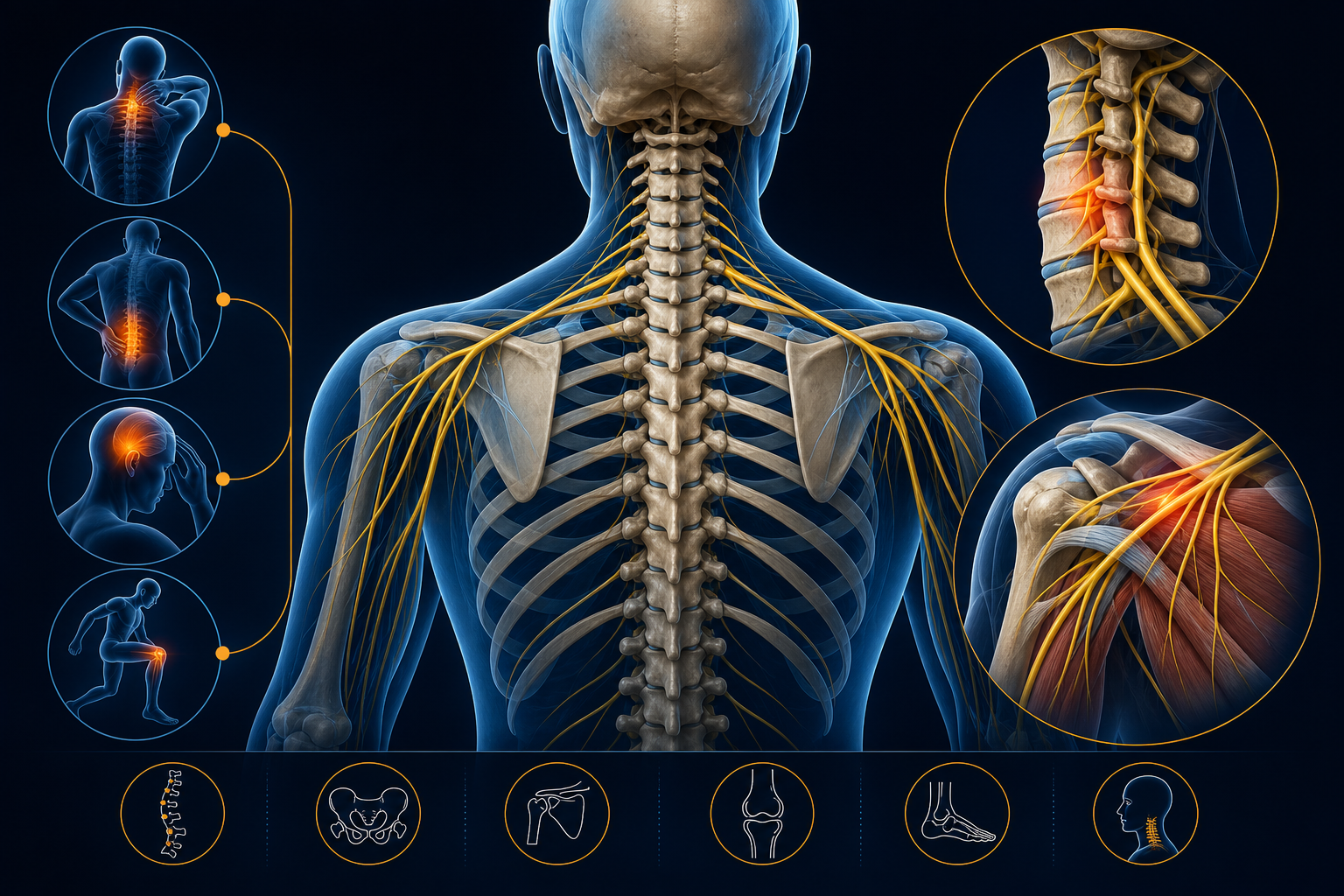
For many members, Kaiser Permanente plans may cover physical therapy when it is considered medically necessary and provided or authorized according to Kaiser’s rules. Physical therapy is commonly used for problems such as back pain, neck pain, shoulder pain, knee pain, balance concerns, post-operative recovery, sprains, strains, and functional limitations after injury.
However, “covered” does not always mean “free” or unlimited. Your plan may include a copay, coinsurance, deductible responsibility, prior authorization, visit limits, or a requirement that you receive care from Kaiser facilities or Kaiser-affiliated providers. Some plans also distinguish between rehabilitation that is short-term after an injury and ongoing maintenance care, which may be handled differently.
If you are searching for does Kaiser cover physical therapy or how much is Kaiser physical therapy, the most reliable answer will come from your plan’s Evidence of Coverage, your Kaiser member portal, or a Kaiser representative. Costs can vary widely by employer plan, individual plan, Medicare plan, Medicaid plan, region, and whether deductibles apply.
Kaiser Physical Therapy Referral Requirements
Kaiser Permanente is often organized around a coordinated care model. That means many members need to start with a primary care clinician or Kaiser physician before beginning covered rehabilitation. In some regions or plans, patients may be able to self-refer to physical therapy for certain conditions. In others, a provider referral or authorization may be required before visits are covered.
Common Kaiser physical therapy referral requirements may include:
- An evaluation by your Kaiser primary care provider or specialist
- A documented diagnosis, injury, surgery, or functional limitation
- A referral or order for physical therapy or rehabilitation
- Use of a Kaiser facility, contracted provider, or approved rehabilitation clinic
- Authorization for a specific number of visits or treatment period
- Progress documentation if more visits are requested
Because referral rules can vary, it is a good idea to confirm requirements before your first visit. If you schedule outside the Kaiser system without authorization, you may have higher out-of-pocket costs or no coverage, depending on your plan.
What Types of Rehabilitation May Be Covered?
Kaiser rehabilitation coverage after injury may include several conservative care services when they are medically necessary. The exact benefits depend on your plan and region.
Physical therapy
Physical therapy is one of the most common covered rehabilitation services. A physical therapist may evaluate your movement, strength, range of motion, balance, walking pattern, pain triggers, and daily activity limitations. Treatment may include therapeutic exercise, manual techniques, movement retraining, balance work, conditioning, and a home program.
Occupational therapy
Occupational therapy may be covered when an injury, illness, or surgery affects your ability to perform daily tasks, such as dressing, bathing, reaching, gripping, working, or household activity. It is often used after hand, wrist, shoulder, neurological, or functional injuries.
Post-surgical rehabilitation
After many orthopedic procedures, rehabilitation may be part of the recovery plan. Coverage may depend on the procedure, the surgeon’s order, the expected recovery timeline, and progress during treatment. Rehab may help many patients rebuild strength and movement, but outcomes vary.
Rehabilitation after injury
Rehab after a fall, sports injury, auto-related injury, or work-related injury may be covered if it is authorized under your Kaiser plan. If another insurance source may be involved, such as workers’ compensation or auto insurance, coordination of benefits can become more complex.
Chiropractic rehabilitation
Patients often ask, does Kaiser cover chiropractic rehabilitation? Some Kaiser plans may include chiropractic benefits, while others may not, or may offer access through a contracted network. Chiropractic rehabilitation may include spinal or joint manipulation, mobility work, soft-tissue techniques, exercise instruction, posture education, and functional retraining. Coverage rules can be different from physical therapy coverage, so it is important to verify your specific chiropractic benefit before scheduling.
To learn more about conservative spine care, you can read Medximity’s guide to when to see a chiropractor for back pain.
Treatment for Back Pain With Kaiser
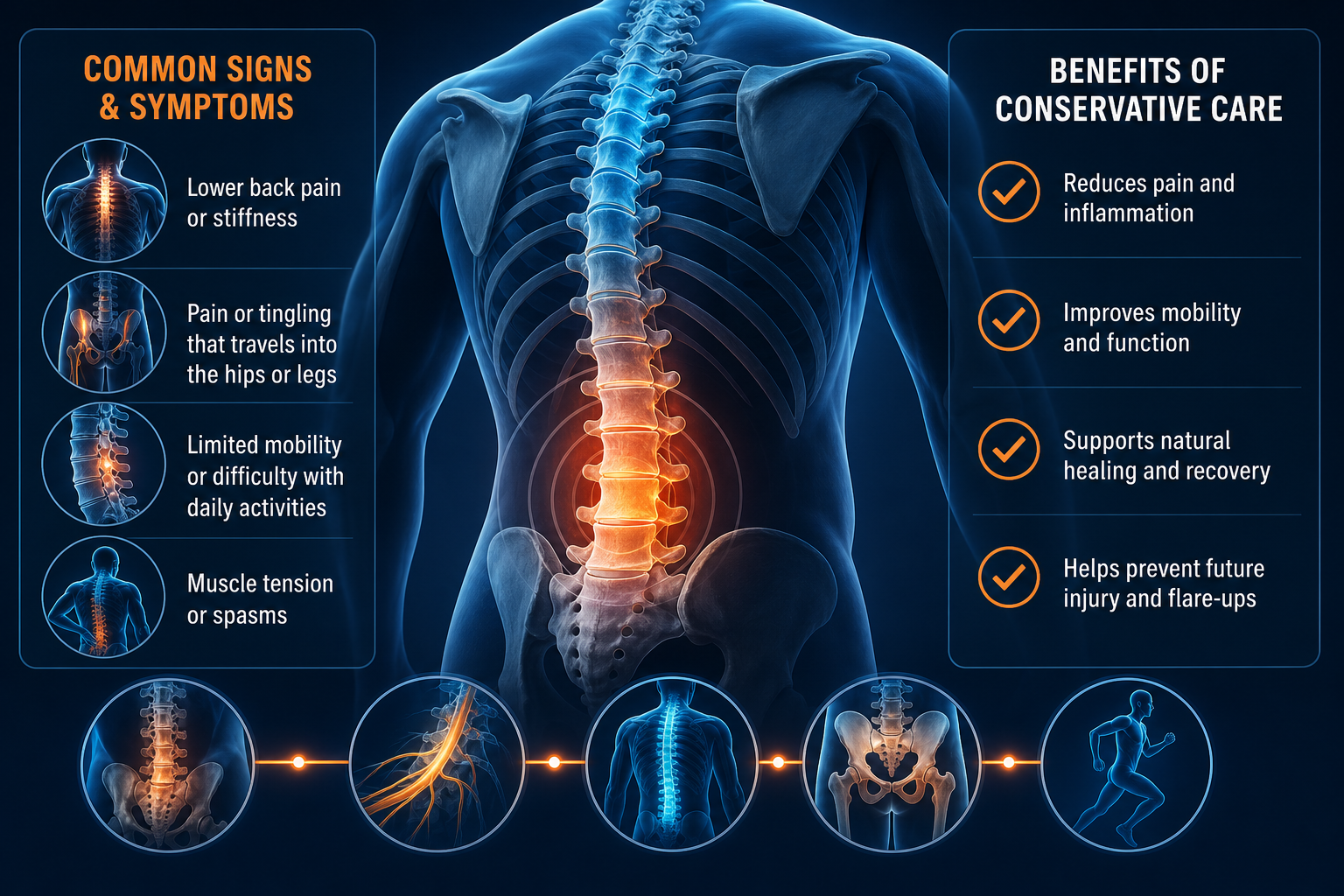
Back pain is one of the most common reasons patients search for rehabilitation coverage. Treatment for back pain with Kaiser may begin with a primary care visit, virtual consultation, or evaluation by a Kaiser clinician. Depending on your symptoms and medical history, Kaiser may recommend conservative care such as exercise-based rehabilitation, physical therapy, posture and movement guidance, activity modification, and other noninvasive approaches.
Rehabilitation for back pain may help some patients improve mobility, build core and hip strength, reduce fear of movement, and return to daily activities more comfortably. It is not a guaranteed cure, and the right approach depends on the cause of pain, symptom severity, health history, and response to care.
You should seek prompt medical attention if back pain is associated with major trauma, fever, unexplained weight loss, new bowel or bladder changes, progressive weakness, numbness in the groin or saddle area, or severe pain that is not improving. These symptoms can signal a condition that needs timely evaluation.
If you are researching options before your appointment, Medximity’s article on physical therapy for lower back pain explains common conservative rehab strategies.
Neck Pain Rehab Covered by Kaiser
Neck pain rehab covered by Kaiser may be available when a Kaiser clinician determines that physical therapy or rehabilitation is medically necessary. Neck rehabilitation commonly focuses on gentle range of motion, posture, upper back mobility, shoulder and scapular strengthening, ergonomic education, and gradual return to normal activity.
Some patients develop neck pain after prolonged desk work, sleeping awkwardly, sports participation, or a sudden movement. Others may have symptoms after an auto accident or fall. Rehab may help improve function in many cases, but the care plan should be based on an individual evaluation.
Seek medical care promptly if neck pain is accompanied by severe headache, fever, confusion, chest pain, new arm or leg weakness, loss of coordination, significant trauma, or worsening numbness or tingling. A qualified clinician can determine whether rehabilitation is appropriate or whether further evaluation is needed.
Rehab for Shoulder Pain Without Surgery
Many patients want rehab for shoulder pain without surgery. Conservative rehabilitation may be used for several shoulder conditions, including strains, impingement-type symptoms, rotator cuff irritation, adhesive capsulitis, postural overload, and recovery after minor injuries. A therapist may assess range of motion, strength, shoulder blade control, lifting tolerance, and pain patterns.
A shoulder rehab plan may include mobility exercises, rotator cuff and scapular strengthening, manual therapy, activity modification, and a gradual return to reaching or lifting. Some patients improve with conservative care, while others may need additional medical evaluation depending on the cause, severity, and duration of symptoms.
Patients should not ignore shoulder pain after a major fall, visible deformity, sudden inability to lift the arm, severe weakness, or symptoms that radiate with chest discomfort or shortness of breath. Those situations warrant prompt medical assessment.
Physical Therapy vs Chiropractic Rehabilitation
Physical therapy and chiropractic rehabilitation can overlap, but they are not identical. Physical therapy typically emphasizes movement evaluation, therapeutic exercise, functional progression, gait or balance training, post-operative rehabilitation, and condition-specific strengthening. Chiropractic rehabilitation often emphasizes spinal and joint mobility, manual adjustment or manipulation when appropriate, soft-tissue work, posture education, and rehabilitative exercise.
The right choice depends on your symptoms, goals, provider access, and insurance coverage. Some patients benefit from physical therapy, some from chiropractic care, and some from a coordinated plan that uses elements of both. Kaiser coverage may treat these services differently, so verify whether your plan includes physical therapy, chiropractic benefits, or both.
If you are looking for local options, you can search Medximity for physical therapists near you or chiropractors near you. Before scheduling, confirm whether the provider participates with Kaiser or can coordinate with your Kaiser referral requirements.
How Much Is Kaiser Physical Therapy?
The cost of Kaiser physical therapy depends on your plan. Some members pay a fixed copay per visit. Others may owe coinsurance or costs toward a deductible. Medicare Advantage, employer-sponsored, individual marketplace, Medicaid, and union plans can all have different benefit structures.
Questions to ask before your first appointment include:
- Do I need a referral or prior authorization?
- Is physical therapy covered for my diagnosis or injury?
- What is my copay, coinsurance, or deductible responsibility?
- Is there a limit on visits per year or per condition?
- Do I need to use a Kaiser facility or a contracted provider?
- What happens if my therapist recommends more visits?
- Are chiropractic rehabilitation services covered separately?
If you receive a referral, ask whether it authorizes an evaluation only or a specific number of treatment visits. This can help reduce billing surprises and delays in care.
How Long Does Rehabilitation Coverage Last?
Patients frequently ask, how long does rehabilitation coverage last? There is no single answer. Coverage may be based on medical necessity, plan limits, authorization periods, progress toward functional goals, or a set number of visits. Some plans approve an initial evaluation and a limited number of visits, then require documentation if additional care is needed.
Rehabilitation is usually goal-oriented. A therapist may document baseline function, treatment goals, progress, and remaining limitations. If your symptoms are improving and you are gaining strength or mobility, additional visits may be considered when medically necessary under the plan. If your condition has plateaued or the care is considered maintenance rather than active rehabilitation, coverage may be more limited.
Because each plan is different, confirm whether your Kaiser coverage has annual visit caps, condition-specific limits, or authorization renewal rules.
How to Find Rehabilitation Providers Near You With Kaiser Insurance
If you are searching for rehabilitation providers near me Kaiser insurance or Kaiser approved physical therapy near me, start by checking your Kaiser member resources. Kaiser may direct you to an internal physical therapy department, a Kaiser clinic, or a contracted outside provider. If you already have a referral, review the provider name, location, number of authorized visits, and expiration date.
Medximity can also help you compare conservative care options in your area. You can browse rehabilitation providers, search for medical specialists, or explore back pain care resources. Because insurance networks change, always call the provider and Kaiser to confirm current participation, referral requirements, and expected patient costs before beginning care.
When to See a Provider for Rehabilitation
Consider seeing a qualified provider if pain, stiffness, weakness, balance problems, or limited mobility is interfering with work, sleep, exercise, driving, childcare, or daily activities. Rehabilitation may also be appropriate after an injury, surgery, fall, sports incident, or prolonged pain episode that is not improving with basic self-care.
You should seek urgent medical evaluation for severe or worsening symptoms, new weakness, significant numbness, loss of bladder or bowel control, chest pain, shortness of breath, fever with spine pain, major trauma, or symptoms that feel unusual for you. Rehabilitation is most useful when the condition is appropriate for conservative care and a clinician has ruled out concerns that require a different approach.
What to Expect at a Rehabilitation Appointment
Your first rehabilitation visit usually begins with a history and movement evaluation. The provider may ask about your symptoms, how the injury happened, what activities are limited, past medical history, medications, imaging or test results if available, and your goals for care.
The evaluation may include range-of-motion testing, strength testing, posture or gait observation, balance assessment, joint mobility checks, and functional movements such as bending, reaching, squatting, or walking. Based on the findings, the provider may explain what they believe is contributing to your limitations and recommend a care plan.
Treatment may include guided exercises, mobility work, manual therapy, education, ergonomic suggestions, and a home exercise program. Your provider should also explain how progress will be measured and when your plan may need to be adjusted. If your symptoms do not respond as expected, they may recommend that you follow up with your Kaiser clinician for further evaluation.
FAQ: Kaiser Rehabilitation Coverage
Does Kaiser Permanente cover rehabilitation?
Kaiser Permanente may cover rehabilitation when it is medically necessary and authorized under your specific plan. Coverage can vary by state, plan type, provider network, diagnosis, and referral requirements.
Does Kaiser cover physical therapy after an injury?
Many Kaiser plans may cover physical therapy after an injury if a Kaiser clinician orders or authorizes it and the care meets plan requirements. You may need to use a Kaiser facility or approved provider.
Do I need a referral for Kaiser physical therapy?
Some Kaiser members need a referral or prior authorization, while others may have limited self-referral access depending on region and plan. Confirm your requirements before scheduling.
Does Kaiser cover chiropractic rehabilitation?
Some Kaiser plans may include chiropractic benefits, sometimes through a contracted network, while others may not. Chiropractic coverage is often separate from physical therapy coverage, so verify your benefits directly.
How much does Kaiser physical therapy cost?
Your cost may be a copay, coinsurance, deductible amount, or other plan responsibility. The amount depends on your specific Kaiser plan and whether the visit is authorized and in network.
How long will Kaiser cover rehab?
Coverage may depend on medical necessity, plan limits, authorization periods, and documented progress. Some plans approve a set number of visits and require additional authorization for more care.
Can I choose a non-Kaiser rehab provider?
That depends on your plan and authorization. Some members must use Kaiser facilities or contracted providers. If you go outside the approved pathway, coverage may be reduced or denied.
Key Takeaway
Kaiser Permanente may cover rehabilitation, including physical therapy, when it is medically necessary and follows your plan’s referral and network rules. Before starting care, confirm your benefits, ask about costs and visit limits, and make sure the provider is approved for your coverage. If you are comparing local conservative care options, Medximity can help you explore providers near you while you verify Kaiser participation directly.