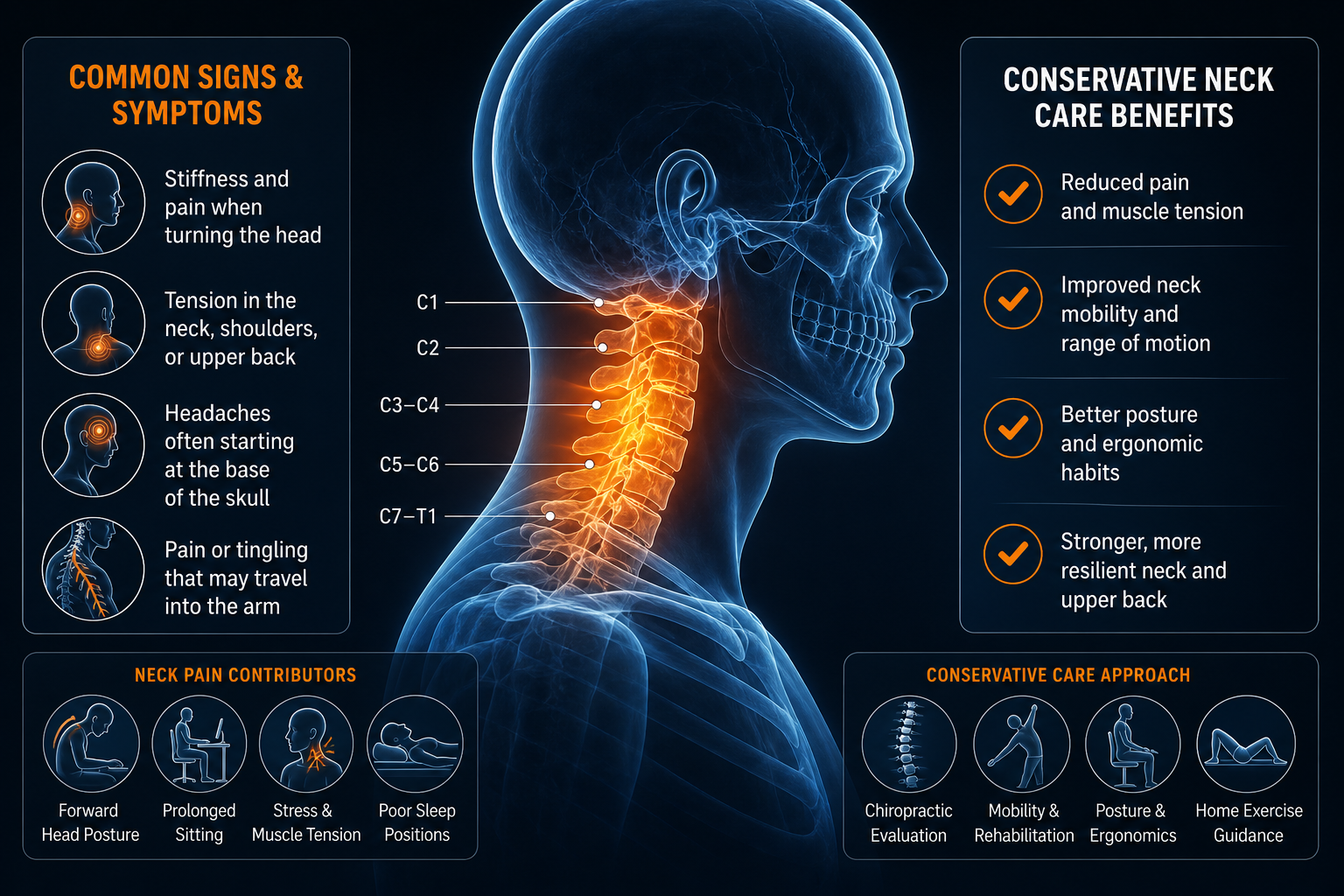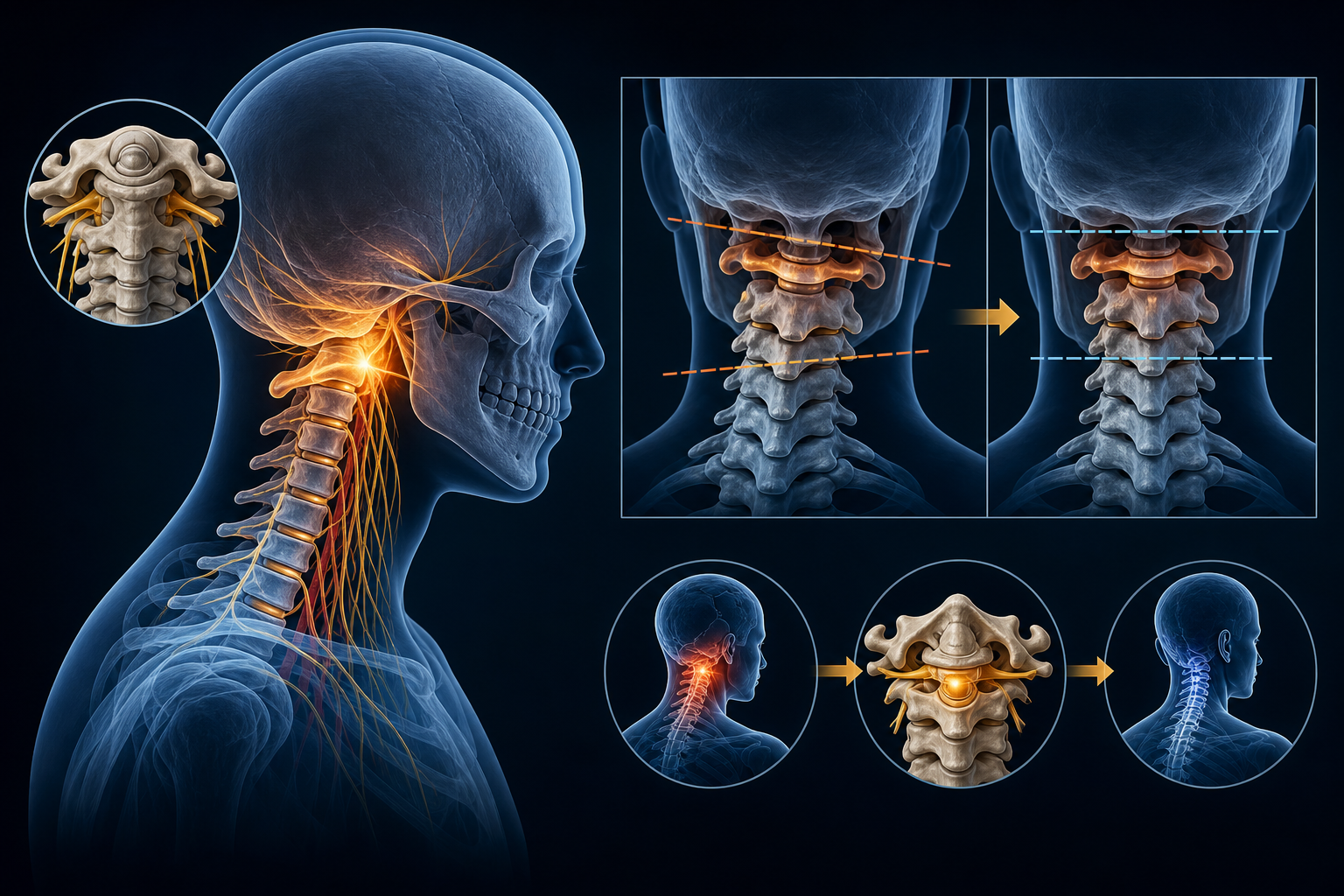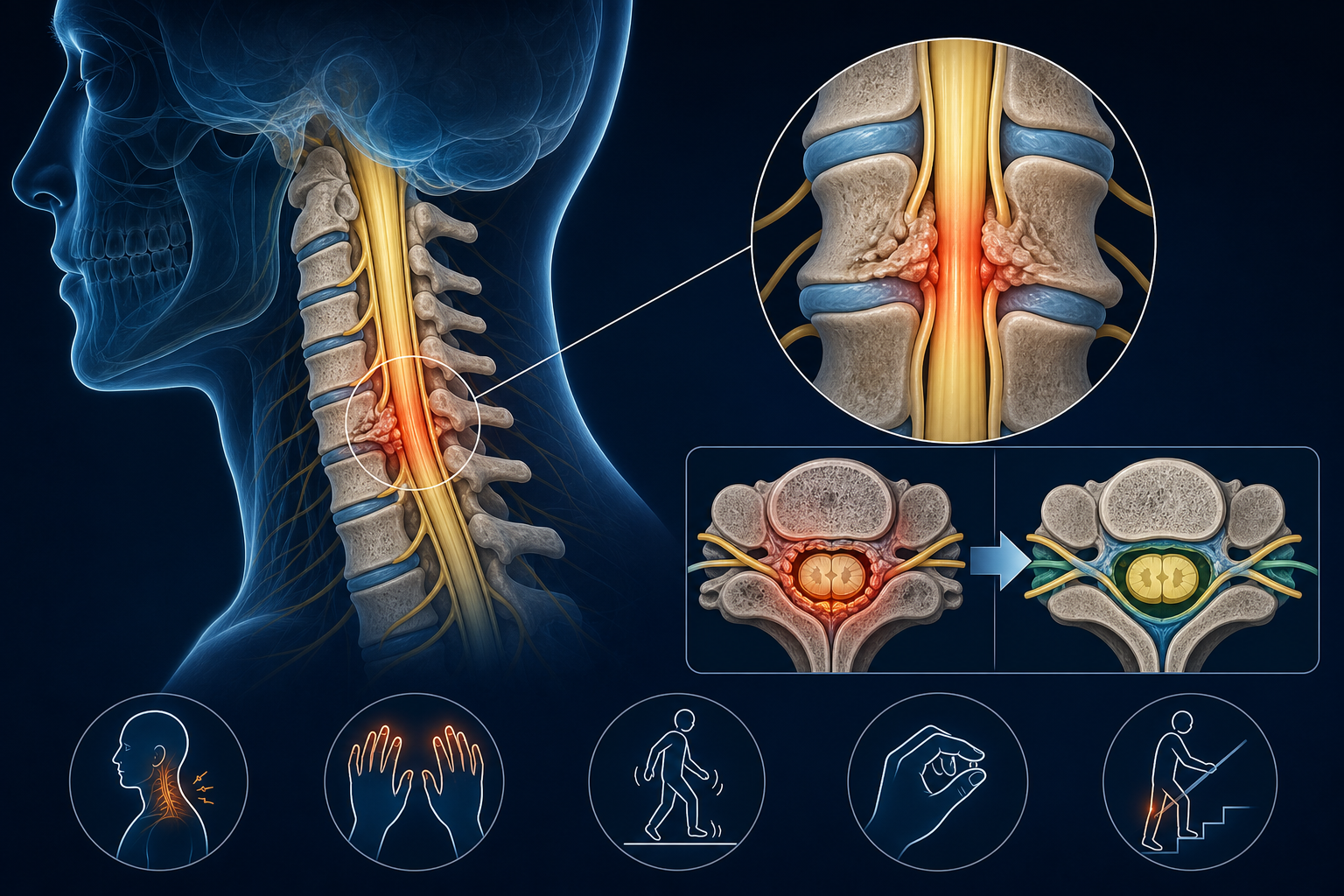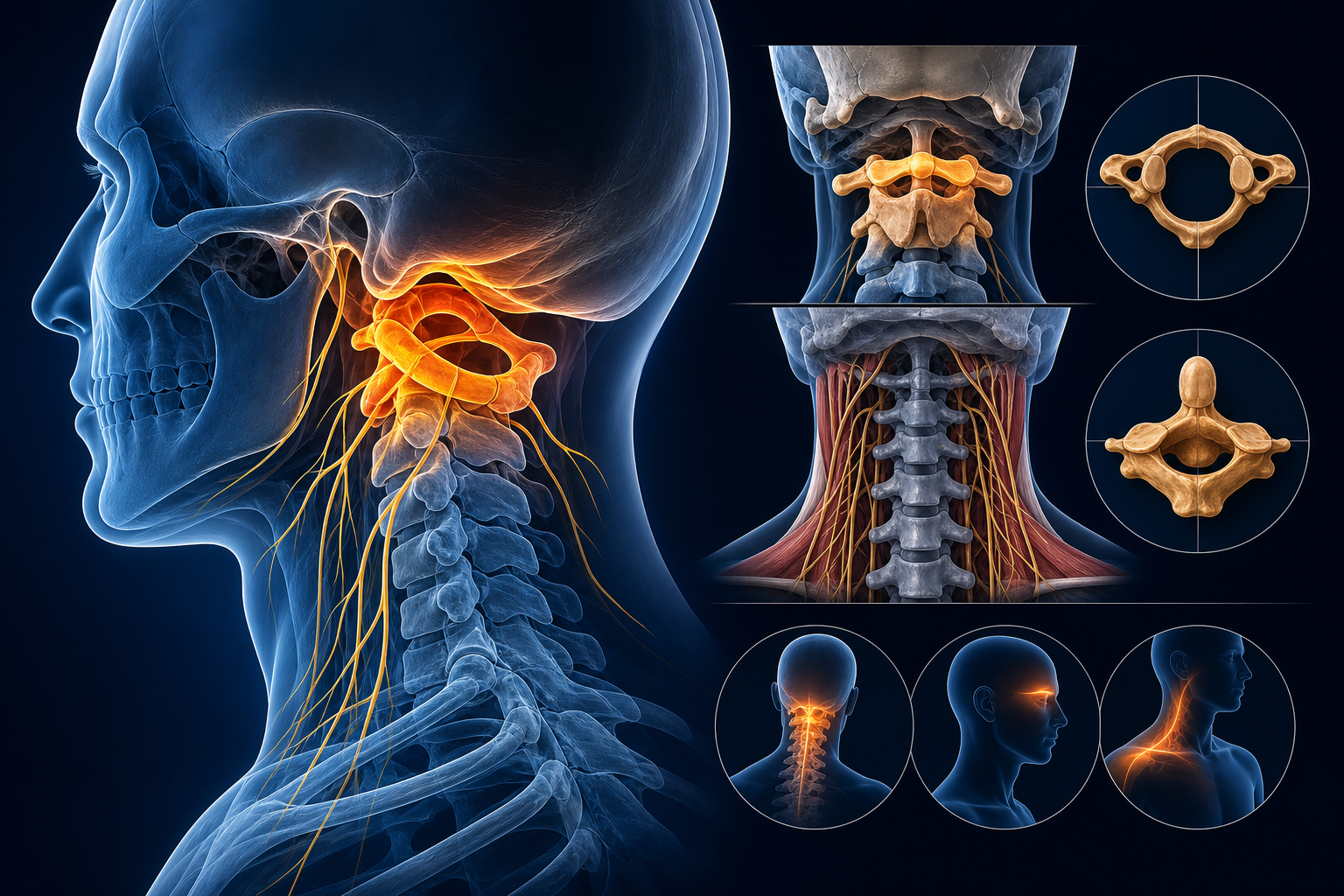
Upper Cervical Therapy is a conservative approach to neck care that focuses on the uppermost part of the cervical spine, especially the area where the skull meets the first and second neck vertebrae. For some patients with upper neck discomfort, stiffness, headaches, or pain when turning the head, this targeted form of care may help improve movement, reduce irritation, and support better function without surgery.
This article explains what upper cervical therapy is, why the upper cervical spine matters, how it differs from a general chiropractic adjustment, and what you can expect if you schedule an evaluation with an upper cervical chiropractor or related conservative-care provider.
What Is Upper Cervical Therapy?
If you are searching for what is upper cervical therapy, the simplest answer is this: it is a focused form of conservative spine care that evaluates and treats the top portion of the neck. The upper cervical region includes the atlas, also called C1, and the axis, also called C2. These two vertebrae help support the head and allow much of the rotation that lets you turn your head from side to side.
Upper cervical therapy may include a detailed exam, postural assessment, range-of-motion testing, gentle manual techniques, instrument-assisted adjustments, soft tissue work, therapeutic exercise, and ergonomic guidance. The exact plan depends on the provider’s training, your symptoms, and the findings from your evaluation.
Because the neck is a sensitive and highly mobile area, upper cervical care should be individualized. A qualified provider should review your health history, screen for warning signs, and explain the reasoning behind any recommended technique before treatment begins.
Why the Upper Cervical Spine Matters
The upper cervical spine plays an important role in head position, neck motion, balance, and coordination between the head and the rest of the spine. The joints, muscles, ligaments, and nerves in this region work together every time you look over your shoulder, nod, drive, work at a computer, or sleep in a certain position.
Understanding why the upper cervical spine matters can help explain why a small area of stiffness or irritation may feel so noticeable. The upper neck has many sensory receptors that help your body understand head position. When joints are not moving comfortably or surrounding muscles become guarded, some patients report symptoms such as upper neck tightness, reduced rotation, tension-type discomfort, or headaches that seem to start near the base of the skull.
These symptoms can have many causes, and not all are related to the spine. That is why a careful evaluation matters. If your symptoms are new, worsening, related to trauma, or accompanied by neurological changes, you should consult a qualified healthcare provider promptly.
Upper Cervical Therapy for Neck Pain
Upper cervical therapy for neck pain may be considered when discomfort appears to come from the upper neck, the base of the skull, or movement patterns involving the head and neck. Some patients seek care for stiffness after prolonged desk work. Others notice pain when checking blind spots while driving, discomfort after sleeping awkwardly, or upper neck soreness following a minor strain.
Conservative care may help some patients by improving joint mobility, easing muscle tension, and supporting more efficient posture and movement. Treatment may be paired with home exercises, gentle mobility drills, workstation changes, and education about positions that may aggravate symptoms.
If you want to learn more about common neck symptoms before choosing a provider, Medximity’s guide to neck pain and conservative care can help you understand typical patterns and when to seek evaluation.
Pain When Turning Your Head in the Upper Neck
Pain when turning head upper neck is a common reason people look for upper cervical care. This type of discomfort may feel like a pinch, block, catch, or sharp ache near the base of the skull or high in the neck. It may happen on one side or both sides, and it may limit how far you can rotate your head.
There are several possible contributors, including joint irritation, muscle guarding, posture-related strain, prior injury, or limited mobility in nearby areas such as the mid-back and shoulders. A provider may assess not only your upper neck but also your full cervical spine, shoulder mechanics, and daily movement habits.
Seek timely medical attention if neck pain follows a significant accident, is severe or rapidly worsening, or occurs with symptoms such as arm weakness, numbness, loss of coordination, dizziness, fainting, fever, unexplained weight loss, or a new severe headache. These symptoms do not always mean something serious is present, but they deserve professional evaluation.
Upper Cervical Care vs Chiropractic Adjustment
Many patients ask about upper cervical care vs chiropractic adjustment. A chiropractic adjustment is a broader term for a manual or instrument-assisted technique intended to improve joint motion and function. Upper cervical care is more specific. It focuses on the upper neck and usually begins with a detailed assessment of head, neck, and postural mechanics.
Some upper cervical providers use very gentle, low-force techniques. Others may use manual adjustments, specialized tables, instruments, or a combination of methods. The goal is not simply to “crack” the neck. A responsible provider should choose techniques based on the patient’s exam findings, comfort level, health history, and clinical needs.
If you are comparing approaches, Medximity’s overview of chiropractic adjustment techniques may help you understand how different conservative methods are commonly used.
What Happens During an Upper Cervical Evaluation?
If you are wondering what happens during upper cervical evaluation, expect the first visit to be more than a quick treatment session. A thorough visit often includes a health history, symptom discussion, posture and movement assessment, orthopedic or neurological screening when appropriate, and palpation of the neck and surrounding muscles.
Health History and Symptom Review
Your provider may ask when symptoms started, what movements make them better or worse, whether there was an accident or injury, and whether you have headaches, jaw symptoms, dizziness, arm symptoms, or previous neck problems. They may also ask about work setup, sleep position, exercise, and stress-related muscle tension.
Movement and Function Testing
The provider may measure how far you can turn, bend, or extend your neck. They may also check shoulder motion, upper back mobility, balance, or coordination depending on your symptoms. These tests help identify patterns that may be contributing to discomfort.
Care Plan Discussion
After the exam, the provider should explain what they found, whether conservative care is appropriate, what techniques may be used, and what you can do at home. If your presentation suggests a need for additional medical evaluation, imaging, or referral, the provider should discuss that clearly.
You can search Medximity for a chiropractor near you or compare conservative-care options through our physical therapy provider directory.
Upper Cervical Therapy Without Surgery
Many people search for upper cervical therapy without surgery because they want a conservative starting point for neck discomfort. Upper cervical therapy is non-surgical by nature. It typically focuses on hands-on care, movement, posture, education, and home strategies.
Conservative care may be appropriate for many mechanical neck pain patterns, but it is not a substitute for emergency care or medical evaluation when warning signs are present. A qualified provider can help determine whether your symptoms fit a conservative-care approach or whether another type of assessment is needed.
Patients with neck pain after a collision may also benefit from learning about whiplash-related neck symptoms, especially when stiffness, headaches, or limited motion develop after an accident.
Is Upper Cervical Therapy Safe?
Is upper cervical therapy safe? For many patients, conservative neck care is generally considered low risk when performed by a properly trained provider after an appropriate evaluation. However, no treatment is risk-free, and the neck requires careful clinical judgment.
Some patients may experience temporary soreness, fatigue, or mild symptom changes after treatment. A provider should review your medical history, screen for red flags, discuss technique options, and avoid methods that are not appropriate for your condition or comfort level.
Tell your provider about prior neck injuries, vascular conditions, osteoporosis, inflammatory arthritis, neurological symptoms, recent trauma, cancer history, or any condition that may affect treatment decisions. If a technique makes you uncomfortable, ask about lower-force alternatives or a rehabilitation-based approach.
How Long Does Upper Cervical Therapy Take?
How long does upper cervical therapy take depends on the cause of your symptoms, how long they have been present, your overall health, your daily demands, and how your body responds to care. Some patients notice short-term changes in motion or comfort after a few visits. Others need a longer plan that includes strengthening, mobility work, and habit changes.
A reasonable care plan should include measurable goals, such as improved rotation, reduced symptom frequency, better tolerance for work or driving, or improved function during daily activities. Your provider should reassess progress and adjust the plan if you are not improving as expected.
For symptoms that include headache patterns near the base of the skull, Medximity’s article on cervicogenic headache and neck-related pain may provide helpful background.
How to Find an Upper Cervical Chiropractor Near You
If you are searching for an upper cervical chiropractor near me or the best upper cervical therapy provider near me, focus on fit rather than marketing claims. The best provider for one person may not be the best provider for another. Look for someone who performs a thorough evaluation, explains findings clearly, uses techniques you are comfortable with, and gives you a plan that includes active steps you can take outside the office.
Medximity helps patients compare conservative-care providers by location, specialty, and services. You can start with the Medximity provider search or browse chiropractors in your area to review options for upper cervical care.
Questions to Ask an Upper Cervical Chiropractor
Before starting care, it is reasonable to ask questions. Clear answers can help you understand the plan and feel more confident about your next step.
- What findings suggest my upper cervical spine may be involved?
- What techniques do you use for upper cervical therapy?
- Are low-force or instrument-assisted options available?
- What symptoms would mean I need a medical referral or additional evaluation?
- How will we measure progress?
- What exercises or daily changes may support my recovery?
- How many visits do you recommend before reassessing the plan?
- What should I expect after the first treatment?
FAQ: Upper Cervical Therapy
What is upper cervical therapy?
Upper cervical therapy is a focused conservative-care approach for the top of the neck, especially the C1 and C2 vertebrae. It may include gentle adjustments, soft tissue work, movement assessment, exercise, and posture guidance.
Can upper cervical therapy help neck pain?
Upper cervical therapy may help some patients with mechanical neck pain, stiffness, or pain when turning the head. Results vary, and a provider should evaluate your specific symptoms before recommending care.
Is upper cervical therapy the same as a regular chiropractic adjustment?
Not exactly. A chiropractic adjustment can involve many areas of the spine. Upper cervical care focuses specifically on the upper neck and may use different assessment methods and lower-force techniques.
When should I see a provider?
Consider seeing a provider if upper neck pain limits motion, affects sleep or driving, keeps returning, or does not improve with reasonable self-care. Seek prompt medical attention for severe symptoms, neurological changes, or pain after significant trauma.
How do I find care near me?
You can use Medximity to compare providers, review specialties, and search for conservative neck care options near you. Start with the Medximity provider directory.
Taking the Next Step
Upper Cervical Therapy may be a helpful option for certain neck pain patterns, especially when symptoms involve the upper neck, limited rotation, or discomfort near the base of the skull. The most important step is a careful evaluation with a qualified provider who can explain whether this approach fits your situation.
If you are ready to compare options, search Medximity for an upper cervical chiropractor near you and choose a provider who offers clear communication, conservative care, and a plan built around your goals.