If you are searching for an upper cervical chiropractor near Dickson, you may be dealing with pain at the base of the skull, stiffness when turning your head, headaches that seem to start in the neck, or dizziness that feels connected to neck movement. Upper cervical chiropractic care is a focused approach to evaluating and treating the upper neck, especially the area around the atlas and axis, the first two vertebrae of the spine.
This type of care may help some patients with neck-related pain and mobility problems, but it is not a one-size-fits-all solution. A qualified chiropractor can examine your symptoms, review your health history, and determine whether conservative care is appropriate for your situation. If you are ready to compare options, you can start with Medximity’s chiropractor search near Dickson.
What Is Upper Cervical Chiropractic Care?
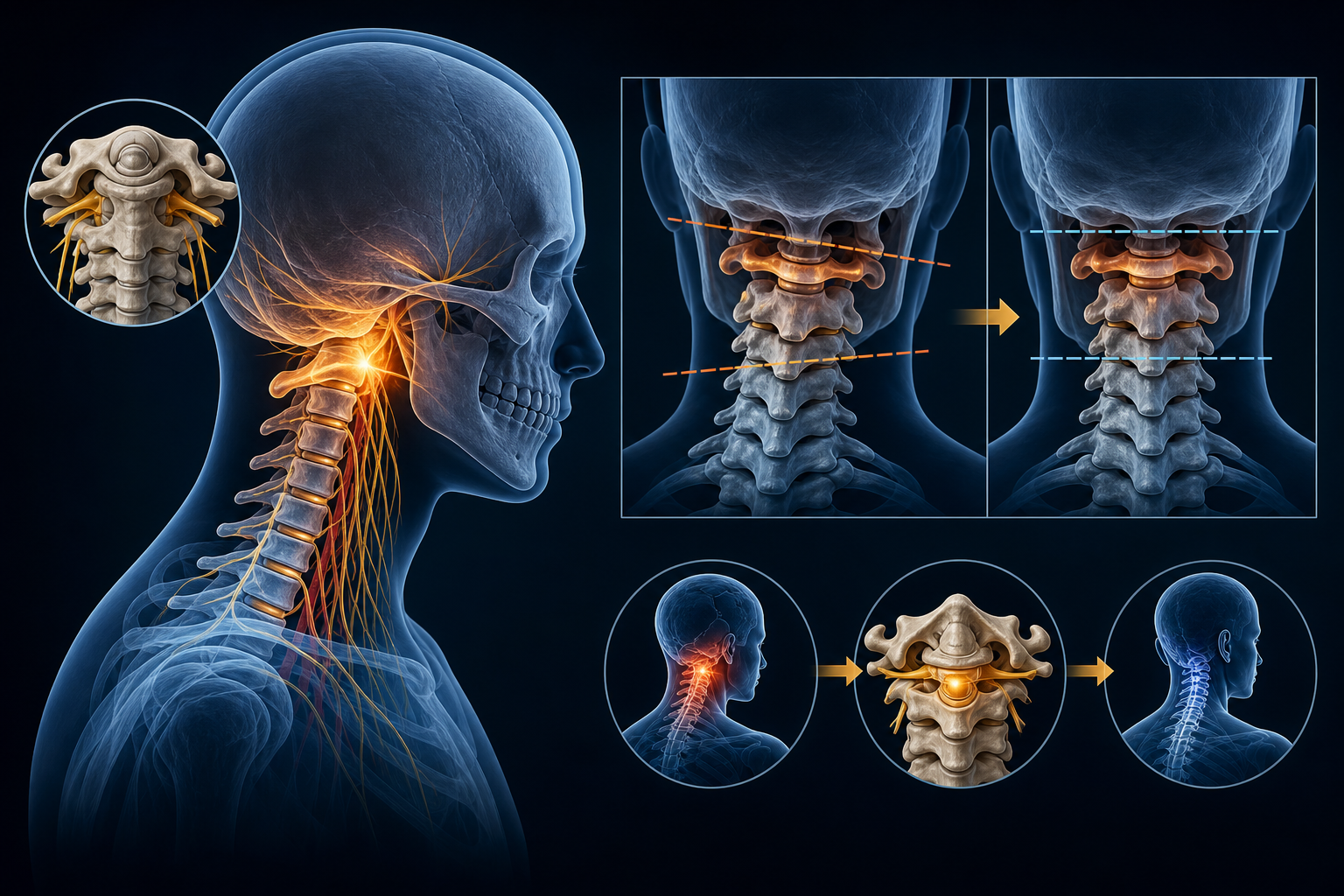
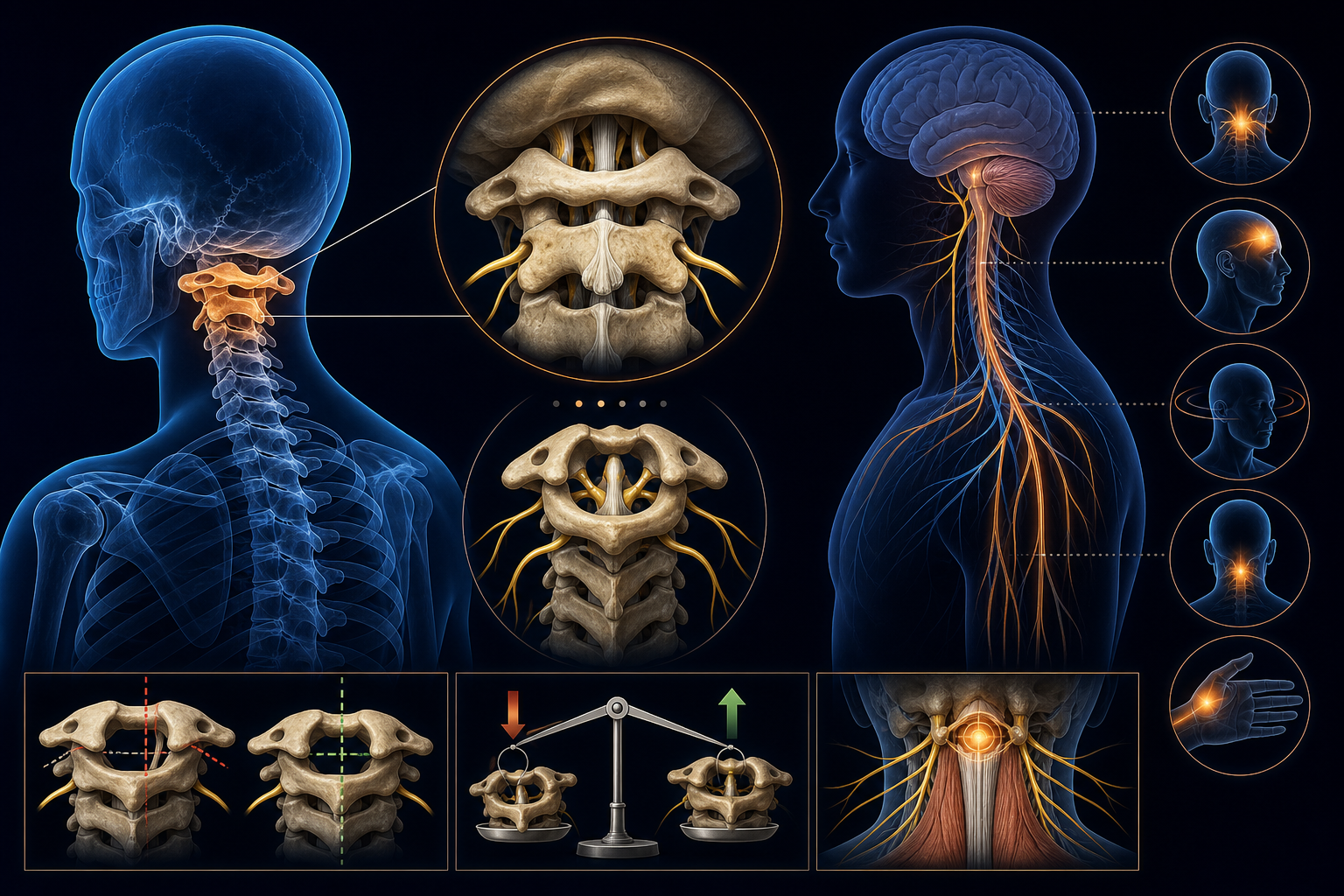
Upper cervical chiropractic care is a specialized style of chiropractic evaluation and treatment that focuses on the top portion of the spine. This region includes the junction between the skull and the cervical spine, where small changes in joint motion or muscle tension may influence how the neck moves and how the surrounding tissues feel.
Patients often ask, what is upper cervical chiropractic care and how is it different from a general neck adjustment? In many upper cervical techniques, the chiropractor uses detailed examination findings, posture assessment, range-of-motion testing, and sometimes imaging ordered when clinically appropriate to guide a very specific adjustment. The goal is not to force the neck, but to improve joint mechanics and reduce irritation in a controlled way.
For a broader overview of chiropractic care, visit Medximity’s guide to what a chiropractor does.
Common Reasons Patients Look for Upper Cervical Care
People often search for an upper cervical chiropractor because their symptoms feel concentrated high in the neck or just below the skull. These symptoms can have many possible causes, so a provider evaluation is important before assuming the source.
Upper Neck Pain When Turning the Head
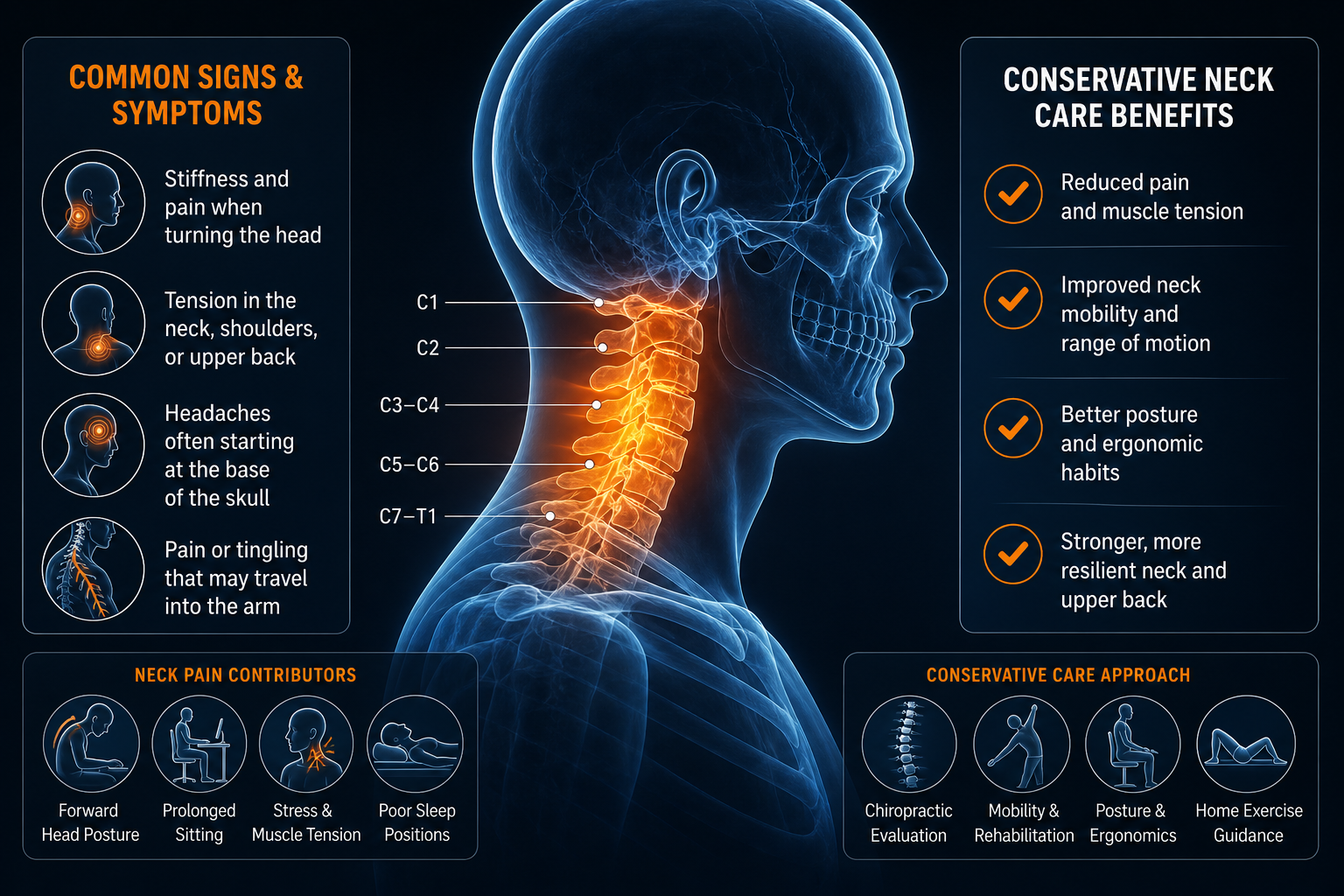
Upper neck pain when turning head movements may come from irritated joints, tight suboccipital muscles, poor posture, recent strain, or a prior injury. Some patients notice pain while checking blind spots, looking over one shoulder, working at a computer, or waking after sleeping in an awkward position. Conservative care may include gentle adjustments, soft-tissue work, mobility exercises, and ergonomic coaching.
Headaches That Start in the Neck
Some headaches are associated with neck stiffness, muscle tension, or restricted motion in the upper cervical spine. This is sometimes described as a cervicogenic pattern, although only a qualified clinician can determine what may be contributing to your symptoms. Headaches from neck pain treatment may include spinal mobilization or adjustment, posture training, stretching, strengthening, and strategies to reduce repeated strain.
If headaches are sudden, severe, unusual for you, associated with neurological symptoms, or follow trauma, seek urgent medical evaluation. For non-emergency education, Medximity also offers a patient resource on neck pain and headaches.
Dizziness That May Be Neck-Related
Patients sometimes search for an upper cervical chiropractor for dizziness near me because dizziness appears with neck stiffness or head movement. Dizziness can come from many sources, including inner ear conditions, neurological concerns, blood pressure changes, medication effects, or neck-related factors. Because of that, dizziness should be evaluated carefully. Chiropractic care may be appropriate for some patients, but it is not a substitute for medical assessment when symptoms are new, severe, or worsening.
How Upper Cervical Adjustments Work
Patients often want to understand how upper cervical adjustments work before scheduling a visit. Upper cervical adjustments are typically designed to be precise and controlled. Depending on the chiropractor’s training and technique, the adjustment may involve a light manual contact, a small instrument-assisted impulse, or a low-force positioning method.
The chiropractor will usually begin by identifying where motion appears limited or where tissues are sensitive. The adjustment is intended to improve joint movement and reduce mechanical stress. Some patients report improved comfort or mobility after care, while others may need several visits combined with home exercises and posture changes before they notice meaningful improvement.
Because the upper neck is a sensitive area, communication matters. Tell your chiropractor if you have a history of vascular conditions, recent trauma, osteoporosis, inflammatory arthritis, neurological symptoms, or prior neck surgery. This helps the provider choose an appropriate approach or refer you when needed.
Upper Cervical Chiropractic vs Regular Chiropractic
The difference between upper cervical chiropractic vs regular chiropractic is mainly the focus and technique. General chiropractic care may address the full spine, including the lower back, mid-back, pelvis, and extremities. Upper cervical care concentrates on the top of the neck and often uses more specific measurement and correction strategies for that region.
Neither approach is automatically better for every patient. The best fit depends on your symptoms, comfort level, examination findings, and goals. If your main concern is high neck pain, headaches related to neck tension, or symptoms that seem connected to the head-neck junction, an upper cervical evaluation may be reasonable. If you have broader spinal or movement-related concerns, a general chiropractic or physical therapy approach may also be helpful.
You can compare conservative care options through Medximity’s physical therapy search near Dickson if rehabilitation, strengthening, or movement retraining is part of your care plan.
Natural Treatment for Upper Neck Pain
Many people searching for natural treatment for upper neck pain want relief without medication or surgery. Conservative care may include a combination of hands-on treatment and active strategies you can use between visits. Common options include gentle chiropractic adjustments, soft-tissue therapy, cervical mobility exercises, scapular strengthening, posture changes, sleep-position guidance, and workstation modifications.
For example, a provider may look at how your head position changes during laptop use, driving, phone scrolling, or prolonged sitting. Small adjustments to screen height, pillow support, and movement breaks may reduce repeated stress on the upper neck. These changes are not instant cures, but they may support recovery when used consistently.
If you are specifically looking for neck pain relief without surgery Dickson, conservative providers can help you understand noninvasive options. Surgery is not typically the first path for uncomplicated neck pain, but serious or progressive symptoms should be evaluated promptly by an appropriate medical professional.
When to See a Provider
Consider seeing a chiropractor, physical therapist, or other qualified provider if upper neck pain lasts more than a few days, keeps returning, limits your ability to turn your head, affects sleep, or is associated with recurring headaches. You should also seek care after a fall, sports injury, or motor vehicle crash, even if symptoms seem mild at first.
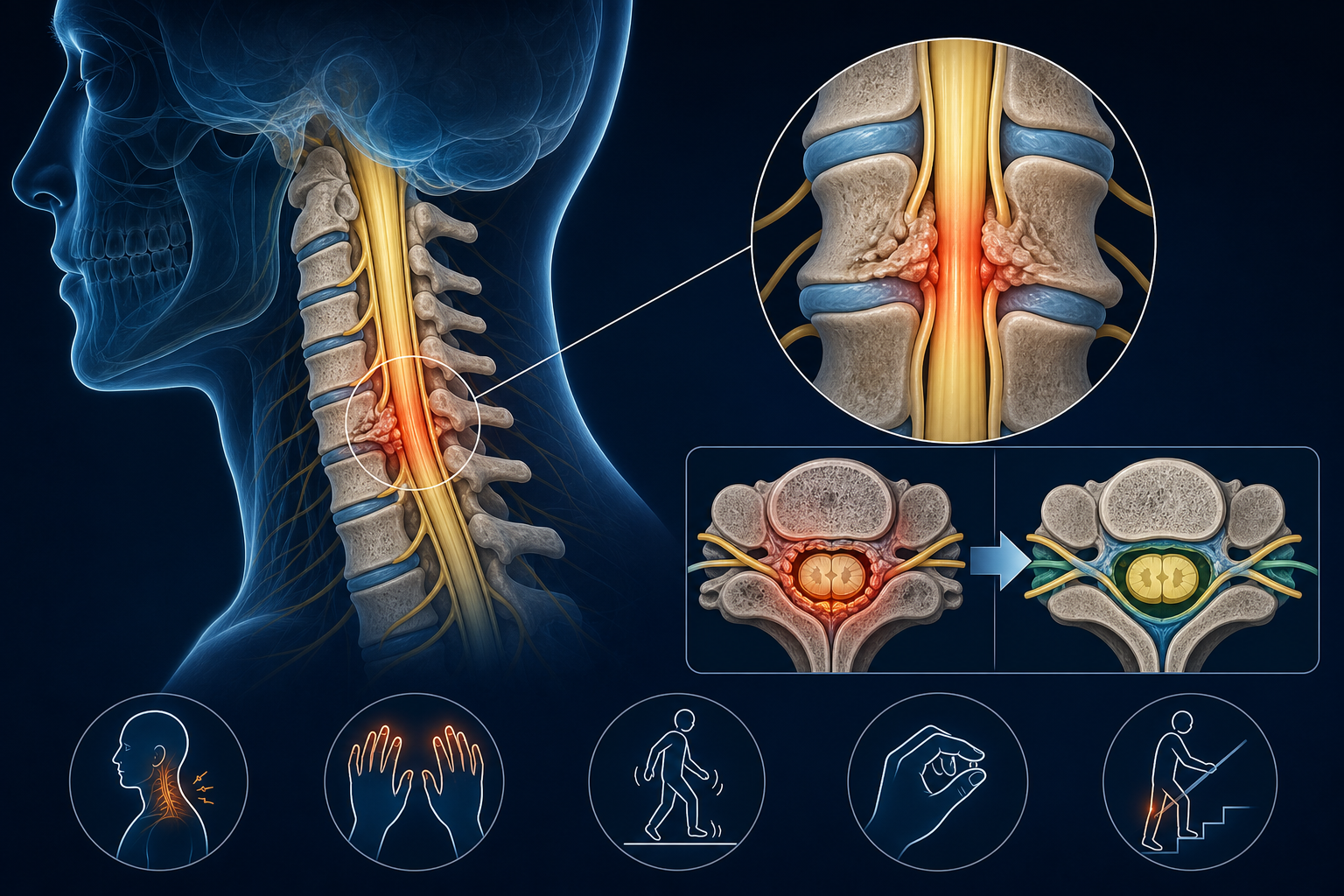
Seek urgent medical attention if neck pain is accompanied by chest pain, fainting, sudden severe headache, weakness, numbness, trouble speaking, vision changes, fever, unexplained weight loss, or loss of coordination. These symptoms may indicate a condition that needs immediate evaluation outside a routine chiropractic visit.
To learn more about neck pain patterns and conservative care, read Medximity’s article on when to see a chiropractor for neck pain.
What to Expect at an Upper Cervical Chiropractic Visit
Your first visit usually begins with a conversation about your symptoms, daily activities, prior injuries, medical history, and goals. The chiropractor may ask when the pain started, what movements aggravate it, whether headaches or dizziness occur, and what you have already tried.
The exam may include posture assessment, neck range-of-motion testing, orthopedic and neurological screening, palpation of the upper cervical joints and muscles, and functional movement checks. If your history suggests a need for imaging or medical referral, the provider should explain why before proceeding.
If care is appropriate, your treatment plan may include an upper cervical adjustment, gentle mobilization, soft-tissue work, and home recommendations. Some patients feel temporary soreness after an adjustment, similar to what can happen after exercise or manual therapy. Your provider should explain what is expected, what is not, and when to contact them.
How Long Does Upper Cervical Care Take?
How long does upper cervical care take depends on the cause of symptoms, how long the problem has been present, your overall health, and how your body responds. Some patients seek short-term care for a recent strain, while others need a longer plan that includes rehabilitation and habit changes.
A responsible provider should reassess progress over time rather than recommending indefinite treatment without clear goals. Your plan may include measurable markers such as improved head rotation, fewer headache days, better sleep, or improved tolerance for work and driving.
If you are comparing providers and trying to find the best upper cervical chiropractor near Dickson for your needs, look for clear communication, careful examination, transparent treatment planning, and willingness to refer when symptoms fall outside chiropractic care.
Is Upper Cervical Chiropractic Safe for Neck Pain?
Patients commonly ask, is upper cervical chiropractic safe for neck pain? For many appropriately screened patients, conservative chiropractic care is generally considered a low-risk option. However, no treatment is risk-free, and the neck requires careful evaluation. Safety depends on proper screening, technique selection, clinical judgment, and open communication about your health history.
Tell your provider about new neurological symptoms, blood vessel conditions, connective tissue disorders, bone density concerns, cancer history, infection symptoms, recent trauma, or use of blood-thinning medication. These details help determine whether upper cervical care is appropriate or whether another type of evaluation is needed.
For more background on conservative neck care, see Medximity’s guide to chiropractic care for neck pain.
Finding an Upper Cervical Chiropractor Near Dickson
Choosing an upper cervical chiropractor near Dickson should involve more than proximity. Look for a provider who explains their approach, listens to your concerns, discusses risks and alternatives, and sets realistic expectations. It is reasonable to ask what techniques they use, how they evaluate upper cervical problems, and how they coordinate with other healthcare professionals when needed.
Medximity helps patients compare local options and learn about conservative care before scheduling. You can begin with the upper cervical chiropractor search near Dickson or explore additional neck pain resources on Medximity.
FAQ: Upper Cervical Chiropractor Near Dickson
What conditions may an upper cervical chiropractor evaluate?
An upper cervical chiropractor may evaluate upper neck pain, restricted head rotation, muscle tension near the base of the skull, and some headache patterns associated with neck symptoms. Dizziness, neurological symptoms, or severe headaches should be screened carefully and may require medical evaluation.
Do upper cervical adjustments hurt?
Many upper cervical techniques are gentle, but comfort varies by patient and technique. You may feel pressure, brief soreness, or temporary tenderness afterward. Tell your provider if any method feels uncomfortable.
Can upper cervical care help headaches from neck pain?
Some patients with neck-related headache patterns report improvement with conservative care, including upper cervical adjustments, mobility work, and posture changes. Headaches can have many causes, so an evaluation is important before choosing treatment.
How many visits will I need?
The number of visits depends on your symptoms, exam findings, goals, and response to care. A provider should explain the recommended plan and reassess progress rather than making guarantees.
How do I choose the best provider near Dickson?
Look for a chiropractor who performs a thorough evaluation, explains how upper cervical adjustments work, discusses safety, and provides a clear plan. The best provider for you is one whose approach matches your condition, preferences, and health history.
This article is for educational purposes only and is not a substitute for professional medical advice, diagnosis, or treatment. Always consult a qualified healthcare provider about your specific condition. If you may be experiencing a medical emergency, call 911 or seek emergency care immediately.