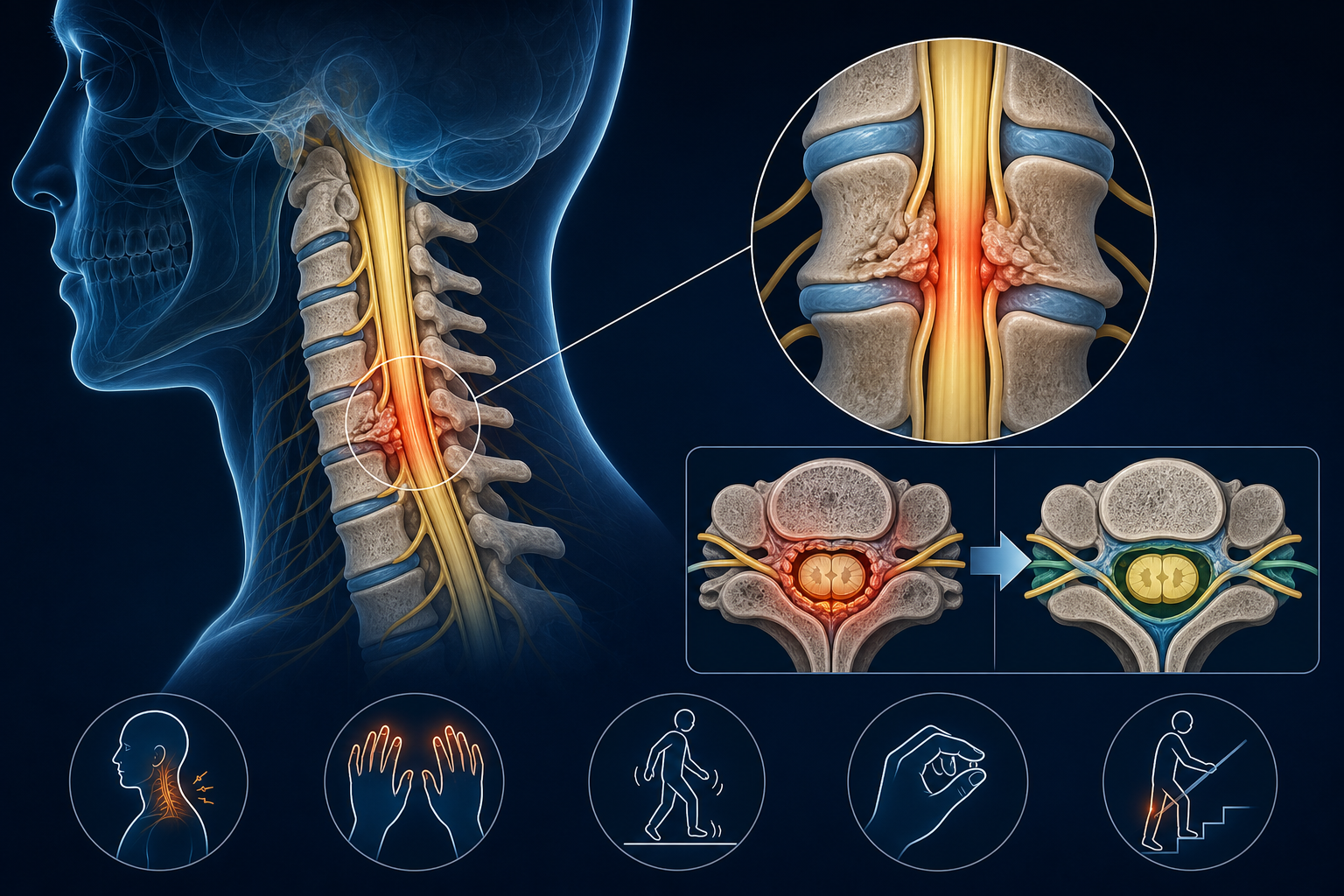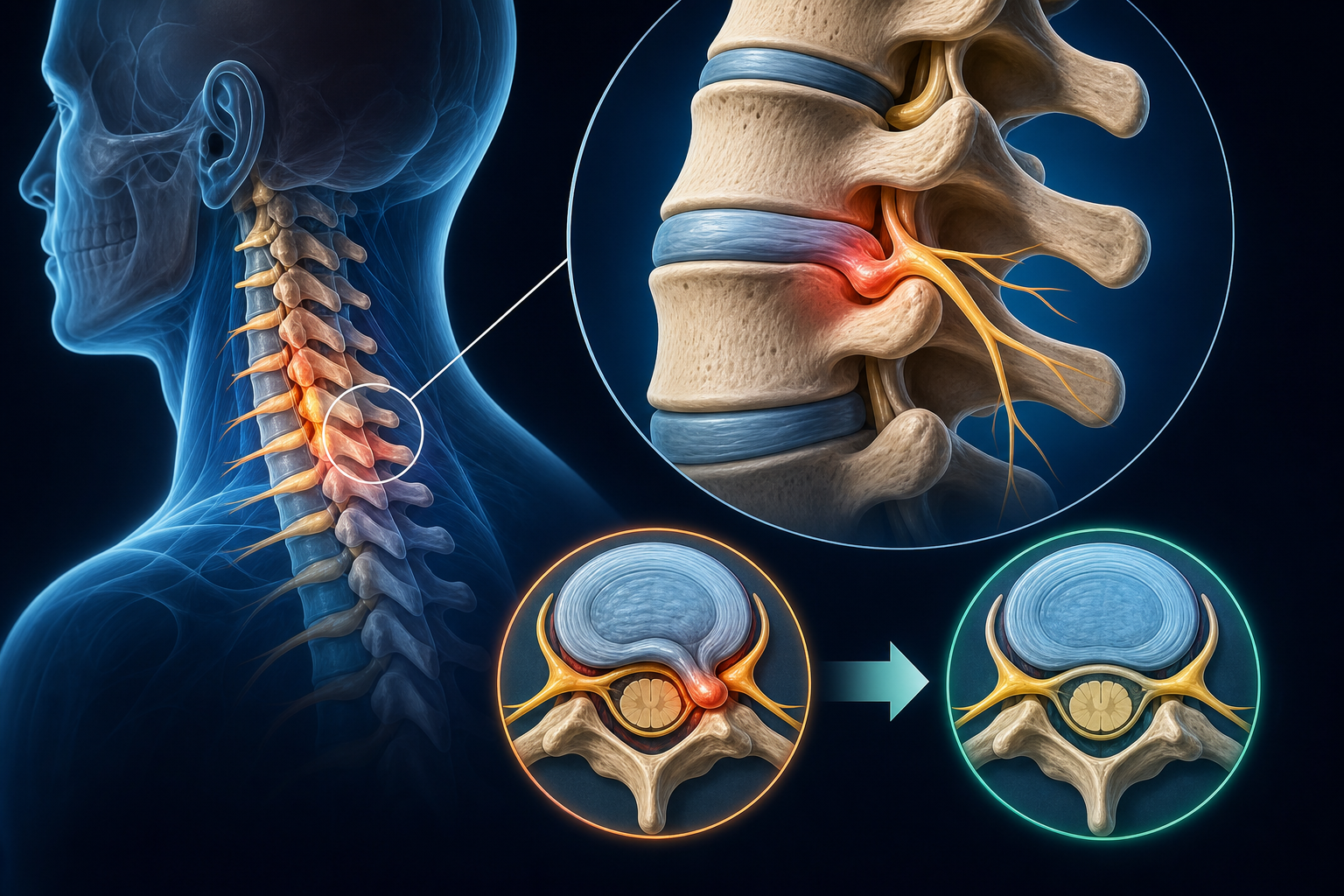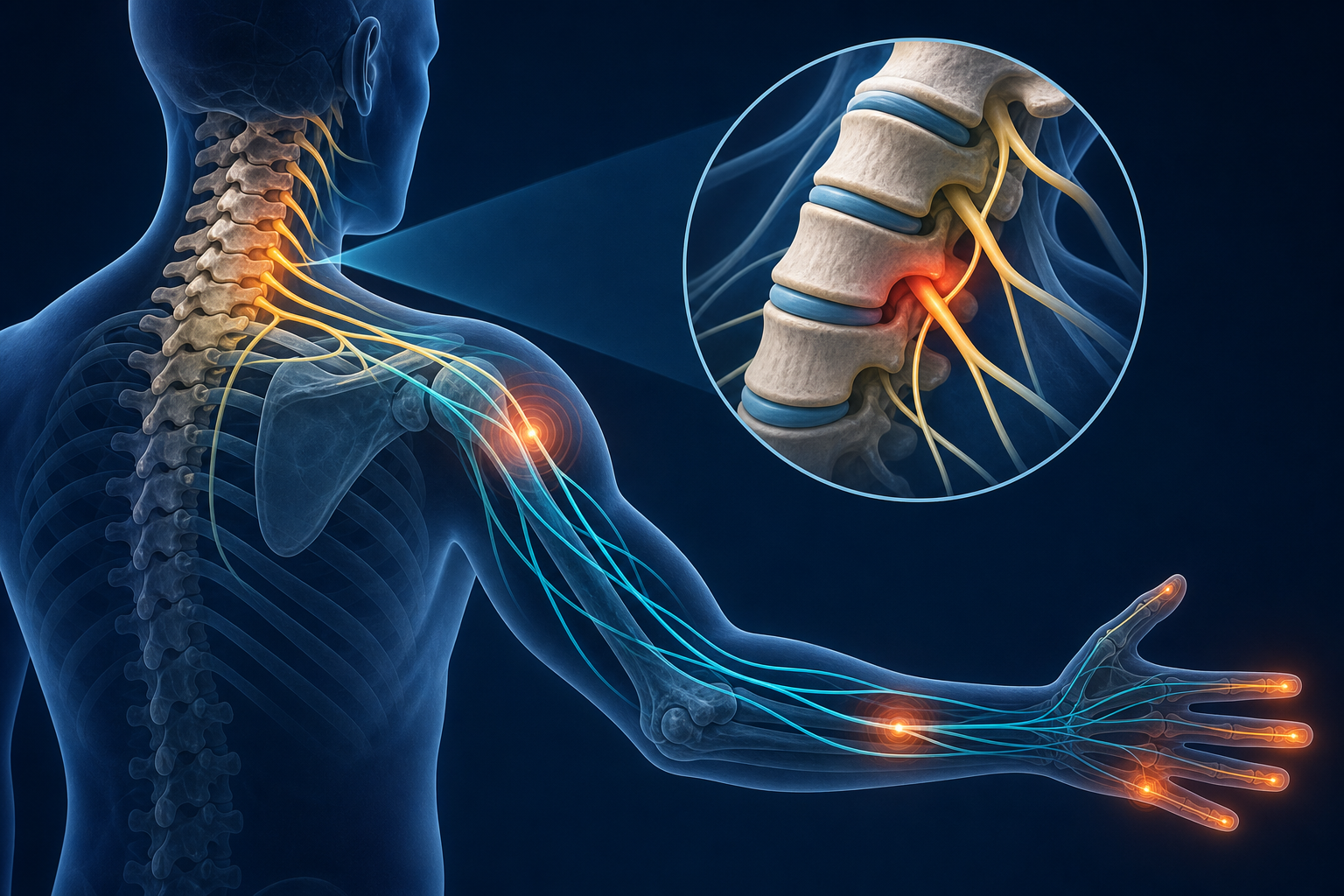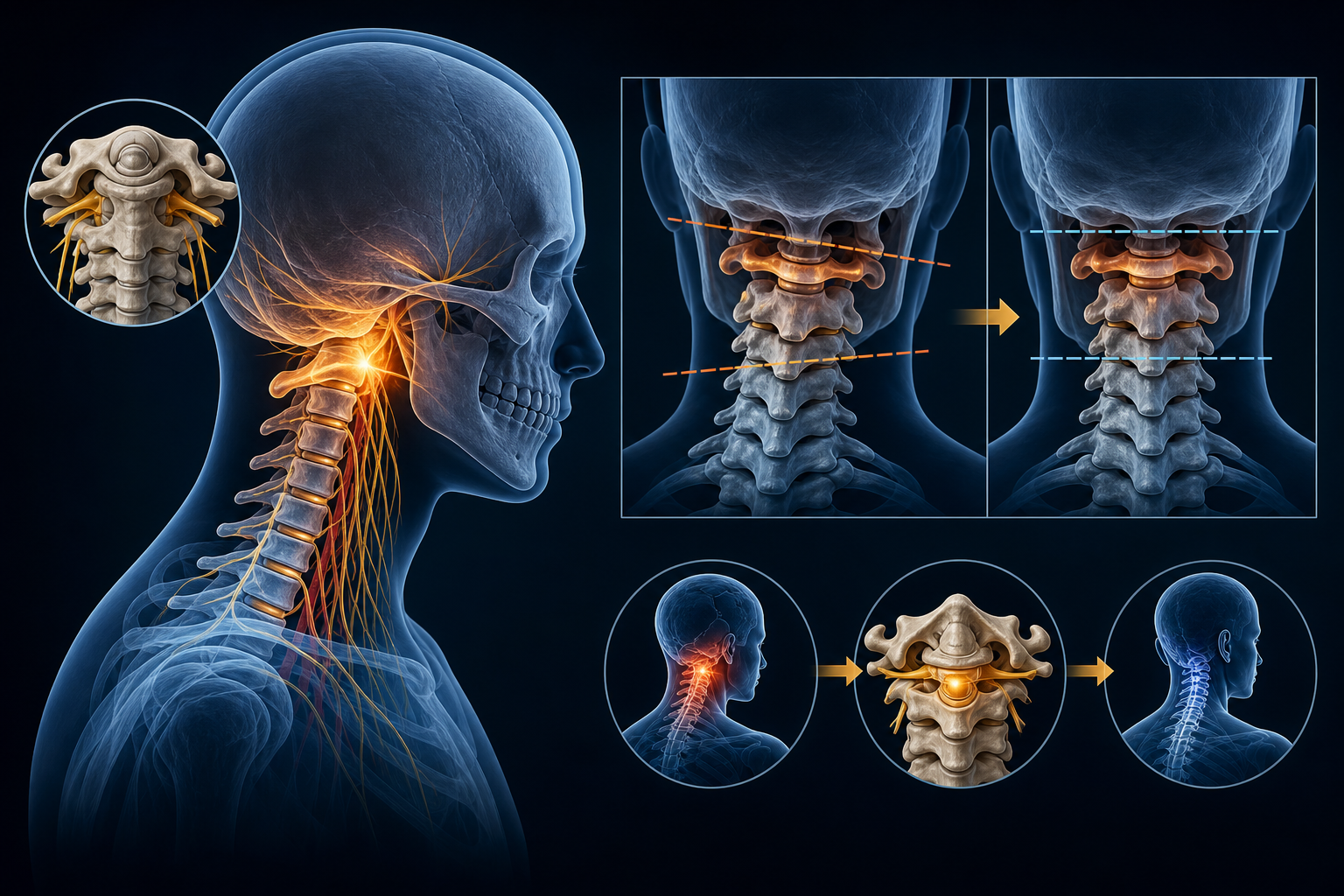
If you are searching for upper cervical chiropractic Dickson TN, you may be dealing with pain at the base of the skull, stiffness when turning your head, or the frustrating feeling that you cannot move your neck normally after sleeping. Upper cervical chiropractic is a focused style of conservative care that looks closely at the top two bones of the neck, commonly called the atlas and axis. For some patients, this area may contribute to upper neck pain, headaches, limited motion, and muscle guarding.
This article explains what upper cervical chiropractic is, how it differs from regular chiropractic care, when to see a provider, and what to expect during a visit in or near Dickson. If you are ready to compare local options, you can start with Medximity’s Dickson, TN chiropractor directory or browse chiropractors near you.
What Is Upper Cervical Chiropractic?
Upper cervical chiropractic is a chiropractic approach that emphasizes the uppermost part of the spine, especially the joint region between the skull, atlas, and axis. This area helps support head position and contributes to neck rotation, balance, and posture. Because many muscles, ligaments, and nerves pass through or near this region, irritation or restricted motion may be associated with discomfort in the upper neck and base of the skull.
Upper cervical chiropractors often use detailed posture, motion, neurological, and orthopedic assessments to understand how the upper neck is moving. Some providers use imaging when clinically appropriate, while others rely on examination findings and patient history. Treatment may include very light, precise adjustments, soft-tissue work, mobility exercises, postural coaching, or ergonomic recommendations.
If you are still learning about chiropractic care in general, Medximity’s guide to what chiropractic care is can help you understand the broader conservative-care model.
Upper Cervical Chiropractic vs Regular Chiropractic
Patients often ask about upper cervical chiropractic vs regular chiropractic. The main difference is focus. General chiropractic care may address the full spine, including the neck, mid-back, low back, pelvis, and extremities. Upper cervical chiropractic concentrates more heavily on the top of the cervical spine and how that region may influence head and neck mechanics.
That does not mean one approach is automatically better than the other. The right fit depends on your symptoms, exam findings, comfort level, and goals. Some patients prefer a highly specific upper-neck evaluation. Others benefit from a broader full-spine and movement-based plan. In many cases, the best upper cervical chiropractor in Dickson for you is the provider who listens carefully, explains findings clearly, avoids rushed care, and adjusts the plan based on your response.
For a deeper comparison, see Medximity’s related article on upper cervical chiropractic versus regular chiropractic.
Common Reasons People Search for Upper Cervical Chiropractic in Dickson, TN
People look for an upper cervical chiropractor near me for many reasons. Upper neck symptoms can start after a long drive, desk work, a minor strain, a stressful week, or sleeping in an awkward position. They can also develop gradually from posture, repetitive movements, or previous injuries.
Neck Pain When Turning the Head
Neck pain when turning head may come from irritated joints, guarded muscles, or reduced mobility in the cervical spine. Upper cervical evaluation may help identify whether motion near the base of the skull is contributing to the problem. A provider may also check the shoulders, thoracic spine, jaw, and posture because these areas can influence neck mechanics.
You can read more about this symptom in Medximity’s article on neck pain when turning the head.
Can’t Move Neck After Sleeping
If you can’t move your neck after sleeping, it may be related to muscle spasm, joint irritation, pillow position, or a movement pattern that overloaded the neck overnight. Many cases improve with time and conservative care, but severe pain, numbness, weakness, fever, recent trauma, or symptoms that worsen should be evaluated promptly by a qualified healthcare provider.
Medximity also has a patient-friendly guide on what may contribute to waking up unable to move the neck.
Is It Normal to Feel Neck Clicking?
Occasional neck clicking or popping can occur when joints move, tendons shift, or gas releases within joint fluid. It is not always a sign of injury. However, clicking with pain, dizziness, neurological symptoms, recent trauma, or progressive stiffness should be assessed. A chiropractor can help determine whether the sound is likely benign or whether another evaluation is appropriate.
Upper Cervical Chiropractic Without Neck Twisting
Many people searching for upper cervical chiropractic without neck twisting want a gentler approach. Some upper cervical techniques use low-force, highly specific contact rather than a large rotational movement. Depending on the provider’s training, care may involve a small hand adjustment, an instrument-assisted technique, or positioning that keeps the neck relatively neutral.
Before any adjustment, you can ask the provider what technique they use, what the adjustment feels like, whether twisting is involved, and what alternatives are available. A good provider should be willing to explain options and respect your comfort level. No technique is appropriate for every patient, so the examination and your health history matter.
How Long Does an Upper Cervical Adjustment Take?
How long does upper cervical adjustment take? The adjustment itself may take only seconds, but the full visit usually takes longer. A first appointment often includes a health history, discussion of symptoms, posture and range-of-motion checks, orthopedic or neurological screening when indicated, and a care plan conversation. Follow-up visits may be shorter, but timing varies by clinic and by the complexity of your condition.
Some upper cervical providers also allow time after the adjustment to reassess movement, observe how the body responds, or recommend home care. The goal is not speed. The goal is a careful, appropriate visit based on your presentation.
Natural Treatment for Upper Neck Pain
Many patients want a natural treatment for upper neck pain before considering more invasive options. Conservative care may include chiropractic adjustments, physical therapy exercises, soft-tissue techniques, posture training, sleep-position changes, and gentle mobility work. These approaches may help reduce strain, improve movement tolerance, and support better daily function for some patients.
If you are wondering how to fix upper neck pain, it is safer to think in terms of identifying contributing factors rather than trying to force the neck to loosen. A provider may look at workstation setup, phone habits, driving posture, pillow height, breathing patterns, shoulder mobility, and stress-related muscle tension. For broader information, visit Medximity’s neck pain condition resource.
When to See a Provider
Consider seeing a chiropractor or another qualified healthcare provider if upper neck pain lasts more than a few days, keeps returning, limits head movement, affects sleep, or interferes with work, driving, or daily activities. You should seek urgent medical evaluation if neck pain follows significant trauma or is accompanied by severe headache, fever, confusion, fainting, chest pain, new weakness, numbness, trouble walking, vision changes, or loss of coordination.
A conservative provider can help determine whether chiropractic care may be appropriate or whether referral to another medical professional is needed. Responsible care includes knowing when not to adjust and when further evaluation is warranted.
What to Expect at an Upper Cervical Chiropractic Visit in Dickson
At an initial visit, the provider will usually ask where the pain is, when it started, what makes it better or worse, and whether you have symptoms such as headaches, dizziness, arm pain, numbness, or weakness. They may review previous injuries, sleep position, work demands, and activity habits.
The exam may include checking neck range of motion, posture, muscle tenderness, reflexes, sensation, strength, and joint mobility. If care is appropriate, the provider should explain the recommended technique, expected visit frequency, possible soreness, and home-care steps. Some patients receive an adjustment at the first visit, while others may need additional evaluation first.
To compare local options, use Medximity’s upper cervical chiropractic Dickson TN provider search. You can also expand your search through the national chiropractic directory if you work, commute, or receive care outside Dickson.
FAQ: Upper Cervical Chiropractic in Dickson, TN
What is upper cervical chiropractic?
Upper cervical chiropractic is a focused approach to the top of the neck, especially the atlas and axis. It may include precise adjustments, posture assessment, soft-tissue work, and home-care guidance depending on the patient’s needs.
Is upper cervical chiropractic painful?
Many upper cervical techniques are gentle, and some use little or no neck rotation. Mild soreness can occur after manual care, but severe or worsening symptoms should be discussed with the provider promptly.
How do I choose the best upper cervical chiropractor in Dickson?
Look for a provider who explains their exam process, discusses technique options, reviews your health history, answers questions clearly, and refers out when symptoms suggest a need for additional medical evaluation.
Can upper cervical care help if I can’t turn my head?
It may help some patients when restricted motion is related to joint or muscle irritation, but the cause needs to be evaluated. Sudden severe symptoms, trauma, neurological changes, or systemic symptoms require prompt medical attention.
Do upper cervical chiropractors twist the neck?
Some techniques involve little to no twisting, while others may use different forms of manual adjustment. Ask the chiropractor which technique they use and whether a lower-force option is available.
Finding Upper Cervical Chiropractic Near You
Upper neck pain can be disruptive, especially when it affects sleep, driving, work, or simple movements like checking a blind spot. Upper cervical chiropractic in Dickson, TN may be a conservative option worth discussing with a qualified provider. A careful exam, clear explanation, and individualized plan can help you understand what may be contributing to your symptoms and what next steps are reasonable.
Use Medximity to find an upper cervical chiropractor near Dickson and compare care options that fit your needs.
This article is for educational purposes only and is not a substitute for professional medical advice, diagnosis, or treatment. Always consult a qualified healthcare provider about your specific condition. If you may be experiencing a medical emergency, call 911 or seek emergency care immediately.