Educational disclaimer: This article is general educational information. It is not a diagnosis, a substitute for professional medical advice, or a recommendation for a specific treatment plan. Discuss your symptoms and care options with a qualified healthcare professional, and seek urgent medical care when red-flag symptoms are present.
What Is Upper Cervical Chiropractic?
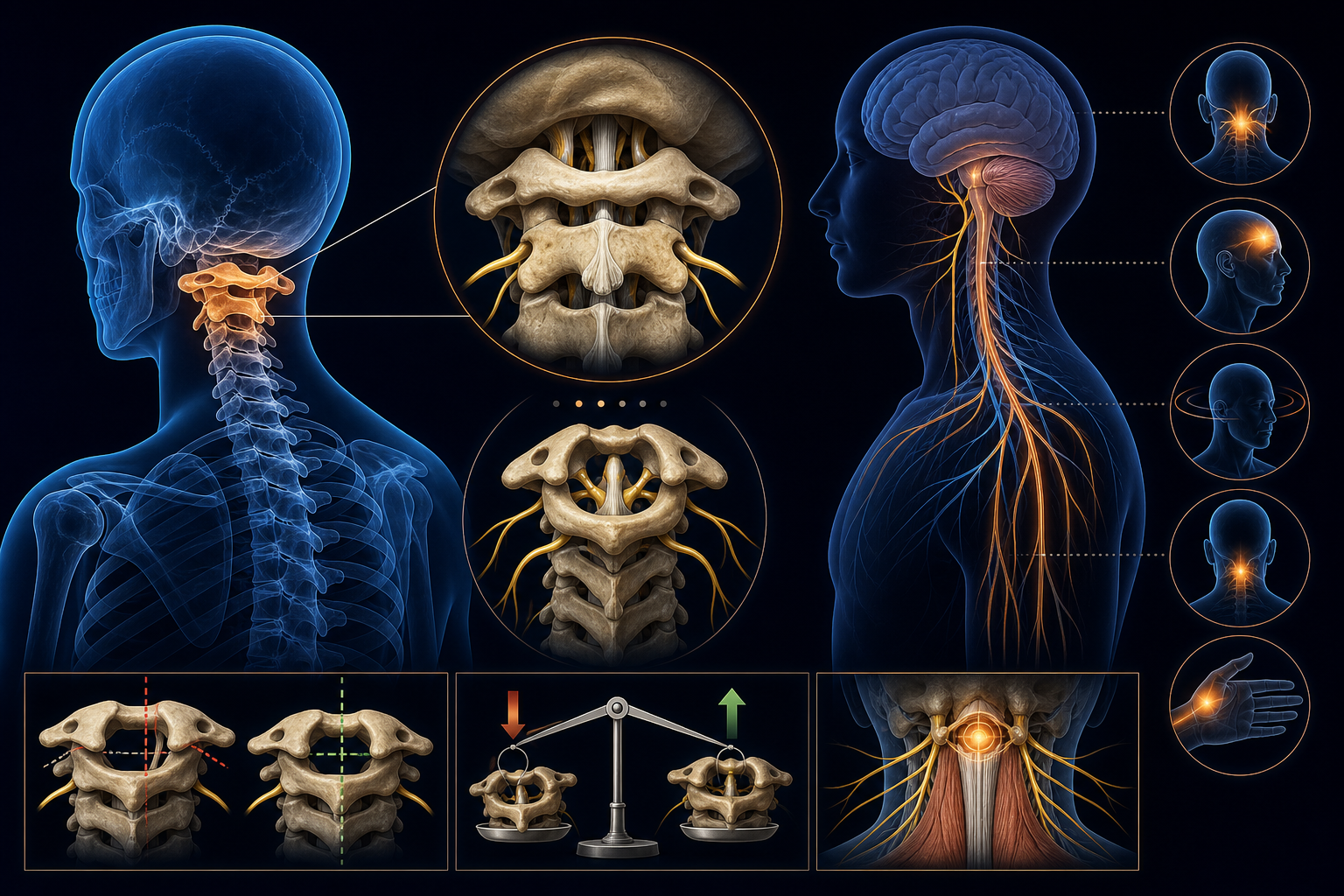
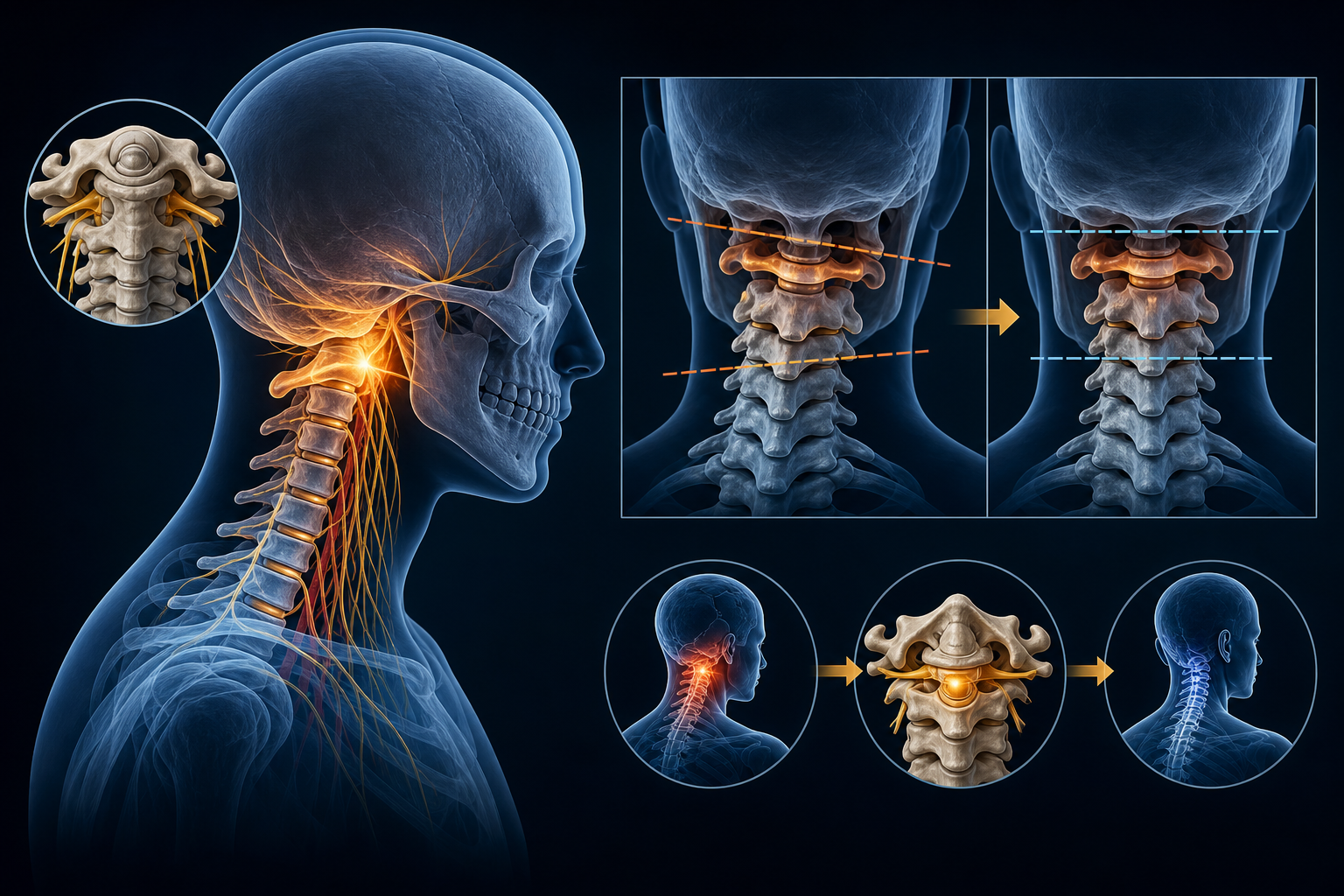
If you are looking for an upper cervical chiropractic FAQ for patients, a common first question is: what is upper cervical chiropractic care? It is a focused form of chiropractic care that evaluates the upper neck, especially the atlas and axis, the first two cervical vertebrae beneath the skull.
Upper cervical chiropractors may assess head and neck posture, joint motion, muscle tension, and how the upper neck may relate to discomfort or movement limits. Care is conservative and non-invasive, and may include gentle adjustments, posture education, ergonomic guidance, stretching, and referral when appropriate. For background, see MedXimity’s article on what is an upper cervical subluxation.
How Is Upper Cervical Care Different From General Chiropractic Care?
Patients often ask about upper cervical chiropractic versus general chiropractic. General chiropractic care may evaluate the spine, pelvis, and extremities. Upper cervical care places special attention on the upper neck and the relationship between the head, neck, and surrounding soft tissues.
The difference is usually focus and assessment style, not a promise of a different result. Some upper cervical techniques use specific positioning, imaging review when clinically appropriate, or low-force methods. The right approach depends on your symptoms, exam findings, health history, and comfort level.
What Conditions Do Patients Commonly Ask About?
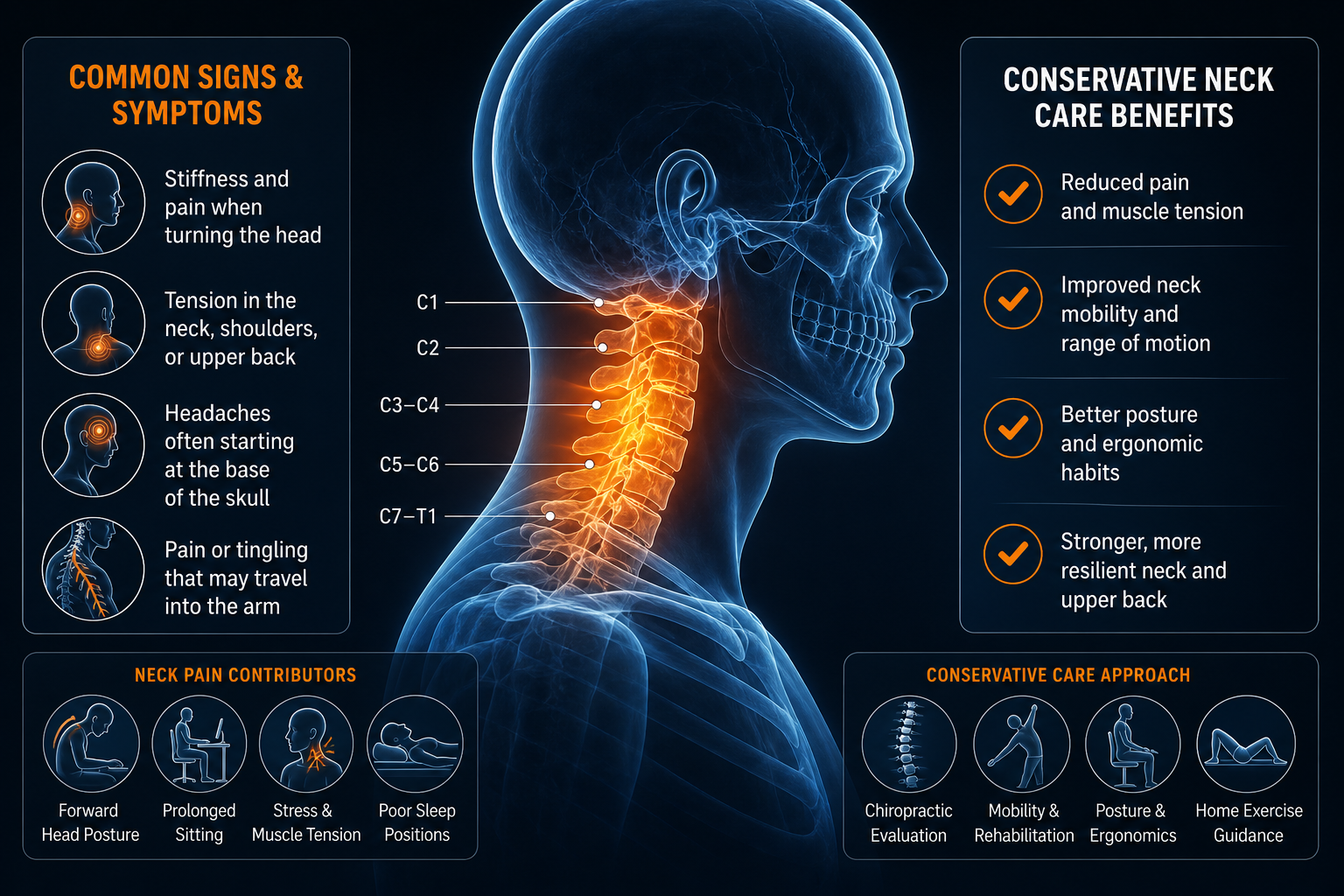
The conditions upper cervical chiropractors commonly discuss include neck pain, stiffness, tension-type head discomfort, migraine-associated neck tension, jaw-related discomfort, dizziness complaints, posture-related strain, and symptoms after minor musculoskeletal injuries. Chiropractic care does not diagnose every cause of these symptoms, and not every symptom is appropriate for chiropractic treatment.
Many patients explore upper cervical care when they prefer conservative options for neck and head-related discomfort. Related MedXimity resources include headache-focused upper cervical chiropractic care, neck pain treated by chiropractic doctors, and upper cervical care for TMJ and TMD concerns.
What Happens During an Upper Cervical Chiropractic Visit?
If you are wondering what happens at upper cervical chiropractor appointments, the first visit usually begins with a health history and a discussion of symptoms, daily activities, prior injuries, and goals for care. The provider may ask what makes symptoms better or worse and whether any signs suggest medical referral.
The exam may include posture observation, neck range-of-motion testing, palpation, orthopedic or neurologic screening, and functional movement checks. Imaging may be recommended only when clinically appropriate. After the assessment, the chiropractor should explain findings in plain language, discuss whether care is appropriate, and outline a plan that fits your situation.
What Might an Upper Cervical Adjustment Feel Like?
A common question is: does upper cervical adjustment feel uncomfortable? The answer varies. Some techniques feel like light pressure, a brief contact, or a small movement of the head or neck. Other techniques may use a specialized table or instrument. Some patients notice temporary soreness, stiffness, or fatigue after care.
An adjustment should be explained before it is performed. You should be able to ask what technique is being used, why it is being recommended, and what sensations are typical. If a position or contact feels uncomfortable, tell the provider.
How Many Visits Might Be Recommended?
There is no single answer to how many upper cervical chiropractic visits a person may need. Visit frequency can depend on symptom duration, exam findings, work demands, posture habits, prior injuries, and response to care. Some patients are seen for a short trial of care, while others continue periodically based on progress and goals.
A reasonable plan should include re-evaluation. Your provider should track changes such as pain intensity, range of motion, headache frequency, function, sleep comfort, or activity tolerance. If you are not improving as expected, the plan should be reconsidered and referral may be appropriate.
Is Upper Cervical Chiropractic Safe?
Patients frequently ask, is upper cervical chiropractic safe for adults? For many adults, chiropractic care is considered a conservative option when performed by a properly trained and licensed provider after an appropriate history and exam. However, no healthcare approach is risk-free, and the neck requires careful evaluation.
Before care begins, tell the provider about recent trauma, unusual symptoms, vascular or neurologic history, bone health concerns, prior neck procedures, and current clinician-directed care. A qualified chiropractor should screen for symptoms suggesting chiropractic care is not appropriate at that visit and should refer you for medical evaluation when needed.
When Should Neck or Head Symptoms Be Evaluated Urgently?
Neck pain headache red flag symptoms should not be ignored. Seek immediate medical evaluation or emergency care if neck pain or head pain occurs with sudden severe head pain, new weakness or numbness, trouble speaking, facial drooping, difficulty walking, fainting, chest pain, fever with neck stiffness, confusion, vision changes, or symptoms after significant trauma.
These symptoms can have causes that require prompt medical assessment. A chiropractic consultation should not delay urgent evaluation when these signs are present.
What Results Can Patients Reasonably Expect?
Upper cervical chiropractic care may help some patients manage neck-related discomfort, improve mobility, reduce muscle tension, or better tolerate daily activities. Some patients report fewer or less intense headache episodes when neck mechanics and posture are addressed, but results vary and depend on the underlying cause of symptoms.
Care is best viewed as part of a broader conservative plan. Ergonomics, movement habits, sleep position, stretching, strengthening, hydration, stress management, and coordination with other healthcare professionals may influence outcomes. MedXimity also offers an overview of upper cervical chiropractic and quality of life.
How to Choose a Qualified Upper Cervical Chiropractor
Searching for an upper cervical chiropractor near me can produce many options. Look for a licensed chiropractor who clearly explains the evaluation process, uses conservative and patient-centered language, welcomes questions, and discusses referral when symptoms fall outside their scope.
It is reasonable to ask about training in upper cervical methods, experience with symptoms like yours, exam procedures, informed consent, and how progress is measured. A trustworthy provider should not promise specific outcomes or pressure you into long plans without explaining the reasoning.
Questions to Ask Before Starting Care
Helpful questions to ask upper cervical chiropractor include:
- What findings suggest upper cervical care may be appropriate for me?
- What technique do you use, and what might it feel like?
- What are the possible risks or temporary reactions?
- How many visits are you recommending before re-evaluation?
- What signs would mean I should be referred to another healthcare professional?
- How do you measure progress?
If you decide to book upper cervical chiropractic consultation, bring a symptom timeline, prior relevant imaging reports if available, and your main goals. The consultation should help you understand whether care is appropriate, not pressure you into a decision.
Upper Cervical Chiropractic FAQ
Is upper cervical chiropractic the same for every patient?
No. Assessment findings, symptom history, comfort level, and goals should guide the care plan. Individual results vary.
Can upper cervical care help headaches?
For some people, addressing neck mobility, muscle tension, and posture may help manage headache-related neck factors. Headaches can have many causes, so evaluation by a qualified professional is important.
Should an adjustment be painful?
Many patients describe upper cervical techniques as gentle, but sensations vary. Tell the provider if you feel discomfort or want the procedure paused.
When should I avoid waiting for a chiropractic appointment?
Seek urgent medical evaluation for red-flag symptoms such as sudden severe head pain, new neurologic symptoms, fever with neck stiffness, fainting, or symptoms after significant trauma.
This article is for educational purposes only and is not a substitute for professional medical advice, diagnosis, or treatment. Always consult a qualified healthcare provider about your specific condition. If you may be experiencing a medical emergency, call 911 or seek emergency care immediately.