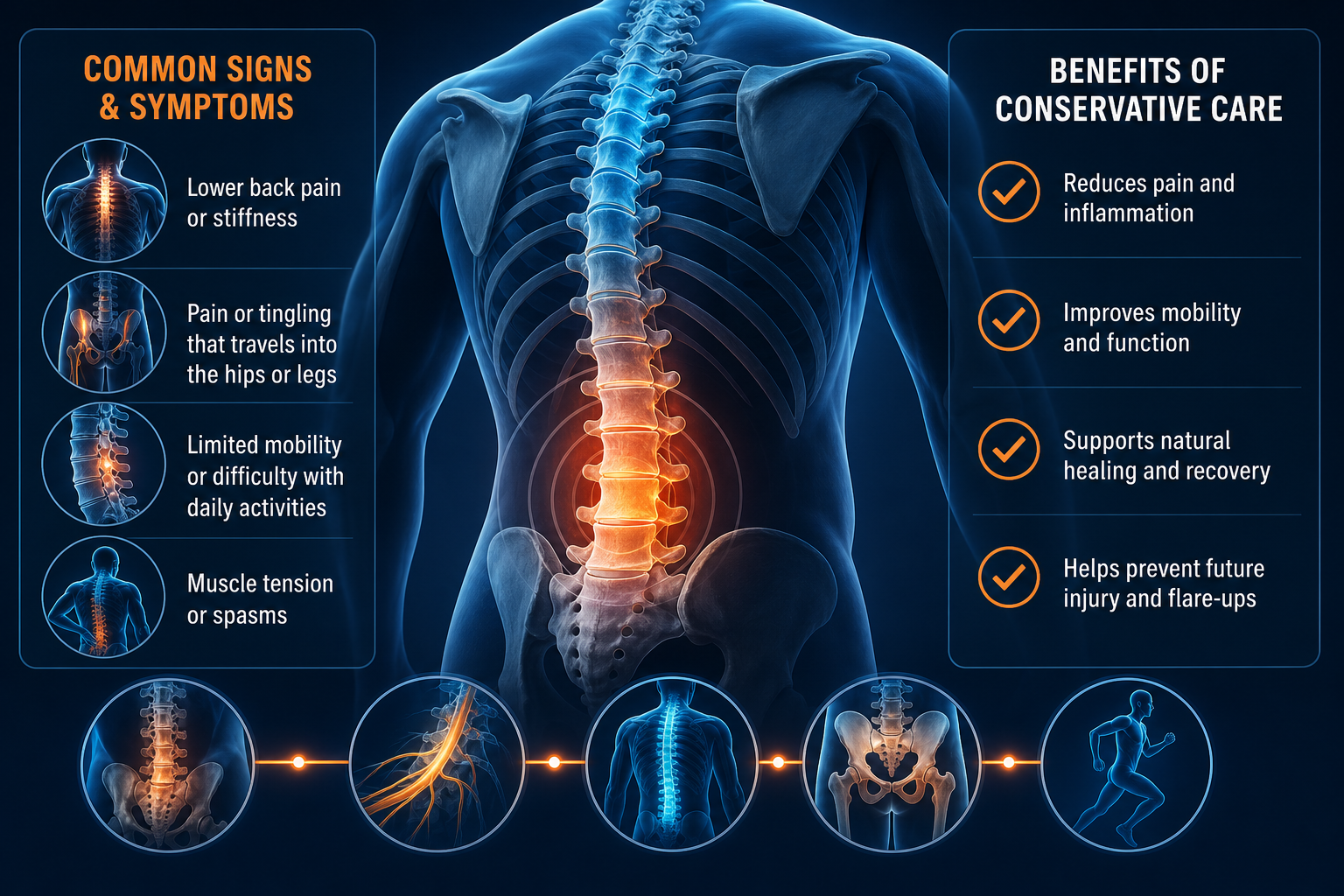
Back pain chiropractor near me searches usually mean you need two things quickly: a nearby provider and a clear way to decide if chiropractic care fits your type of pain. The right local chiropractor should be easy to find, clear about treatment style, and able to assess common back pain patterns involving the lumbar spine, sacroiliac joint, paraspinal muscles, and related nerves before starting care.
If you want same-day or next-available care, start with a local directory that lets you compare hours, reviews, rehab services, and appointment options. You can find a chiropractor near you, compare profiles, and use the details below to choose a provider who treats back pain specifically rather than booking the first name you see.
How to Find a Back Pain Chiropractor Near YouHow do you find a back pain chiropractor near you quickly?
The fastest way to find a back pain chiropractor near me open now is to filter local listings by distance, same-day availability, hours, and back-pain-related services. A generic “chiropractor near me” result is less useful than a profile that clearly mentions lower back pain, sciatica, posture care, rehab exercise, or work-related strain.
Use filters that match your actual problem
Back pain is not one category. Pain after lifting, stiffness when getting out of bed, pain across the belt line, and pain shooting into the glute or thigh can point to different structures. A useful directory page should help you sort by service style, not just star rating.
- Hours: check evening, weekend, or walk-in availability.
- Symptoms treated: look for lower back pain, sciatica, posture strain, disc-related pain, and work injuries.
- Treatment options: spinal adjustment, soft tissue work, mobility training, rehab exercise, ergonomic coaching.
- Access: parking, transit access, telehealth screening if offered, and neighborhood coverage.
- Communication: multilingual care, clear first-visit instructions, payment transparency.
Neighborhood context matters. A provider 2 miles away with lunch-hour appointments may be a better fit than one across the city with a 10-day wait. If your pain started after desk work or repetitive lifting, review work-related back pain prevention strategies while you compare listings.
Back pain is common enough that most adults will experience it at some point, but common does not mean you should guess your way through care. The best local search result is the one that tells you what the provider treats, how they evaluate it, and when they can see you.
What does a back pain chiropractor do?
A back pain chiropractor evaluates how your spine and surrounding tissues move, identifies mechanical patterns that may be contributing to pain, and uses conservative care to improve motion, reduce irritation, and restore function. That typically includes a history, movement exam, palpation, orthopedic testing, and a treatment plan focused on the lumbar vertebrae, thoracolumbar fascia, multifidus, quadratus lumborum, and hip mechanics.
What the exam usually looks for
- Loss of lumbar flexion or extension ROM
- Pain with standing, sitting, bending, or turning in bed
- Tenderness in the paraspinal muscles or sacroiliac region
- Radiating symptoms that may suggest nerve irritation
- Weakness, asymmetry, or movement guarding around the hips and core
Common conservative treatments
Chiropractors commonly use spinal manipulation or mobilization, soft tissue techniques, guided stretching, and home exercise. If your symptoms also include leg pain, numbness, or pain below the knee, a provider may screen for sciatic involvement and recommend care similar to what is discussed in Sciatica Treatment – Understanding the Pain and What Can Be Done for Sciatic Pain?.
For uncomplicated mechanical low back pain, many people start with 2 visits per week for 2 to 3 weeks, then taper based on function. Some improve in 4 to 6 visits. More persistent flare-ups may need 6 to 12 visits over 4 to 8 weeks, especially when stiffness, deconditioning, and work posture are part of the pattern.
Research on guideline-based conservative care suggests that many uncomplicated low back pain cases improve over a few weeks, especially when hands-on care is paired with exercise and activity modification rather than rest alone.
What back pain problems commonly bring people to a chiropractor?
The most common reasons are lower back pain after lifting, stiffness after sitting, recurring flare-ups, pain when standing up straight, and pain that spreads into the buttock or thigh. If you are asking is it normal to have back pain, the practical answer is this: it is common, but recurring or limiting pain deserves an exam.
Back pain pattern Possible involved structures What often aggravates it Typical early care timeline Sharp lower back pain after lifting Lumbar facets, erector spinae, thoracolumbar fascia Bending, twisting, getting up from a chair Often improves over 1-3 weeks with conservative care Stiffness after desk work Hip flexors, gluteals, lumbar joints Prolonged sitting, poor workstation setup Often 4-8 visits plus home mobility work Back pain when standing up straight Facet joints, psoas, abdominal weakness, disc irritation Extension, prolonged standing, walking uphill Varies; often 2-6 weeks depending on irritability Pain into buttock or leg Sciatic nerve, piriformis, lumbar disc, SI joint Sitting, coughing, forward bending Often 4-8 weeks if nerve tissue is irritatedPain location matters. Central low back pain often behaves differently than pain off to one side near the SI joint. Morning stiffness points one way; pain after 30 minutes of sitting points another. If your symptoms are mostly low back stiffness without leg symptoms, you may also benefit from the self-care strategies in Low Back Pain – How to Heal Naturally.
- Mechanical lower back pain: usually changes with position and movement.
- Posture-related pain: often worse after sitting, driving, or laptop work.
- Extension-sensitive pain: often shows up as back pain when standing up straight.
- Nerve-related pain: may include tingling, numbness, or leg symptoms below the knee.
How do you choose the best chiropractor for lower back pain?
The best chiropractor for lower back pain is the one whose evaluation and treatment style match your symptoms, schedule, and goals. Start with providers who clearly treat back pain, explain their exam process, and include rehab or exercise support instead of relying on the same visit for everyone.
What to compare in local listings
- Back pain focus: Does the provider specifically mention low back pain, sciatica, mobility loss, or work injuries?
- Treatment methods: Adjustment, mobilization, myofascial work, rehab exercise, posture retraining.
- Visit structure: Does the first visit include history, ROM testing, and a plan?
- Availability: Same-day, early morning, evening, or weekend hours.
- Review themes: Look for comments about communication, wait time, and whether exercises were provided.
A provider profile should help you answer practical questions before you call. Do they explain whether they treat acute flare-ups? Do they mention sports injuries, desk-related pain, or postural syndromes? If you are active and want performance-focused rehab, the article Sports Therapy – Can a Chiropractor improve my game? gives you a useful lens for comparing providers who blend manual care with movement work.
Do not choose based on distance alone. A chiropractor 5 minutes away who offers only brief passive care may be less useful than one 15 minutes away who evaluates the hips, trunk endurance, gait, and lifting mechanics.
The strongest provider profiles usually show a pattern: clear conditions treated, realistic visit expectations, and a plan that includes what you do between visits.
What should you expect at your first visit?
If you are searching what to expect first chiropractor visit, expect a focused exam, not guesswork. A first visit for back pain usually includes your symptom history, aggravating movements, prior episodes, work and exercise habits, ROM testing, neurologic screening when needed, and a discussion of whether your presentation looks mechanical, posture-related, or nerve-irritated.
Typical first-visit sequence
- History: when the pain started, where it travels, what makes it better or worse, and whether coughing, sitting, or standing changes it.
- Movement assessment: forward bend, backward bend, side-bend, rotation, sit-to-stand, gait.
- Physical exam: palpation, joint motion, muscle tone, hamstring length, hip mobility, and sometimes slump or straight-leg-raise testing.
- Plan: explanation of likely pain generator, expected timeline, home exercises, visit frequency, and re-check points.
Many uncomplicated cases are treated on day one if the exam supports it. Some visits also include basic posture review, lifting modifications, and ergonomic advice. If your pain overlaps with neck tension or headaches after prolonged sitting, related patterns are covered in Neck Pain treated by Chiropractic Doctors and Link Between Migraine Headaches and Back Pain.
Bring useful details. Note whether your pain is worse in the morning, after driving, during extension, or after lifting. A symptom pattern tells more than a pain score alone.
- Wear clothing that allows easy movement.
- List prior imaging if you have it, but do not assume imaging is always needed.
- Be ready to describe numbness, weakness, or pain below the knee.
- Ask what progress markers they use: pain, ROM, sleep, sitting tolerance, walking tolerance.
Which conservative care options may support recovery?
Chiropractic treatment for lower back pain often works best when hands-on care is paired with exercise, mobility work, and load management. The goal is not only to reduce pain but to improve how your spine, hips, and trunk handle daily movement.
Conservative option Best fit Expected outcome Typical timeline Spinal manipulation or mobilization Mechanical low back pain, stiffness, limited ROM Short-term pain reduction and improved motion Often within 1-4 visits Soft tissue therapy Muscle guarding in quadratus lumborum, gluteals, erector spinae Reduced tension and easier movement 1-3 weeks Exercise therapy Recurring flare-ups, deconditioning, posture-related pain Better stability and lower recurrence risk 3-8 weeks Ergonomic and activity modification Desk work, driving, repeated lifting Less daily aggravation Immediate to 2 weeks Massage or acupuncture support High muscle tone, persistent tightness, recovery support Symptom relief and improved tolerance for exercise Varies by caseSimple home protocol for a stiff lower back
Use this 8-minute routine once or twice daily for mild mechanical stiffness unless a provider tells you otherwise:
- Walk for 2 minutes indoors or outdoors to reduce guarding.
- Pelvic tilts x 10 lying on your back with knees bent. Flatten the low back gently, then release.
- Single knee to chest x 5 each side, holding 10 seconds without pulling into pain.
- Cat-camel x 8 on hands and knees, moving slowly through flexion and extension.
- Glute bridge x 8-10 with a 3-second hold at the top.
- Stand and repeat 5 gentle back bends if extension feels relieving, not sharp.
Stop the routine if leg symptoms spread, weakness appears, or pain sharply worsens. If you need broader non-invasive options, you can browse providers or search for physical therapy alongside chiropractic listings.
When should you seek care promptly for back pain?
If you are asking severe back pain when to see doctor, seek prompt medical evaluation for red flags, not routine chiropractic scheduling. Conservative spine care fits many mechanical cases, but some symptoms need urgent assessment first.
- Progressive leg weakness or foot drop
- Numbness in the groin or saddle region
- Loss of bowel or bladder control
- Back pain after major trauma
- Fever, unexplained weight loss, or pain that is constant and unrelenting
- Pain that wakes you nightly and does not change with position
Those findings can signal something more serious than routine mechanical back pain. For non-emergency cases, book promptly if your pain has not improved after 7 to 14 days, if it keeps recurring every few weeks, or if sitting, walking, sleep, and work tolerance are clearly dropping.
A practical rule: if the pain changes with posture and movement, conservative care often makes sense. If the pain is severe, constant, paired with neurologic loss, or unrelated to movement, get evaluated urgently before seeking routine musculoskeletal care.
Urgent symptoms are about function loss, neurologic change, and non-mechanical patterns. Common low back pain is common; red flags are not.
Chiropractor vs physical therapy for back pain: which care fits best?
Chiropractor vs physical therapy back pain is usually a question of treatment emphasis, not either-or thinking. Chiropractic care often leads with joint mobility, spinal manipulation, and symptom relief. PT often leads with exercise progression, trunk endurance, gait, and return-to-activity planning. Many back pain cases respond well to a combination.
How to decide
- Choose chiropractic if your main issue is acute stiffness, restricted spinal movement, or pain that eases with hands-on care.
- Choose PT if your main issue is recurring flare-ups, weakness, reduced tolerance for walking or lifting, or recovery after inactivity.
- Choose a provider who offers both approaches if you want faster symptom control plus a longer-term exercise plan.
If you are searching for back pain treatment without surgery near me, look for practices that mention chiropractic, rehab exercise, posture retraining, manual therapy, massage, and acupuncture support. That mix often gives you more options than a listing built around one service only.
Ask whether the provider measures progress using ROM, repeated movement testing, trunk endurance, sitting tolerance, walking tolerance, and symptom centralization. Those metrics tell you more than “come back three times a week” without a reason.
You can also explore more health topics if you want to compare related neck, headache, and sciatic pain articles before booking care.
What questions should you ask before you book?
The best questions to ask back pain chiropractor are the ones that reveal how the provider evaluates, treats, and tracks your progress. Ask specific questions, then compare answers across two or three local listings.
- Do you treat my type of back pain regularly, including lower back pain, stiffness, or sciatica?
- What does the first visit include?
- Do you provide home exercises on day one?
- Do you use rehab exercise, soft tissue work, or posture coaching along with adjustments?
- What is the usual visit frequency for a case like mine?
- How do you decide whether I should continue, change plan, or see another provider type?
- Do you offer same-day visits, evening hours, or weekend appointments?
- Are payment details and new-patient paperwork available before arrival?
Strong answers are specific. “Most uncomplicated flare-ups start with 2 visits per week for 2 weeks and re-check ROM and leg symptoms at visit 4” is useful. “We will see how it goes” is not.
If your pain pattern overlaps with work setup, sports loading, or sciatic symptoms, compare whether the provider speaks directly to those issues. Providers who mention desk ergonomics, hip mobility, glute strength, and graded return to activity usually understand recurring back pain better than listings filled with generic claims.
What to Do Next
Start by narrowing your search to local providers who treat back pain specifically, not just general chiropractic care. Look for clear hours, same-day options, rehab support, and a first-visit process that includes history, movement testing, and a home plan.
- Book routine care if your pain is mechanical, movement-related, and not improving after several days.
- Book sooner if pain is spreading into the leg, limiting walking, or recurring often.
- Seek urgent evaluation if you have progressive weakness, bowel or bladder changes, saddle numbness, or major trauma.
Your first visit should include an exam of the lumbar spine, SI region, hips, and basic neurologic function, followed by a plain-language plan. Expect discussion of ROM limits, likely pain drivers, how many visits may be reasonable, and what you should do at home between appointments.
To compare options now, find a chiropractor near you, review nearby profiles by city and neighborhood, and check which providers offer conservative back pain care, rehab exercise, and scheduling that fits your week. If you want broader options, browse providers across chiropractic, physical therapy, rehabilitation, and wellness services on Medximity.
FAQ: Back Pain Chiropractor Near Me
How long does chiropractor help back pain?
Many uncomplicated cases improve within 2 to 6 visits over 1 to 3 weeks. Recurring or nerve-related cases often take 6 to 12 visits over 4 to 8 weeks, especially if you also need exercise therapy and work or posture changes.
Is a chiropractor a good option for lower back pain?
Chiropractic care may help mechanical lower back pain, stiffness, posture-related pain, and some flare-ups after lifting. It fits best when the pain changes with movement and there are no urgent red flags such as progressive weakness, bowel or bladder changes, or saddle numbness.
What does a back pain chiropractor do at the first visit?
The first visit usually includes history, ROM testing, posture and movement assessment, palpation, and screening for nerve irritation. Many providers also begin conservative treatment and give home exercises the same day if the exam supports it.
Can I find a back pain chiropractor near me open now?
Yes. Use a local directory to filter by same-day appointments, evening hours, weekend availability, and distance from your neighborhood. Listings that mention back pain, sciatica, rehab exercise, and clear first-visit steps are usually more useful than broad generic listings.
Should I choose chiropractic or physical therapy for back pain?
Choose based on the main problem. Chiropractic often helps when stiffness and joint restriction are dominant. PT often helps when weakness, poor endurance, recurring flare-ups, or return-to-activity planning are the bigger issues. Many patients do best with both.
When is back pain not routine?
Back pain is not routine if it follows major trauma, causes progressive leg weakness, includes saddle numbness, or comes with bowel or bladder changes. Those symptoms need urgent medical evaluation before routine musculoskeletal care.