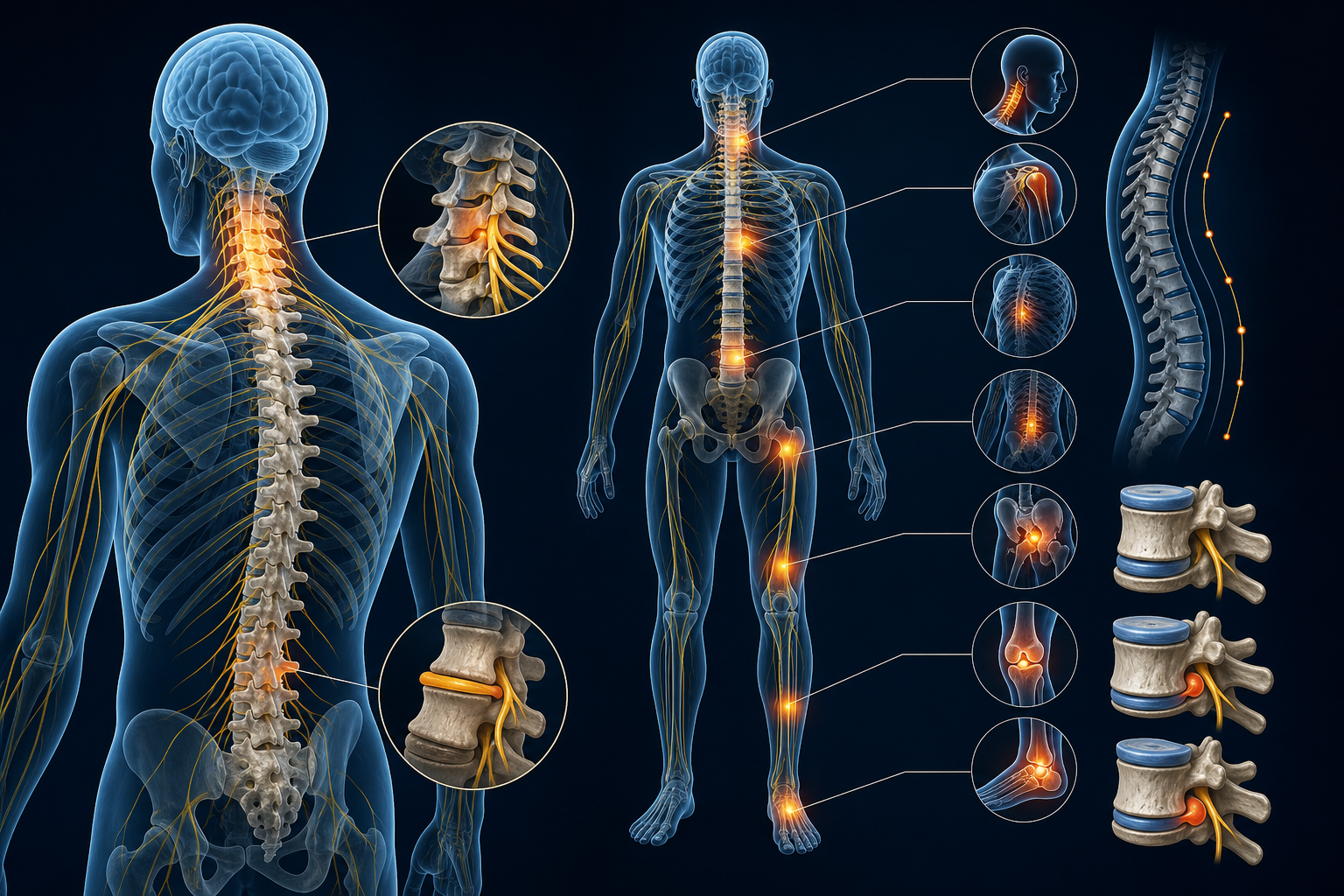
Atlas Wellness Chiropractic of Houston specializes in upper cervical chiropractic care — a precise, low-force technique focused on the top two vertebrae of the spine. Patients searching for atlas wellness chiropractic of Houston patient experience and ratings consistently report meaningful relief from chronic neck pain, migraines, and vertigo, with high marks for provider attentiveness and a calm, unhurried clinic environment. This page collects what you need to know before booking: what the technique actually involves, what patients say, and what to expect at your first appointment.
Atlas Wellness Chiropractic of Houston at a Glance
Atlas Wellness Chiropractic is a Houston-based practice built around upper cervical care — specifically the atlas (C1) and axis (C2) vertebrae at the base of the skull. The practice targets patients who have not responded to conventional chiropractic or who are specifically seeking an atlas orthogonal approach. If you have been searching for an atlas orthogonal chiropractor near you in Houston, this practice is among the few in the greater Houston area offering this subspecialty.
- Specialty: Upper cervical chiropractic (atlas orthogonal and related techniques)
- Primary focus conditions: Chronic neck pain, migraines, vertigo, fibromyalgia, nerve-related symptoms
- Clinic style: Lower patient volume, longer appointment windows vs. high-volume traditional chiropractic practices
- Location: Houston, TX (serves patients across the greater Houston metro area)
Find a chiropractor near you in Houston or browse the full Medximity provider directory to compare options.
What Patients Are Saying: Ratings Breakdown
Atlas wellness chiropractic Houston reviews and ratings consistently cluster around three themes: provider thoroughness, the gentleness of the adjustment, and measurable symptom improvement over a defined care plan. Below is how patient feedback typically breaks down across key experience categories.
Experience Category Common Patient Feedback Rating Trend Treatment Quality Relief from chronic symptoms after prior treatments failed; noticeable postural change Very High Provider Communication Clear explanation of X-ray findings and treatment rationale; patients feel informed High Staff & Front Desk Friendly, organized; scheduling process described as straightforward High Wait Times Shorter-than-average wait; appointments generally run on time High Facility Clean, calm, professional environment; not a high-volume "assembly line" feel HighPatient wait times at Atlas Wellness Chiropractic Houston are frequently cited as a positive differentiator — a direct result of the lower patient volume inherent to an upper cervical specialty practice.
What Is Atlas (Upper Cervical) Chiropractic Care?
Upper cervical chiropractic care targets the top of the cervical spine — specifically the atlas (C1) and axis (C2) vertebrae — rather than the full spine. A misalignment here can affect brainstem function, cerebrospinal fluid flow, and nerve signaling throughout the body. Upper cervical care in Houston TX is sought specifically because correction at C1-C2 can produce systemic effects that traditional full-spine manipulation does not address.
Upper Cervical Adjustment vs. Traditional Chiropractic
This is the most common question new patients ask. The difference is significant.
- Traditional chiropractic: Adjustments across multiple spinal segments (cervical, thoracic, lumbar); audible cavitation (the "crack") is typical; higher-force technique
- Upper cervical / atlas orthogonal: Correction applied only at C1-C2; low-force, often instrument-assisted; no forceful rotation of the neck; typically no audible sound
- Imaging: Upper cervical practitioners use precision X-rays to calculate vector angles before every adjustment — not a generalized protocol
Is upper cervical chiropractic safe for neck pain? Research suggests yes — the low-force nature of atlas orthogonal technique significantly reduces the mechanical load on the cervical spine compared to high-velocity manipulation. Patients with prior cervical injuries, hypermobility, or failed traditional chiropractic care are often specifically directed toward upper cervical approaches. Learn more about how upper cervical chiropractic achieves better health and quality of life.
Why the Atlas Matters
The atlas sits at the craniocervical junction — where the skull meets the spine. The vertebral arteries pass through foramina in the atlas transverse processes. The vagus nerve and upper cervical nerve roots exit at this level. Even a few millimeters of misalignment here can generate downstream effects including tinnitus, vertigo, and chronic headache patterns that appear unrelated to the neck. Read more about vertigo and chiropractic treatment and the natural chiropractic solution for Meniere's disease.
What to Expect at Your First Upper Cervical Chiropractic Visit
First visits at an upper cervical practice run longer than a standard chiropractic intake — typically 60 to 90 minutes. The adjustment itself, once you reach that stage, takes under 5 minutes. Here is the sequence:
- Health history intake: Detailed symptom timeline, prior imaging, previous treatment history (15–20 minutes)
- Postural and neurological assessment: Leg length analysis, posture photography, range of motion (ROM) testing (10–15 minutes)
- Precision cervical X-rays: 3-view series targeting C1-C2 alignment angles — this is what makes atlas orthogonal different (15 minutes)
- X-ray analysis and consultation: The provider walks you through findings and explains the specific misalignment vector before touching you (10 minutes)
- First adjustment (if indicated): Low-force instrument or hand contact at the atlas; patient lies still for 10–15 minutes post-adjustment to allow the spine to settle
How long does an atlas chiropractic adjustment take? The correction itself takes less than 60 seconds. The post-adjustment rest period is 10–15 minutes — this is not optional; it is part of the protocol. Follow-up visits typically run 20–30 minutes.
Conditions Commonly Addressed at This Practice
Patients at Atlas Wellness Chiropractic Houston present most often with neurological and chronic pain conditions that other providers have been unable to fully resolve. Upper cervical care is particularly relevant for:
- Chronic neck pain and upper back pain — the C1-C2 level directly governs upper cervical muscle tension and nerve supply to the arms
- Migraines and tension headaches — a misaligned atlas compresses the suboccipital muscles (rectus capitis posterior minor and obliquus capitis superior) and can trigger dural tension headache patterns; see headache treatment with upper cervical chiropractic care
- Vertigo and balance disorders — proprioceptive input from C1-C2 directly affects the vestibular system
- Fibromyalgia — upper cervical correction is used as part of broader pain sensitization management; read about natural fibromyalgia management with chiropractic
- Post-concussion symptoms — craniocervical instability and atlas misalignment are common sequelae of head trauma
- Anxiety and autonomic dysfunction — the atlas level affects vagal tone; research on upper cervical chiropractic for anxiety disorder is growing
If you are a Houston chiropractor patient managing chronic neck and back pain without lasting relief, upper cervical evaluation — specifically imaging at C1-C2 — is a reasonable next step before pursuing more invasive options.
Red flag symptoms requiring urgent evaluation before any chiropractic care: sudden severe headache ("thunderclap"), loss of coordination or balance with no prior history, progressive arm weakness, difficulty swallowing, or symptoms following recent cervical trauma. These require imaging and physician evaluation first.
Scheduling, Insurance, and Wait Times
Does Atlas Wellness Chiropractic Accept Insurance in Houston?
Insurance acceptance at upper cervical specialty practices varies. Many atlas orthogonal practitioners operate on a fee-for-service or membership-based model because insurance reimbursement for upper cervical techniques — particularly instrument-assisted atlas orthogonal — is inconsistently covered across Texas plans. Call the practice directly to confirm current in-network status for your specific carrier before your first visit.
- Ask specifically whether atlas orthogonal (CPT 98940–98942) is covered under your plan
- Confirm whether the initial X-ray series is billed separately and covered
- Ask about cash-pay rates if you are uninsured or if your plan does not cover this technique
Patient Wait Times and Scheduling
Patient wait times at Atlas Wellness Chiropractic Houston are consistently rated positively. Upper cervical practices deliberately limit daily patient volume to allow for the longer assessment and post-adjustment rest time the technique requires. Expect to schedule your new patient intake 3–7 days out. Same-week appointments for established patients are typically available.
What to Do Next
If your symptoms fit the profile — chronic neck pain, migraines, vertigo, or upper extremity nerve symptoms that have not resolved with traditional care — an upper cervical evaluation is a specific, low-risk next step.
- New patients: Book directly through Atlas Wellness Chiropractic's scheduling line or request an appointment via the Medximity directory
- Bring to your first visit: Any prior cervical X-rays or MRI reports, a written symptom timeline, and your insurance card
- What the provider needs to evaluate: Exact location and onset of symptoms, prior treatments and outcomes, any history of head or neck trauma
- Seek care urgently (ER, not chiropractic) if you have: thunderclap headache, sudden facial drooping, vision changes, or loss of coordination
Find an upper cervical chiropractor near you in Houston or explore more chiropractic and wellness topics on the Medximity blog.
Frequently Asked Questions
What makes Atlas Wellness Chiropractic different from a regular Houston chiropractor?
Atlas Wellness Chiropractic focuses exclusively on upper cervical technique — specifically correcting misalignment at the C1 (atlas) and C2 (axis) vertebrae using precision X-ray analysis and low-force adjustments. Traditional chiropractic adjusts multiple spinal segments with higher-force manipulation. The upper cervical approach is instrument-assisted, does not involve neck twisting, and targets neurological root causes rather than symptomatic spinal segments.
How many sessions are typically needed?
Most upper cervical patients see an initial care plan of 8–12 visits over 4–6 weeks, with reassessment at 4 weeks using follow-up imaging and postural analysis. Chronic cases or patients with significant misalignment may require longer initial plans. Many patients transition to monthly maintenance visits after the active care phase.
Is upper cervical chiropractic safe for children?
Yes — the low-force nature of atlas orthogonal technique makes it appropriate for pediatric patients. The adjustment force used on a child is typically no more than light finger pressure. For more detail, read whether children should receive chiropractic adjustments.
What conditions respond best to atlas orthogonal care?
Research and clinical outcomes most strongly support upper cervical chiropractic for cervicogenic headaches, migraines, vertigo (especially cervicogenic vertigo), post-concussion syndrome, and chronic neck pain. Conditions like Meniere's disease, tinnitus, and fibromyalgia also show documented response in the upper cervical literature.
Does atlas chiropractic accept insurance in Houston?
Coverage varies by carrier and plan. Atlas orthogonal is a specialized technique that not all Texas insurance plans reimburse. Confirm your specific coverage — including whether the initial X-ray series is a separate billable — before your first visit. Many patients pay out-of-pocket for upper cervical care and find the per-visit cost comparable to specialty co-pays.
How quickly do patients typically see results?
Many patients report noticeable symptom change within the first 2–3 visits following atlas correction. Full stabilization — where the atlas holds its corrected position without frequent re-adjustment — typically takes 6–10 weeks of consistent care. Patients who present with long-standing misalignment or prior cervical trauma generally require longer stabilization timelines.