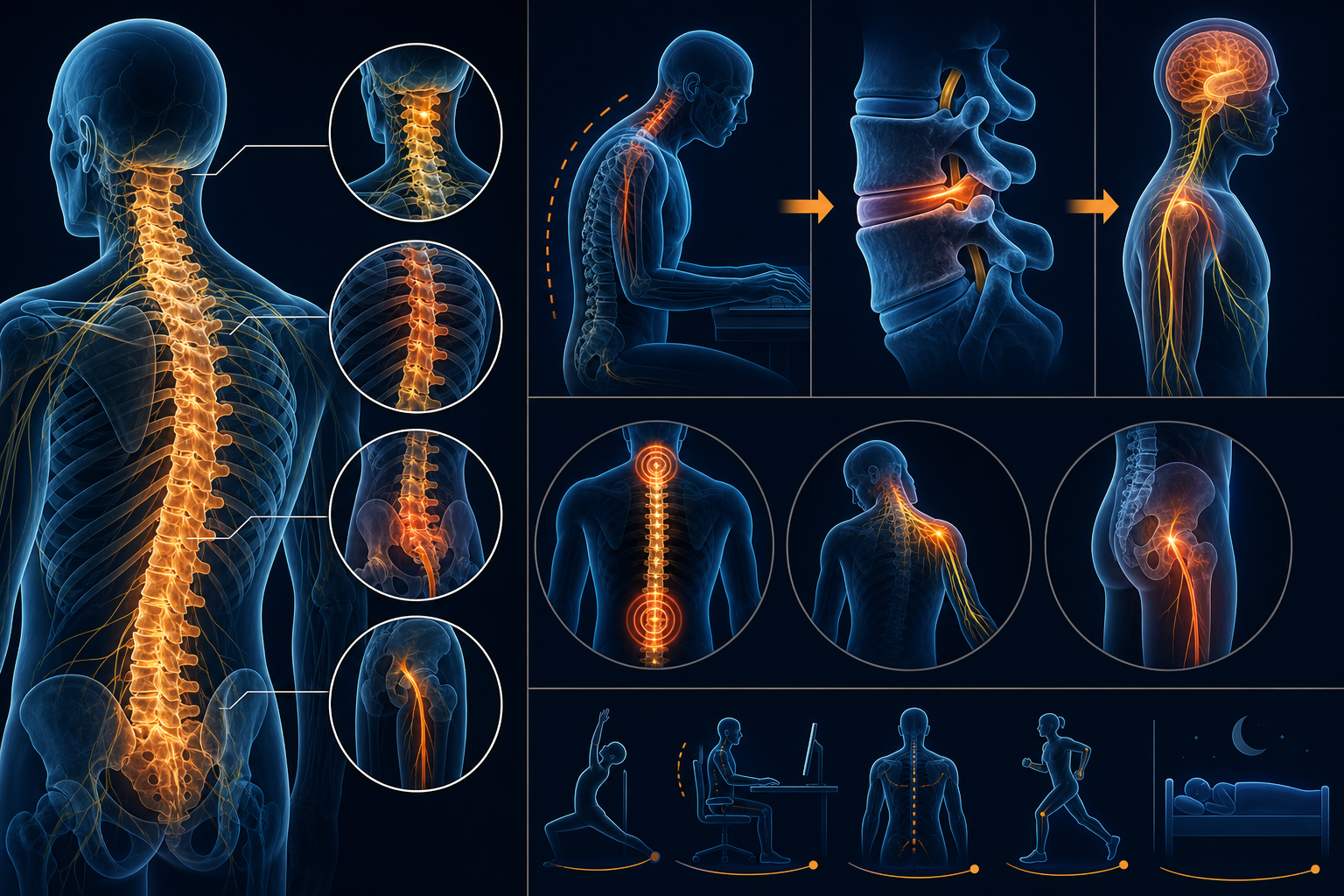
If you are searching for a chiropractor Cleveland Ohio, you may be dealing with back pain, neck stiffness, headaches, sciatica-like symptoms, or soreness after an accident. Chiropractic care is a conservative, hands-on approach that focuses on the spine, joints, muscles, and nervous system. It may help some patients improve mobility, reduce irritation from certain mechanical problems, and return to daily activities with a clearer care plan.
The right provider is not simply the closest result for chiropractor in Cleveland Ohio near me. A good fit should listen carefully, explain what they find, screen for warning signs, and recommend care that matches your symptoms, health history, and goals. You can start comparing local options through Medximity's Cleveland chiropractor directory.
What Does a Chiropractor Treat?
Many patients ask, what does a chiropractor treat? Chiropractors commonly evaluate and manage musculoskeletal complaints involving the spine and related joints and soft tissues. This may include lower back pain, neck pain, mid-back tightness, certain headache patterns, shoulder or hip mobility issues, and symptoms that travel into an arm or leg when they are related to mechanical irritation.
Chiropractic treatment often includes spinal or joint adjustments, soft tissue techniques, stretching, mobility work, posture and ergonomic education, and home exercises. Some patients also receive guidance on activity modification so they can keep moving safely while symptoms calm down. For a broader overview of care options, visit Medximity's guide to chiropractic adjustments.
Common Reasons to See a Chiropractor in Cleveland
Lower back pain
Lower back pain is one of the most common reasons people seek chiropractic care. It can be associated with joint stiffness, muscle strain, disc-related irritation, prolonged sitting, lifting, repetitive work, or a sudden awkward movement. A lower back pain treatment Cleveland chiropractor may use adjustments, mobility exercises, soft tissue care, and movement coaching to help reduce mechanical stress and improve function. Learn more about symptoms and conservative options on Medximity's back pain resource page.
Neck pain and trouble turning your head
If you have neck pain when turning head chiropractor searches in your browser, you may be dealing with a stiff joint, muscle guarding, posture-related strain, or irritation after sleeping in an awkward position. Some people wake up thinking, can't move neck after sleeping chiropractor, especially when rotation is painful. A chiropractor can assess your range of motion, look for neurological signs, and determine whether gentle conservative care may be appropriate. Neck symptoms with arm weakness, numbness, severe headache, fever, dizziness, or recent significant trauma should be evaluated promptly by a qualified medical professional.
For more background, Medximity's neck pain guide explains common causes and when care may be needed.
Sciatica-like symptoms
Sciatica describes pain or nerve-like symptoms that travel from the lower back or buttock into the leg. It may feel sharp, burning, tingling, or electric. A person searching for natural treatment for sciatica Cleveland Ohio may be looking for non-surgical ways to manage symptoms. Chiropractic care may include lumbar and pelvic mobility work, gentle adjustments when appropriate, nerve-friendly positioning advice, stretching, and strengthening exercises. Because leg symptoms can have several causes, an evaluation is important before starting care. Medximity's sciatica resource offers more detail.
Care after a car accident
After a crash, symptoms sometimes appear immediately and sometimes develop over hours or days. Neck pain, back pain, headaches, shoulder tightness, and reduced range of motion are common reasons people search for chiropractic care after car accident Cleveland. A chiropractor can document symptoms, assess movement, and recommend conservative care when appropriate. Severe pain, head injury symptoms, chest pain, trouble breathing, progressive weakness, or loss of consciousness require urgent medical attention.
For general education, see Medximity's article on chiropractic care after a car accident.
How to Choose the Best Chiropractor for Back Pain in Cleveland
The phrase best chiropractor for back pain Cleveland means different things to different patients. For one person, it may mean a provider close to work downtown. For another, it may mean evening appointments, experience with sports injuries, or a clear exercise-based plan. Instead of relying only on rankings, look for signs of patient-centered care.
- A thorough first visit: The provider should review your health history, current symptoms, aggravating factors, and prior treatment.
- Appropriate screening: A chiropractor should check for red flags and refer out when symptoms suggest a condition outside conservative care.
- Clear explanations: You should understand the likely source of symptoms, the proposed plan, and realistic expectations.
- Active care: Exercises, mobility drills, posture strategies, and self-care often support hands-on treatment.
- No guarantees: Ethical care does not promise a cure, instant relief, or a specific number of visits for every patient.
If you are comparing appointments, Medximity's chiropractor search page can help you review providers by location and specialty focus.
What to Expect at Your First Chiropractic Visit
Your first appointment usually begins with a conversation about your symptoms, medical history, activity level, work demands, and goals. The chiropractor may ask when the pain started, what makes it better or worse, whether symptoms travel into an arm or leg, and whether you have had prior imaging or treatment.
The exam may include posture and movement checks, range-of-motion testing, orthopedic tests, neurological screening, palpation of muscles and joints, and functional movements such as bending, squatting, or walking. Imaging is not always needed. When it is considered, the decision should be based on your history, exam findings, and clinical guidelines, not routine use for every patient.
If chiropractic care appears appropriate, the provider may discuss a plan that includes adjustments, soft tissue work, rehabilitative exercise, home care, and follow-up visits. You should be encouraged to ask questions before treatment begins.
Is It Normal to Feel Sore After an Adjustment?
Many patients wonder, is it normal to feel sore after adjustment? Mild soreness can occur after chiropractic treatment, especially if muscles and joints have been stiff or guarded. It is often compared to the feeling after a new workout. Soreness should generally be temporary and should not feel like worsening neurological symptoms.
Contact your provider if discomfort is intense, lasts longer than expected, or comes with new numbness, weakness, dizziness, severe headache, bowel or bladder changes, or other concerning symptoms. Your chiropractor can adjust the treatment plan, change techniques, or recommend additional evaluation when needed.
How Long Does Chiropractic Care Take?
How long does chiropractic care take depends on the condition, severity, duration of symptoms, overall health, activity demands, and how your body responds. Some minor mechanical aches may improve over a short course of care, while chronic or recurring problems may require a longer plan that includes strengthening and habit changes.
A responsible chiropractor should reassess your progress regularly. That may include tracking pain levels, range of motion, function, sleep, work tolerance, or ability to exercise. If you are not improving as expected, your provider may modify the plan or suggest a referral to another healthcare professional.
Chiropractor vs Physical Therapy for Back Pain
Patients often compare chiropractor vs physical therapy for back pain. Both professions can support conservative care, but they may emphasize different tools. Chiropractors often focus on spinal and joint mechanics, adjustments, soft tissue techniques, and movement advice. Physical therapists often focus heavily on exercise progression, strength, balance, mobility, and functional retraining. In many cases, the approaches overlap.
The better choice depends on your symptoms and goals. Some patients benefit from chiropractic care, some from physical therapy, and some from coordinated care that includes both. If you are unsure, an evaluation can help clarify whether your pain pattern appears mechanical, whether rehabilitation is needed, and whether referral is appropriate. For more comparison details, read Medximity's chiropractor vs physical therapy for back pain guide.
When to See a Provider
Consider scheduling an evaluation with a chiropractor in Cleveland if pain or stiffness is limiting normal movement, interfering with sleep, making work difficult, recurring after activity, or not improving with basic self-care. You may also want to be seen after a minor accident if neck or back symptoms develop and you are medically stable.
Seek urgent medical care instead of a routine chiropractic visit if you have severe trauma, progressive weakness, loss of bowel or bladder control, numbness in the groin area, fever with spinal pain, unexplained weight loss, chest pain, shortness of breath, or a sudden severe headache. These symptoms may require immediate evaluation.
FAQ: Chiropractor Cleveland Ohio
What should I bring to my first chiropractic appointment?
Bring a photo ID, insurance information if you plan to use coverage, a list of medications, relevant health history, and any prior imaging reports if available. Wear comfortable clothing that lets you move.
Do chiropractors only treat back pain?
No. Chiropractors commonly treat back pain, but they may also evaluate neck pain, headaches associated with neck mechanics, joint stiffness, sciatica-like symptoms, and movement-related muscle or joint problems.
Will I get adjusted on the first visit?
Possibly, but not always. The provider should first complete an evaluation and determine whether an adjustment is appropriate for your situation. Some visits focus on assessment, education, soft tissue care, or exercises.
Can a chiropractor help if I cannot turn my neck after sleeping?
A chiropractor may be able to help if the problem appears related to joint stiffness or muscle guarding. However, severe pain, neurological symptoms, fever, dizziness, or symptoms after trauma should be evaluated promptly.
How do I find a chiropractor in Cleveland Ohio near me?
You can compare local options through Medximity's Cleveland chiropractor directory, review provider information, and look for a clinic that matches your location, symptoms, and scheduling needs.
Take the Next Step
If back pain, neck stiffness, sciatica-like symptoms, or post-accident soreness are affecting your day, a chiropractic evaluation may help you understand what is going on and what conservative options are available. Search Medximity for a chiropractor in Cleveland, Ohio and choose a provider who explains your care clearly, respects your goals, and knows when additional evaluation is needed.