Find a Provider Community Forum
For Providers For Attorneys
Sign In

Natural Meniere’s Chiropractic Solution

Natural Meniere’s Chiropractic Solution

Key Takeaways

  • Meniere’s disease commonly involves episodes of vertigo, ringing in the ear, and low-frequency hearing changes that can last hours.
  • Many people notice symptom flare-ups with higher sodium intake, so diet and hydration habits often matter.
  • Conservative care may focus on reducing triggers, improving neck and upper back function, and supporting balance and posture.
  • Chiropractic care isn’t a cure for Meniere’s disease, but some patients pursue it as part of a broader, non-invasive plan.

Natural Meniere's Solution

Meniere's disease has a tremendous impact on the quality of life of its patients. Meniere's episodes typically last 1-6 hours, and symptoms worsen when sodium intake is increased. This condition is characterized by the following three symptoms.

  • Severe vertigo
  • Ringing in the ear
  • Lower frequency hearing loss

Medical management of Meniere's often includes medications that reduce the fluid in the inner ear and dampen nerve signals from the inner ear's balance center. These medications may work in the short term, but they do not address a potential root cause of Meniere's disease. 

Your Neck and Meniere's

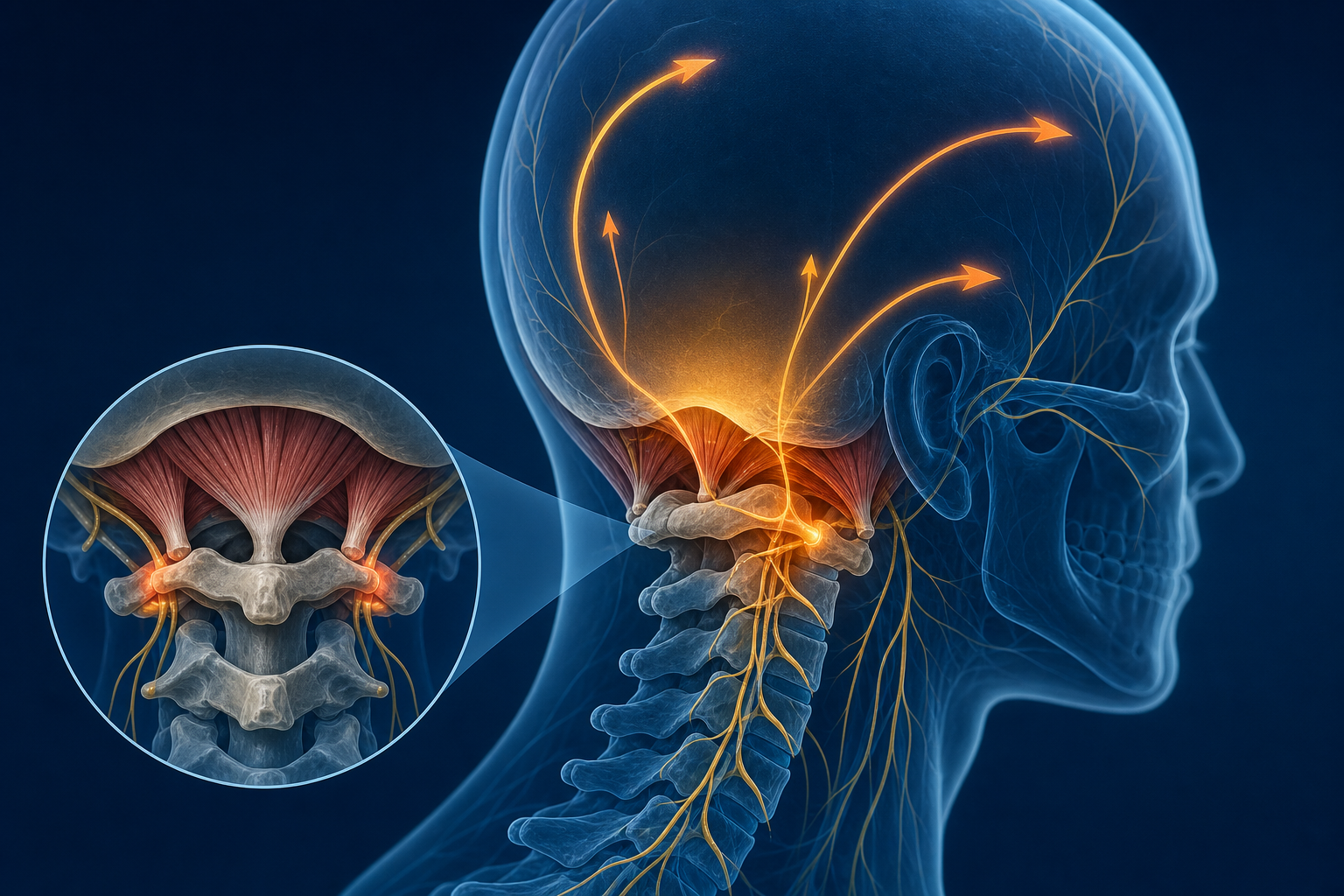
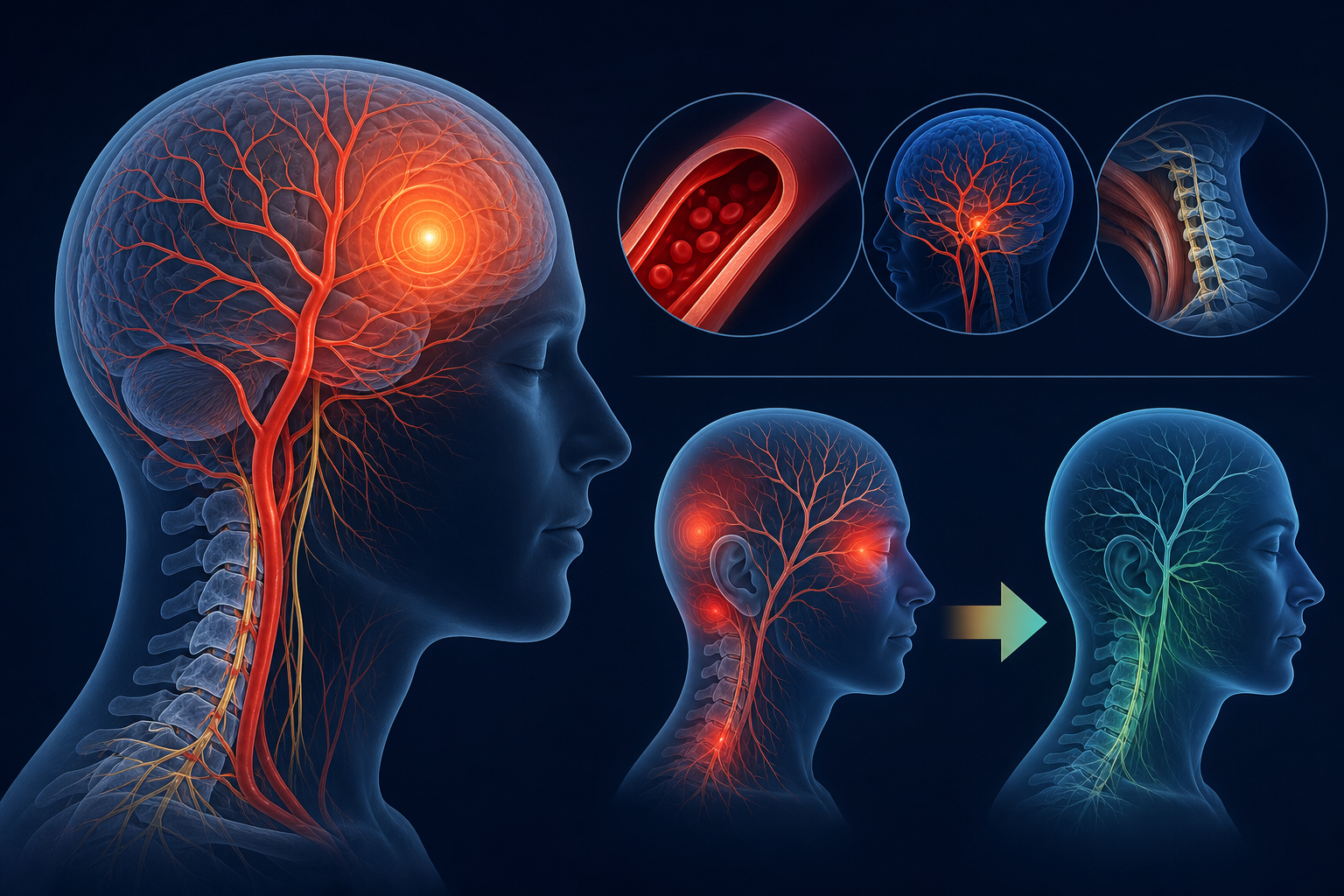
Your spine is designed to protect your spinal cord. Your spinal cord carries signals to and from your brain. When the top bone in your neck (atlas) is misaligned, this can create pressure within your spinal cord at the base of your neck. This can affect signals going to and from your brainstem, potentially leading to Meniere's symptoms.  Blair technique is a specific chiropractic approach that detects and corrects atlas misalignments. Through specific realignment of the atlas, the pressure within the spinal cord is reduced. The brainstem is able to send and receive messages without distortion. This may lead to a reduction of Meniere's symptoms.

Burcon published a study on 149 Meniere patients who received specific atlas corrections. 136 of the 149 patients experienced a significant reduction in their Meniere's symptoms and were able to conduct their normal daily activities. Vertigo and nausea were the most significant symptom reduction. It is clear. Meniere's Disease is a disease that is caused by upper neck trauma.  If you suffer do yourself a favor and find an upper cervical chiropractor in our area.
Medical Disclaimer: This article is for informational purposes only and does not constitute medical advice, diagnosis, or treatment. Always consult a qualified healthcare provider for personalized medical guidance. If you are experiencing a medical emergency, call 911 or your local emergency number immediately.

Frequently Asked Questions

What is Meniere’s disease?
Meniere’s disease is a condition of the inner ear that can cause recurring episodes of vertigo (spinning sensation), ringing in the ear (tinnitus), and changes in hearing—often affecting lower frequencies. Episodes may last hours and can be disruptive to work, driving, and daily routines. A qualified healthcare provider should evaluate symptoms to confirm the diagnosis and rule out other causes of dizziness.
Can chiropractic care help Meniere’s disease naturally?
Chiropractic care may help some people manage related issues like neck stiffness, headaches, posture strain, and balance confidence, which can overlap with dizziness complaints. It’s not considered a proven cure for Meniere’s disease itself. If you’re exploring a “natural” plan, it’s usually best as supportive care alongside lifestyle steps (like trigger tracking) and coordination with an ENT or primary care provider.
Why does sodium seem to make Meniere’s symptoms worse for some people?
Many patients report that higher sodium intake can worsen symptoms, and clinical guidance often includes sodium management as a conservative strategy. One reason is that sodium can influence fluid balance in the body, which may affect inner-ear fluid dynamics in susceptible individuals. Your provider can help you set practical, safe dietary targets and identify other triggers such as stress, sleep disruption, or dehydration.
How long do Meniere’s episodes last, and what are common symptoms?
Episodes often last from about 20 minutes to several hours, and some people feel “washed out” afterward. Common symptoms include severe vertigo, tinnitus (ringing or buzzing), a sense of ear fullness/pressure, and fluctuating hearing changes—often in lower frequencies early on. Because dizziness can have many causes, new or worsening symptoms should be evaluated, especially if they affect safety or walking.
When should I see a provider for vertigo and ear ringing?
See a provider promptly if vertigo is new, severe, recurrent, or paired with hearing changes, ear pressure, or persistent tinnitus. Urgent evaluation is also appropriate if dizziness comes with fainting, chest pain, sudden weakness, facial droop, severe headache, or trouble speaking—those can signal a medical emergency. For suspected Meniere’s disease, an ENT (otolaryngologist) can help confirm the diagnosis and guide care.

Sources

  1. Ménière’s Disease — National Institute on Deafness and Other Communication Disorders (NIDCD) (2024)
  2. Ménière’s disease — NHS (UK National Health Service) (2023)
  3. Ménière’s disease - Symptoms and causes — Mayo Clinic (2024)

We use first-party cookies to run this site and understand how patients find us. Privacy