Anxiety Disorders - Upper Cervical Care Can Help!
When most people have anxiety disorders but the last thing they think about is their neck. Most people have been trained to run to the doctor and take anti-anxiety medications. For long-standing and chronic problems many people take long-term SSRI medication that is prescribed by psychiatrists. There are many reasons why people suffer from an anxiety disorder. We will attempt to outline some of the causes. Then we will address what you the patient can do to help with your anxiety disorder.
People who suffer from chronic anxiety disorder have an underlying systemic imbalance. What does this mean in English? Your body is not working right! While anxiety can be a life-saving reaction of the human body, once it becomes chronic it can debilitate a person’s life. So what is an anxiety disorder and where does it come from? Most cases of chronic anxiety disorder have two main causes. The first is chronic interference with the nervous system. The second is an inflamed gut issue.
How does the Central Nervous System play a role in Anxiety? Upper Cervical Care
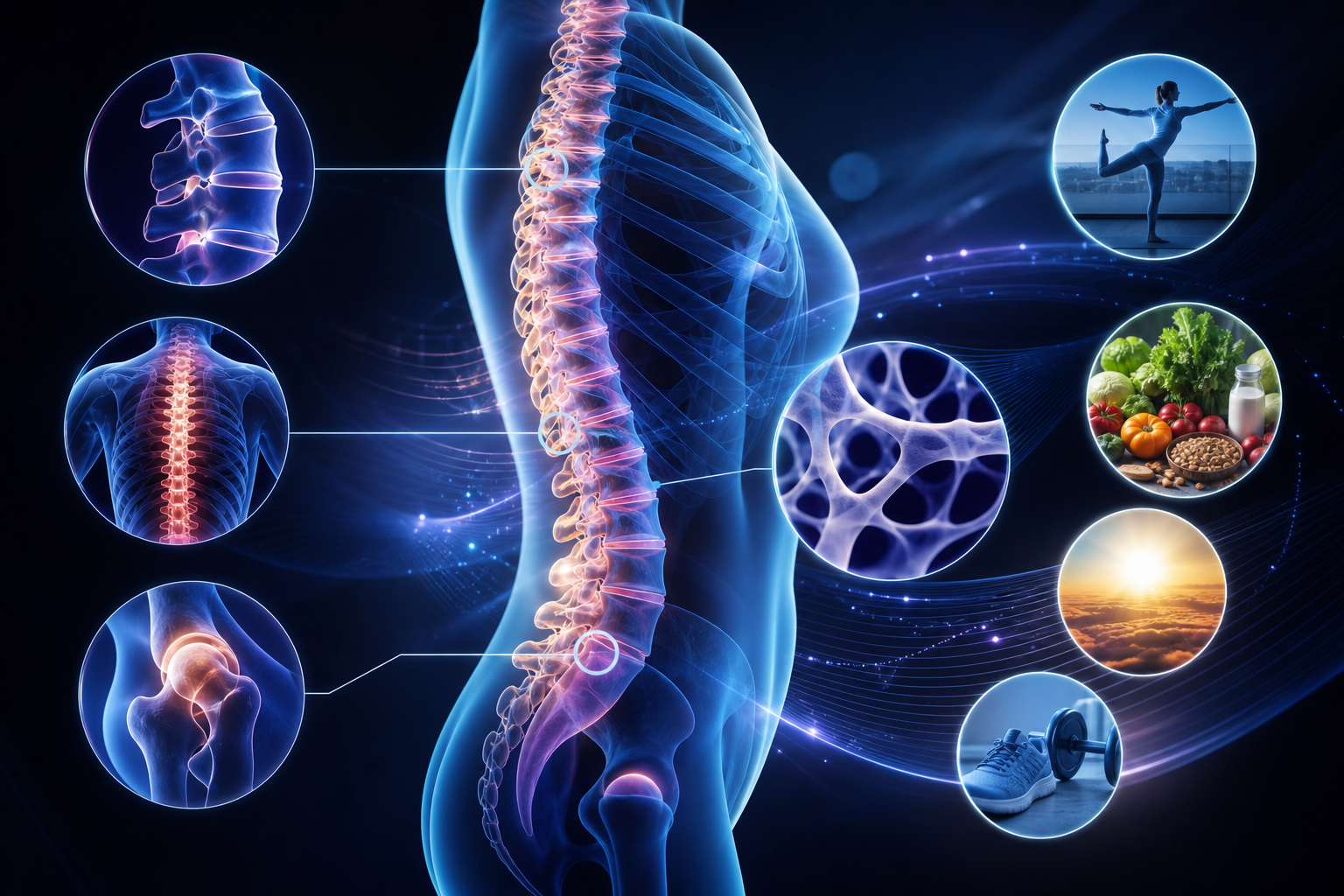
How does the central nervous system become compromised? Trauma. Car accidents, sports injuries, slip and fall accidents, fistfights. These are all common occurrences that create trauma to the upper cervical spine. These injuries seem insidious to most people. However, when someone sustains a jarring type of injury the upper cervical spine is influenced adversely. The head weighs 13 pounds and rests on the top bone in the neck called the atlas.
This bone weighs 2 ounces. Quick jarring injuries cause the atlas to dislodge and lockout of their normal range of motion, tearing the soft tissue and causing the vertebra to stay locked from there forward. At the time of injury, the person may suffer from a stiff neck or perhaps a few headaches. Life goes on as usual.
But slowly, over time, the locked vertebra has an adverse effect on the central nervous system. Although the body adapts, when the interference is enough, this causes the body to slide into a cascade of dysfunction. One of the syndromes that can result in a nervous system is a “hyper-active” state known as facilitation. When the nervous system is irritated anxiety is one unfortunate result.
This past month we had a gentleman come in for care who was suffering from severe anxiety. He was unable to carry on a normal life. His work was affected, and his relationships were affected. His life was shrinking into a world filled with fear, which he had no control over.
After a long history of dealing with chronic anxiety, he was referred to our office. We took a set of 3-d x-rays of his upper cervical spine and found an atlas misalignment and a third cervical misalignment. We made two precise spinal corrections which included no twisting popping or cracking. In the subsequent weeks, his life turned from a living hell to one of relaxation and hope. He has not had a single anxiety attack and his overall anxiety levels have decreased by 75 percent in the first month. While all anxiety is not a neck problem when it is the individual’s life can completely transform!
The second cause we have found is LEAKY GUT SYNDROME
This is a condition where the gut wall becomes hyper permeable from a host of modern-day living errors. Wheat, sugar, antibiotics, chlorine in the water, and severe stress can all lead to and contribute to leaky gut syndrome. It is estimated that as much as 90 percent of the serotonin in the body is produced in the gut, not the brain. In fact, the gut is known as the second brain because of its vast neural networks. A leaky gut is known to be an underlying cause of anxiety disorders
We hope this blog has helped suffers from anxiety to find real answers about how to heal naturally from anxiety disorders. The health care system can be a confusing maze, unfortunately, most Doctors are treating effects and not looking for underlying causes. As we always say at the end of our blogs, nature needs no help just no interference. Look underneath the effects and get to the cause. This is where wellness lies!
Medical Disclaimer:
This article is for informational purposes only and does not constitute medical advice, diagnosis, or treatment. Always consult a qualified healthcare provider for personalized medical guidance. If you are experiencing a medical emergency, call 911 or your local emergency number immediately.