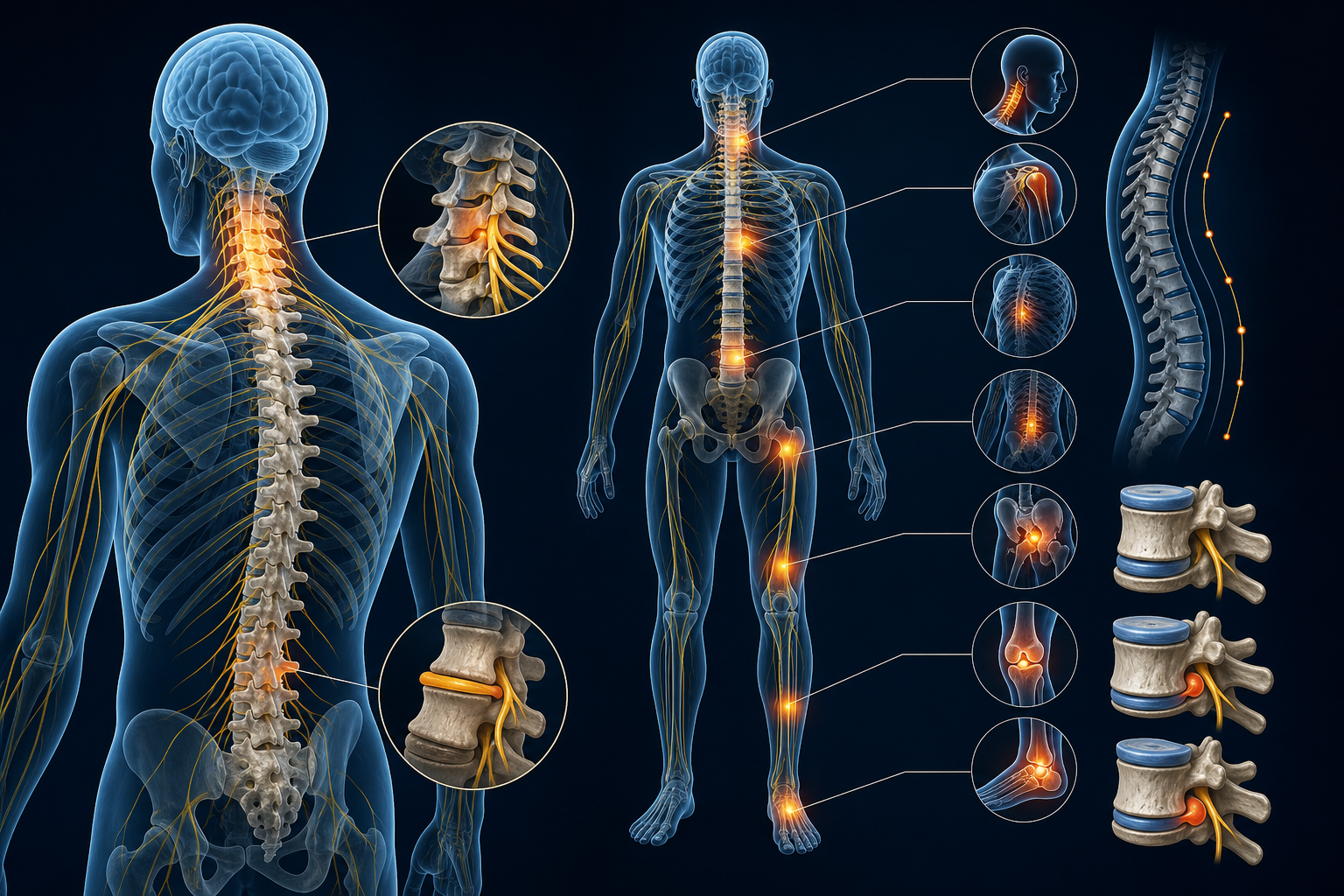
What Patients Need to Know About Osteoporosis-Related Pelvic Fractures and Delayed Healing starts with this: an osteoporosis-related pelvic fracture is usually a low-force break in the pelvic ring that happens because bone density has dropped, and healing often takes longer than patients expect. Most stable pelvic fragility fractures improve with protected walking, physical therapy, fall prevention, and close follow-up, but worsening pain, inability to bear weight, fever, new leg weakness, or loss of bladder or bowel control need prompt medical review.
The pelvis is not one bone. It is a ring made of the pubic ramus, ilium, ischium, and the sacrum, with support from the hip joint, gluteal muscles, and the pelvic floor. When osteoporosis weakens that ring, a simple fall from standing height, a twist during transfer, or even a misstep can cause a fracture that is painful, slow to settle, and disruptive to walking, sleep, and daily function.
What Is an Osteoporosis-Related Pelvic Fracture?
An osteoporosis-related pelvic fracture is a fragility fracture of the pelvic ring that occurs because the bone is weaker than normal, not because the trauma was severe. In older adults, the most common pattern involves the pubic rami in the front of the pelvis, the sacral ala in the back, or both.
If you are searching for what is an osteoporosis pelvic fracture, the plain-language answer is this: the bone breaks under a load that healthier bone would usually tolerate. A standing-level fall is enough. Sometimes there is no clear fall at all.
How these fractures differ from high-impact pelvic injuries
Most osteoporosis-related pelvic fractures are more stable than the major pelvic injuries seen after high-speed trauma. That matters because treatment often focuses on safe mobility and healing rather than invasive intervention.
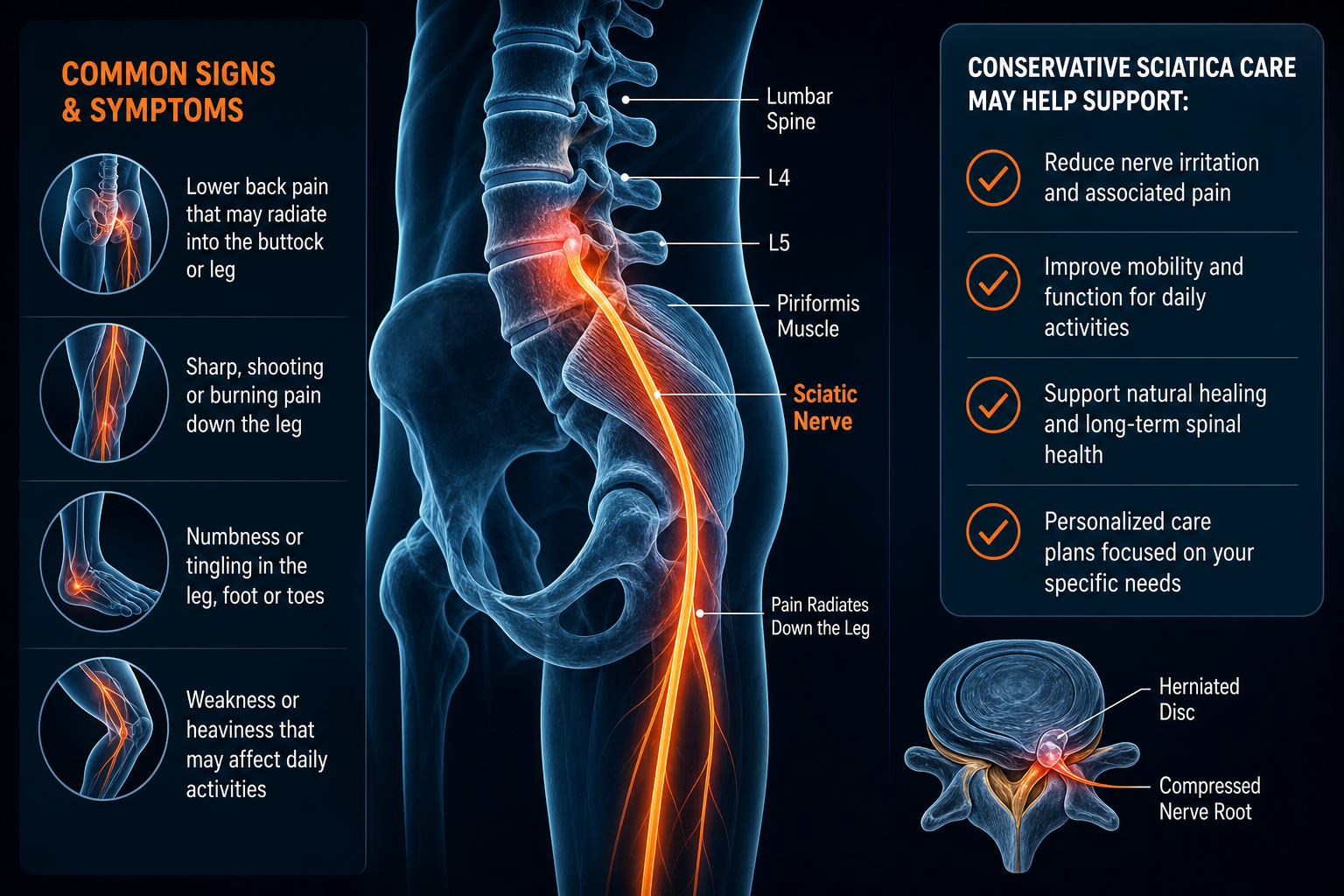
Type of pelvic fracture Typical cause Common location Usual early management General healing window Osteoporosis-related fragility fracture Standing fall, transfer, twist, low-force load Pubic ramus, sacrum, pelvic ring Protected weight bearing, rehab, walking aid, follow-up imaging when needed Often 6-12 weeks for early bone healing; function may take 3-6 months High-impact unstable pelvic injury Motor vehicle crash, major fall Multiple ring disruptions Emergency stabilization and urgent trauma care Varies widelyBecause pelvic fragility fractures commonly affect walking and transfers, rehabilitation matters early. A provider may also check whether low back or leg pain is coming from the fracture itself or from overlapping problems such as sacroiliac irritation, lumbar strain, or nerve tension. If your symptoms include radiating leg pain, compare that pattern with what can be done for sciatic pain.
Why Healing May Take Longer
Why pelvic fractures heal slowly often comes down to bone quality, blood supply, age-related muscle loss, and how hard it is to fully unload the pelvis during daily life. Even stable fractures are stressed every time you stand, turn in bed, sit down, or climb a step.
How long does a pelvic fracture take to heal? In many stable fragility fractures, early bone healing takes about 6 to 12 weeks. Pain with walking and standing can last longer, and full return to prior endurance may take 3 to 6 months. If the sacrum is involved, recovery sometimes stretches beyond that because the back of the pelvic ring handles load with each step.
Why delayed healing happens
- Low bone density: thinner trabecular bone means less structural reserve for repair.
- Reduced activity tolerance: too little movement slows conditioning, but too much too soon can increase pain.
- Multiple fracture sites: a pubic ramus fracture may coexist with a sacral fracture that is missed early.
- Poor balance or gait mechanics: repeated limping overloads the opposite hip and lumbar spine.
- Deconditioning: weakness in the gluteus medius, quadriceps, and trunk stabilizers reduces shock absorption.
Research on pelvic fragility fractures consistently shows recovery is often slower than patients expect, with pain and mobility limits commonly extending beyond the first month even when the fracture is considered stable.
Delayed healing does not always mean the bone is failing to heal. It often means the bone, muscles, balance system, and walking tolerance are all recovering on different timelines. If joint stiffness elsewhere is slowing your gait, you may also benefit from reading the truth about chiropractic treatment for osteoarthritis.
What are the symptoms of pelvic fracture in older adults?
The most common symptoms of pelvic fracture in older adults are groin pain, buttock pain, low back pain near the sacroiliac joint, and pain with standing or walking. Many patients can still move the leg while lying down, which is why these injuries are sometimes mistaken for a strain.
Pain location gives clues. Front-of-pelvis pain often points toward the superior or inferior pubic ramus. Deep buttock pain can suggest a sacral component. Pain at the side of the hip may come from compensation by the gluteus medius or irritation around the greater trochanter.
Common early findings
- Pain when rolling in bed or getting up from a chair
- Shortened step length and a limp
- Needing a walker even if you did not use one before
- Pain with single-leg stance on the affected side
- Difficulty lifting the knee during dressing or transfers
Signs that suggest the problem is not just routine soreness
- Sudden increase in pain after initial improvement
- New inability to bear weight
- Pain that is severe at rest and not only with movement
- Marked swelling, visible deformity, or repeated falls
Head injury after a fall changes the picture and needs separate attention. If you hit your head, review do I have a concussion and what should I do next. If the main symptom after your fall is unusual headache rather than pelvic pain, what is a common head pain helps explain common patterns that still require evaluation when tied to trauma.
Is it normal to have pelvic pain weeks after fracture?
Yes, it is normal to have pelvic pain weeks after fracture, especially with walking, bed mobility, and standing from low chairs. What matters is the trend. Pain should become more predictable and your walking distance should slowly improve over the first 4 to 8 weeks.
Delayed healing becomes more likely when progress stalls completely, function declines, or pain spreads. A common pattern is front pelvic pain from a pubic ramus fracture improving while buttock pain from an associated sacral fracture becomes more obvious.
Routine recovery signs
- Pain is strongest with movement and eases with rest.
- You can add a few minutes of walking each week.
- Transfers become smoother even if soreness remains.
- You need less support from your arms during sit-to-stand.
Red flags that need prompt provider review
- New numbness or leg weakness
- Loss of bladder or bowel control
- Fever, chills, or unexplained confusion
- Chest pain or shortness of breath
- Repeated falls or complete loss of walking ability
Those symptoms are not typical delayed soreness. They need urgent assessment. New nerve-type symptoms can overlap with lumbar or cervical issues, but a fracture history changes the urgency. For background on nerve-related pain patterns, see what is causing my face pain for an example of how providers separate local pain from nerve pain.
How Conservative Care May Help During Recovery
Treatment for osteoporosis pelvic fracture recovery usually centers on protected activity, progressive walking, targeted rehabilitation, and home safety. For most stable fractures, pelvic fracture recovery without surgery is possible, but it still requires a plan.
The goals are specific: reduce pain provocation, maintain circulation, prevent rapid muscle loss, preserve ROM at the hip, and restore a safer gait. A rehabilitation provider may focus on the hip flexors, gluteals, adductors, and trunk stabilizers because those groups change how load moves through the pelvis.
Conservative treatment What it targets Expected outcome Typical timeline Walker-assisted protected ambulation Load reduction through the pelvic ring Safer transfers and less pain with walking Often first 2-6 weeks, then reassess Physical therapy gait training Step length, weight shift, balance More efficient walking and lower fall risk Usually 6-8 visits over 3-6 weeks to start Gentle hip and trunk exercise therapy ROM, gluteal activation, core support Better transfers and bed mobility Starts early if tolerated Manual therapy to surrounding soft tissue Secondary muscle guarding, not the fracture site Less spasm in gluteals, lumbar muscles, adductors Used selectively during rehab Chiropractic mobility care away from the fracture Compensatory stiffness in nearby regions Improved movement mechanics in select cases Only after fracture management is clearA skilled provider avoids force across the healing fracture. Treatment should address compensations above and below the pelvis, not aggressively push through fracture pain. If your walking pattern starts triggering foot overload, what you need to know about chiropractic care for plantar fasciitis explains one common compensation problem.
How should you move, walk, and prevent another fall?
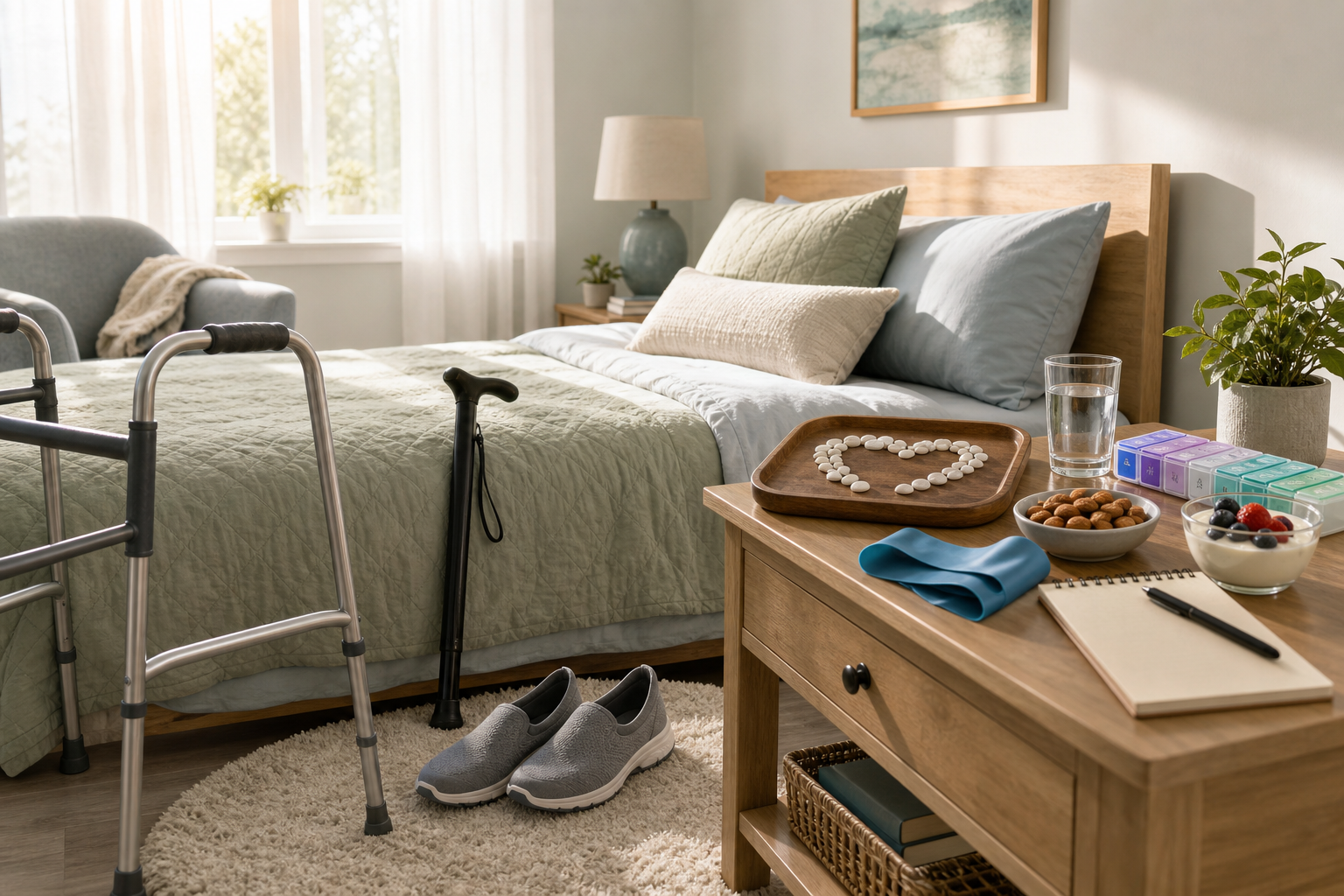
Walking after pelvic fracture in elderly patients should be deliberate, supported, and based on tolerance. The right walking aid reduces pelvic load and gives you time to rebuild balance. For many people, the best walker for pelvic fracture recovery is a front-wheeled walker because it allows smoother forward movement without requiring repeated lifting.
Practical walking rules
- Use the walker every time until your provider clears progression.
- Take shorter steps. Long strides increase pelvic rotation and pain.
- Turn with small steps instead of pivoting on one leg.
- Sit in chairs with armrests and a higher seat height.
- Avoid carrying items while walking in the early phase.
Step-by-step home exercise protocol
- Diaphragmatic breathing: lie on your back with knees bent, one hand on the lower ribs. Inhale through the nose for 4 seconds, exhale for 6 seconds. Repeat 5 breaths.
- Ankle pumps: move both ankles up and down 20 times to support circulation.
- Glute sets: tighten both buttocks gently for 5 seconds, relax 5 seconds. Do 10 reps.
- Heel slides: slide one heel toward your body within a pain-limited range, then return. Do 8 reps each side.
- Supported sit-to-stand: from a firm chair with armrests, lean forward, push through the arms and legs evenly, stand, pause, and sit down slowly. Do 5 reps.
- Walk interval: walk 2 to 5 minutes with the walker, rest, then repeat once if pain remains controlled.
Stop the session if pain spikes sharply, the leg gives way, or dizziness starts. Home setup matters just as much as exercise:
- Remove loose rugs and cords.
- Use night lighting between bed and bathroom.
- Wear shoes with a firm heel counter, not loose slippers.
- Keep frequently used items between waist and shoulder height.
Nutrition and Daily Habits That Support Bone Health
Foods that help bones heal after fracture are the foods that consistently provide enough protein, calcium, vitamin D, magnesium, and overall calories to support repair. Bone healing is not only a calcium issue. If protein intake is low, muscle loss accelerates and walking recovery slows.
Daily habits also matter because fracture recovery is partly a loading problem. Too little movement leads to deconditioning. Too much unsupported loading can flare symptoms.
Food and habit priorities
- Protein: include a source at each meal such as yogurt, eggs, fish, beans, tofu, or poultry.
- Calcium-rich foods: dairy, fortified alternatives, canned fish with soft bones, calcium-set tofu, leafy greens.
- Vitamin D support: food intake and provider-guided supplementation if recommended.
- Hydration: dehydration increases dizziness and fall risk.
- Consistent meals: under-eating slows tissue repair and strength gains.
Bone healing depends on both bone biology and mechanical recovery. Patients who maintain protein intake, daily walking tolerance, and guided exercise usually recover function faster than patients who rest completely for weeks.
Use a simple daily target: three protein-containing meals, two short walking sessions, and one guided exercise block. If widespread pain or fatigue keeps you from moving enough to recover, fibromyalgia patients seeking natural treatment may help you sort out overlapping pain drivers that should be addressed during rehab.
What questions should you ask at follow-up visits?
Questions to ask doctor about delayed fracture healing should focus on function, healing status, and what to change this week. You do not need vague reassurance. You need measurable next steps.
- Which part of my pelvis is fractured: pubic ramus, sacrum, or both?
- Is my fracture considered stable for continued walking with a walker?
- What amount of weight bearing is appropriate right now?
- If pain is not improving, do I need repeat imaging?
- What walking distance should I aim for over the next 1-2 weeks?
- When should I progress from walker to cane, if at all?
- Which exercises should I avoid because they increase pelvic shear?
- Would PT, rehabilitation, or chiropractic support for compensation patterns help me move better?
Also ask what else might be contributing if your progress is slow. Low back stiffness, hip abductor weakness, balance deficits, and foot pain commonly limit recovery even after the fracture itself has started to heal. Bring a short log of your daily walking minutes, number of sit-to-stands, and pain pattern during transfers. That gives the provider usable data.
What to Do Next
If you are dealing with persistent pelvic pain after a fragility fracture, the next step is a provider who can evaluate mobility, gait, balance, and load tolerance, not just the image report. Start with a rehabilitation-focused provider, physical therapist, or mobility-oriented musculoskeletal provider who works with older adults and fracture recovery.
If you are searching for a pelvic fracture specialist near me, use Medximity to find a physical therapist near you, find a chiropractor near you, or browse providers. You can also explore more health topics if you want guidance on related mobility and pain issues.
At a first visit, expect a review of how the injury happened, where the pain is located, how far you can walk, whether bed mobility is limited, what assistive device you use, and whether you have had any new falls. A good exam looks at posture, step length, transfer mechanics, hip ROM, trunk control, and balance. The provider should tell you exactly what to keep doing, what to stop, and what progress to expect in the next 1 to 2 weeks.
- Seek urgent care now for new leg weakness, numbness, loss of bladder or bowel control, chest pain, shortness of breath, fever, confusion, or sudden inability to bear weight.
- Schedule routine follow-up soon if pain is still limiting walking after several weeks, you are stuck on a walker without progress, or your pain improved and then worsened again.
- Start home changes today: remove trip hazards, use proper lighting, and keep the walker within reach before every transfer.
Most osteoporosis-related pelvic fractures improve, but they improve best when the plan is specific. Protect the pelvis, keep moving within tolerance, track function week to week, and get rechecked if the trend is flat or worsening.
Frequently Asked Questions
What is an osteoporosis pelvic fracture?
An osteoporosis pelvic fracture is a low-force break in the pelvic ring caused by reduced bone density. Common sites include the pubic ramus and sacrum. These fractures often happen after a standing-height fall and may still allow some leg movement, which is why they are sometimes mistaken for a strain.
How long does a pelvic fracture take to heal?
Many stable pelvic fragility fractures show early healing in 6 to 12 weeks. Walking endurance, balance, and transfer comfort often take 3 to 6 months to normalize. Recovery is usually slower if there is a sacral fracture, major deconditioning, or repeated falls.
Is it normal to have pelvic pain weeks after fracture?
Yes. Pain with standing, walking, and rolling in bed can persist for several weeks. The key sign of normal recovery is gradual improvement in walking distance and transfer ease. Worsening pain, new inability to bear weight, or new neurologic symptoms need prompt review.
What is the best walker for pelvic fracture recovery?
For many patients, a front-wheeled walker is the best starting option because it reduces pelvic load while allowing a smoother gait than a standard walker. The right choice depends on your balance, arm strength, home layout, and provider instructions.
What conservative care helps pelvic fracture recovery without surgery?
Protected walking, gait training, gentle exercise therapy, balance work, fall prevention, and treatment of compensatory muscle stiffness are the main tools. Physical therapy commonly starts with walking mechanics, sit-to-stand training, and hip-trunk strengthening in pain-limited ranges.
When should I see a provider for delayed healing?
See a provider if your walking is not improving, you still need major assistance after several weeks, or the pain pattern changes unexpectedly. Seek urgent care for fever, shortness of breath, chest pain, new numbness, leg weakness, or loss of bladder or bowel control.