Upper Cervical Care is a focused form of chiropractic care that looks closely at the top of the neck, where the skull meets the spine. For people searching for a natural treatment for upper neck pain, neck stiffness and headaches, or upper neck pain when turning the head, this approach may be worth discussing with a qualified provider.
The goal is not to “cure” every neck-related symptom. Instead, an upper cervical chiropractor evaluates whether joint restriction, posture, muscle guarding, or alignment changes in the upper cervical spine may be contributing to your discomfort. If care is appropriate, treatment is typically gentle, precise, and non-surgical.
If you are comparing care options, Medximity can help you find a chiropractor near you and explore related information about neck pain, headaches, dizziness, and conservative treatment.
What Is Upper Cervical Care?
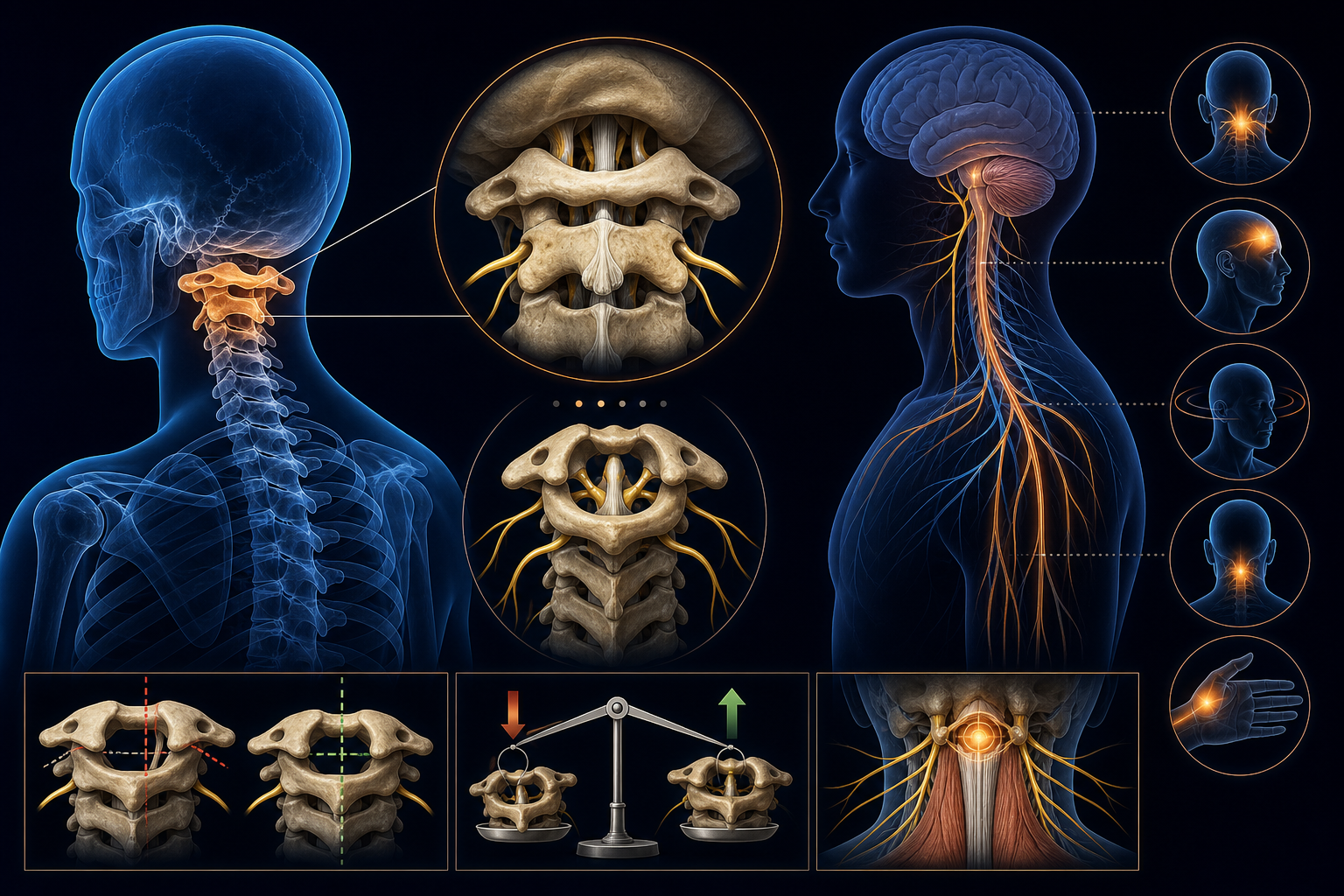
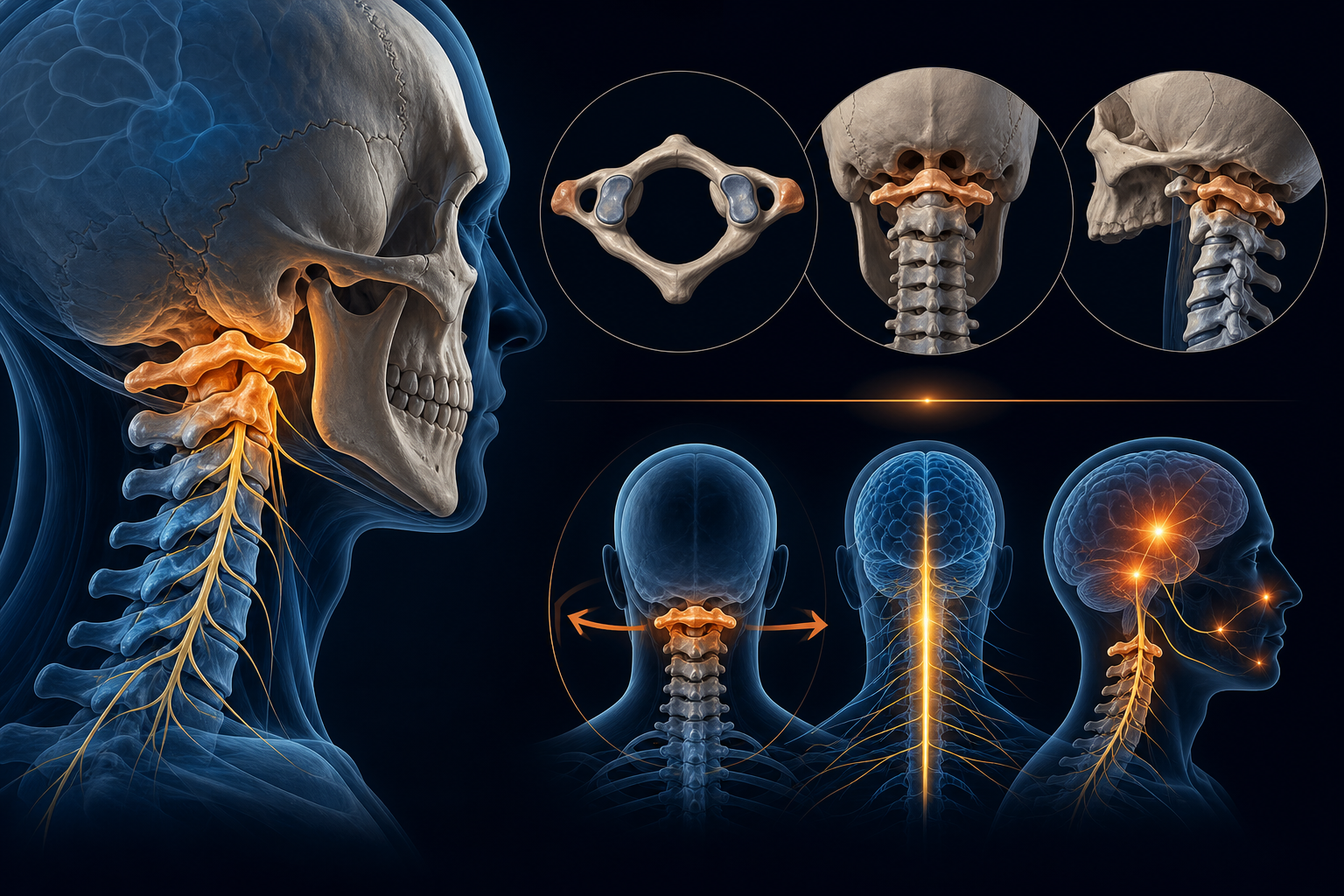
Upper cervical care is a chiropractic approach focused on the uppermost part of the spine: the atlas, also called C1, and the axis, also called C2. These two vertebrae support the head and allow important movements such as nodding, rotating, and stabilizing the neck during daily activity.
Because this area is close to the base of the skull and has a major role in head and neck motion, irritation or restricted movement may be associated with symptoms such as upper neck pain, stiffness, tension-type headaches, or discomfort when turning the head. Some patients also ask, “Can upper cervical issues cause dizziness?” In some cases, neck-related dysfunction may be associated with dizziness or a sense of imbalance, but dizziness can have many causes and should be evaluated carefully by an appropriate healthcare professional.
Common Reasons Patients Consider Upper Cervical Care
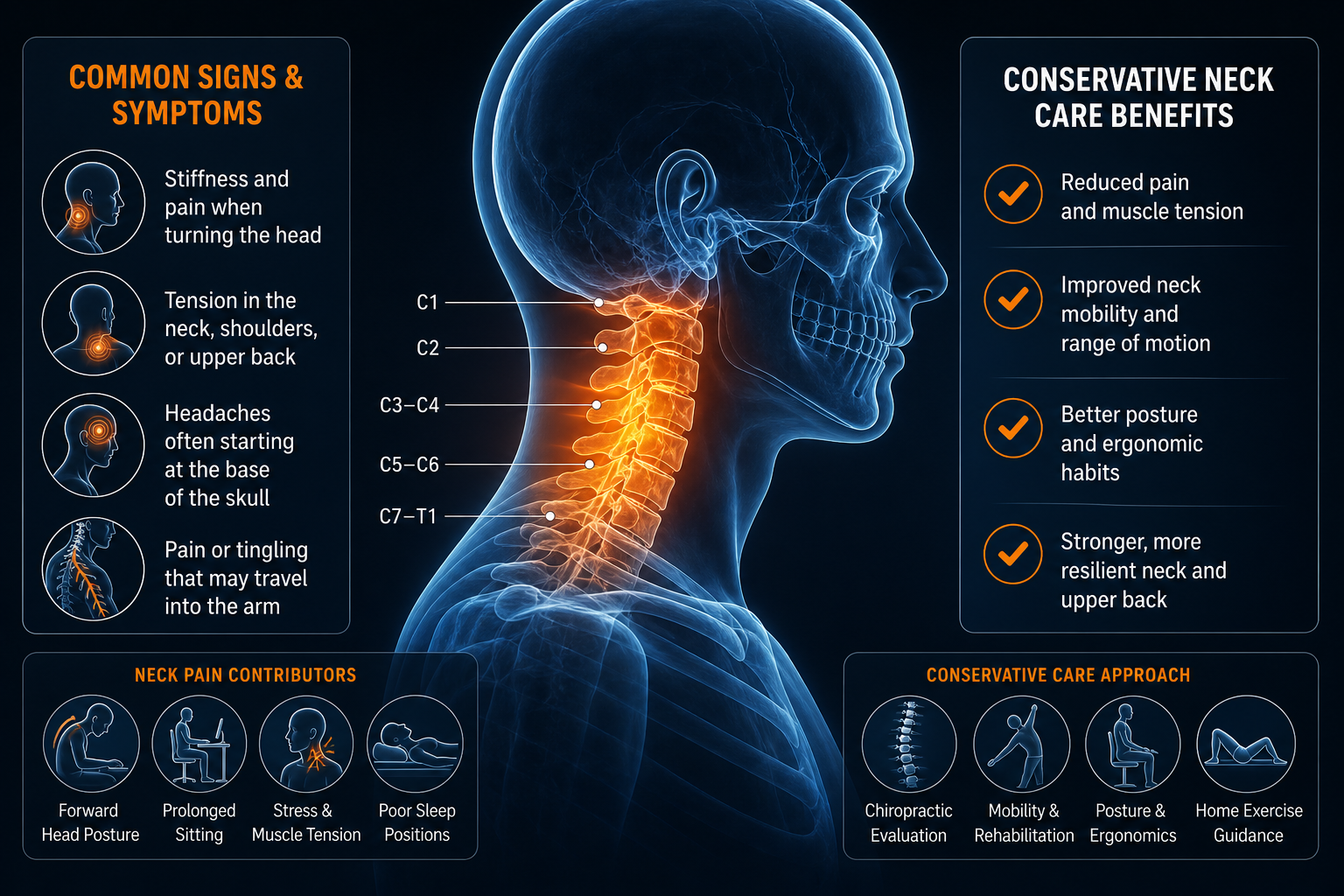
Patients often search for upper cervical care for neck pain after an injury, a long period of desk work, a sports strain, a motor vehicle collision, or simply a gradual increase in stiffness. Others notice symptoms after sleeping awkwardly, carrying tension in the shoulders, or spending extended time looking down at a phone or laptop.
Upper Neck Pain When Turning the Head
Pain or catching when rotating the head can come from several sources, including irritated joints, tight muscles, poor posture, or inflammation after a strain. Upper cervical evaluation may help identify whether limited motion at C1-C2 or nearby soft tissue tension is contributing to the problem. A provider may also screen for signs that suggest a different type of care is needed.
Neck Stiffness and Headaches
Neck stiffness and headaches in the upper cervical region may be related to muscle tension, joint restriction, stress, sleep position, or prior injury. Some headache patterns can be influenced by the neck, while others are not. If headaches are new, severe, worsening, or accompanied by unusual symptoms, medical evaluation is important. You can also learn more about related headache patterns on Medximity’s headaches resource page.
Dizziness or Balance Symptoms
Dizziness should be approached with care. Some patients report dizziness or lightheadedness along with neck pain, and research suggests neck-related factors may play a role in certain cases. However, dizziness can also be related to inner ear conditions, blood pressure, medication effects, neurological concerns, or other medical issues. If dizziness is sudden, severe, recurrent, or paired with weakness, speech changes, chest pain, fainting, or vision changes, seek urgent medical attention. For general education, Medximity offers a related page on dizziness symptoms and care options.
Upper Cervical Care vs Regular Chiropractic
Many patients search for “upper cervical care vs regular chiropractic” because they want to understand the difference before scheduling. Traditional chiropractic care may address the full spine, pelvis, extremities, posture, mobility, and function. Upper cervical care is more specialized and concentrates on the relationship between the skull, atlas, and axis.
An upper cervical chiropractor may use detailed posture assessment, range-of-motion testing, orthopedic and neurological screening, and imaging when clinically appropriate. Adjustments are often more targeted and may involve less force than some full-spine techniques. That said, both general chiropractic and upper cervical care can be conservative, hands-on approaches. The right fit depends on your symptoms, health history, preferences, and exam findings.
For a broader overview of conservative spinal care, visit Medximity’s guide to chiropractic care.
Is Upper Cervical Care Safe?
Many patients want to know, “Is upper cervical care safe?” For many people, conservative upper cervical techniques are well tolerated when performed by a trained, licensed provider after an appropriate evaluation. However, no treatment is right for everyone.
Your provider should review your health history, current symptoms, prior injuries, medications, and any red flags before recommending care. Gentle techniques may be considered for some patients who prefer a lower-force approach, but safety depends on the individual. If you have a history of stroke, vascular disease, cancer, fracture, infection, severe osteoporosis, unexplained neurological symptoms, or recent significant trauma, tell your provider before treatment begins.
When to See a Provider for Upper Neck Pain
Consider scheduling an evaluation if upper neck pain lasts more than a few days, keeps returning, limits your ability to turn your head, affects sleep, or is associated with headaches, jaw tension, shoulder tightness, or dizziness. You may also want to be evaluated after a fall, sports injury, workplace strain, or car accident, even if symptoms started gradually.
Seek urgent medical attention if neck pain comes with fever, severe headache, fainting, chest pain, sudden weakness, numbness, trouble speaking, loss of coordination, vision changes, or pain after major trauma. These symptoms may require immediate medical evaluation rather than routine conservative care.
What to Expect at an Upper Cervical Appointment
Your first visit usually starts with a conversation. The provider may ask when symptoms began, what movements make them better or worse, whether pain travels into the head, jaw, shoulder, or arm, and whether you have dizziness, numbness, weakness, or prior injuries.
Evaluation and Movement Testing
The exam may include posture observation, neck range-of-motion testing, palpation of the upper neck muscles and joints, orthopedic tests, and basic neurological screening such as reflexes, sensation, or strength when indicated. The purpose is to understand whether upper cervical care is appropriate and whether another referral may be needed.
Imaging When Clinically Appropriate
Some upper cervical providers use X-rays or other imaging when the exam or history suggests it may be helpful. Imaging is not always necessary for uncomplicated neck pain. A qualified provider should explain why any imaging is being recommended and how it would influence the care plan.
The Adjustment
Patients often ask, “How long does upper cervical adjustment take?” The hands-on adjustment itself may take only a few minutes, but the full appointment is longer because evaluation, positioning, reassessment, and education matter. Depending on the technique, the adjustment may involve a precise contact near the upper neck, specialized table positioning, a low-force instrument, or gentle manual pressure.
Some patients feel immediate relief, while others notice gradual changes over several visits. Mild soreness can occur after care, especially if muscles and joints have been guarded for a long time. Your provider may recommend activity modifications, posture strategies, stretching, or strengthening exercises to support the results.
Upper Cervical Care Without Surgery
Upper cervical care without surgery is part of the larger conservative care approach for neck pain and related movement problems. Conservative care may include chiropractic treatment, physical therapy, mobility work, strengthening, ergonomic changes, and home exercises. These options may help improve movement, reduce muscle guarding, and support daily function for some patients.
If your symptoms involve weakness, radiating arm pain, balance changes, or persistent symptoms that do not improve, your provider may coordinate with another healthcare professional. Some patients benefit from a combined approach that includes rehabilitation. You can learn more about movement-based care through Medximity’s physical therapy resource.
How to Find the Best Upper Cervical Care Near You
Searching for the “best upper cervical care near me” or an “upper cervical chiropractor near me” can feel overwhelming. Start by looking for a licensed provider who explains the evaluation clearly, discusses risks and benefits, avoids guarantees, and builds a plan around your specific symptoms and goals.
A good provider should be willing to answer questions such as: What findings suggest my upper neck may be involved? What technique do you use? How will progress be measured? What symptoms would require referral? How many visits are reasonable before reassessment?
Medximity makes it easier to compare local options and connect with providers who offer conservative care. You can begin by searching for chiropractors in your area or browsing Medximity provider profiles to find a practice that fits your needs.
Questions to Ask Before Starting Care
- Do my symptoms seem consistent with an upper cervical problem, or could another issue be involved?
- What type of examination will you perform before treatment?
- Do you use manual, instrument-assisted, or low-force techniques?
- What should I expect after the first adjustment?
- How will we know whether care is helping?
- Are there symptoms that would require medical referral?
FAQ: Upper Cervical Care
What is upper cervical care?
Upper cervical care is a focused chiropractic approach that evaluates and treats the top of the neck, especially the atlas and axis vertebrae. It may be used for certain patterns of neck pain, stiffness, headaches, and movement restriction when the exam supports that approach.
Can upper cervical issues cause dizziness?
Upper cervical dysfunction may be associated with dizziness in some cases, but dizziness has many possible causes. A qualified provider should evaluate your symptoms and refer you for medical care when needed.
How long does an upper cervical adjustment take?
The adjustment itself may take only a few minutes, but the full visit usually includes history, exam, positioning, reassessment, and guidance for home care or activity modification.
Is upper cervical care safe?
It may be safe and well tolerated for many patients when performed by a licensed provider after a proper evaluation. It is not appropriate for everyone, so your health history and symptoms should be reviewed first.
Can upper cervical care help without surgery?
Upper cervical care is non-surgical and may be part of a conservative plan for upper neck pain. Results vary, and persistent or complex symptoms should be evaluated by an appropriate healthcare professional.