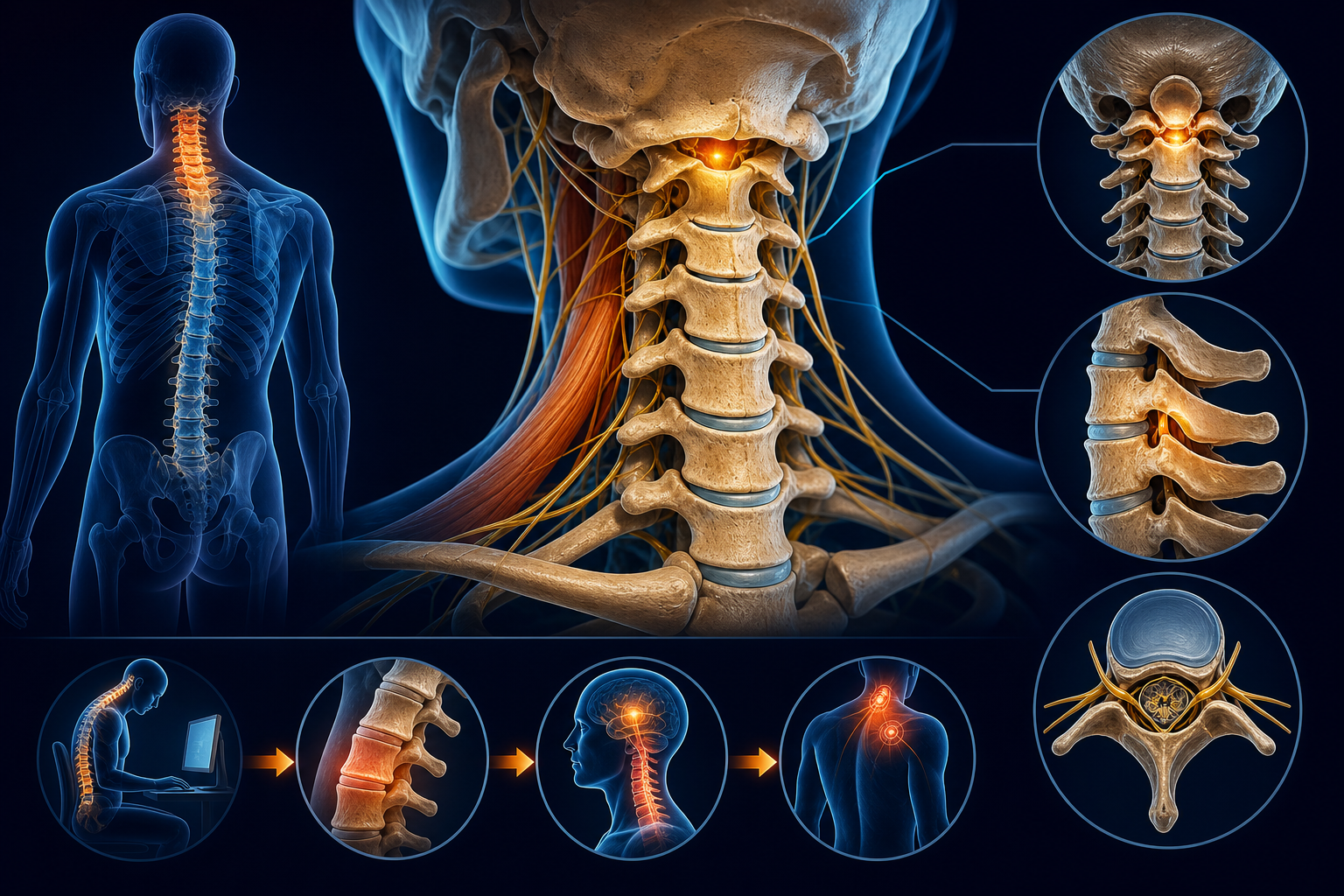
US Family Health Plan of Texas and Louisiana may cover massage therapy when it is deemed medically necessary — but coverage is not automatic, and the distinction between therapeutic and wellness massage determines whether your plan pays. If you are enrolled in this TRICARE Prime alternative and considering massage therapy for back pain, muscle injury, or a musculoskeletal condition, here is what you need to verify before your first appointment.
What Is US Family Health Plan of Texas and Louisiana?
US Family Health Plan of Texas and Louisiana is a TRICARE Prime alternative offered through a not-for-profit health system. It is one of several Department of Defense-sponsored civilian healthcare options available to active duty family members, retirees, and their dependents in specific regions of Texas and Louisiana.
Like standard TRICARE Prime, this plan uses a primary care manager (PCM) model. That means most specialty care — including physical therapy and potentially massage therapy — requires a referral or authorization from your PCM before services are covered.
Understanding US Family Health Plan Texas Louisiana massage benefits starts with understanding this plan's TRICARE affiliation. It follows TRICARE guidelines but is administered regionally, which means benefit specifics, network providers, and prior authorization processes can differ from what you may have experienced under another TRICARE option.
Does US Family Health Plan Cover Massage Therapy?
The direct answer: massage therapy may be covered under US Family Health Plan when it is prescribed as part of a documented treatment plan for a qualifying diagnosis. Whether massage therapy is covered by military health insurance under this plan depends on three factors:
- Whether the massage is classified as medically necessary by your provider
- Whether your PCM has issued a valid referral or authorization
- Whether the massage therapist is credentialed within an in-network physical therapy or rehabilitation facility
Standalone massage therapy practices are typically not recognized as TRICARE-participating providers. Massage delivered by a licensed massage therapist within a supervised physical therapy setting — or as a component of a chiropractic care plan — has a stronger path to reimbursement. Always verify your provider's network status before booking.
What TRICARE Affiliation Means for Military Families
TRICARE-affiliated plans operate under federal benefit structures, which tend to be more prescriptive than commercial insurance. Benefits are defined at the federal level, and regional administrators like US Family Health Plan implement them within those guidelines. This means coverage decisions are less flexible, but the appeals process is also well-defined — an important point if your claim is denied.
Medically Necessary vs. Elective Massage: Why the Distinction Matters
Medically necessary massage therapy is treatment that a qualified provider prescribes to address a specific diagnosis — such as lumbar muscle strain, cervicogenic headache, or soft tissue injury following an accident. Elective wellness massage — booked for relaxation, stress management, or general wellbeing — is not covered under most insurance plans, including TRICARE-affiliated ones.
For medically necessary massage therapy insurance approval, your documentation typically needs to include:
- A diagnosis code (ICD-10) from your PCM or treating provider
- A treatment plan specifying the number of sessions, frequency, and therapeutic goals
- Progress notes showing functional improvement between sessions
- Evidence that massage is part of a broader rehabilitation plan — not a standalone service
Massage therapy vs. chiropractic care in an insurance context differs significantly. Chiropractic manipulation has broader TRICARE coverage precedent. Massage is more likely to be covered when it is integrated into chiropractic or physical therapy treatment — for example, soft tissue work preceding spinal manipulation, or myofascial release as part of a PT protocol. If you are dealing with conditions like sciatic nerve pain or lower back pain, combining chiropractic care with massage under a single authorized treatment plan often produces stronger documentation for coverage purposes.
Conditions Most Likely to Qualify
When does insurance cover massage for back pain or other conditions? These diagnoses have the most established path to approval under military-affiliated federal plans:
- Acute or chronic lumbar strain (L4-L5, L5-S1 involvement documented on exam)
- Cervical muscle spasm with documented restricted range of motion
- Soft tissue injury following a motor vehicle accident
- Fibromyalgia with documented functional limitation — natural treatment options for fibromyalgia often include massage as part of a multi-modal plan
- Tension-type or cervicogenic headache — see also common head pain types and their causes
Referral and Documentation Requirements to Know Before You Book
Do you need a referral for massage therapy insurance coverage under this plan? Almost certainly yes. Under a PCM-gated TRICARE Prime model, skipping the referral step means the claim will be denied regardless of medical necessity.
Here is how to get massage therapy covered by insurance through US Family Health Plan, step by step:
- Schedule an appointment with your PCM and describe your symptoms specifically — location, duration, functional limitations (not just pain level)
- Request a referral to a physical therapist, chiropractor, or rehabilitation provider within the US Family Health Plan network
- Ask your treating provider whether massage therapy is incorporated into their treatment protocols
- Confirm that the facility bills massage under an appropriate CPT code supervised by a licensed clinician
- Obtain a written treatment plan before services begin and keep a copy for your records
What to Do If Your Claim Is Denied
A denial is not a final answer. If you receive an Explanation of Benefits (EOB) showing a massage therapy claim was denied, you have options.
- Request the denial reason in writing. Common codes include "not medically necessary," "non-covered service," or "out-of-network provider."
- Ask your provider for a Letter of Medical Necessity (LMN). This document, written by your PCM or treating clinician, formally states why the treatment is medically required for your specific diagnosis.
- File a formal appeal through the plan's grievance process. TRICARE-affiliated plans are required to have an appeals pathway with defined timelines.
- Escalate to the Defense Health Agency (DHA) if the internal appeal is unsuccessful. Federal oversight gives TRICARE beneficiaries a second-tier review option that commercial insurance patients do not have.
If your massage therapy is related to a personal injury or auto accident, there is an additional path worth knowing. In Texas and Louisiana, if a third party (another driver, a property owner) caused your injury, that party's liability insurance — not your health plan — may be the primary payer. In cases where liability coverage is pending or disputed, some providers work under a Letter of Protection (LOP), which is a written agreement allowing you to receive care now with repayment deferred until your personal injury case resolves. This is a procedural arrangement between you and the provider — not a legal strategy — and it ensures you can continue care without out-of-pocket interruption while coverage is sorted out.
Questions to Ask Your Plan Administrator Before Your First Appointment
These questions to ask insurance before booking massage therapy will save you time and prevent unexpected bills. Call the member services number on your US Family Health Plan ID card and ask:
- "Is massage therapy a covered benefit under my specific plan and benefit year?"
- "Does massage need to be performed by a specific provider type to be covered — for example, within a PT or chiropractic facility?"
- "Is prior authorization required, and if so, what documentation does my PCM need to submit?"
- "How many massage therapy sessions are authorized per benefit period?"
- "Does the massage therapist need to hold a specific license or work under clinical supervision?"
- "What CPT codes are covered for therapeutic massage under this plan?"
Get the representative's name, the date of the call, and a reference number. If a claim is later disputed, this documentation supports your appeal.
When to Talk to Your Provider About Massage Therapy
Bring up massage therapy at your next PCM appointment if you are managing any of the following:
- Persistent neck or back pain lasting more than 4 weeks without improvement
- Muscle tension or restricted ROM following a motor vehicle accident — especially involving the cervical spine (C1–C7) or thoracolumbar junction
- Recurring tension headaches that originate at the base of the skull (suboccipital region) — migraines and cervicogenic headaches often respond to soft tissue treatment
- Post-concussion symptoms with neck stiffness — review what to do after a concussion for context on conservative care options
Seek urgent care — not massage therapy — if your pain is accompanied by numbness or tingling radiating into the arms or legs, loss of bladder or bowel function, unexplained weight loss, or pain that wakes you from sleep. These symptoms require diagnostic imaging and clinical evaluation before any manual therapy begins.
Coverage Comparison: Massage Therapy vs. Chiropractic Under Military-Affiliated Plans
Service TRICARE Coverage Precedent Referral Required Typical Session Authorization Best Documentation Approach Chiropractic Care (spinal manipulation) Covered at military treatment facilities and some civilian providers Yes (PCM referral) Varies; typically reviewed at 4–6 week intervals X-ray findings, documented ROM deficits, functional outcome scores Massage Therapy (medically necessary) May be covered when integrated into PT or chiropractic plan Yes (PCM referral + treatment plan) Often bundled within PT authorization ICD-10 diagnosis, LMN, progress notes, functional goals Wellness / Relaxation Massage Not covered N/A N/A N/A — patient self-pay only Physical Therapy (including manual therapy) Covered with prior authorization Yes (PCM referral) Typically 6–12 sessions per authorization cycle Functional limitation documentation, standardized outcome measuresWhat to Do Next
If you are enrolled in US Family Health Plan of Texas and Louisiana and want to pursue massage therapy as part of your treatment, start with your PCM. Get your diagnosis documented, your referral in hand, and your treatment plan in writing before any session takes place. That documentation is what separates a reimbursable treatment from an out-of-pocket expense.
If you are looking for a massage therapist near you that accepts US Family Health Plan, or a chiropractor accepting US Family Health Plan in Texas or Louisiana, the Medximity directory can help you find in-network and conservative care providers in your area:
- Find a massage therapist in Texas
- Find a massage therapist in Louisiana
- Find a chiropractor in Texas who accepts military-affiliated plans
- Browse all providers on Medximity
Providers in the Medximity network are experienced in working with insurance-covered conservative care — and many are familiar with TRICARE-affiliated plan requirements, referral documentation, and personal injury billing. Confirm network participation and authorization requirements directly with both the provider and your plan before scheduling.
Frequently Asked Questions
Does US Family Health Plan of Texas and Louisiana cover massage therapy?
Massage therapy may be covered under US Family Health Plan of Texas and Louisiana when it is medically necessary, prescribed by a primary care manager, and delivered within an authorized treatment plan. Elective or wellness massage is not covered. Coverage varies by benefit year and provider type — always verify directly with the plan before booking.
Do I need a referral for massage therapy under this plan?
Yes. US Family Health Plan operates as a TRICARE Prime alternative with a PCM-gated model. Most specialty and ancillary services, including massage therapy, require a referral from your primary care manager before the plan will consider the claim. Receiving massage without prior authorization typically results in a denial.
Is massage therapy covered differently than chiropractic care under military health plans?
Yes. Chiropractic spinal manipulation has more established coverage precedent under TRICARE-affiliated plans. Massage therapy is more likely to be covered when it is integrated into a physical therapy or chiropractic treatment plan rather than billed as a standalone service. Both require referrals and documented medical necessity.
What should I do if my massage therapy claim is denied?
Request the denial reason in writing, ask your provider for a Letter of Medical Necessity, and file a formal appeal through the plan's grievance process. TRICARE-affiliated plans are federally administered and have defined appeals timelines. If the internal appeal fails, you may escalate to the Defense Health Agency for an external review.
Can a Letter of Protection help me receive massage therapy while an injury claim is pending?
In personal injury cases in Texas and Louisiana, some providers will treat patients under a Letter of Protection — a written agreement deferring payment until a liability claim or lawsuit settles. This arrangement is between you and your provider and allows care to continue when insurance coverage is disputed or pending. It does not affect your plan's standard benefits.
How do I find a massage therapist or chiropractor in Texas or Louisiana who accepts US Family Health Plan?
Use the Medximity provider directory to search for massage therapists and chiropractors in Texas and Louisiana. Filter by specialty and location, then contact the provider directly to confirm they accept US Family Health Plan and are familiar with TRICARE-affiliated billing requirements before scheduling your first appointment.