Key Takeaways
- Migraines are a neurological condition, not just a “bad headache,” and symptoms can include nausea, light/sound sensitivity, and aura.
- Research links migraine—especially migraine with aura—to higher rates of depression and suicide risk, so mental health screening matters.
- Common triggers include sleep disruption, stress, dehydration, certain foods, hormonal shifts, and sensory overload, but triggers vary by person.
- Conservative care (exercise, posture/neck rehab, stress management, and manual therapy) may help some people reduce migraine frequency or intensity as part of a broader plan.
- New or changing headache patterns should be evaluated to rule out more serious causes.
Medical Disclaimer: This article is for informational purposes only and does not constitute medical advice, diagnosis, or treatment. Always consult a qualified healthcare provider for personalized medical guidance. If you are experiencing a medical emergency, call 911 or your local emergency number immediately.
Frequently Asked Questions
What’s the difference between a migraine and a regular headache?
A migraine is a neurological condition that often causes moderate to severe head pain plus other symptoms like nausea, light or sound sensitivity, and sometimes visual changes called aura. A “regular” tension-type headache is more likely to feel like pressure or tightness and usually doesn’t come with nausea or strong sensory sensitivity. A provider can help confirm which pattern fits your symptoms.
Can migraines affect mental health?
Yes. Migraine is associated with higher rates of anxiety and depression, and studies have found an increased risk of suicidal thoughts and behaviors in some people with migraine, particularly migraine with aura. If migraines are affecting your mood, sleep, or daily function, bring it up with a qualified provider. If you feel unsafe or in crisis, seek immediate help.
What are common migraine triggers people don’t always notice?
Triggers can be subtle and personal, but common ones include inconsistent sleep, dehydration, skipped meals, stress let-down after a busy period, bright lights, strong smells, screen time, and certain foods. Hormonal changes can also play a role. Keeping a simple symptom-and-habit log for a few weeks can help you and your provider spot patterns without guessing.
Can chiropractic care or physical therapy help with migraines?
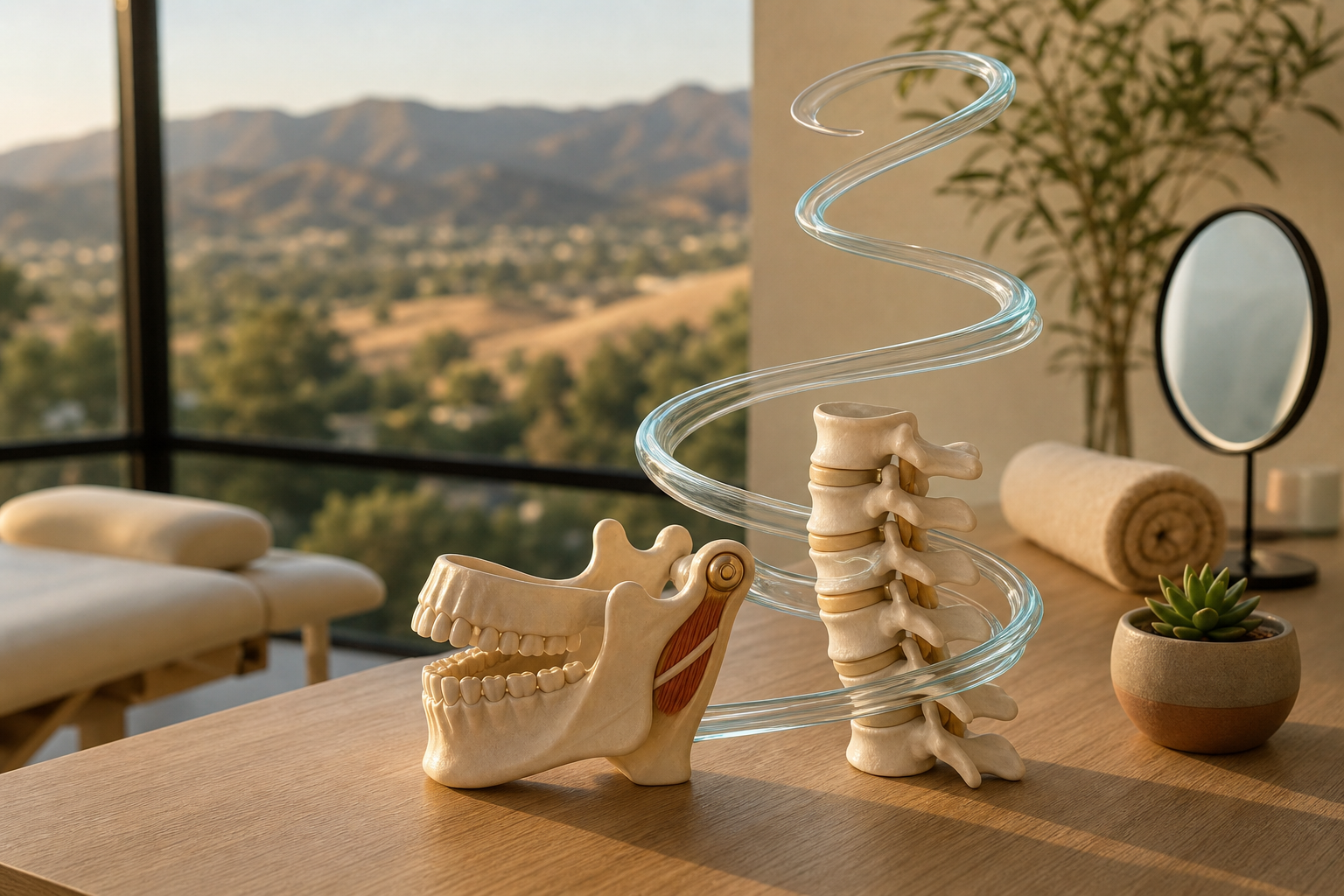
Some people with migraine also have neck tension, poor posture, or cervicogenic (neck-related) headache overlap. Conservative care like physical therapy, posture training, gentle manual therapy, and targeted mobility/strength work may help reduce contributing musculoskeletal stress and improve function. Results vary, and migraine care often works best as a coordinated plan based on your triggers and health history.
When should I see a provider for migraines or headaches?
See a provider if headaches are new, worsening, or changing in pattern, or if they disrupt work, school, or sleep. Get urgent evaluation for “worst headache of your life,” headache after a head injury, fever with neck stiffness, fainting, weakness, trouble speaking, vision loss, or a sudden severe onset. These can be warning signs that need prompt medical attention.