If you are searching for physical therapy for back pain Fountain Inn options, you may be dealing with pain that makes everyday movement harder than it should be. Back pain can show up when you bend over, sit at a desk, drive across town, lift groceries, get out of bed, or try to walk normally. In many cases, physical therapy may help by identifying movement limitations, strength deficits, posture or load-management issues, and irritated tissues that can contribute to ongoing discomfort.
This article is for people in and around Fountain Inn who want a practical, patient-friendly overview of lower back pain treatment Fountain Inn residents may consider before symptoms become more limiting. It explains what physical therapy is, how physical therapy helps back pain, when to see a provider, what to expect at an appointment, and how conservative care compares with chiropractic treatment. It is educational only and is not a diagnosis. A licensed clinician can evaluate your specific symptoms and recommend an appropriate plan.
To explore care options near you, you can start with Medximity’s physical therapy provider search for Fountain Inn or review general information about back pain and lower back pain.
Why Back Pain Happens So Often
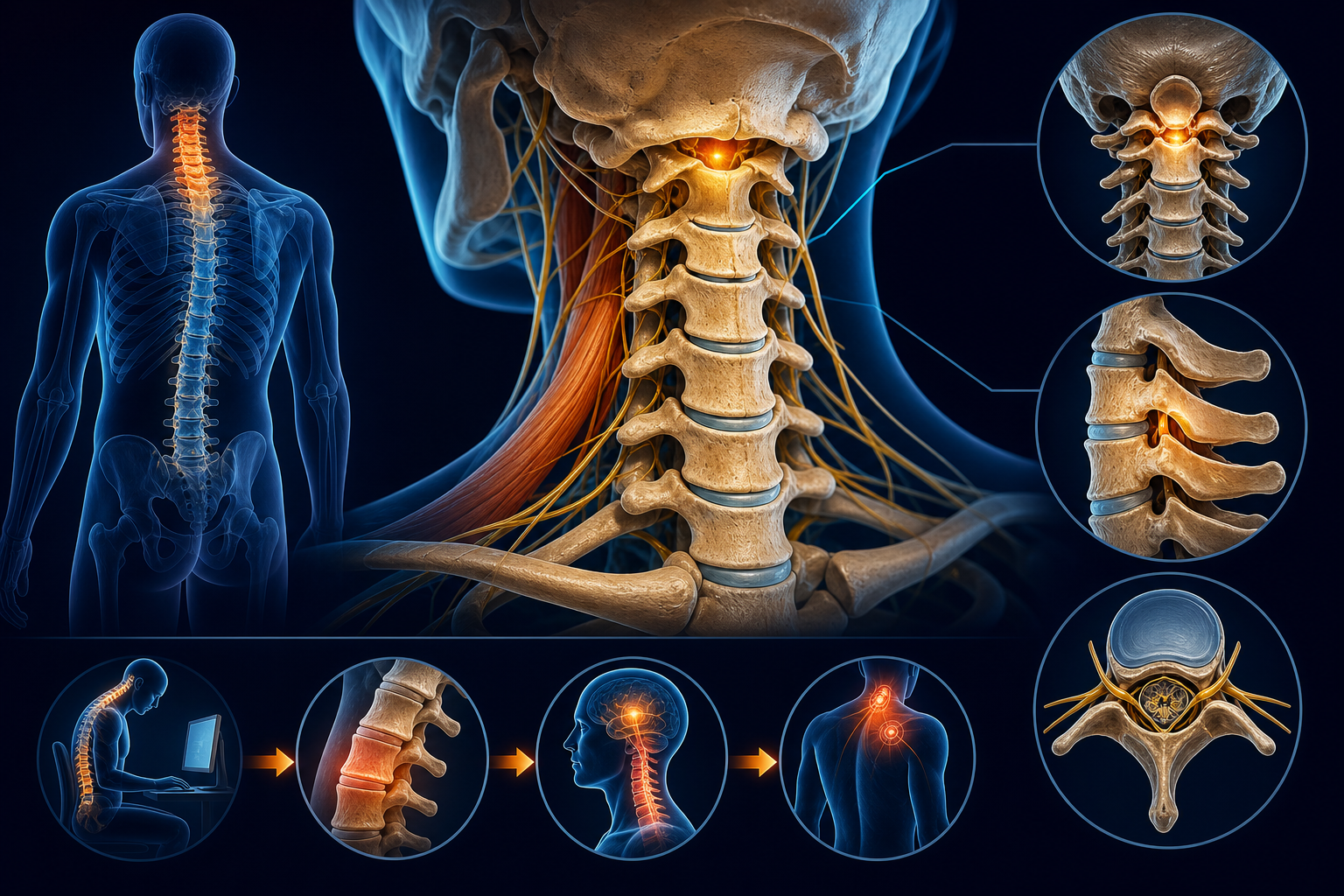
Back pain is common because the spine, hips, pelvis, muscles, discs, joints, and nerves all work together during ordinary movement. The lower back helps transfer force between the upper body and the legs. It also responds to changes in posture, lifting technique, walking pattern, flexibility, sleep position, stress, and general conditioning. When one part of this system is irritated or overloaded, pain may develop.
Back pain does not always mean something serious is happening. Some episodes are associated with muscle strain, joint irritation, reduced mobility, repetitive loading, or a temporary flare-up after activity. Other cases may involve disc-related irritation, nerve sensitivity, arthritis-related changes, or pain that is influenced by hip and core weakness. Because symptoms can look similar even when the cause differs, an evaluation is useful when pain persists, worsens, or affects normal activity.
Common back pain patterns patients describe
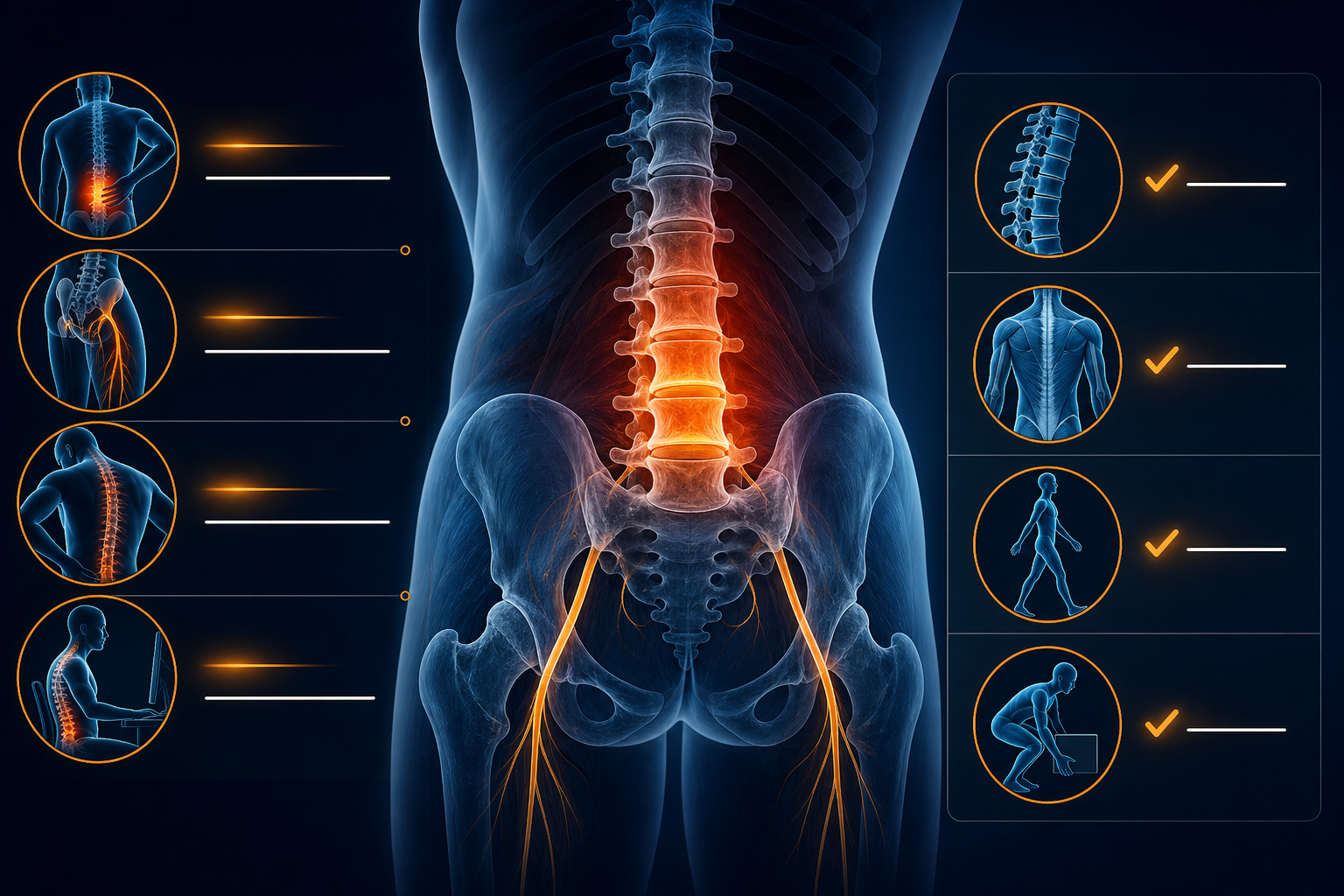
People often describe back pain in terms of what they can no longer do comfortably. Some patients report back pain when bending over, especially when putting on shoes, picking up a child, loading laundry, or reaching into a low cabinet. Others notice back pain when sitting and driving, particularly during commutes, long errands, or travel. Some feel stiff first thing in the morning, while others feel worse later in the day after standing or working.
Some patients say they “can’t walk well with back pain.” That may mean they are limping, taking shorter steps, leaning to one side, or needing frequent breaks. Changes in walking can sometimes happen because the body is trying to protect an irritated area. A physical therapist can assess gait, hip motion, leg strength, balance, and spinal movement to understand what may be contributing.
What Physical Therapy for Back Pain Is
Physical therapy is a conservative, movement-based approach to evaluating and treating musculoskeletal problems. For back pain, a physical therapist may look at how you move, where symptoms occur, what activities aggravate or ease discomfort, and whether strength, flexibility, coordination, or endurance limitations may be involved. Treatment often includes guided exercise, manual therapy, education, posture and body-mechanics coaching, and a plan for gradually returning to activity.
The goal is not simply to give you a list of exercises. A thoughtful physical therapy plan is usually built around your specific symptoms and goals. For one person, the plan may focus on walking tolerance and hip mobility. For another, it may emphasize lifting mechanics, core control, and reducing pain with sitting. For someone else, it may include balance work, nerve mobility techniques, or progressive strengthening after an acute flare-up calms down.
Medximity’s overview of physical therapy treatment explains how PT may be used for many movement-related conditions, including back pain, sports injuries, postural strain, and rehabilitation after certain injuries.
How Physical Therapy Helps Back Pain
Many people searching for “how physical therapy helps back pain” are looking for a direct answer: physical therapy may help by improving the way the body handles movement and load. Rather than focusing only on short-term symptom relief, PT often addresses factors that may contribute to repeated irritation, such as limited hip mobility, poor lifting mechanics, weak trunk or glute muscles, guarded movement, reduced walking tolerance, or a lack of confidence with normal activity.
Movement assessment
A physical therapist may assess how your back moves during bending, extension, rotation, walking, squatting, and transitional movements such as getting up from a chair. This can help identify whether certain motions are especially sensitive, restricted, or poorly controlled. The therapist may also check hip range of motion, leg strength, sensation, reflexes when appropriate, balance, and functional tasks related to your daily life.
Strength and stability training
Back pain is not always caused by “weak core muscles,” but trunk, hip, and leg strength can influence how the spine is loaded. A PT may prescribe exercises that improve control of the abdominal muscles, back extensors, glutes, and hips. These exercises are usually progressed gradually. The right level should feel challenging but manageable, not like a punishment that creates a major flare-up.
Mobility and flexibility work
Some people with lower back pain also have stiffness in the hips, hamstrings, thoracic spine, or pelvis. Mobility work may help reduce compensations that increase stress on the low back. Stretching is not a cure-all, and it should not be forced through sharp pain, but targeted mobility can be useful when it fits the clinical picture.
Manual therapy
Manual therapy may include hands-on techniques for soft tissue, joints, or mobility restrictions. Some patients report short-term symptom relief and improved movement after manual therapy. In a physical therapy plan, hands-on care is often paired with exercise and education so that improvements carry over into daily activity.
Education and activity modification
Education is a major part of back pain care. A physical therapist may help you understand which positions or movements are temporarily aggravating symptoms, how to pace activity, how to adjust your workstation or car seat, and how to return to exercise safely. This kind of coaching may reduce fear of movement and help you avoid the cycle of doing too much on a good day and flaring up the next.
When to See a Provider for Back Pain
You do not need to wait until pain is severe before asking for help. Consider seeing a qualified provider if your back pain lasts more than a few days without improvement, returns repeatedly, limits walking or daily tasks, interferes with sleep, causes you to miss work, or makes it difficult to sit, bend, lift, or drive. A provider can help determine whether physical therapy is appropriate and whether additional medical evaluation may be needed.
Seek urgent medical attention right away if you have back pain with new loss of bowel or bladder control, numbness in the groin or saddle area, progressive leg weakness, fever, unexplained weight loss, major trauma, or severe pain that does not change with position. These symptoms do not always mean a dangerous condition is present, but they deserve prompt evaluation.
If you have back pain when bending over
Back pain with bending can occur for several reasons. Some people strain the muscles and ligaments that support the spine. Others may have sensitive discs, stiff hips, or poor load distribution when reaching toward the floor. A physical therapist may observe how you bend, whether you hinge from the hips, how your core and hips coordinate, and whether symptoms improve with changes in technique. Treatment may include hip-hinge practice, graded bending exposure, mobility work, and strengthening.
If you have back pain when sitting and driving
Sitting and driving can load the lower back differently than standing or walking. A slouched posture, limited hip mobility, wallet placement, poor lumbar support, or long periods without movement may contribute to symptoms. PT may include posture strategies, seat-position coaching, mobility breaks, hip and trunk strengthening, and exercises that help you tolerate sitting longer. Small adjustments, such as changing seat angle or taking brief walking breaks, may help some patients.
If you cannot walk well with back pain
If you “can’t walk well with back pain,” it is worth being evaluated. Difficulty walking may be related to pain guarding, muscle spasm, weakness, nerve irritation, balance issues, hip involvement, or another factor. A physical therapist may assess your gait and help you build a plan to improve walking tolerance. If symptoms suggest a more urgent issue, the therapist can recommend appropriate medical follow-up.
What to Expect at a Physical Therapy Visit in Fountain Inn
Your first visit for physical therapy for back pain in Fountain Inn will usually begin with a conversation. The therapist may ask when symptoms started, what makes them better or worse, whether pain travels into the buttock or leg, what activities are limited, your work demands, exercise habits, health history, and your goals. This information helps shape the exam and the treatment plan.
The initial evaluation
During the exam, the therapist may assess posture, spinal range of motion, hip motion, strength, walking, balance, functional movement, and areas of tenderness or stiffness. If leg symptoms are present, the evaluation may include nerve-related screening such as sensation, reflexes, or strength testing. The purpose is not only to name what hurts, but to understand how your body is moving and what may be modifiable.
Your treatment plan
A back pain treatment plan may include in-clinic exercises, home exercises, manual therapy, education, and gradual activity progression. The plan should be adjusted based on your response. If an exercise consistently increases symptoms in a concerning way, the therapist may modify it. If you improve quickly, the plan may progress toward strength, endurance, and return-to-activity goals.
Home exercise program
Most PT plans include exercises between visits. These are not meant to overwhelm you. A good home program is usually specific, short enough to complete consistently, and matched to your current tolerance. Your therapist may update it as your symptoms and function change.
Progress tracking
Progress may be measured by pain level, but pain is not the only marker. Your therapist may also track walking distance, sitting tolerance, ability to bend, lifting mechanics, work duties, sleep quality, and confidence with movement. For many patients, meaningful improvement looks like doing more with fewer flare-ups, even if symptoms are not gone overnight.
Lower Back Pain Treatment in Fountain Inn: Conservative Options
For many patients, lower back pain treatment Fountain Inn options begin with conservative care. Conservative care means non-surgical, non-invasive strategies that aim to improve function and reduce irritation. This may include physical therapy, chiropractic care, rehabilitation exercise, ergonomic changes, walking programs, and wellness-oriented movement habits.
Physical therapy may be especially useful when back pain is linked with weakness, mobility limitations, movement sensitivity, poor tolerance for daily tasks, or recurring flare-ups. Chiropractic care may be considered by some patients when joint mobility, spinal stiffness, or manual adjustment is a priority. Some people use one approach, while others may benefit from coordinated care depending on their symptoms and provider recommendations.
If you are comparing nearby options, Medximity can help you browse physical therapy providers and learn more about chiropractic providers in your area.
Physical Therapy vs Chiropractor for Back Pain
Many patients ask about physical therapy vs chiropractor for back pain. Both may be used as conservative care options, but they often emphasize different tools. Physical therapy typically focuses on movement assessment, therapeutic exercise, strengthening, mobility, functional training, and education. Chiropractic care often focuses on spinal and joint assessment, manual adjustment or mobilization, soft-tissue techniques, and guidance on posture or activity.
Neither approach is automatically “better” for every patient. The best fit may depend on your symptoms, goals, medical history, preferences, and how your body responds. A patient with recurring pain during lifting may benefit from PT that emphasizes hip-hinge mechanics and progressive strengthening. A patient with short-term spinal stiffness may prefer chiropractic evaluation. Some patients receive both types of care when providers coordinate and the plan remains clear.
If you want to understand chiropractic care in more detail, Medximity’s guide to chiropractic adjustment explains what patients may experience during this type of conservative treatment.
Back Pain Treatment Without Surgery
Many people searching for back pain care are hoping for back pain treatment without surgery. In many cases, conservative care may be considered before invasive options, especially when symptoms are not linked to urgent medical warning signs. Physical therapy, exercise, manual therapy, activity modification, posture changes, and gradual conditioning may help some patients improve function and manage symptoms.
That said, back pain is not one-size-fits-all. Some symptoms require medical evaluation, imaging may be considered in certain situations, and a provider may refer you to another clinician if your symptoms suggest something outside the scope of conservative care. The right path depends on your individual health history and exam findings.
How Long Does Back Pain Last?
If you are wondering, “how long does back pain last?” the honest answer is that it varies. Some mild episodes improve within days or a few weeks. Other cases take longer, especially when pain is recurring, activity demands are high, stress is elevated, sleep is poor, or the body has become deconditioned after avoiding movement. Research and clinical guidelines generally recognize that many episodes of low back pain improve over time, but recurrence is common.
Duration also depends on whether pain is acute, subacute, or chronic. Acute back pain is more recent. Subacute pain has lasted longer but may still be changing. Chronic back pain typically means symptoms have persisted for several months. These categories are broad and do not automatically determine what treatment you need, but they help clinicians understand the timeline.
Why symptoms can linger
Back pain can linger when the irritated area is repeatedly stressed before it calms down, when movement patterns keep loading the same tissues, or when fear of movement leads to stiffness and weakness. Pain can also be influenced by sleep, stress, general health, and daily workload. Physical therapy may help by identifying modifiable factors and creating a plan that progresses at a realistic pace.
Is Recurring Back Pain Normal?
Many patients ask, “Is recurring back pain normal?” Recurring back pain is common, but common does not mean it should be ignored. If your back “goes out” every few months, hurts every time you sit in the car, or flares whenever you return to exercise, there may be patterns worth addressing. PT may help identify why certain activities keep triggering symptoms and how to build better tolerance.
Recurring pain can sometimes be related to workload, repetitive movement, poor recovery, mobility limitations, or inadequate strength for the tasks you ask your body to perform. A therapist can help you look beyond short-term relief and build a prevention-minded plan. The goal is not to guarantee that pain never returns, but to reduce avoidable triggers, improve resilience, and help you respond more effectively if symptoms flare.
Exercises for Lower Back Pain at Home
Many people search for exercises for lower back pain at home because they want to do something helpful right away. Home exercises may help some people, but the right exercise depends on your symptoms. Stop any movement that causes sharp, worsening, or radiating pain, and consider seeing a provider if you are unsure what is safe for you.
The following examples are commonly used in conservative back care, but they are not a substitute for an individualized evaluation. Move slowly, breathe normally, and keep symptoms in a tolerable range.
1. Diaphragmatic breathing with relaxed knees
Lie on your back with your knees bent and feet supported. Place one hand on your abdomen and breathe slowly, allowing the ribs and belly to expand gently. This may help reduce guarding and prepare the body for movement. Try 5 to 10 slow breaths.
2. Pelvic tilts
Lie on your back with knees bent. Gently flatten the lower back toward the floor, then relax back to a neutral position. This can introduce pain-free spinal motion. Try 8 to 12 repetitions within a comfortable range.
3. Knee-to-chest stretch
Bring one knee toward your chest while the other foot stays on the floor. Hold briefly if it feels comfortable, then switch sides. This may help some people with low back stiffness, but it should not be forced if bending increases symptoms.
4. Cat-cow movement
On hands and knees, slowly round and arch your back within a comfortable range. This movement may help improve spinal mobility. Keep it gentle and avoid pushing into pain.
5. Glute bridges
Lie on your back with knees bent and feet hip-width apart. Gently tighten the buttock muscles and lift the hips a small distance, then lower with control. This may help strengthen the glutes and support better hip extension. Start with a small range if symptoms are sensitive.
6. Bird dog progression
On hands and knees, brace gently and extend one leg behind you without twisting the pelvis. Some people may also reach the opposite arm forward. This can challenge trunk control, but it should be modified if it increases pain.
7. Walking
Walking is often overlooked as an exercise. Short, frequent walks may help maintain mobility and reduce stiffness for some patients. If walking worsens symptoms or you cannot walk normally, seek evaluation.
How to Choose the Best Back Pain Physical Therapist Near You
Searching for the best back pain physical therapist near me can feel overwhelming. The “best” provider is not always the closest clinic or the one with the most aggressive treatment plan. A good fit is a licensed professional who listens carefully, evaluates your movement, explains findings in clear language, creates a plan that matches your goals, and adjusts treatment based on your response.
Questions to ask before scheduling
Consider asking whether the clinic commonly treats lower back pain, whether they provide individualized exercise programs, how progress is measured, what to expect during the first visit, and whether they help with work, sports, or driving-related goals. You can also ask about appointment availability, insurance participation, and whether you will see the same clinician consistently.
Signs of a patient-centered approach
A patient-centered PT should explain why specific exercises are chosen, what symptoms are acceptable during rehab, when to modify activity, and how the plan will progress. You should feel comfortable asking questions. Treatment should not rely on vague promises or one-size-fits-all protocols.
Medximity’s back pain provider search for Fountain Inn can help you compare nearby options and learn more about providers who may offer conservative back pain care.
Daily Habits That May Support Back Pain Recovery
Physical therapy visits are only part of the process. What you do between visits can influence how your back responds. Supportive habits may include changing positions throughout the day, taking short walks, using better lifting mechanics, improving sleep setup, and pacing chores or exercise. These habits are not a guarantee, but they may reduce repeated irritation.
For sitting and driving
Try to avoid staying in one position for too long when possible. Adjust the seat so your hips and knees are comfortable, keep frequently used items within easy reach, and consider short breaks during longer drives. Some patients feel better with gentle lumbar support, while others prefer a flatter seat position. A PT can help you test what works for your body.
For bending and lifting
When bending to lift, many people benefit from bringing the object closer, hinging from the hips, keeping the load manageable, and avoiding twisting while carrying weight. A physical therapist can coach your technique and build strength gradually so daily lifting becomes less provocative.
For work and household tasks
If pain flares during cleaning, yard work, childcare, or job duties, pacing may help. Break tasks into shorter blocks, alternate positions, and avoid doing all heavy work on one day if that pattern consistently triggers symptoms. Over time, rehab may help you increase capacity.
What If Physical Therapy Does Not Help Right Away?
It is understandable to feel frustrated if back pain does not improve immediately. Some patients feel better after a few visits, while others need more time to identify patterns, calm symptoms, and rebuild tolerance. Progress may be uneven. A flare-up does not always mean treatment is failing, but it should be discussed with your therapist so the plan can be adjusted.
If symptoms worsen, new neurological symptoms develop, or the clinical picture does not match expected progress, your PT may recommend follow-up with a medical provider. Collaborative care can be important when symptoms are complex or persistent.
Finding Physical Therapy for Back Pain in Fountain Inn
Fountain Inn patients often want care that is close enough to fit into a normal week. That matters because consistency is important in rehabilitation. When you compare clinics, consider travel time, scheduling, provider experience with back pain, communication style, and whether the plan includes practical strategies for your daily life.
Physical therapy for back pain Fountain Inn patients choose may include evaluation, therapeutic exercise, mobility work, manual therapy, education, and home programming. The right plan should be specific to your symptoms and goals. If back pain is affecting how you bend, sit, drive, walk, work, or sleep, it may be time to speak with a qualified provider.
You can begin by reviewing Medximity’s Fountain Inn physical therapy listings and related back pain resources.
Frequently Asked Questions
How does physical therapy help back pain?
Physical therapy may help back pain by improving movement, strength, flexibility, posture, lifting mechanics, and activity tolerance. A therapist can also help identify patterns that may be contributing to recurring symptoms.
When should I see a physical therapist for back pain?
Consider seeing a physical therapist if back pain lasts more than a few days without improvement, keeps returning, limits walking or daily tasks, affects sleep, or makes sitting, bending, lifting, or driving difficult. Seek urgent medical care for severe or concerning symptoms such as new bowel or bladder changes, progressive weakness, fever, major trauma, or numbness in the groin area.
How long does back pain last with physical therapy?
The timeline varies. Some people improve within a few weeks, while recurring or long-standing back pain may take longer. Progress depends on the cause of symptoms, activity demands, overall health, consistency with the plan, and how the body responds.
Is recurring back pain normal?
Recurring back pain is common, but it is not something you have to ignore. If pain repeatedly returns with sitting, driving, bending, lifting, or exercise, a physical therapist may help identify modifiable factors and build a plan to reduce future flare-ups.
What is better for back pain, physical therapy or chiropractic care?
It depends on your symptoms and goals. Physical therapy often emphasizes exercise, movement retraining, strengthening, and function. Chiropractic care often emphasizes spinal and joint assessment with manual adjustment or mobilization. Some patients prefer one approach, while others use both under appropriate guidance.
Can I do exercises for lower back pain at home?
Some gentle home exercises may help, such as walking, pelvic tilts, cat-cow, or glute bridges. However, the right exercise depends on your symptoms. Stop movements that worsen pain and consult a provider if pain persists, radiates, or affects walking.
Can physical therapy help back pain when sitting and driving?
Physical therapy may help by addressing posture, hip mobility, trunk strength, seat positioning, and movement breaks. A therapist can help determine why sitting or driving aggravates your symptoms and suggest practical adjustments.
Do I need surgery for back pain?
Many cases of back pain can be managed with conservative care, but every situation is different. Physical therapy may be part of a non-surgical treatment plan when appropriate. A qualified provider can evaluate your symptoms and refer you for additional medical care if needed.