If you are searching for best physical therapy for auto injuries near me, you may be dealing with pain, stiffness, headaches, or movement problems after a car accident. Physical therapy may help many people recover safer movement, reduce pain sensitivity, improve strength, and return to normal activities after an auto injury. The right provider can also document your symptoms, functional limits, exam findings, and treatment progress in a clear medical record.
Auto injuries are not always obvious right away. Some people feel sore within hours, while others notice neck pain, shoulder pain, or back pain the next day. A qualified physical therapist can evaluate how the accident affected your joints, muscles, nerves, posture, and movement patterns, then build a plan based on your specific findings.
What Is Physical Therapy for Auto Injuries?
Physical therapy for auto injuries is conservative rehabilitation for pain and movement problems that may occur after a motor vehicle collision. It often focuses on restoring mobility, calming irritated tissues, improving strength, and helping you return to daily tasks such as driving, working, lifting, sleeping, and exercising.
Common concerns treated in an auto injury rehab clinic near me may include whiplash-associated symptoms, neck stiffness, low back pain, mid-back pain, shoulder strain, headaches related to neck tension, hip pain, knee pain, and general muscle guarding after impact. Therapy is not a one-size-fits-all process. Your plan may change as your symptoms improve or as your provider identifies new limitations.
Common Symptoms After a Car Accident
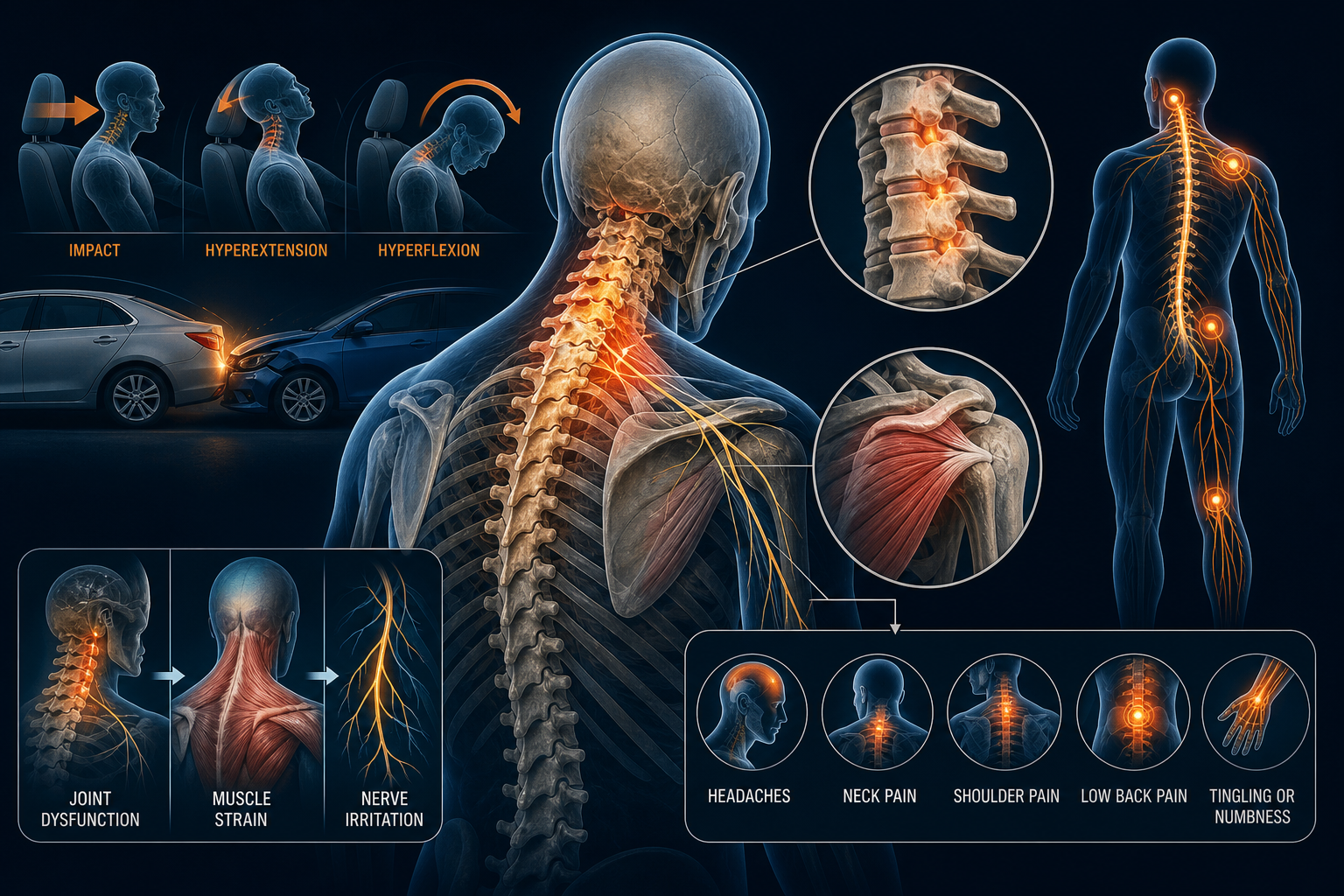
Every crash is different, and symptoms can vary based on impact direction, seat position, prior injuries, and overall health. You should consider being evaluated if you have new or worsening pain, stiffness, weakness, numbness, headaches, dizziness, or difficulty with normal movement after a collision.
Neck Pain and Whiplash Symptoms
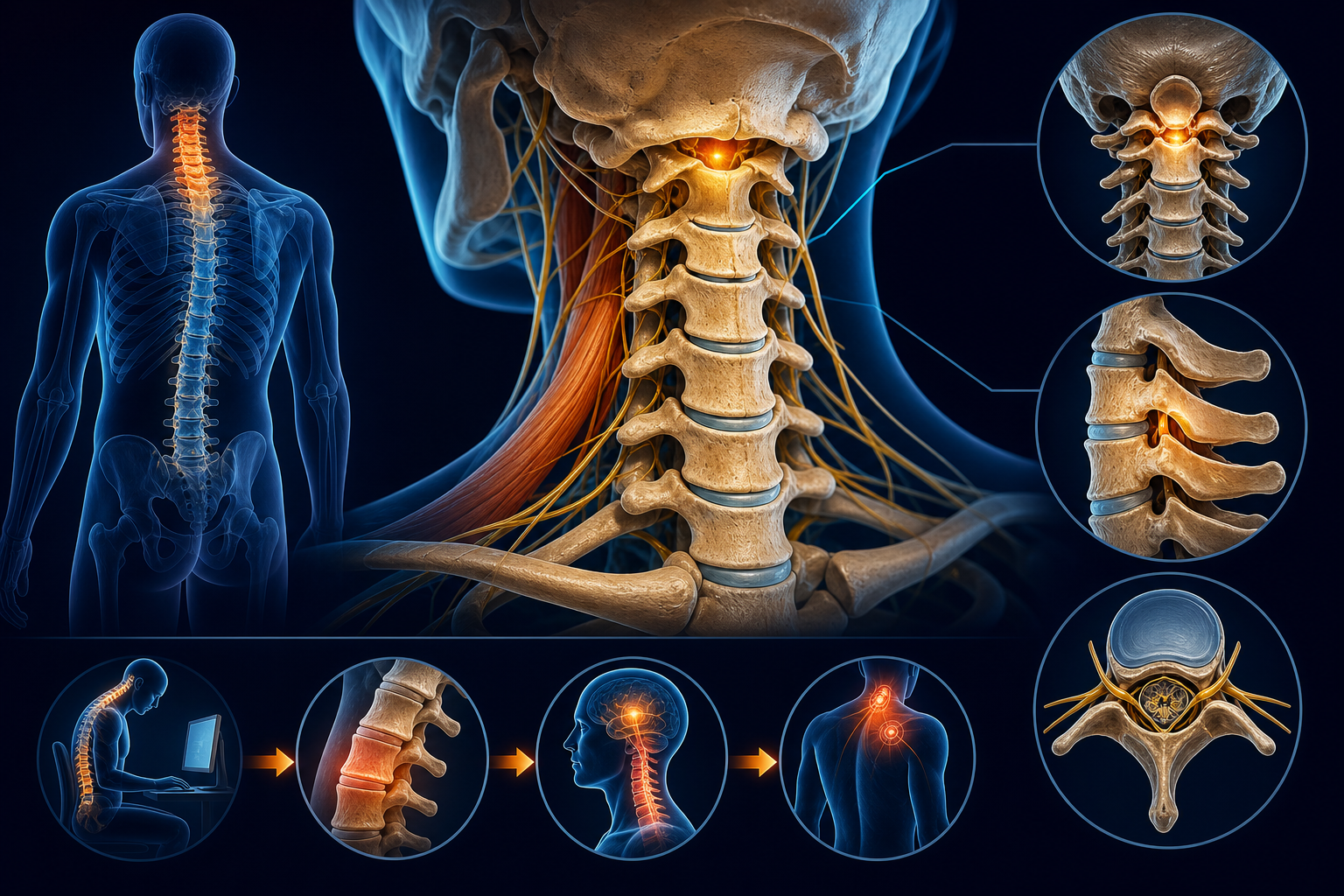
Many searches for physical therapy for whiplash near me begin after someone notices that they cannot comfortably look over their shoulder, turn their head while driving, or sleep without neck pain. Whiplash is a term often used for neck symptoms after a rapid back-and-forth motion. It may involve muscles, ligaments, joints, and irritated nerves. Whiplash treatment without surgery often includes gentle mobility work, posture training, progressive strengthening, and education about safe activity.
Back Pain When Driving After an Accident
Back pain when driving after accident-related trauma may come from irritated joints, strained muscles, disc-related sensitivity, or protective muscle guarding. Sitting, braking, turning, and checking mirrors can all stress the spine. A physical therapist may assess spinal mobility, hip motion, core control, and how your driving posture affects your symptoms.
Shoulder Pain After a Crash
Treatment for car accident shoulder pain may address seatbelt-related soreness, rotator cuff irritation, limited shoulder motion, neck-related referral pain, or upper back stiffness. Physical therapy may include range-of-motion exercises, shoulder blade strengthening, soft tissue techniques, and gradual return to reaching or lifting.
When to See a Provider After an Auto Injury
It is reasonable to seek a medical evaluation after a collision if symptoms are new, persistent, or affecting daily life. Seek urgent medical attention right away for severe pain, loss of consciousness, chest pain, shortness of breath, new weakness, loss of bowel or bladder control, worsening neurological symptoms, or any symptom that feels alarming. For non-emergency pain and stiffness, a physical therapist or other qualified provider can help determine whether conservative rehabilitation may be appropriate.
You should also consider scheduling care if you cannot turn your neck after a car accident, have increasing pain after a few days, struggle to work or drive, or notice that over-the-counter self-care is not enough. Early evaluation may help identify limitations before they become harder to manage.
What to Expect at Injury Physical Therapy
If you are wondering what to expect at injury physical therapy, the first visit usually includes a detailed history and physical exam. Your therapist may ask about the crash, when symptoms began, what movements worsen or ease symptoms, your job duties, sleep problems, driving tolerance, and prior injuries. They may measure range of motion, strength, balance, posture, joint mobility, nerve-related symptoms, and functional tasks.
Your treatment plan may include several conservative approaches:
- Education: guidance on safe movement, pacing, posture, sleep positions, and activity modification.
- Manual therapy: hands-on techniques that may help improve mobility and reduce muscle guarding in some patients.
- Therapeutic exercise: gentle mobility work followed by progressive strengthening and endurance training.
- Neuromuscular retraining: exercises to improve coordination, posture, balance, and control after pain has changed your movement habits.
- Return-to-activity planning: gradual progression toward driving, work tasks, household chores, exercise, and other goals.
Your provider should explain the purpose of each treatment and adjust your plan if symptoms flare. Progress is often measured by function, not just pain scores: turning your head more comfortably, sitting longer, lifting safely, sleeping better, or tolerating a full workday.
How Long Does Whiplash Recovery Take?
Patients often ask, how long does whiplash recovery take? Recovery time varies widely. Some mild symptoms improve within days or weeks, while more persistent cases may take longer and require structured rehabilitation. Factors such as injury severity, prior neck pain, stress, sleep quality, job demands, and consistency with home exercises may influence recovery.
A good therapist should avoid promising a fixed timeline. Instead, they can monitor your progress over time, update goals, and communicate when symptoms are not responding as expected. If your symptoms worsen or do not improve, they may recommend follow-up with an appropriate medical provider for further evaluation.
Physical Therapy vs Chiropractic After an Accident
Many patients compare physical therapy vs chiropractic after accident care. Both may be used in conservative recovery, but they are not identical. Physical therapy typically emphasizes rehabilitation through movement assessment, exercise progression, functional strengthening, and education. Chiropractic care often focuses on spinal and joint mobility, including adjustments or mobilization when appropriate.
Some patients benefit from one approach, and some may receive coordinated care from more than one provider. The best option depends on your symptoms, exam findings, comfort level, and goals. You can learn more about physical therapy treatment options and compare them with chiropractic care to better understand which type of provider may fit your needs.
Medical Documentation for Auto Injury Therapy
Clear medical documentation for auto injury therapy matters because it creates an organized record of your condition and care. Documentation may include your symptom history, objective exam findings, diagnosis codes used by the provider, treatment plan, visit notes, functional limitations, missed activities, response to care, and progress over time.
This documentation may be requested by insurance carriers, referring clinicians, or attorneys when applicable. It is not a guarantee of any coverage decision or legal outcome, and rules can vary by policy and jurisdiction. From a healthcare standpoint, good records also help your therapy team understand what is improving, what still needs attention, and whether the care plan should change.
How to Find the Best Physical Therapy for Auto Injuries Near Me
The “best” clinic is not always the closest clinic. Look for a provider who regularly evaluates crash-related pain, explains findings clearly, creates individualized plans, and tracks functional progress. A good fit should make you feel heard without making unrealistic promises.
When comparing options, consider these questions:
- Does the clinic treat neck, back, shoulder, and whiplash-associated symptoms after auto accidents?
- Will the therapist perform a full evaluation before starting treatment?
- Does the plan include home exercises and measurable functional goals?
- Can the office provide organized visit notes and progress documentation?
- Is the location convenient enough for consistent attendance?
You can start by searching Medximity for physical therapy providers near you. If you are also considering spinal care, you can compare local chiropractors near you and review provider profiles before requesting an appointment.
Questions to Ask Before Your First Visit
Before scheduling, ask whether the clinic commonly treats auto injury patients, what you should bring, and whether they accept your insurance or provide self-pay information. Helpful items may include a photo ID, insurance details, referral if required, imaging reports if you have them, a medication list, and notes about your symptoms.
You may also want to write down when your pain started, what activities are limited, and any changes in sleep, driving, work, or exercise. The more specific your history is, the easier it may be for your therapist to build a safe starting point.
FAQ: Physical Therapy for Auto Injuries
Should I go to physical therapy if my pain started a day or two after the accident?
Delayed soreness can happen after a crash. If pain, stiffness, headaches, or movement limits persist or affect daily activities, a qualified provider can evaluate you and discuss whether physical therapy may help.
Can physical therapy help if I cannot turn my neck after a car accident?
Physical therapy may help improve neck mobility in many cases, depending on the cause of the limitation. A therapist can assess your range of motion, screen for concerning symptoms, and start with gentle strategies when appropriate.
Is whiplash treatment without surgery possible?
Many whiplash-associated symptoms are managed conservatively with education, activity modification, exercise, and manual therapy when appropriate. Some cases need additional medical evaluation, especially if symptoms are severe, worsening, or neurological.
How many visits will I need?
The number of visits varies by injury severity, goals, response to treatment, and consistency with home exercises. Your therapist should reassess progress and update the plan rather than giving a guaranteed timeline.
What if I have both neck pain and back pain?
It is common for more than one area to hurt after a collision. Your therapist can prioritize the most limiting symptoms first while building a plan that addresses the whole movement pattern.
Find Auto Injury Rehab Near You
If you are looking for the best physical therapy for auto injuries near me, focus on timely evaluation, individualized treatment, and clear communication. A local physical therapist can help you understand your symptoms, start a conservative recovery plan, and document your progress. Use Medximity to compare nearby providers and find care that fits your needs after an accident.