Does Health Net Cover Auto Accident Treatment? What Patients Need to Know
The short answer is: Health Net may cover some medically necessary auto accident treatment, but only according to the patient’s specific plan terms, network rules, referral requirements, prior authorization rules, and coordination with other insurance. A car crash does not automatically make treatment covered or excluded. Patients should verify current benefits with Health Net, their treatment provider, and, when needed, a qualified insurance or legal professional.
This guide explains practical issues patients often face after a crash, including Health Net auto accident medical bills, accident questionnaires, MedPay or PIP, denied claims, and documents to keep after car accident treatment.
Short Answer: Health Net May Cover Some Auto Accident Treatment, but Coverage Depends on the Plan
If you are asking, does Health Net cover car accident treatment, the most accurate answer is that coverage may vary. Health plans generally evaluate claims based on plan benefits, medical necessity, provider participation, required referrals, prior authorization, exclusions, coordination of benefits, and billing documentation. The fact that pain or injury began after a crash is only one part of the review.
A patient with a Health Net HMO, PPO, employer plan, individual plan, Medicare-related plan, Medicaid-related plan, or other product may face different requirements. Even plans with similar names can have different networks and benefit rules depending on the state, employer group, effective date, and policy language. Use the phone number on the member ID card and ask Health Net to confirm current requirements for your specific plan.
Why Auto Accident Medical Bills Can Be Complicated
Health Net auto accident medical bills can become complicated because more than one payer may be involved. A provider may ask whether the injury is related to an auto crash, whether another driver was at fault, whether you have auto insurance medical benefits, and whether there is an attorney or injury claim. These questions can affect billing order, documentation, and possible reimbursement rights.
For example, a health plan may request accident details before processing claims. An auto insurer may request bills, medical records, or proof of treatment. A provider may have different billing procedures for health insurance, auto insurance, liens, self-pay, or attorney-related claims. None of these possibilities means coverage is guaranteed or denied; they show why early verification matters.
Key Factors That May Affect Health Net Coverage After a Car Accident
Health Net coverage after a car accident may depend on several plan-specific and case-specific factors:
- Provider network status: In-network and out-of-network benefits may differ. Some plans may require participating providers except in limited circumstances.
- Medical necessity: The plan may require documentation showing that treatment is reasonable and related to a covered condition.
- Referrals: Some plans may require a primary care referral before specialty care, physical therapy, chiropractic care, imaging, or other services.
- Prior authorization: Certain services may require approval before treatment, depending on the plan.
- Benefit category: Emergency care, primary care, specialist visits, chiropractic services, rehabilitation, imaging, prescriptions, and durable medical equipment may be reviewed under different rules.
- Other available insurance: MedPay, PIP, workers’ compensation, liability insurance, or another payer may affect claim handling.
- Accident documentation: Health Net or a claims administrator may ask for details about how the injury occurred.
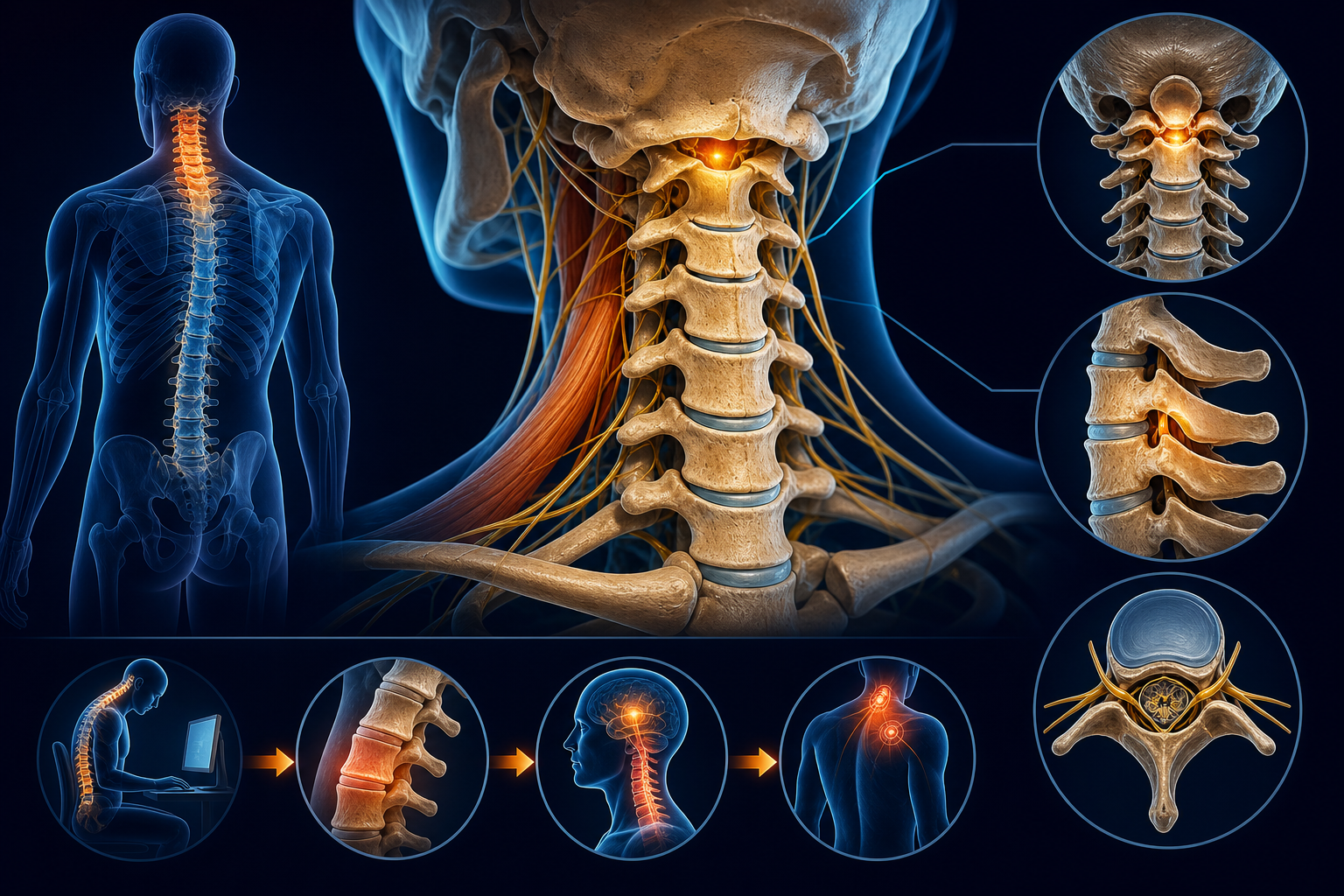
Patients with head pain, neck pain, back pain, dizziness, or neurological symptoms after a collision should seek appropriate medical evaluation. Medximity also has general educational resources on related symptoms, including Do I Have A Concussion? | What Should I Do Next?, What is a Common Head Pain?, and Where Does Lower Back Pain Actually Come From?.
How Auto Insurance, MedPay, PIP, and Health Insurance May Interact
Patients often search for MedPay PIP and health insurance after accident because it is not always clear which payer should receive the bill first. MedPay, sometimes called medical payments coverage, and PIP, often called personal injury protection, are auto insurance benefits that may help pay accident-related medical expenses if available under the policy. Availability, order of payment, and benefit rules vary by state, policy, and accident facts.
Health insurance may still play a role, but the health plan may ask whether an auto insurer, another driver’s insurer, or another third party may be responsible. In some situations, a health plan or administrator may later seek reimbursement from a settlement or another payer. Terms such as coordination of benefits, third-party liability, reimbursement, and subrogation may appear in correspondence. Their meaning and effect depend on plan documents and applicable law.
Treatment Types Patients Often Ask About After an Auto Accident
Common post-crash treatment questions involve emergency care, urgent care, primary care, imaging, orthopedic care, neurology, chiropractic care, physical therapy, pain management, prescriptions, and follow-up visits. Coverage for any specific service depends on the plan and medical facts. A provider recommendation does not automatically mean the plan will pay for it, and a service requiring review does not automatically mean it will be denied.
Some accident-related symptoms may overlap with conditions patients already had before the crash. Providers may need to document the diagnosis, treatment plan, medical necessity, and whether symptoms are new, worsened, or continuing. Patients exploring musculoskeletal care may find Medximity’s general articles on What Can Be Done for Sciatic Pain? and What is an Upper Cervical Subluxation? useful for background education.
Prior Authorization, Referrals, and Medical Necessity Requirements
Health Net prior authorization after car accident is an important issue to verify before starting non-emergency treatment or continuing a care plan. Prior authorization rules can apply differently depending on the plan, service, provider type, location, and timing. Referrals may also be required for certain plan designs.
Ask Health Net whether the proposed service requires prior authorization, whether the provider must submit it, how long review may take, what records are needed, and what happens if care has already started. Also ask whether approval confirms only medical review or whether other benefit rules still apply. Authorization is not always a final payment guarantee, so request written or reference-number documentation when possible.
What to Ask Health Net Before Starting or Continuing Treatment
Use these questions to ask Health Net after accident treatment is recommended:
- Is my current plan active, and what benefits may apply to accident-related care?
- Is this doctor, chiropractor, physical therapist, imaging center, or facility in network?
- Do I need a referral from my primary care provider?
- Does this service require prior authorization, pre-certification, or utilization review?
- Are there limits, visit management rules, or documentation requirements that I should know about?
- How should claims be submitted if the injury came from a car accident?
- Do you need an accident questionnaire or third-party liability form?
- How do MedPay, PIP, or another auto insurer affect claim processing?
- If a claim is denied, what appeal or review options may be available under my plan?
When you call, write down the date, time, representative name if available, call reference number, and exact answers. If the issue is significant, ask whether the information can be confirmed in writing or through the member portal.
What to Ask Your Doctor, Chiropractor, Physical Therapist, or Treatment Provider
Patients should also ask the treating office how billing will be handled. The phrase doctor billing Health Net auto accident claim can involve different office procedures, so do not assume every provider bills the same way.
- Do you accept my specific Health Net plan?
- Will you bill Health Net, auto insurance, both, or neither?
- Will you verify benefits before treatment?
- Who obtains prior authorization or referrals if required?
- How will accident-related diagnosis codes and records be documented?
- What charges could I be responsible for if Health Net denies or partially pays the claim?
- Do you provide itemized bills and treatment records if requested by an insurer or attorney?
Clear billing communication helps prevent surprises and supports accurate records if Health Net or another payer requests more information.
Documents Patients Should Keep After an Accident
The documents to keep after car accident treatment include both medical and insurance records. Keep copies of your Health Net ID card, auto insurance declarations page if available, accident report information, claim numbers, correspondence from insurers, accident questionnaires, referral forms, authorization notices, explanations of benefits, bills, receipts, prescriptions, imaging orders, discharge instructions, and treatment records.
Also keep a simple timeline of symptoms, appointments, missed work or activity limitations, and calls with insurers. This is not a substitute for legal advice, but organized records can help patients, providers, insurers, and attorneys understand what happened and what has been billed.
What Happens if Health Net Sends an Accident Questionnaire
If you are searching Health Net accident questionnaire what to do, the safest general approach is to respond carefully, accurately, and promptly based on the instructions provided. Accident questionnaires often ask when and where the injury occurred, whether another party was involved, whether you have auto insurance benefits, and whether there is a claim or attorney.
Do not ignore the form. Missing information can delay claim processing. Do not guess or exaggerate. If you do not understand a question, call the number on the form or ask a qualified professional for help. Keep a copy of the completed questionnaire and proof of submission. If you have an attorney, ask whether the attorney should review the form before you send it.
Denied or Delayed Claims: Practical Next Steps
A Health Net denied claim car accident treatment issue does not always mean the bill is final or correct. Claims may be delayed or denied for missing accident information, lack of referral, no prior authorization, out-of-network billing, coding questions, medical necessity review, coordination of benefits, or plan limitations. The exact reason should appear on the explanation of benefits or denial notice.
Start by reading the denial reason, then call Health Net and the provider’s billing office. Ask what information is missing, whether the claim can be corrected or resubmitted, whether medical records are needed, and what review or appeal options may exist. Appeal procedures and deadlines vary by plan and law, so verify current requirements from the plan documents or notice. Keep copies of everything submitted.
When to Contact an Attorney, Insurance Representative, or Billing Professional
Consider getting help when multiple insurers are involved, bills are large, claims are denied, an accident questionnaire raises concerns, another driver may be responsible, or you receive letters about reimbursement, liens, or subrogation. A provider billing specialist may help with coding, claim submission, and documentation. An insurance representative may explain auto policy benefits such as MedPay or PIP. A qualified attorney may advise on injury claims, settlement issues, reimbursement demands, or jurisdiction-specific legal rights.
Searches such as car accident attorney health insurance billing help or Health Net car accident treatment lawyer consultation usually come from patients who are unsure how medical bills affect a potential injury claim. Legal rules vary by jurisdiction and case facts. This article does not provide legal advice, but it is reasonable to consult a qualified professional before signing releases, ignoring reimbursement letters, or assuming a settlement will resolve every bill.
Frequently Asked Questions About Health Net and Auto Accident Treatment
Does Health Net automatically pay for car accident treatment?
No. Health Net may process accident-related care under the applicable plan, but payment depends on plan terms, eligibility, network status, medical necessity, referrals, authorization, billing documentation, and coordination with other insurance.
Can I use Health Net if I also have MedPay or PIP?
Possibly, but the order and method of payment vary by policy, plan, and jurisdiction. Ask Health Net and your auto insurer how MedPay, PIP, and health insurance after accident claims should be coordinated.
What if my provider says Health Net will not bill for auto accident claims?
Provider billing policies vary. Ask whether the provider is in network, whether they bill Health Net for accident-related care, whether they require auto insurance information, and what financial responsibility you may have if a claim is denied.
Can Health Net ask for repayment from a settlement?
Some health plans or administrators may assert reimbursement or subrogation rights in certain situations, subject to plan terms and applicable law. Do not assume whether this applies to your case. Review plan documents and consult a qualified professional if needed.
What should I do before my first non-emergency appointment?
Verify benefits, network status, referral requirements, prior authorization rules, accident questionnaire requirements, and billing procedures. Keep a record of the call and ask the provider’s office to confirm how claims will be submitted.
General Information Disclaimer
This article is general informational material for public education. It is not individualized legal advice, medical advice, a coverage determination, or a guarantee of benefits, authorization, reimbursement, settlement, or outcome. Health Net coverage, auto insurance benefits, billing rules, appeal rights, reimbursement rights, and legal obligations may vary by plan, payer, jurisdiction, effective date, and individual circumstances. Patients should review current plan documents, contact Health Net using the number on the member ID card, and consult qualified medical, insurance, billing, or legal professionals for case-specific guidance.