What to Know When Searching for Chiropractors in Carson, CA
If you are comparing chiropractors in Carson CA, start with your main reason for care: pain relief, mobility, recovery after an accident, posture concerns, or ongoing conservative support. A good search is not only about finding the closest office. It is about finding a licensed clinician who evaluates your condition carefully, explains options clearly, and recognizes when referral or urgent medical care is needed.
Many patients begin with searches such as chiropractors in Carson CA near me. Location matters, especially if pain makes travel difficult, but convenience should be balanced with clinical fit. Review the clinic’s services, appointment availability, communication style, and whether the office works with your insurance or payment preferences.
Common Reasons Patients Consider Chiropractic Care
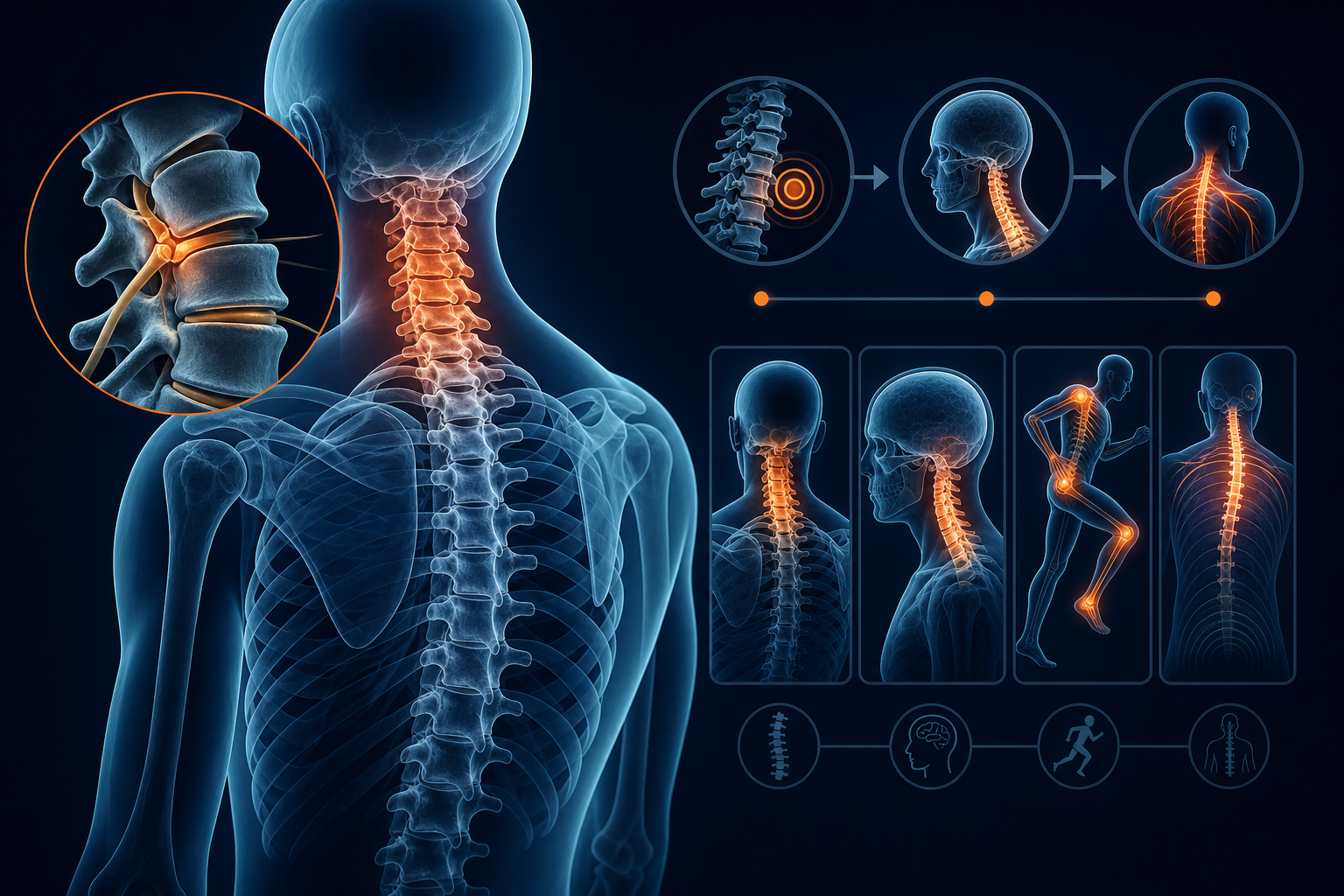
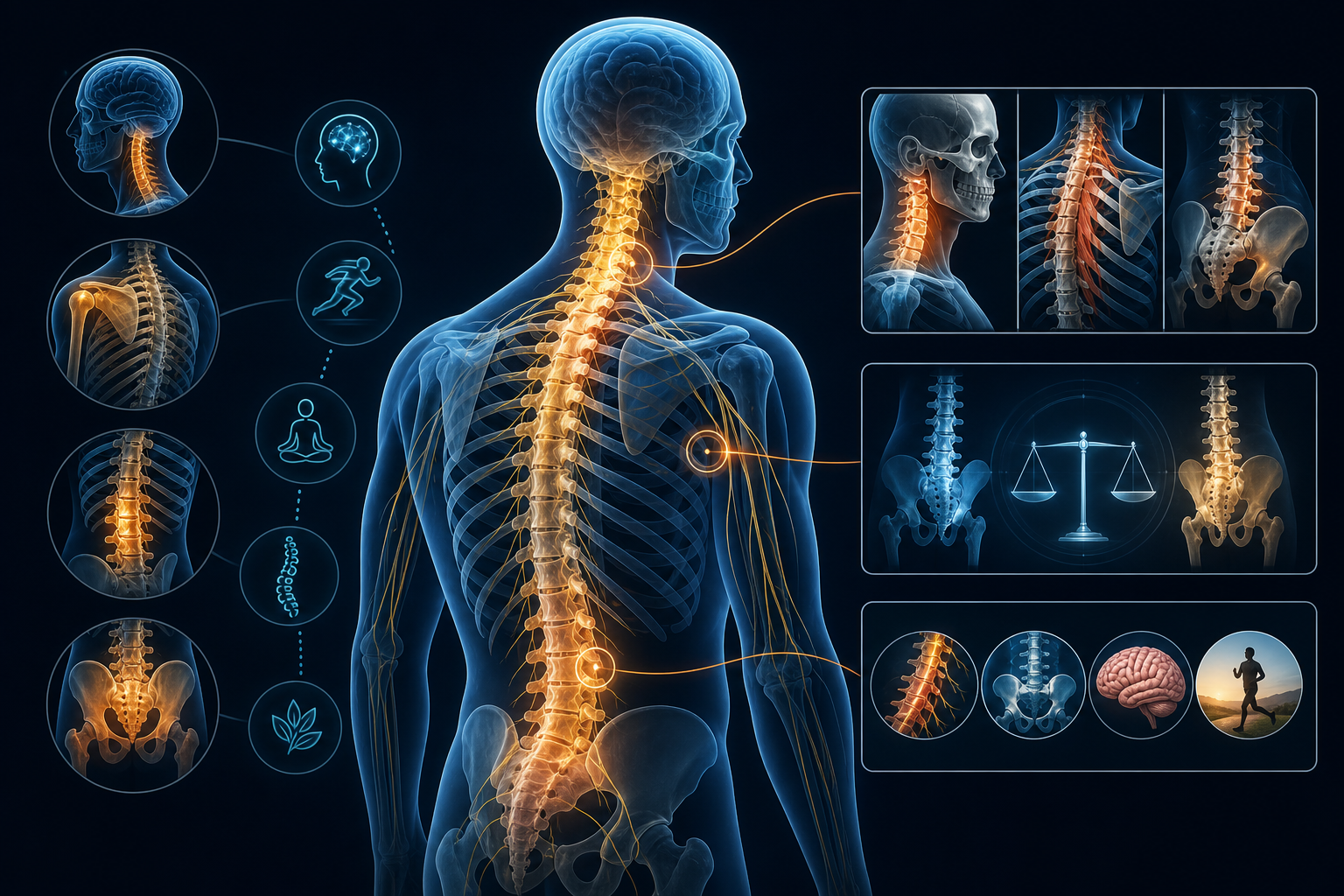
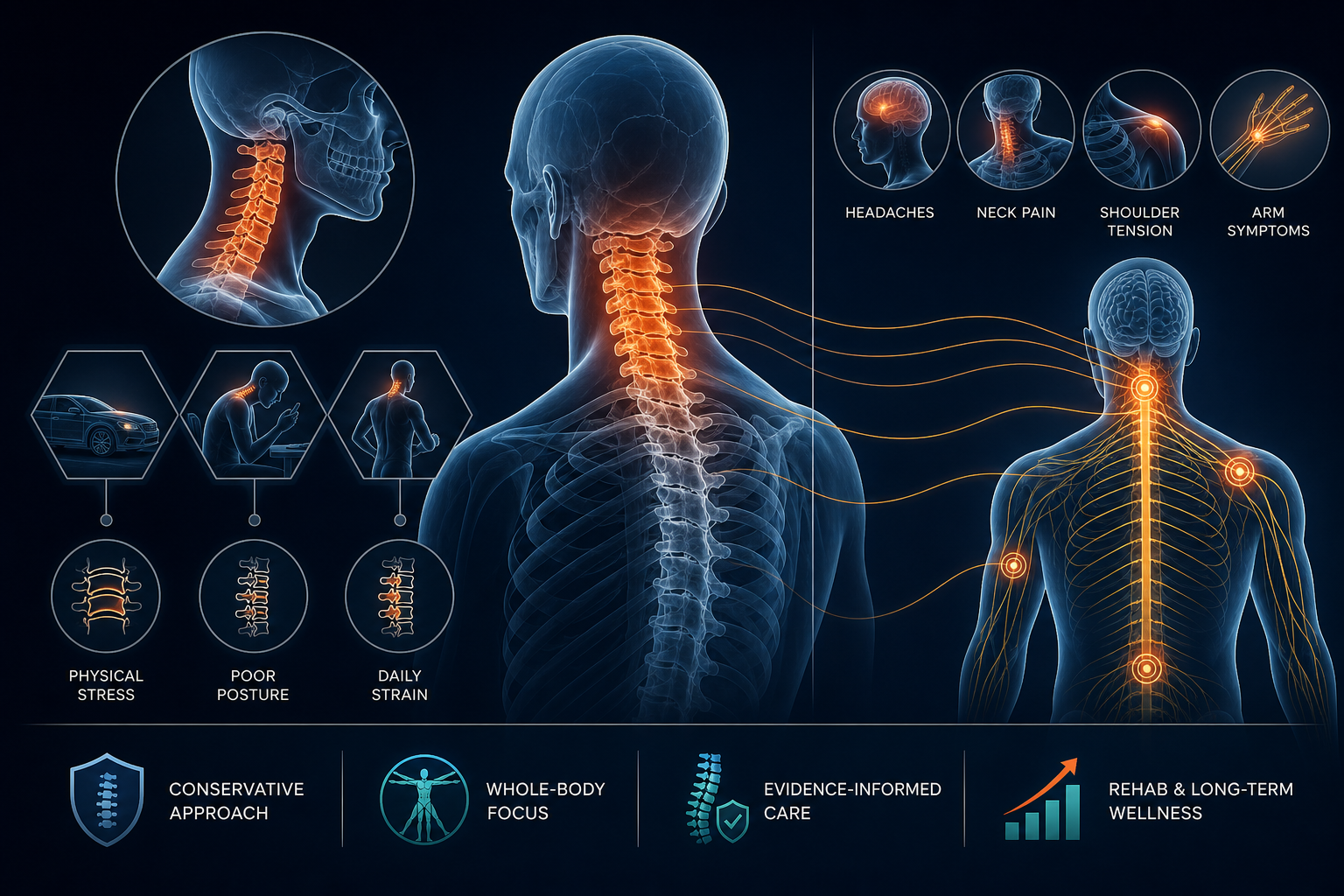
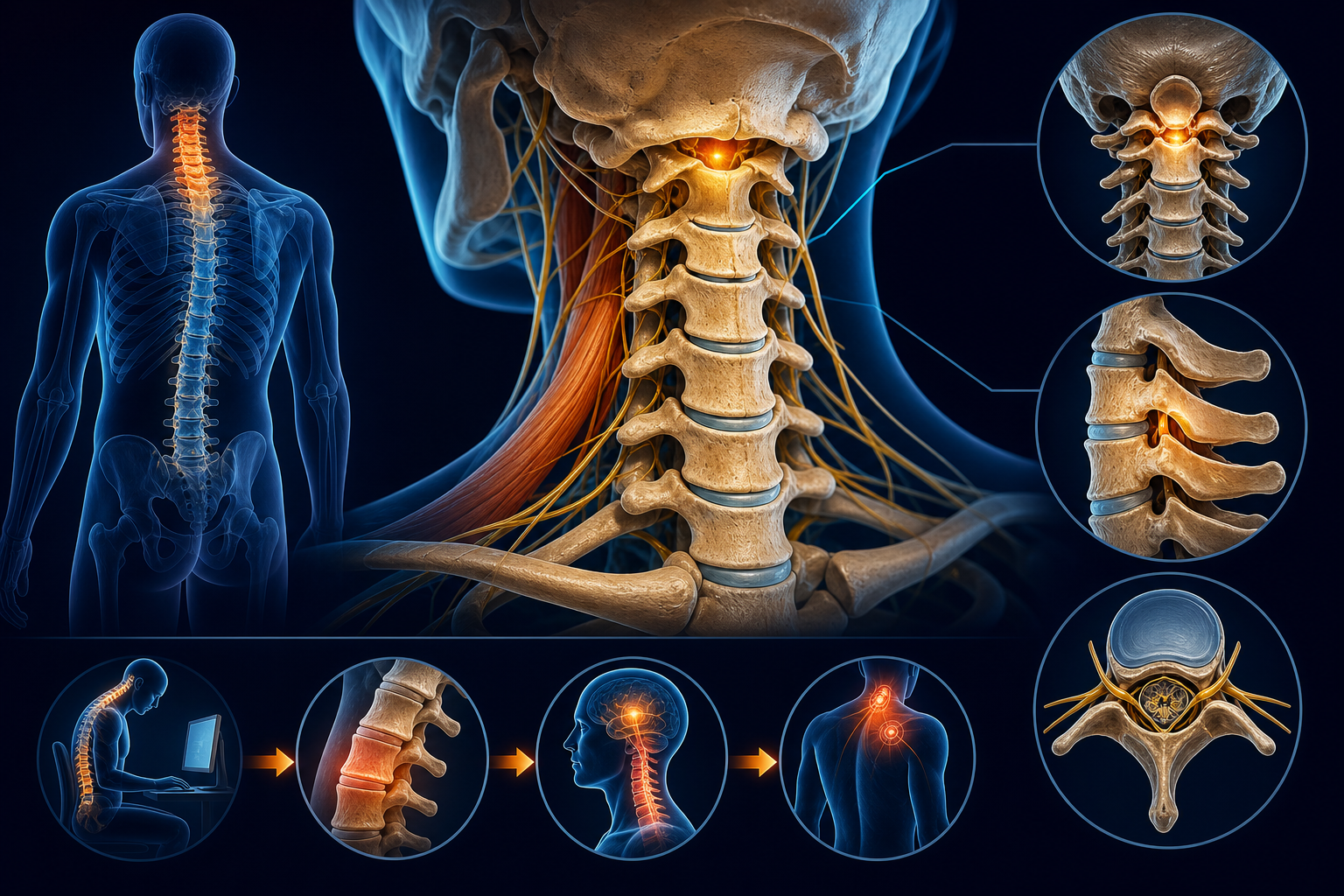
People often look for a Carson chiropractor for neck pain, back pain, stiffness, headaches related to neck tension, or reduced range of motion. Others seek care after a sudden strain, prolonged sitting, lifting injury, or auto accident. Chiropractic care focuses on the musculoskeletal system, including the spine, joints, muscles, and soft tissues.
Patients searching for a Carson chiropractor for back pain should expect questions about symptom location, severity, triggers, prior episodes, and signs that may require medical referral. Low back pain guidelines from the American College of Physicians and the National Institute for Health and Care Excellence include noninvasive approaches, such as exercise-based care and spinal manipulation, as options in appropriate circumstances. The right plan depends on the patient’s history, examination findings, preferences, and medical risks.
For related patient education, Medximity offers information about why neck injuries should be taken seriously.
Conservative Services a Carson Chiropractor May Offer
Chiropractic services in Carson California vary by office. Common conservative services can include chiropractic evaluation, spinal manipulation or adjustments, joint mobilization, stretching, therapeutic exercise, soft-tissue techniques, posture or ergonomic guidance, and home-care education. Some offices may coordinate with other healthcare professionals when imaging, medication review, physical therapy, orthopedic evaluation, or additional medical assessment is appropriate.
Not every patient receives the same treatment. A chiropractor should first determine whether conservative chiropractic care is suitable. If symptoms suggest nerve involvement, fracture risk, serious illness, or another condition outside the scope of chiropractic care, the provider should discuss referral or urgent evaluation as needed.
How to Choose a Chiropractor in Carson
If you are wondering how to choose a Carson chiropractor, consider practical and clinical factors together. Useful points include licensure, experience with your type of concern, clear communication, office accessibility, scheduling, and whether the provider explains risks, benefits, and alternatives before treatment.
Look for an office that takes a complete history rather than moving directly to treatment. The chiropractor should ask about past injuries, surgeries, medications, medical conditions, and symptoms such as numbness, weakness, fever, unexplained weight loss, or changes in bowel or bladder control. For additional context, Medximity’s article on when leg numbness may be concerning may be helpful.
Online reviews can describe patient experience, but they should not replace clinical judgment. A highly rated office still needs to fit your symptoms, goals, and safety needs.
What to Expect at an Initial Chiropractic Visit
Patients often search for what to expect at chiropractor visit before scheduling. A first appointment commonly includes intake paperwork, a health history, and questions about current symptoms. The chiropractor may ask when symptoms began, what makes them better or worse, whether pain travels into the arms or legs, and whether you have had imaging or prior treatment.
The physical assessment may include posture observation, range-of-motion testing, orthopedic or neurologic screening, palpation, and functional movement checks. Based on the findings, the chiropractor may discuss possible causes and conservative care options. Treatment may or may not begin at the first visit, depending on the office, your condition, and whether further evaluation is needed.
You should be able to ask questions and understand the proposed plan. Be cautious with any setting that promises a guaranteed cure, pressures you into long prepaid plans without adequate explanation, or minimizes severe or unusual symptoms.
Chiropractic Care After an Auto Accident or Personal Injury
Many people seek chiropractic care after car accident Carson because soreness, stiffness, or reduced mobility can appear after a collision. A chiropractor may evaluate musculoskeletal complaints such as neck pain, back pain, whiplash-associated discomfort, or soft-tissue strain when symptoms are appropriate for conservative assessment.
After an accident, provide details such as the date of injury, how the collision occurred, seatbelt use, airbag deployment, immediate and delayed symptoms, emergency care received, and any imaging or medical records. This helps the clinician understand the mechanism of injury and decide whether chiropractic care, referral, or additional evaluation is appropriate.
Personal injury situations can involve documentation needs, but the first focus should be clinical evaluation and patient safety. Legal or insurance questions should be directed to the appropriate professional or plan representative.
Questions to Ask Before Scheduling an Appointment
Preparing questions to ask a chiropractor can make the first call or visit more productive. Consider asking:
- Do you treat patients with symptoms similar to mine?
- What happens during the first visit?
- Do you accept my insurance, or what payment options are available?
- How do you decide whether adjustments, exercise, or referral are appropriate?
- What symptoms would make you recommend urgent medical evaluation?
- Will you coordinate with my primary care physician or other clinicians if needed?
- If my symptoms followed an accident, what records should I bring?
These questions help you evaluate communication style and whether the office uses an individualized approach.
When Symptoms May Need Urgent Medical Attention
Some symptoms should not wait for a routine chiropractic appointment. Seek urgent or emergency medical care for severe or worsening pain after trauma, loss of consciousness, chest pain, shortness of breath, signs of stroke, new weakness, loss of bowel or bladder control, saddle numbness, high fever with spinal pain, or significant head injury symptoms. These are examples of urgent symptoms after auto accident or sudden illness that may require immediate medical evaluation.
If you are unsure whether symptoms are urgent, it is safer to contact emergency services, an urgent care center, or another qualified medical resource for guidance. Chiropractic care is not a substitute for emergency evaluation when red-flag symptoms are present.
How to Prepare for Your First Visit
These first chiropractic appointment preparation tips can help your clinician understand your situation. Bring identification, insurance information, a list of medications and medical conditions, prior imaging reports if available, and details about recent injuries or accidents. Write down your symptoms, including where pain is located, what triggers it, what relieves it, and whether it travels into your arms or legs.
Wear comfortable clothing that allows movement for range-of-motion testing. Avoid self-adjusting your spine; Medximity explains why in its article on spine self-cracking and potential risks. Be honest about your history and goals so the chiropractor can discuss conservative options, when other care may be needed, and a plan that fits your situation.
FAQ
Do I need a referral to see a chiropractor in Carson, CA?
Referral requirements vary by insurance plan, clinic policy, and reason for care. Check with the chiropractic office and your health plan before scheduling.
Can a chiropractor help after a car accident?
A chiropractor may evaluate musculoskeletal symptoms after a car accident and discuss conservative care options when appropriate. Severe, worsening, or emergency symptoms should be evaluated immediately.
What should I bring to a first chiropractic appointment?
Helpful items include identification, insurance information, accident details if relevant, prior imaging or medical records, a symptom list, medication information, and questions about care options.