Does New Century Health - Simply Health Care Radiation Oncology Cover Personal Injury Treatment? What Patients Need to Know: usually, not in the way most people expect. If your care is related to a car crash, slip and fall, or other injury claim, treatment is often billed through auto coverage, liability coverage, or attorney-directed arrangements before standard health insurance is used. The exact answer depends on your plan, your state, the accident details, and whether the care is being treated as regular health benefits or as a personal injury claim.
The short version: radiation oncology utilization language does not usually match conservative injury care like chiropractic, PT, massage therapy, or rehabilitation. You need to verify the billing path before your first visit so you do not assume a health plan authorization applies to accident care when it may not.
Direct Answer: Does This Coverage Usually Apply to Personal Injury Treatment?
No, not automatically. When people ask, “does Simply Healthcare cover accident treatment,” they are often mixing two separate systems: health benefits and injury claim billing. A health plan may cover medically necessary care in general, but accident-related care may still need to be billed first to auto insurance, personal injury protection, medical payments coverage, or a third-party liability claim.
That distinction changes everything.
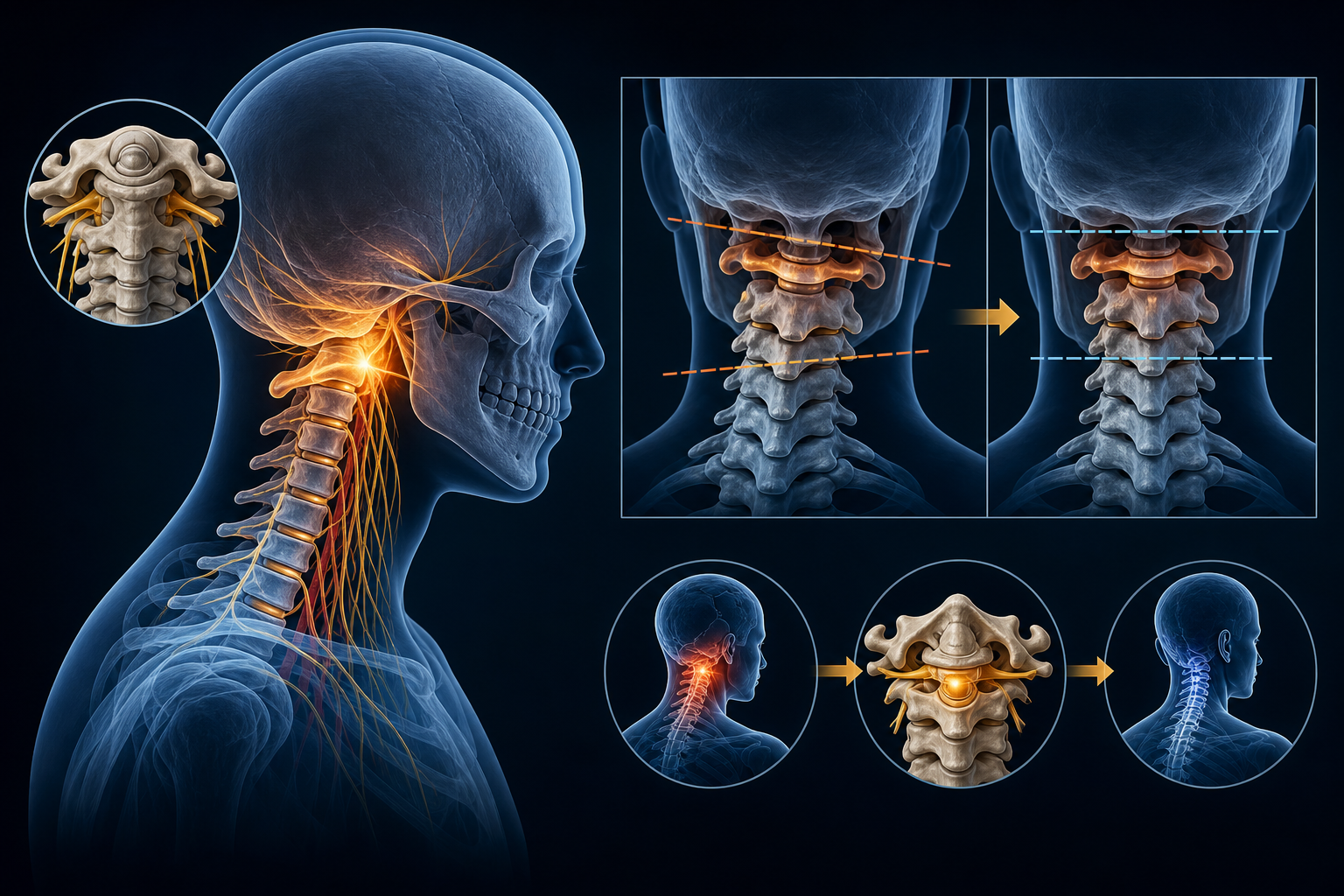
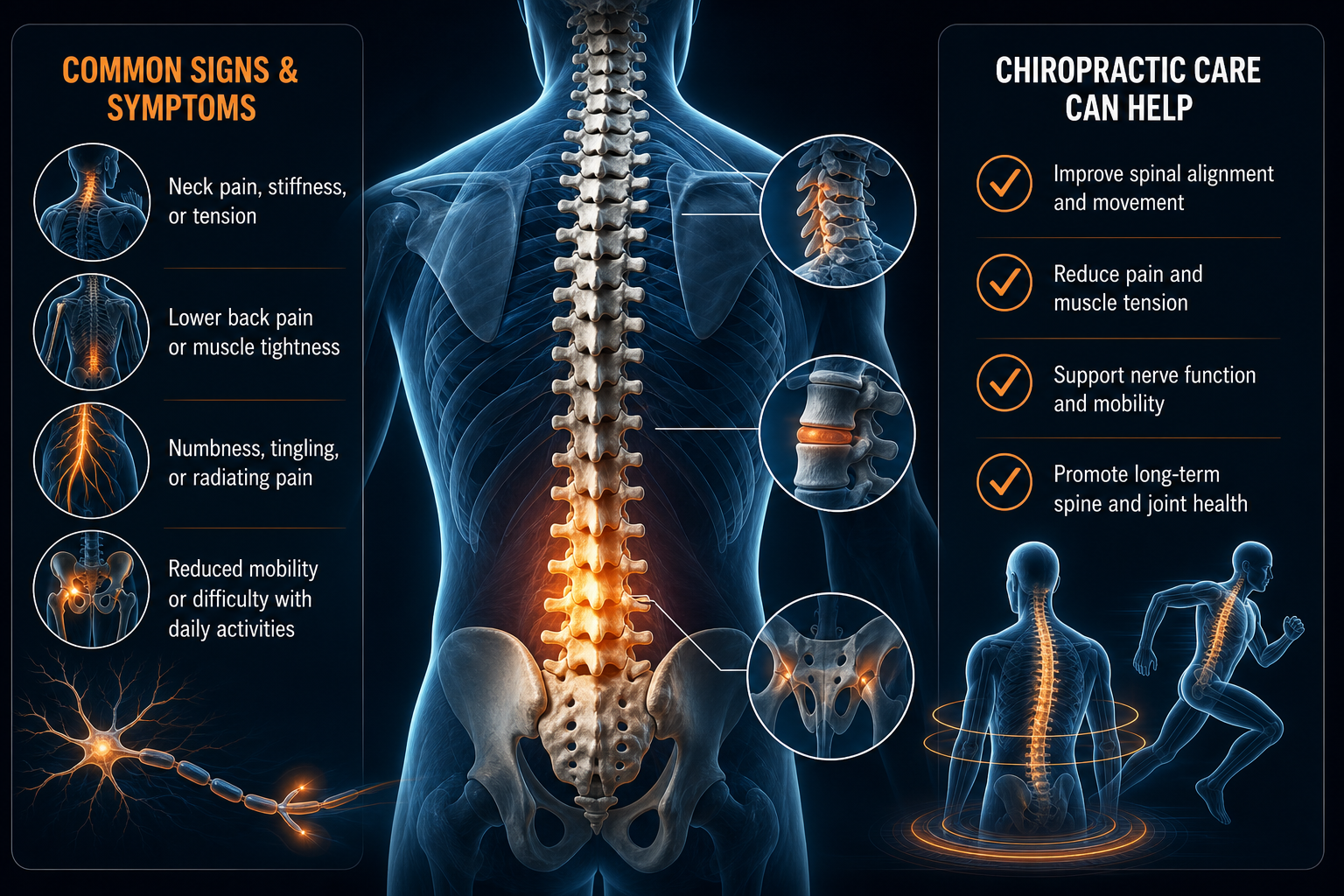
Conservative personal injury care commonly includes treatment for the cervical spine, lumbar spine, sacroiliac joint, rotator cuff, and TMJ after an accident. Common symptoms include headache, neck stiffness, low back pain, sciatica, dizziness, and reduced ROM. If you are dealing with neck-related head pain, see what is a common head pain. If the injury has triggered headache patterns, this article on migraines: what you might not know may also help.
- Health insurance claim: billed under your medical benefits, subject to network rules and plan terms.
- Personal injury claim: tied to an accident, fault rules, auto coverage, or liability coverage.
- Hybrid situation: one payer covers initially, then seeks reimbursement from another party later.
In many soft-tissue injuries, the first 2 to 6 weeks focus on restoring ROM, reducing muscle guarding in the upper trapezius and levator scapulae, and improving function. More involved lumbar or radicular cases often need 6 to 12 weeks of chiropractic or PT, depending on exam findings and claim approval.
What New Century Health and Simply Healthcare Generally Handle
New Century Health is generally known for utilization management and prior authorization workflows tied to specific service lines. Simply Healthcare is the payer or plan administrator patients usually recognize on their insurance card. Those are different roles, and patients often confuse them.
What each term usually means
- Payer/health plan: the company administering your medical benefits.
- Utilization management: review of whether a requested service fits plan rules.
- Prior authorization: advance approval for certain services before they are billed to health benefits.
- Network status: whether the provider has a contract with your plan.
Radiation oncology language usually refers to a narrow category of treatment review. It does not automatically describe the coverage rules for chiropractic, physical therapy, rehabilitation, massage therapy, or post-accident musculoskeletal care. If your injury involves the occiput-C1-C2 region, jaw mechanics, or nerve irritation into the arm or leg, the billing question is still about claim type first, not just diagnosis.
Coverage review and accident billing are not the same process. A plan can have authorization rules for one service line and still require accident-related care to follow a separate claims path.
If your symptoms include upper cervical dysfunction, you may want background on what an upper cervical subluxation is or how upper cervical care may help TMJ and TMD.
Why Is Personal Injury Treatment Billed Differently From Health Insurance?
Personal injury treatment billed to insurance is different because the payer wants to know whether another party is financially responsible for the injury. That is the main answer to “why accident claims are billed differently.” If your neck or back pain started after a crash, the claim may trigger coordination of benefits, accident questionnaires, or denials until the responsible coverage is identified.
Three terms cause the most confusion:
- No-fault: in some states, your own auto coverage may pay certain medical costs after a crash, regardless of fault.
- Lien: a provider may treat you now and seek payment later from settlement proceeds if allowed by state law and provider policy.
- Letter of protection: an attorney-directed payment arrangement, used in some injury cases, where payment may be deferred until the case resolves.
This is why a front desk may ask accident questions even if you have an active health plan card.
Typical low-grade cervical sprain or whiplash cases start with 2 to 3 visits per week for 2 to 4 weeks, then taper based on ROM, sleep tolerance, work tolerance, and headache frequency. Lumbar strain with sciatic symptoms may need 8 to 12 visits over 4 to 8 weeks if there is reduced hip mobility, positive nerve tension, or recurrent pain with sitting. For sciatica-specific education, review what can be done for sciatic pain.
Billing Path When It Commonly Applies What the Provider May Need Typical Timeline Health insurance Non-accident care or plans that allow accident-related billing after review Insurance card, referral or authorization if required Verification often same day to 3 business days Auto / no-fault / MedPay Motor vehicle collision Claim number, adjuster information, date of loss Often active early, but benefits can cap out quickly Attorney-directed / lien Liability case where payment is deferred Attorney contact, signed paperwork, accident details Payment may be delayed until claim resolution Self-pay Coverage unclear, denied, or not accepted by provider Financial agreement and care plan Starts immediately if the practice allowsWhy Radiation Oncology Language May Not Match Injury Care
Radiation oncology authorization for injury treatment is usually the wrong frame for conservative musculoskeletal care. If your actual treatment is spinal manipulation, therapeutic exercise, manual therapy, traction, neuromuscular re-education, or supervised rehab, a radiation oncology workflow may not tell you whether the claim will be paid.
Where the mismatch happens
- The plan language may reference a service category you are not receiving.
- The accident claim may override normal medical benefit processing.
- The treating provider may bill under injury-specific documentation rules.
For example, a whiplash case may involve the sternocleidomastoid, scalenes, suboccipitals, and facet joints. A low back injury may involve the multifidus, gluteus medius, and piriformis. Those are conservative rehab problems, not radiation oncology problems. Patients searching plan portals often see terms that do not match the actual care being prescribed.
That is why you should ask one direct question: “If my condition came from an accident, should this visit be billed to my health plan, an auto claim, or another injury arrangement?”
If upper cervical mechanics are part of the problem, these articles may help you understand the clinical side: headache doctor – upper cervical chiropractic care and upper cervical chiropractic and quality of life.
When Prior Authorization May or May Not Apply
Is prior authorization needed after car accident? Sometimes, but not always. The answer depends on which payer is actually responsible. New Century Health prior authorization injury care questions only matter if the service is being billed through a benefit plan that uses that authorization pathway.
Use this decision sequence:
- Identify whether the injury came from a motor vehicle crash, work event, slip and fall, or other liability event.
- Ask the provider which payer they plan to bill first.
- If they bill health insurance, ask whether prior authorization is required for chiropractic, PT, imaging, or rehab visits.
- If they bill auto or liability, ask whether authorization is replaced by claim acceptance, adjuster approval, or attorney paperwork.
Do not assume approval in one system transfers to the other.
Prior authorization approves a service under a benefit plan. It does not prove that the correct payer has been chosen for an accident claim.
Most uncomplicated cervical and lumbar sprain cases are re-evaluated within 2 to 4 weeks. If ROM, strength, and pain scores are not improving by then, the provider may update the diagnosis, request additional visits, or change the treatment frequency.
What Documents Are Needed Before Care Starts?
What documents are needed after accident depends on the billing path, but most practices ask for the same core items before the first visit. Getting these ready prevents delays.
Bring these to the first appointment
- Photo ID
- Health insurance card, if you plan to use health benefits
- Auto claim number, if there was a vehicle collision
- Adjuster name and phone number, if assigned
- Date, location, and brief mechanism of injury
- Attorney contact information, if you have representation
- Any prior imaging reports you already have
- A list of current symptoms by body region: neck, mid-back, low back, shoulder, jaw, headache, numbness, dizziness
Providers also need clinical details that affect the exam. Mention whether symptoms shoot below the knee, travel into the hand, worsen with coughing, or cause balance changes. Those patterns can point to nerve root irritation, vestibular involvement, or TMJ dysfunction rather than a simple muscle strain.
Seek urgent evaluation now if you have progressive arm or leg weakness, saddle numbness, new bowel or bladder changes, loss of consciousness, severe unremitting headache after trauma, chest pain, or shortness of breath. Those are red flags and should not wait for routine rehab scheduling.
How Do You Verify Coverage Before Your First Visit?
How to verify personal injury coverage is simple if you ask the right questions in the right order. Call both the provider and the payer before the visit. Ask them to identify the billing path, not just whether your plan is active.
- Tell the practice the injury date and accident type.
- Ask, “Do you accept personal injury cases billed through auto, liability, or attorney-directed arrangements?”
- Ask, “If you bill my health plan, will you verify network status and authorization before treatment?”
- Call the payer and ask, “Can health insurance pay after accident, or must another coverage be billed first?”
- Write down the representative name, date, and reference number.
Then confirm what the first visit includes. Many personal injury evaluations include orthopedic testing, neurologic screening, ROM measurement, posture assessment, and palpation of the paraspinals, quadratus lumborum, and scapular stabilizers. If you need a provider search, use find a personal injury chiropractor near you, browse providers, or explore more health topics.
At home, start a basic self-care routine unless your provider has told you otherwise:
- Walk for 5 to 10 minutes, 2 to 3 times daily, to reduce guarding.
- Perform chin tucks: 10 reps, hold 3 seconds, 2 sets, twice daily.
- Do gentle pelvic tilts: 10 reps, 2 sets, once or twice daily.
- Apply cold for 10 minutes after activity during the first few days if soreness spikes.
- Stop and seek reassessment if numbness, weakness, or radiating pain increases.
What If a Claim Is Denied or Marked Out of Network?
Out of network accident treatment claim denied is common when the payer says the wrong coverage was billed first or the provider does not participate with the plan. Denial does not always mean the care was unnecessary. It often means the billing route or documentation needs correction.
Start with the denial reason code. Then ask these questions:
- Was the claim denied because it is accident-related?
- Was the provider out of network for health benefits but still able to treat under a PI arrangement?
- Was prior authorization missing?
- Was coordination of benefits incomplete?
If the answer is unclear, ask the provider billing team to explain the next step in plain language: rebill, appeal, submit accident information, or switch to another payment arrangement. If you are receiving care without representation, ask specifically about personal injury treatment without attorney and what the practice requires for self-pay or direct auto billing.
Do not ignore a denial letter for 30 days and hope it fixes itself.
Most billing corrections have deadlines. The earlier you respond, the better the chance the claim can be redirected without interrupting care.
What to Do Next
Book with a provider who regularly handles personal injury cases, not just general wellness visits. That usually means a chiropractor, PT, rehabilitation provider, or multidisciplinary injury practice that knows how to document accident mechanism, objective findings, and functional loss.
At the first visit, expect:
- A history of the accident mechanism and symptom onset
- Exam of ROM, strength, reflexes, posture, and joint motion
- Assessment of the cervical spine, thoracic spine, lumbar spine, shoulders, and jaw if relevant
- A discussion of billing path before treatment begins
- A care plan with frequency, re-exam timing, and home exercise instructions
Ask three direct questions before you agree to care:
- Are you billing health insurance, auto coverage, liability, or an attorney-directed arrangement?
- Do I need prior authorization or claim acceptance before treatment starts?
- What happens if benefits end or the claim is denied?
Seek urgent care immediately for red-flag symptoms: worsening weakness, loss of balance, severe headache after trauma, bowel or bladder changes, or new numbness in the groin area. For routine musculoskeletal injury care, use find a chiropractor near you or find a physical therapist near you. If you are still comparing providers, browse providers and confirm that the practice accepts accident cases before your appointment.
FAQ: Personal Injury Billing and Coverage Confusion
Does Simply Healthcare cover accident treatment?
Sometimes, but not always as the first payer. If your condition is related to a crash or liability event, the claim may need to go through auto or injury-related coverage first.
Can health insurance pay after accident care starts?
Yes, in some cases. The payer may still require accident details, coordination of benefits, or proof that primary injury coverage was billed first.
Is prior authorization needed after car accident treatment is recommended?
Only if the service is being billed under a plan that requires it. If the care is being handled through auto or attorney-directed billing, the process may be different.
Why would a claim be denied as out of network?
The provider may not participate with your health plan, or the claim may have been sent to the wrong payer. Ask for the exact denial code and whether the bill can be corrected or redirected.
What if I want personal injury treatment without attorney involvement?
You can still receive care in many cases. Ask whether the practice accepts direct auto billing, self-pay, or another arrangement, and get the financial policy in writing before treatment starts.
When should I find a personal injury provider?
Find one as soon as possible after the accident if you have neck pain, back pain, headache, sciatica, jaw pain, dizziness, or reduced ROM. Early documentation often matters for both clinical tracking and clean billing.