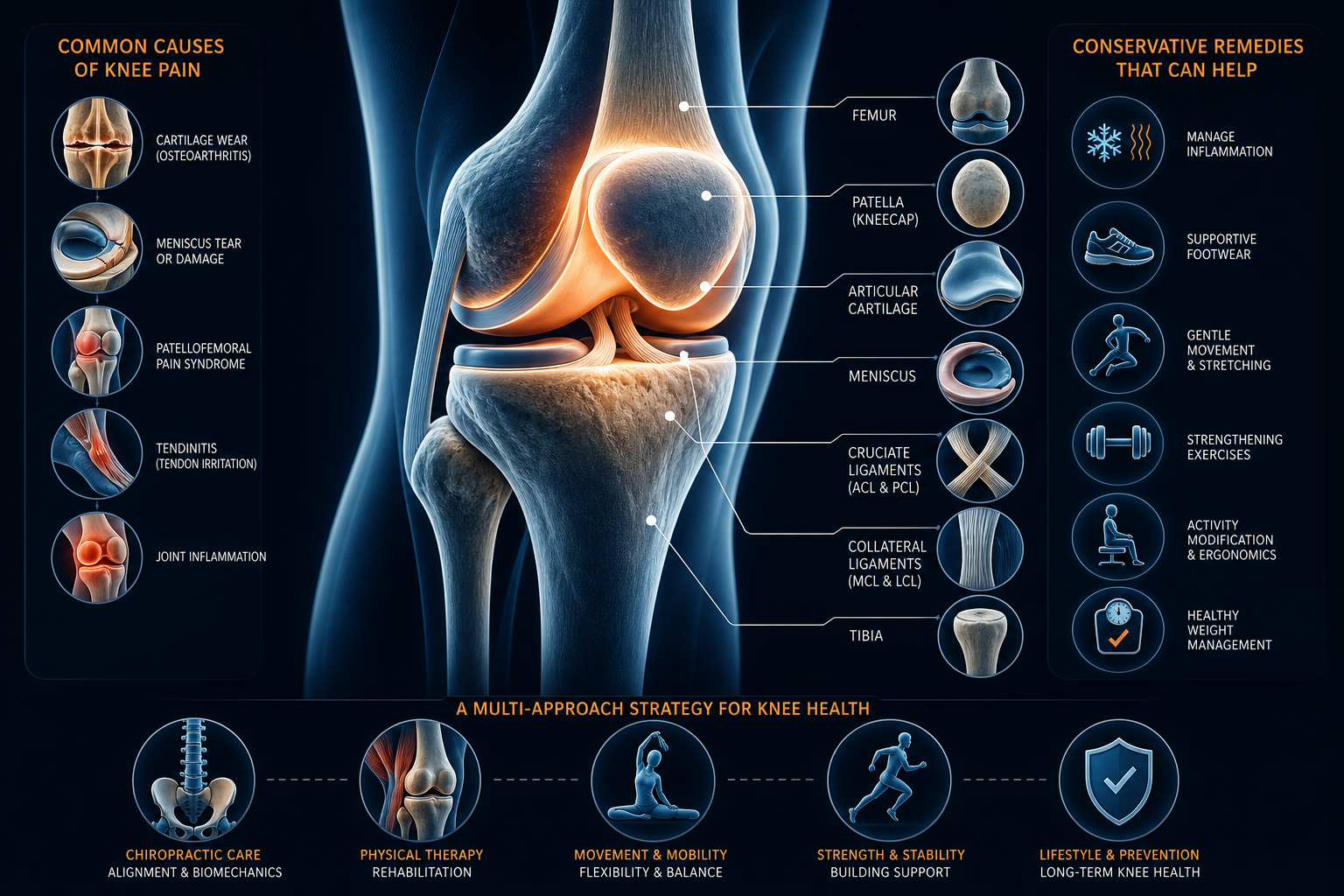
A cross-referral partnership between healthcare providers is a structured, two-way agreement where each practice sends appropriate patients to the other — and both sides track volume, communicate on outcomes, and actively maintain the relationship. Most referral "networks" fail because they are actually one-directional: one provider sends patients out and gets nothing back. Building a true bidirectional referral system between chiropractors, physical therapists, massage therapists, acupuncturists, and personal injury attorneys is the single highest-ROI growth strategy available to rehabilitation and wellness practices.
Why Most Referral Arrangements Fail (And What Two-Way Partnerships Actually Look Like)
The typical referral arrangement starts with a handshake at a networking event, a stack of business cards exchanged, and then — silence. Within 90 days, most of these arrangements produce zero patient flow. The reason is structural, not personal.
One-directional referrals create resentment. If a chiropractor sends 12 patients to a PT over six months and receives 1 back, the chiropractor stops referring. Neither provider discussed expectations upfront, so neither knows whether the imbalance is intentional or accidental.
A genuine cross-referral between healthcare providers has three components most arrangements lack:
- Defined patient profiles — each partner knows exactly which patients to send and which to keep
- Volume tracking — both sides count referrals monthly and review quarterly
- Feedback loops — the receiving provider sends outcome updates back to the referring provider within 2-4 weeks
Provider referral networks work for patients when the handoff feels seamless — same-day or next-day scheduling, shared intake information, and a warm introduction rather than a cold phone number on a sticky note. Patients who experience coordinated care between providers are 3x more likely to complete their full treatment plan, according to data from multi-disciplinary rehabilitation studies.
Who Belongs in Your Referral Network?
Not every provider type adds value to every network. The strongest partnerships form between providers who treat overlapping patient populations but offer non-competing services.
High-Value Pairings
A chiropractor and physical therapist referral partnership is the most common and highest-volume pairing in rehabilitation. The chiropractor handles spinal manipulation, joint mobilization, and acute pain reduction targeting the cervical facet joints, thoracic spine, and SI joint. The PT handles progressive strengthening, neuromuscular re-education, and return-to-function protocols. These aren't competing services — they're sequential phases of the same recovery arc.
Provider TypeWhat They Refer OutWhat They Receive ChiropractorPost-adjustment rehab, chronic mobility deficits, soft tissue recoveryAcute spinal pain, joint restriction, new injury assessment Physical TherapistAcute joint dysfunction, spinal subluxation, manual adjustment needsProgressive strengthening, gait training, post-acute rehab Massage TherapistStructural issues beyond soft tissue, radiculopathy signsMyofascial release, trigger point therapy, pre-adjustment tissue prep AcupuncturistMechanical dysfunction, instabilityPain modulation, inflammation reduction, stress-related tension PI AttorneyPatients needing documented care for injury claimsPatients needing legal representation for auto accidentsCoordinated care between a chiropractor and primary care doctor also produces strong outcomes for patients managing conditions like high blood pressure alongside spinal care or fibromyalgia patients seeking natural treatment who benefit from multiple provider perspectives simultaneously.
Who Doesn't Fit
Providers who compete directly for the same visit type create tension, not partnerships. Two chiropractors in the same zip code rarely build a sustainable referral relationship. Similarly, a general PT practice and a chiropractic practice that offers in-house rehab are likely to clash over patient retention rather than share patients freely.
How Do You Identify the Right Partners in Your Market?
Finding providers who accept referrals near you requires more than a Google search. You need partners whose clinical philosophy, patient volume, and communication style align with yours.
- Audit your own referral gaps. Pull 90 days of patient records. Count how many times you told a patient "you should also see a ___" without having a specific name to give. Those blanks are your network gaps.
- Search the Medximity provider directory by specialty and location. Providers who maintain complete profiles signal professionalism and a growth mindset — both prerequisites for a reliable partner.
- Check review sentiment, not just star count. Partners whose patients describe thorough communication and follow-through will handle your referred patients the same way.
- Attend one CE event in a specialty that isn't yours. A chiropractor attending a local PT continuing education seminar meets therapists who are actively investing in their clinical skills — and signals genuine interest in collaboration.
Proximity matters. Referral completion rates drop 40% when the receiving provider is more than 15 minutes from the referring practice. Patients don't follow through on referrals that add commute time.
Making the First Contact: A Realistic Outreach Approach
Cold outreach to another provider works when it's specific, brief, and focused on the patient type you'd send — not on what you want to receive.
Sample Email Template
Subject: Quick question — [Specialty] referrals in [City/Neighborhood]
Dr. [Name],
I run [Practice Name], a chiropractic practice in [area]. I see roughly 8-10 patients per month who need progressive rehab after their acute spinal care is complete — lumbar stabilization, rotator cuff strengthening, return-to-sport protocols. I currently don't have a PT I consistently refer to, and I'd rather build a real working relationship than hand out a random name.
Would you be open to a 15-minute call or coffee to see if there's a fit? I'm interested in what you typically treat, how you prefer to receive referrals, and whether there are patient types you see who could benefit from chiropractic care upstream.
[Your Name]
This works because it leads with what you'll give, quantifies volume, names specific clinical scenarios, and asks about fit rather than assuming it. Providers who want to get referred to a specialist without waiting weeks should establish these direct channels proactively, not reactively.
Building Referral Partnerships in the PI Ecosystem: Attorneys, Liens, and Care Documentation
The personal injury chiropractor attorney referral network operates differently from clinical-to-clinical referral partnerships. The value exchange is documentation, not just patient flow.
PI attorneys need three things from treating providers:
- Timely, detailed narrative reports linking the mechanism of injury (typically an MVC) to specific diagnoses — cervical strain/sprain, lumbar disc herniation at L4-L5, thoracic outlet syndrome
- Consistent visit frequency that demonstrates active treatment, typically 3x/week for 4-6 weeks tapering to 1-2x/week over 8-12 weeks
- Letters of protection (LOPs) processed cleanly with clear fee schedules so the attorney can project lien amounts during settlement negotiation
In return, attorneys send a steady stream of recently injured patients who need documented conservative care before any settlement discussion can proceed. A single PI attorney with a moderate caseload can generate 3-5 new patient referrals per month for a chiropractic or PT practice.
Your thoracic spine documentation and clinical notes are what make or break these relationships. Attorneys talk to each other. The provider who sends organized, timely, causation-linked narrative reports becomes the attorney's default referral. The provider who sends late, vague SOAP notes gets replaced.
Red Flag: Kickback Arrangements
Any agreement where an attorney pays a provider per referral — or a provider pays an attorney per case sent — violates anti-kickback statutes in every state. The value exchange must be clinical quality and documentation, never cash.
How to Track Referral Volume and Keep the Relationship Balanced
A shared spreadsheet is sufficient for most partnerships. Track four fields monthly:
- Patient initials (no full names in shared documents — maintain privacy compliance)
- Referring provider
- Receiving provider
- Date referred and date of first appointment at receiving practice
Review this data quarterly. A healthy partnership runs between a 60/40 and 50/50 referral ratio. If one provider is consistently sending 80% and receiving 20%, the arrangement needs renegotiation — either the receiving provider isn't seeing appropriate patients to send back, or they're keeping patients who should be co-managed.
Ratio (Sent:Received)StatusAction Needed 50:50 to 60:40HealthyMaintain current communication cadence 70:30ImbalancedQuarterly conversation — identify missed referral opportunities 80:20 or worseUnsustainableDirect discussion within 30 days or partnership dissolves naturallyMulti-Specialty Network Example: How Multiple Providers Coordinate Treatment for Back Pain
Consider a fictional but realistic network in a mid-sized metro area — say, a suburb of Phoenix, AZ with 200,000 residents.
Dr. Reyes (chiropractor) treats acute low back pain with spinal manipulation targeting L3-L5 facet joints and SI joint dysfunction. After 6-8 visits over 3 weeks, patients with residual gluteus medius weakness and poor lumbar multifidus activation get referred to Sarah Chen, PT, for progressive stabilization — typically 8-12 sessions over 6 weeks.
Patients with persistent piriformis and quadratus lumborum tension get dual-referred: PT for strengthening and James Okoro, LMT, for weekly myofascial release. James, in turn, identifies patients coming in for chronic tension headaches and refers them to Dr. Reyes for cervical assessment related to migraine and back pain.
When any of these providers sees a patient who was injured in a car accident, that patient also gets connected to Attorney Maria Voss, who handles PI claims and has an LOP agreement with all three clinical practices. Attorney Voss, meanwhile, sends every new MVC client to Dr. Reyes for initial evaluation within 72 hours of the accident.
This four-provider network serves patients at every phase of recovery and generates consistent volume for every practice — without anyone competing for the same visit type. This is what providers working together for car accident injuries looks like when the coordination is intentional.
What Breaks Referral Partnerships — and How to Prevent It
Partnerships fail for predictable, preventable reasons:
- No feedback on referred patients. If you send a patient and never hear whether they showed up, what was found, or how they're progressing, trust erodes. Fix: send a 3-sentence status update within 2 weeks of the first visit.
- Scope creep. A PT starts doing spinal manipulation. A chiropractor adds full rehab programs. Suddenly you're competitors, not partners. Fix: define your scope boundaries in the initial conversation and revisit annually.
- Bad patient experience. If your referred patients report long waits, dismissive communication, or billing confusion at the partner practice, you stop referring — and you should. Fix: refer your own staff member first as a "mystery patient" before formalizing any partnership.
- Volume assumptions without data. "I feel like I'm sending you a lot of patients" is not data. Fix: track every referral, review quarterly.
Ethical and Compliance Considerations
Providers regularly ask: is it legal for providers to refer patients to each other? The answer is yes — with clear boundaries.
- No financial incentive per referral. You cannot pay per patient sent or received. Fee-splitting for referrals violates state practice acts and federal anti-kickback provisions.
- Patient choice must be preserved. Always give patients at least two options. "I recommend Dr. Chen for your rehab — here's another PT in the area as well" protects both the patient and your license.
- Disclose financial relationships. If you share office space, co-own equipment, or have any financial arrangement with a referral partner, disclose that to patients in writing.
- Documentation justifies the referral clinically. Your chart notes should reflect why this patient needs the referred service — not just that you're "sending them to a partner." A note like "Patient demonstrates persistent L5 radiculopathy with positive straight leg raise at 40°; PT referral for nerve glide protocol and core stabilization" is defensible. "Referred to PT" is not.
Patients asking how to know if their provider is referring them correctly should see clear clinical reasoning in their records and should always feel free to choose an alternative provider.
From Passive Arrangement to Active Co-Marketing Partnership
Referral partnerships generate the most value when they extend beyond clinical handoffs into shared marketing activity.
Co-Marketing Tactics That Work
- Joint community workshops. A chiropractor and PT co-hosting a "Back Pain Recovery" seminar at a local library splits cost, doubles audience, and demonstrates coordinated expertise. Providers who treat sleep-related issues alongside spinal care can present compelling multi-provider wellness content.
- Cross-promotion on social media. Tag each other. Share each other's educational posts. A 30-second video of you explaining when you refer to your PT partner — and why — builds patient confidence and reinforces the partnership publicly.
- Shared patient education materials. Co-branded PDFs covering conditions you both treat (e.g., how multiple providers coordinate treatment for back pain) position your network as a unified care team.
Active co-marketing distinguishes a real partnership from a passive business card exchange. It signals to patients and to search engines that your practices are connected, credible, and collaborative.
Building Your Network From Scratch in a New Market
Finding a new specialist after moving to a different city — or opening a practice in an unfamiliar area — requires a 90-day sprint.
- Weeks 1-2: Search the Medximity provider directory for every PT, massage therapist, and acupuncturist within a 10-mile radius. Make a shortlist of 8-10 based on profile completeness, review quality, and specialty alignment.
- Weeks 3-4: Send the outreach email from the template above to your top 5. Expect 2-3 responses. Schedule in-person meetings.
- Weeks 5-8: Begin referring 1-2 patients to your strongest prospect. Track whether they show up, how fast they're seen, and whether the partner sends any feedback.
- Weeks 9-12: Formalize the 2 partnerships that performed. Set a quarterly review cadence. Start exploring co-marketing opportunities.
Simultaneously, identify 2-3 PI attorneys in the area. Attend a local bar association mixer or personal injury law CLE. Attorneys are actively looking for providers who understand documentation standards — you're solving their problem, not asking a favor.
Home Exercise for Your Business: The Referral Audit
Every quarter, spend 30 minutes on this:
- Pull your last 90 days of patient notes.
- Count every instance you recommended another provider type (PT, massage, acupuncture, attorney).
- For each recommendation, note whether you gave a specific name or said "find someone."
- Every "find someone" is a leaked referral — a patient you could have guided to a partner who would reciprocate.
Most practices leak 5-10 referrals per month. At a conservative lifetime patient value of $1,200, a reciprocating partner returning even half of those is worth $36,000-$72,000 annually.
What to Do Next
Start with one partnership, not five. Identify the single biggest gap in your referral map — the provider type you most frequently tell patients to "go find" — and fill it this month.
- Find a chiropractor near you if you're a PT or massage therapist looking for an upstream referral source
- Find a physical therapist near you if you're a chiropractor who needs a reliable rehab partner for post-acute patients
- Explore more practice growth topics on the Medximity blog
If you're already part of a referral network, run the referral audit described above this week. Count the leaks. Then send one outreach email to close the biggest gap. A single strong partnership — tracked, balanced, and maintained — generates more consistent patient volume than any ad campaign.
Seek urgent care immediately if a patient presents with signs of cauda equina syndrome (sudden bilateral leg weakness, bowel or bladder incontinence, saddle anesthesia) — this is not a referral situation but a medical emergency requiring immediate emergency department evaluation.