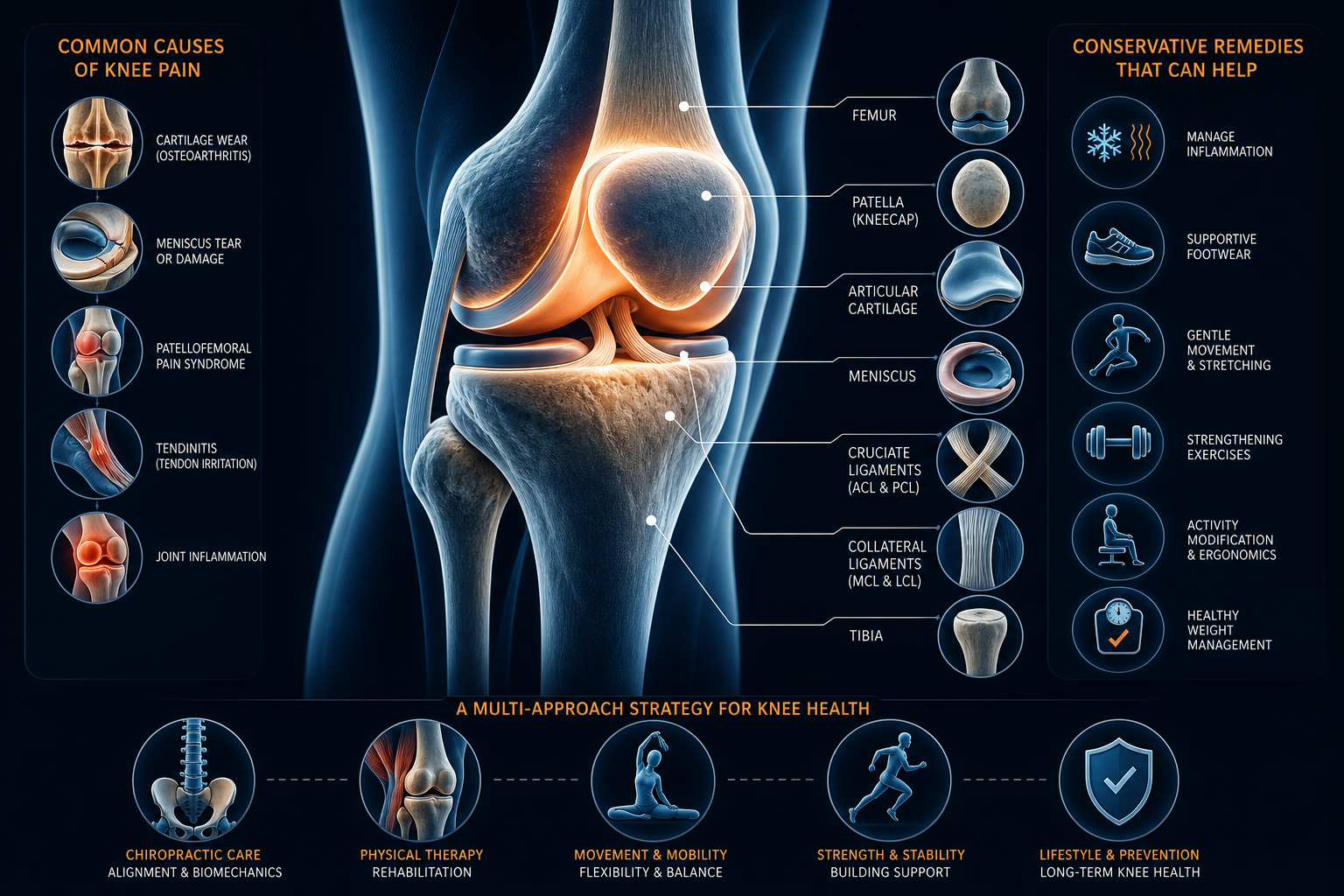
If your chiropractor recently suggested you also see a physical therapist — or vice versa — you may have wondered whether that's routine, necessary, or even a good sign about your care. In most cases, it is all three. Cross-referral partnerships between providers are a structured, professional practice in which clinicians from complementary disciplines coordinate your care so that each specialist contributes what they do best. For patients recovering from personal injury accidents, workplace injuries, or chronic musculoskeletal conditions, these partnerships can be one of the most effective paths toward meaningful, lasting relief.
This guide explains what cross-referral partnerships are, how they work in real clinical settings, what you can expect as a patient, and how to find providers near you who collaborate in this way.
What Are Cross-Referral Partnerships Between Providers?
A cross-referral partnership is a professional relationship between two or more healthcare providers — often from different disciplines — who routinely refer patients to one another when a case calls for more than one type of expertise. The goal is coordinated, patient-centered care rather than fragmented, siloed treatment.
Common examples in the conservative care space include:
- A chiropractor referring a patient to a physical therapist for targeted strengthening and mobility exercises after spinal adjustments have improved joint alignment.
- A physical therapist referring a patient to a chiropractor when soft-tissue work alone isn't resolving joint restriction or nerve irritation.
- Either provider referring to a pain management specialist, neurologist, or orthopedic provider when diagnostic imaging or specialist evaluation is warranted.
- Primary care physicians directing patients into a chiropractic or rehabilitation setting as a conservative first step before considering more invasive interventions.
These are not casual suggestions — in established cross-referral partnerships, providers often share clinical notes, treatment summaries, and progress updates to keep everyone on the same page. That communication is what separates true coordinated care from simply being told to "see someone else."
How Coordinated Care Between a Chiropractor and Physical Therapist Works
Chiropractic and physical therapy are perhaps the most natural cross-referral pairing in conservative musculoskeletal care, because the two disciplines address overlapping but distinct aspects of the same problem.
What Each Provider Brings to the Table
Chiropractors focus primarily on the relationship between the spine, nervous system, and overall musculoskeletal function. Spinal manipulation and adjustment techniques are designed to restore proper joint mobility, reduce nerve irritation, and address biomechanical dysfunction. Chiropractic care may also include soft-tissue techniques, therapeutic modalities such as electrical stimulation or ultrasound, and rehabilitative guidance.
Physical therapists focus on restoring movement, strength, endurance, and functional capacity. Their toolkit includes targeted exercise prescription, manual therapy, neuromuscular re-education, balance training, and education about movement mechanics. Physical therapy tends to build on structural improvements by training the body to move safely and sustainably.
When these two providers work together under a shared treatment plan, a patient might receive chiropractic adjustments to restore joint mobility in the morning and physical therapy exercises in the afternoon — or alternate visits across a week — with each clinician informed about what the other is doing. Research in the conservative care field broadly suggests that multimodal approaches combining manual therapy with active rehabilitation may produce more durable outcomes than either intervention alone, though individual results always vary.
What a Typical Coordinated Treatment Plan Looks Like
Every plan is tailored to the individual, but a coordinated injury rehabilitation timeline often follows a general arc:
- Initial evaluation — One or both providers assess your condition, review any imaging or records, and establish baseline function.
- Acute phase — Reducing pain and inflammation, restoring basic mobility, and protecting injured tissue. Chiropractic care often plays a prominent role here.
- Rehabilitative phase — Rebuilding strength, correcting movement patterns, and improving endurance. Physical therapy typically intensifies during this stage.
- Functional restoration — Returning you to daily activities, work tasks, or athletic demands with reduced risk of re-injury.
- Discharge and maintenance planning — Establishing a home exercise program and, when appropriate, a periodic maintenance schedule.
How long coordinated injury rehabilitation takes depends on the severity of the injury, how long symptoms have been present, the patient's overall health, and how consistently care is attended. Some patients see significant improvement in six to eight weeks; others with more complex injuries may benefit from a longer plan. Your providers should give you realistic expectations based on your specific presentation.
Find coordinated injury care providers near you on MedximityWhy Did My Chiropractor Refer Me to Another Specialist?
A referral from your chiropractor is not a sign that your care has failed — in most cases, it's a sign that your provider is paying attention. There are several common reasons a chiropractor may refer you to another provider:
- Your symptoms suggest a condition outside chiropractic scope. If imaging, neurological signs, or symptom patterns suggest something that requires orthopedic evaluation, neurology, or pain management, a responsible chiropractor will say so.
- You've reached a plateau. If chiropractic care has taken your recovery as far as it can, adding physical therapy or another modality may push progress further.
- Your case has legal dimensions. In personal injury cases, a well-documented referral trail and multi-specialty treatment record can be important for substantiating the nature and extent of your injuries. Providers familiar with personal injury cases often build referral networks intentionally to ensure comprehensive documentation.
- A specific technique or modality isn't available in-office. Some therapeutic technologies, specialist evaluations, or diagnostic procedures require a different setting.
Whatever the reason, you are always entitled to ask your provider to explain the referral. A good clinician will welcome the question.
Is It Normal to See Both a Chiropractor and Physical Therapist at the Same Time?
Yes — co-management is increasingly common and is generally considered a sound clinical approach for musculoskeletal injuries. Patients recovering from auto accidents, slip-and-fall injuries, workplace injuries, or sports injuries routinely see multiple conservative care providers concurrently. The key is communication: when your providers are actively sharing information and coordinating your plan, seeing multiple specialists is a strength of your care, not a sign of confusion about who's responsible for your recovery.
If you are unsure whether your providers are talking to each other, you can simply ask at your next visit whether they are sharing notes or treatment summaries. Most providers in established referral partnerships have a standard process for this.
Read more: Chiropractic and Physical Therapy Combined Treatment for Back PainCross-Referral Partnerships and Personal Injury Cases
For patients who have been injured in a car accident, slip-and-fall, or similar incident, cross-referral partnerships carry additional significance. In a personal injury context, the documentation produced by multiple providers — chiropractors, physical therapists, pain specialists — creates a clinical record that reflects the full scope of your injuries and treatment needs. This record may be reviewed by insurance adjusters, attorneys, or medical experts as part of a claim.
What Is a Letter of Protection in Chiropractic Injury Care?
A letter of protection (LOP) is a document signed by a patient and their personal injury attorney that instructs a healthcare provider to defer payment for treatment until the legal case resolves — at which point payment comes from any settlement or judgment proceeds. Letters of protection allow injured patients to receive necessary care immediately, even if they lack health insurance or the funds to pay out of pocket while their case is pending.
Many chiropractors and physical therapists who work regularly with personal injury patients are familiar with letters of protection and accept them as a payment arrangement. If you have been injured and are represented by an attorney, ask your provider whether they work with LOPs. If you are not yet represented and believe your injury resulted from someone else's negligence, consulting a personal injury attorney about your options is a reasonable first step — laws and procedures vary by state, so professional legal guidance is important for your specific situation.
Learn more about letters of protection and injury care financing on MedximityNatural Treatment for Injury Recovery: Why Conservative Care Comes First
For many musculoskeletal injuries, conservative care — chiropractic, physical therapy, rehabilitation — is the appropriate starting point before considering surgical or pharmacological interventions. This approach aligns with the general direction of clinical guidelines across multiple specialties, which broadly recommend exhausting conservative options for conditions such as herniated discs, whiplash, low back pain, and soft-tissue injuries before escalating to more invasive treatment.
Cross-referral partnerships are a natural fit for this philosophy because they expand the range of conservative tools available to you without requiring a step outside the realm of non-invasive care. If conservative care from multiple providers genuinely does not resolve your condition, those providers are also well-positioned to recognize that and refer you appropriately for further evaluation.
Explore conservative care treatment plans after personal injury accidentsHow to Find Coordinated Injury Care Providers in Your Area
Finding providers who actively participate in cross-referral networks — rather than operating in isolation — takes a bit of research, but it's worth the effort. Here's where to start:
- Ask directly. When contacting a chiropractic or physical therapy practice, ask whether they co-manage care with other providers and whether they have established referral relationships in the area.
- Look for practices that mention coordinated or multidisciplinary care. Provider profiles on directories like Medximity often describe the scope of a practice and whether the provider works with referral partners.
- Follow your attorney's recommendation. If you are represented in a personal injury case, your attorney may already work with a network of providers experienced in injury documentation and coordinated conservative care.
- Use a provider directory. Medximity's directory allows you to search by specialty and location so you can identify multiple providers in your area and evaluate whether their services are complementary.
What to Expect When Your Doctor Refers You to Another Provider
If you've received a referral — whether from a chiropractor, physical therapist, or primary care physician — the experience is typically straightforward. The referring provider will usually send a clinical summary, relevant records, or imaging to the new provider before your first visit. At that first appointment, the receiving provider will conduct their own evaluation and establish how their services fit into your overall plan.
Good communication between you and all of your providers is just as important as communication between the providers themselves. Keep each clinician informed about changes in your symptoms, anything that makes your condition better or worse, and any other treatment you are receiving. That information helps every member of your care team make better decisions on your behalf.
Key Takeaways
- Cross-referral partnerships between providers bring together complementary expertise — such as chiropractic and physical therapy — under a coordinated treatment plan.
- Seeing both a chiropractor and a physical therapist at the same time is common and clinically sound when providers are communicating and aligning your care.
- Referrals from your chiropractor or physical therapist are usually a sign of thorough, attentive care — not a treatment failure.
- In personal injury cases, coordinated multi-provider care creates thorough documentation of injury and treatment, which may be relevant to your claim.
- Letters of protection allow injured patients to access care immediately when finances or insurance coverage are uncertain, with payment deferred until a case resolves.
- Conservative care through cross-referral networks is often the recommended first approach for musculoskeletal injuries before considering surgical or pharmacological options.
- Medximity's provider directory can help you find chiropractors, physical therapists, and other conservative care specialists in your area who may participate in coordinated referral networks.
Frequently Asked Questions About Cross-Referral Partnerships Between Providers
What are cross-referral partnerships between providers?
Cross-referral partnerships are professional relationships between healthcare providers — often from different specialties — who routinely refer patients to one another and coordinate treatment. In conservative care, the most common example is a chiropractic and physical therapy partnership, where each provider contributes distinct skills to a shared recovery plan.
Is it normal to see both a chiropractor and a physical therapist?
Yes. Co-managing a patient's care between a chiropractor and physical therapist is common, particularly after injuries from auto accidents, workplace incidents, or falls. When the two providers communicate and coordinate, the combined approach may address more aspects of your condition than either specialty alone.
Why did my chiropractor refer me to another specialist?
Referrals typically happen when your condition would benefit from a different or additional type of care, when you've reached a plateau with current treatment, or when your symptoms suggest something that warrants specialist evaluation. A referral is generally a sign of thorough, responsible care.
What happens when my doctor refers me to another provider?
The referring provider will usually send relevant records, a clinical summary, or imaging to the new provider. The new provider conducts their own evaluation and determines how their services fit your overall plan. You should inform both providers of any changes in your symptoms so all clinicians stay aligned.
How long does coordinated injury rehabilitation take?
Duration varies considerably depending on injury severity, how long symptoms have been present, your overall health, and attendance consistency. Some patients see significant improvement in six to eight weeks; others with more complex injuries may benefit from a longer rehabilitation course. Your providers should give you realistic timelines based on your specific evaluation.
What is a letter of protection in chiropractic injury care?
A letter of protection (LOP) is an agreement between a patient, their personal injury attorney, and a healthcare provider that allows treatment to proceed without upfront payment. Payment is deferred until the legal case resolves. Many chiropractors and physical therapists experienced in personal injury cases accept LOPs. If you are unsure whether this applies to your situation, consult a licensed attorney in your state.
How do I find coordinated injury care providers near me?
You can search Medximity's provider directory by specialty and location to identify chiropractors and physical therapists in your area. Ask prospective providers directly whether they co-manage care with referral partners. If you are represented by a personal injury attorney, they may also have an established network of coordinating providers.
Can I receive conservative care without surgery after an accident?
For many musculoskeletal injuries, conservative care — including chiropractic and physical therapy — is the recommended first course of treatment. Clinical practice broadly supports exhausting non-invasive options before escalating to surgery or pharmacological interventions. Whether conservative care is appropriate for your specific condition is something your provider can evaluate at your first visit.
", "faq_data": [ { "q": "What are cross-referral partnerships between providers?", "a": "Cross-referral partnerships are professional relationships between healthcare providers — often from different specialties — who routinely refer patients to one another and coordinate treatment. In conservative care, the most common example is a chiropractic and physical therapy partnership, where each provider contributes distinct skills to a shared recovery plan." }, { "q": "Is it normal to see both a chiropractor and a physical therapist?", "a": "Yes. Co-managing a patient's care between a chiropractor and physical therapist is common, particularly after injuries from auto accidents, workplace incidents, or falls. When the two providers communicate and coordinate, the combined approach may address more aspects of your condition than either specialty alone." }, { "q": "Why did my chiropractor refer me to another specialist?", "a": "Referrals typically happen when your condition would benefit from a different or additional type of care, when you've reached a plateau with current treatment, or when your symptoms suggest something that warrants specialist evaluation. A referral is generally a sign of thorough, responsible care." }, { "q": "What happens when my doctor refers me to another provider?", "a": "The referring provider will usually send relevant records, a clinical summary, or imaging to the new provider. The new provider conducts their own evaluation and determines how their services fit your overall plan. You should inform both providers of any changes in your symptoms so all clinicians stay aligned." }, { "q": "How long does coordinated injury rehabilitation take?", "a": "Duration varies considerably depending on injury severity, how long symptoms have been present, your overall health, and attendance consistency. Some patients see significant improvement in six to eight weeks; others with more complex injuries may benefit from a longer rehabilitation course. Your providers should give you realistic timelines based on your specific evaluation." }, { "q": "What is a letter of protection in chiropractic injury care?", "a": "A letter of protection (LOP) is an agreement between a patient, their personal injury attorney, and a healthcare provider that allows treatment to proceed without upfront payment. Payment is deferred until the legal case resolves. Many chiropractors and physical therapists experienced in personal injury cases accept LOPs. Consult a licensed attorney in your state for guidance on whether this applies to your situation." }, { "q": "How do I find coordinated injury care providers near me?", "a": "You can search Medximity's provider directory by specialty and location to identify chiropractors and physical therapists in your area. Ask prospective providers directly whether they co-manage care with referral partners. If you are represented by a personal injury attorney, they may also have an established network of coordinating providers." }, { "q": "Can I receive conservative care without surgery after an accident?", "a": "For many musculoskeletal injuries, conservative care — including chiropractic and physical therapy — is the recommended first course of treatment. Clinical practice broadly supports exhausting non-invasive options before escalating to surgery or pharmacological interventions. Whether conservative care is appropriate for your specific condition is something your provider can evaluate at your first visit." } ], "key_takeaways": [ "Cross-referral partnerships between providers bring together complementary expertise — such as chiropractic and physical therapy — under a coordinated treatment plan.", "Seeing both a chiropractor and a physical therapist at the same time is common and clinically sound when providers are communicating and aligning your care.", "Referrals from your chiropractor or physical therapist are usually a sign of thorough, attentive care — not a treatment failure.", "In personal injury cases, coordinated multi-provider care creates thorough documentation of injury and treatment, which may be relevant to your claim.", "Letters of protection allow injured patients to access care immediately when finances or insurance coverage are uncertain, with payment deferred until a case resolves.", "Conservative care through cross-referral networks is often the recommended first approach for musculoskeletal injuries before considering surgical or pharmacological options.", "Medximity's provider directory can help you find chiropractors, physical therapists, and other conservative care specialists in your area who may participate in coordinated referral networks." ], "tags": [ "cross-referral partnerships", "coordinated care", "chiropractic", "physical therapy", "injury recovery", "personal injury", "conservative care", "letter of protection", "rehabilitation", "provider referral", "musculoskeletal care", "back pain treatment" ], "schema_markup": { "@context": "https://schema.org", "@type": "Article", "headline": "Cross-Referral Partnerships Between Providers: How Coordinated Care Works for Injury Recovery", "description": "Learn how cross-referral partnerships between providers like chiropractors and physical therapists create coordinated care plans that may support faster injury recovery.", "url": "https://medximity.com/blog/cross-referral-partnerships-between-providers", "publisher": { "@type": "Organization", "name": "Medximity", "url": "https://medximity.com" }, "mainEntityOfPage": { "@type": "WebPage", "@id": "https://medximity.com/blog/cross-referral-partnerships-between-providers" }, "articleSection": "Provider Education, Injury Recovery, Conservative Care", "keywords": "cross-referral partnerships between providers, coordinated injury care, chiropractor and physical therapist referral, letter of protection, conservative care treatment plan" } }