Understanding Neck Sprain and Whiplash: Symptoms, Causes, and Treatment can help you make sense of neck pain after a car accident, fall, sports impact, or sudden awkward movement. A neck sprain involves overstretched or irritated ligaments in the neck, while whiplash describes a rapid back-and-forth motion of the head and neck that may affect muscles, ligaments, joints, discs, and nerves. Many cases improve with time and conservative care, but symptoms can sometimes appear hours or days later and may need evaluation by a qualified provider.
If you have new or worsening neck pain after an accident, cannot turn your neck comfortably, feel dizzy, have numbness or weakness, or notice symptoms that interfere with sleep, work, or driving, it is reasonable to seek care. A chiropractor, physical therapist, or other licensed clinician can evaluate your movement, screen for concerning signs, and recommend a plan that may include gentle mobility work, hands-on care, strengthening, posture guidance, and activity modification.
Medximity helps patients compare conservative care options and find local providers. You can explore care for neck pain, learn more about chiropractic care, or search for a chiropractor for whiplash near you when you are ready to schedule an evaluation.
What Is Whiplash Neck Sprain?
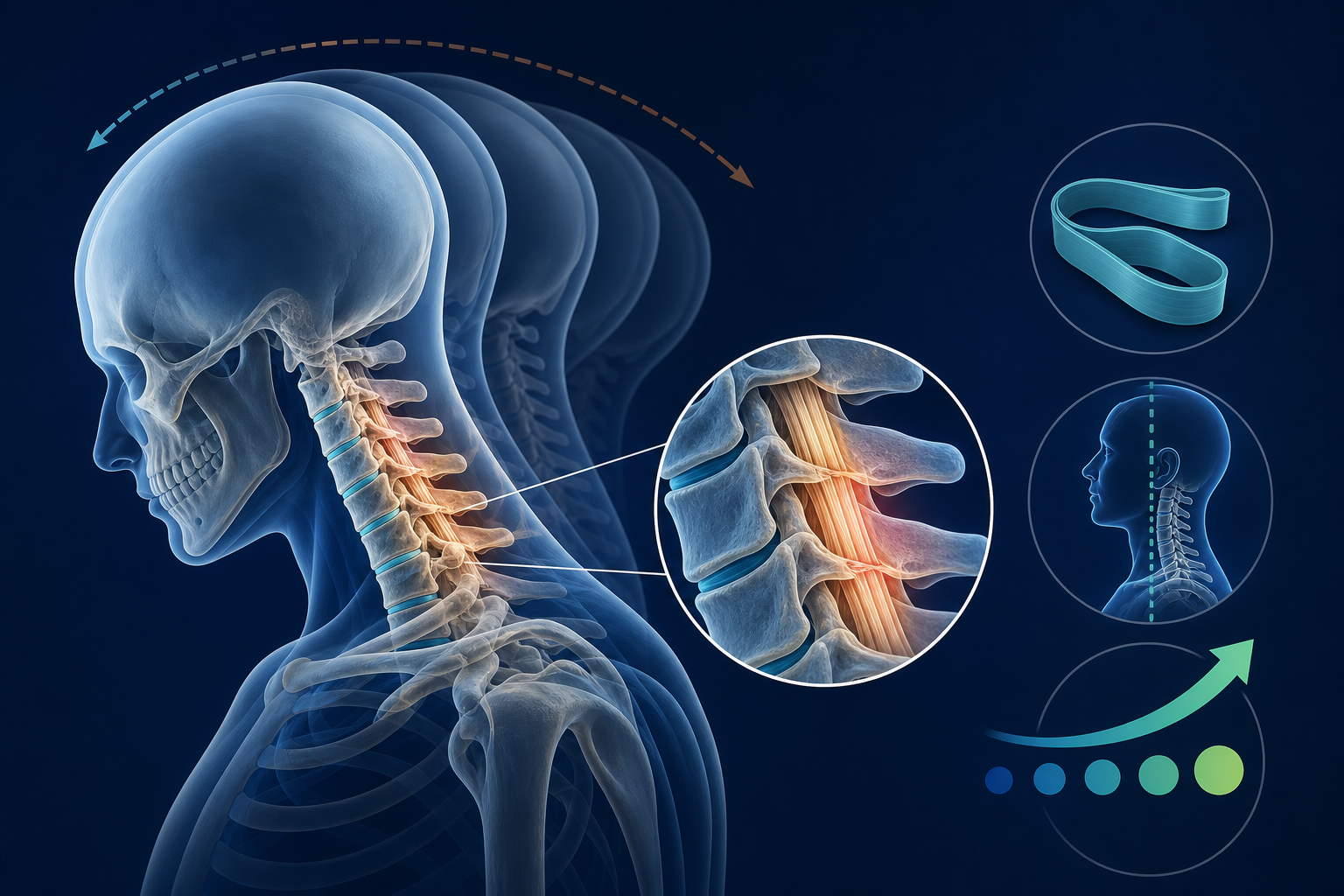
Patients often ask, “What is whiplash neck sprain?” The terms are related, but they are not exactly the same. A neck sprain usually refers to injury or irritation of ligaments, which are bands of connective tissue that help stabilize the joints of the cervical spine. A neck strain usually refers to muscles or tendons that have been overstretched or irritated. Whiplash is the mechanism of injury: a sudden acceleration-deceleration movement that can cause the head to snap backward and forward, forward and backward, or side to side.
Whiplash is commonly associated with rear-end motor vehicle collisions, but it can also happen during contact sports, slip-and-fall events, amusement rides, bicycle crashes, or other sudden impacts. The force does not always have to be dramatic for symptoms to develop. Some people feel pain immediately, while others notice stiffness, headache, or soreness the next morning or several days later.
Because the neck contains joints, muscles, ligaments, discs, nerves, blood vessels, and balance-related structures, whiplash symptoms can vary from person to person. Some patients mainly feel local stiffness. Others report headache, shoulder blade discomfort, jaw tension, dizziness, tingling, or difficulty concentrating. These symptoms do not automatically mean there is a serious injury, but they should be assessed when they are persistent, worsening, or limiting daily activities.
Neck Sprain vs Neck Strain: What Is the Difference?
The phrase neck sprain vs neck strain is common because both injuries can feel similar. They may both cause pain, stiffness, reduced range of motion, and tenderness. The difference is mainly the type of soft tissue involved.
Neck sprain
A neck sprain involves ligaments. Ligaments connect bone to bone and help support the small joints of the cervical spine. When a ligament is overstretched, irritated, or partially injured, the neck may feel unstable, sore, or painful with certain movements. Sprains can occur during whiplash, falls, sports collisions, or sudden twisting.
Neck strain
A neck strain involves muscles or tendons. Tendons connect muscle to bone, and muscles control movement and posture. A strain may occur after lifting, poor sleeping position, prolonged computer work, sudden braking in a car, or protective muscle guarding after an accident. Strains often feel like tightness, spasm, or soreness that changes with position.
Why the distinction matters
In real life, many neck injuries involve more than one tissue type. A patient with whiplash may have muscle strain, ligament sprain, joint irritation, and protective guarding at the same time. That is why a provider’s evaluation usually focuses less on a single label and more on how your neck moves, what reproduces symptoms, whether there are nerve-related findings, and which conservative treatments are appropriate for your situation.
Common Causes of Neck Sprain and Whiplash
Neck sprain and whiplash usually happen when the neck is forced beyond its comfortable range or when tissues are loaded faster than they can respond. Common causes include:
- Car accidents: Neck pain after car accident events is one of the most common reasons patients seek evaluation for whiplash. Rear-end collisions are frequently associated with this mechanism, but front, side, and multi-vehicle impacts may also strain the cervical spine.
- Sports injuries: Football, soccer, hockey, martial arts, gymnastics, and other activities can involve sudden impacts or falls that stress the neck.
- Falls: Slipping, tripping, or falling from a height can cause the head and neck to move abruptly.
- Work-related strain: Repetitive lifting, prolonged desk posture, awkward overhead work, or sudden load shifts may contribute to neck irritation.
- Daily movement accidents: A quick turn, unexpected jolt, or awkward sleeping position may trigger symptoms, especially if the neck was already sensitive.
Not every accident causes the same injury. Factors such as head position at the moment of impact, seat position, prior neck problems, overall conditioning, and the direction of force may influence symptoms. A careful history helps a provider understand the mechanism and decide what type of examination is appropriate.
Whiplash Symptoms Days After Accident
It is possible to feel relatively okay immediately after an accident and then develop symptoms later. Whiplash symptoms days after accident may occur because inflammation, muscle guarding, sleep disruption, and stress responses can evolve over time. Adrenaline can also temporarily mask discomfort right after a collision or fall.
Common symptoms may include:
- Neck pain or soreness
- Stiffness or reduced range of motion
- Pain when turning the head
- Neck pain when looking down at a phone, book, or computer
- Headache, often starting near the base of the skull
- Shoulder, upper back, or shoulder blade discomfort
- Muscle tightness or spasms
- Jaw tension or facial discomfort in some cases
- Tingling, numbness, or radiating pain into the arm or hand
- Dizziness, lightheadedness, or balance changes
- Fatigue, irritability, or difficulty concentrating
- Sleep disruption due to pain or stiffness
Delayed symptoms should not be ignored, especially after a motor vehicle collision or fall. They do not always indicate a severe injury, but they are a reason to monitor your body and seek professional evaluation if symptoms persist, worsen, or affect function.
Neck Pain After Car Accident: When to Seek Care
Neck pain after car accident can range from mild soreness to pain that makes normal movement difficult. You should seek prompt medical attention if you have severe pain, numbness or weakness, trouble walking, loss of coordination, chest pain, shortness of breath, fainting, confusion, a severe or unusual headache, vision changes, vomiting, or symptoms after a significant head impact. These may require urgent evaluation.
For non-emergency symptoms, it is still wise to see a qualified provider when neck pain lasts more than a few days, keeps returning, limits driving or work, disturbs sleep, or makes it difficult to turn your head. A provider can help determine whether your symptoms fit a pattern of soft-tissue irritation, joint restriction, nerve sensitivity, postural strain, or another issue that needs a different level of care.
Patients often wait because they hope pain will fade on its own. Some mild cases do improve with relative rest and gentle movement, but persistent stiffness can lead to guarded movement patterns. Early conservative guidance may help you avoid doing too much too soon or becoming overly fearful of normal movement.
“I Can’t Turn My Neck After Whiplash”
If you feel like you can’t turn your neck after whiplash, the limitation may come from pain, muscle guarding, joint irritation, swelling, or fear of triggering symptoms. The neck’s muscles often tighten protectively after a sudden force. This guarding can make the head feel locked or difficult to rotate, especially when checking blind spots, getting out of bed, or looking over your shoulder.
In many non-emergency cases, gentle movement within a comfortable range is preferred over complete immobilization for long periods. However, forcing the neck through sharp pain is not recommended. A clinician can assess whether your range of motion is limited by soft-tissue sensitivity, joint mechanics, nerve symptoms, or another factor. They may then guide safe mobility drills, postural changes, and progressive strengthening.
If your inability to turn your neck is accompanied by neurological symptoms, significant trauma, fever, severe headache, or rapidly worsening pain, seek urgent medical evaluation. Those signs require a higher level of assessment than a routine neck pain visit.
Neck Pain When Looking Down
Neck pain when looking down is common after a sprain, strain, or whiplash injury. Looking down places the cervical spine into flexion and can load irritated muscles, ligaments, joints, and discs. It can also increase demand on the muscles at the back of the neck, especially when using a phone, laptop, or tablet for long periods.
After whiplash, looking down may reproduce pain at the base of the skull, between the shoulder blades, or along the back of the neck. Some patients also notice pulling, tightness, or headache symptoms. This does not automatically mean something is seriously wrong, but it does suggest that the neck may be sensitive to flexion-based postures.
Practical adjustments may include raising screens closer to eye level, taking short movement breaks, using a supportive chair, and avoiding prolonged static positions. A physical therapist or chiropractor can also evaluate whether your symptoms are related to mobility restrictions, muscle endurance, posture habits, or nerve sensitivity. Learn more about conservative care options on Medximity’s physical therapy treatment page.
Is Dizziness Normal After Whiplash?
Many patients ask, “Is dizziness normal after whiplash?” Dizziness can occur after a whiplash-type injury, but it should be taken seriously. The neck has sensory receptors that help the brain understand head position and movement. After injury, irritation in the cervical joints and muscles may contribute to a sensation of imbalance or lightheadedness in some people. Dizziness may also be related to concussion, inner ear issues, medication effects, blood pressure changes, anxiety, or other medical causes.
Because dizziness can come from many sources, it is important not to assume it is “just whiplash.” Seek urgent medical care if dizziness is severe, sudden, associated with fainting, chest pain, new weakness, slurred speech, facial drooping, severe headache, repeated vomiting, vision changes, or trouble walking. If dizziness is mild but persistent, a provider can evaluate whether further medical assessment, vestibular rehabilitation, or cervical-focused care may be appropriate.
For some patients, dizziness improves as neck pain, muscle guarding, and movement confidence improve. Others may need more targeted evaluation. The safest next step is a professional assessment rather than guessing based on symptoms alone.
How Long Does Whiplash Last?
How long does whiplash last? The answer varies. Some people feel noticeably better within days to a few weeks. Others have symptoms that persist for several weeks or months, especially when pain is higher at the start, range of motion is significantly limited, sleep is disrupted, or the injury occurred with high stress or multiple body regions involved.
Recovery is influenced by many factors, including the severity and direction of force, prior neck pain, overall health, job demands, stress level, movement habits, and whether symptoms include headache, dizziness, or radiating arm pain. A gradual return to comfortable activity is often part of conservative care, but the pace should be individualized.
Persistent symptoms do not mean you are out of options. They may indicate that your neck needs a more structured plan involving mobility, strengthening, education, ergonomic changes, and hands-on treatment. If symptoms are not improving or are interfering with daily function, consider searching for a physical therapist for neck sprain near you or a provider experienced in conservative neck care.
Whiplash Treatment Without Surgery
Most people searching for whiplash treatment without surgery are looking for practical ways to reduce pain, restore movement, and return to daily activities. Conservative care may help many patients with neck sprain or whiplash, depending on the nature of the injury and the person’s overall health. Treatment should be based on an evaluation rather than a one-size-fits-all protocol.
Initial evaluation
A provider will usually ask about how the injury happened, when symptoms began, what movements worsen or relieve pain, whether you have headaches or dizziness, and whether symptoms travel into the arm or hand. They may assess posture, neck range of motion, muscle tenderness, joint mobility, reflexes, strength, sensation, and functional tasks such as turning the head.
Gentle movement and mobility
Early care often includes comfortable, controlled movement rather than aggressive stretching. Gentle range-of-motion exercises may help reduce stiffness and restore confidence. Movements are usually kept within tolerable limits and progressed gradually.
Manual therapy
Hands-on care may include soft-tissue techniques, joint mobilization, or chiropractic adjustment when appropriate. These approaches may help some patients improve mobility and reduce discomfort, but they should be matched to symptoms, comfort level, and clinical findings. If you are considering chiropractic care, you may also find Medximity’s guide on what to expect at your first chiropractic visit helpful.
Therapeutic exercise
Exercise is often a central part of recovery. A clinician may recommend deep neck flexor activation, scapular strengthening, postural endurance work, thoracic mobility, and gradual return-to-activity drills. The goal is not only to reduce pain but also to improve the neck and upper back’s ability to tolerate daily demands.
Education and activity modification
Patients often need guidance on sleeping positions, workstation setup, driving tolerance, phone use, lifting, and pacing. Education can reduce fear and help you understand which symptoms are expected during recovery and which symptoms need follow-up.
Coordination with other care
Some patients need medical evaluation, imaging consideration, concussion screening, vestibular care, or referral to another clinician. Conservative providers routinely screen for signs that care should be modified or escalated.
How to Relieve Neck Sprain Pain at Home
If symptoms are mild and there are no red flags, there are several general strategies that may help you manage discomfort while you arrange care or monitor symptoms. These are not a substitute for a professional evaluation, especially after a car accident or significant fall.
- Use gentle movement: Slowly turn your head, nod, and tilt within a comfortable range. Avoid forcing sharp or worsening pain.
- Change positions often: Long periods in one posture can increase stiffness. Short breaks may help the neck tolerate daily tasks.
- Support sleep posture: A pillow that keeps your neck relatively neutral may reduce morning stiffness. Avoid extreme neck rotation while sleeping when possible.
- Adjust screens: Bring phones, tablets, and laptops closer to eye level to reduce prolonged looking down.
- Use heat or cold cautiously: Some people prefer cold in the early sore phase, while others feel better with gentle heat. Use a barrier and avoid prolonged exposure.
- Pace activities: Light activity may be helpful, but heavy lifting, sudden twisting, or high-impact exercise may need to be limited until symptoms improve.
- Track symptoms: Note what improves or worsens pain, including driving, sleep, work posture, and stress. This information can help your provider.
If you are searching for how to relieve neck sprain pain, remember that relief and recovery are not always the same thing. Short-term comfort strategies may help, but persistent pain often benefits from a plan that restores mobility, strength, and function.
Chiropractor for Whiplash Near Me
Searching for a chiropractor for whiplash near me usually means you want someone who can evaluate neck pain after an accident and explain conservative options clearly. Chiropractors commonly assess spinal joint motion, muscle tenderness, posture, range of motion, and nerve-related signs. Treatment may include gentle spinal mobilization or adjustment, soft-tissue therapy, exercise recommendations, and ergonomic guidance.
Not every patient with whiplash is a candidate for the same type of care. A responsible chiropractor should ask about the injury mechanism, screen for red flags, modify treatment when needed, and explain what to expect. If symptoms suggest concussion, fracture risk, neurological involvement, or another medical issue, referral for additional evaluation may be appropriate.
When comparing providers, look for clear communication, comfort with accident-related neck pain, a willingness to coordinate with other clinicians, and a plan that includes active recovery rather than only passive treatment. You can start with Medximity’s chiropractor search to compare local options.
Physical Therapy for Neck Sprain
Physical therapy for neck sprain focuses on restoring movement, strength, coordination, and tolerance for daily activities. Physical therapists often use a combination of education, exercise, manual therapy, posture training, and progressive loading. The plan may be especially helpful when symptoms are linked to weakness, movement avoidance, poor endurance, or difficulty returning to work, driving, or exercise.
A physical therapy plan may include:
- Gentle cervical range-of-motion exercises
- Deep neck flexor and postural muscle strengthening
- Scapular and upper back strengthening
- Thoracic spine mobility work
- Balance or vestibular exercises when appropriate
- Manual therapy for muscles and joints
- Workstation and activity modification
- Gradual return-to-sport or return-to-work progression
The number of visits varies. Some patients need only a short course of instruction and progression, while others benefit from longer support. If you are unsure whether physical therapy is appropriate, Medximity’s article on when to see a physical therapist for neck pain can help you understand common reasons patients seek care.
What to Expect at a Provider Visit
Knowing what to expect can make the first visit less stressful. Whether you see a chiropractor, physical therapist, or another qualified provider, the appointment will usually begin with a conversation about your symptoms and health history.
History and symptom review
Your provider may ask how the injury occurred, whether you were in a vehicle, whether your head was turned at the moment of impact, when symptoms began, and whether pain has changed over time. They may also ask about headaches, dizziness, arm symptoms, previous neck problems, sleep, work demands, and current activity level.
Physical examination
The exam may include observation of posture, neck and shoulder range of motion, muscle palpation, joint mobility testing, strength, sensation, reflexes, and movement tasks. If dizziness is present, the provider may ask additional questions or perform screening tests to decide whether referral or vestibular-focused care is needed.
Care plan
After the evaluation, the provider should explain what they found in plain language. A conservative plan may include in-office treatment, home exercises, ergonomic changes, self-care strategies, and follow-up timing. You should understand what symptoms are expected, what changes would prompt earlier follow-up, and how progress will be measured.
Progress monitoring
Progress may be measured by pain intensity, range of motion, sleep quality, ability to drive, headache frequency, work tolerance, and confidence with movement. If symptoms are not improving as expected, the plan may be adjusted or additional evaluation may be recommended.
Red Flags: When Neck Pain Needs Urgent Evaluation
Most neck sprain and whiplash symptoms are not emergencies, but some signs need prompt medical attention. Seek urgent care if you experience:
- Severe neck pain after major trauma
- Numbness, weakness, or loss of coordination
- Difficulty walking or maintaining balance
- Loss of bladder or bowel control
- Severe or unusual headache
- Confusion, fainting, repeated vomiting, or seizure
- Vision changes, slurred speech, or facial drooping
- Fever, unexplained weight loss, or neck stiffness with illness
- Pain that rapidly worsens or does not match the injury
These symptoms do not automatically identify a specific condition, but they can signal the need for immediate medical assessment. When in doubt after a significant accident, it is safer to be evaluated.
How Providers May Approach Recovery
Conservative recovery from neck sprain and whiplash is usually built around restoring safe movement and reducing sensitivity. Providers may start with symptom-calming strategies, then gradually add strengthening and functional tasks. The goal is to help the neck tolerate real life again: sleeping, working, driving, exercising, caring for children, and turning the head without fear.
A typical progression may include:
- Calm symptoms: Education, gentle movement, soft-tissue care, posture changes, and pacing.
- Restore mobility: Controlled range-of-motion exercises and manual therapy when appropriate.
- Build support: Neck, shoulder blade, and upper back strengthening.
- Improve endurance: Longer tolerance for desk work, driving, reading, and daily activity.
- Return to higher demand tasks: Sport, lifting, physical work, or recreation as tolerated and guided by the provider.
This progression is not always linear. Symptoms can fluctuate with sleep, stress, workload, and activity level. A flare does not necessarily mean damage has occurred, but it can signal that the plan needs to be adjusted.
Choosing the Right Neck Pain Provider
The right provider depends on your symptoms, preferences, and goals. Some patients prefer chiropractic care for joint mobility and hands-on treatment. Others prefer physical therapy for exercise progression and functional rehabilitation. Many patients benefit from a combination of approaches when providers communicate clearly and stay within their scope.
When choosing a provider, consider asking:
- Do you commonly evaluate neck pain after car accidents or whiplash-type injuries?
- How do you screen for symptoms that need medical referral?
- What should I expect during the first visit?
- Will I receive home exercises or activity guidance?
- How will we measure progress?
- What symptoms should prompt me to contact you sooner?
You can compare conservative care options through Medximity’s provider directory, including chiropractors and physical therapists who may help with neck sprain, whiplash, and related movement limitations.
Frequently Asked Questions
What is whiplash neck sprain?
Whiplash is a sudden back-and-forth or side-to-side movement of the head and neck. A neck sprain refers to overstretched or irritated ligaments in the neck. Whiplash can cause a neck sprain, but it may also affect muscles, joints, discs, and nerves.
What is the difference between neck sprain vs neck strain?
A neck sprain involves ligaments, while a neck strain involves muscles or tendons. Many injuries include both, so a provider will usually evaluate your movement, tenderness, strength, and nerve-related signs rather than relying only on the label.
Can whiplash symptoms appear days after an accident?
Yes. Whiplash symptoms can appear hours or days after an accident. Pain, stiffness, headache, dizziness, and reduced range of motion may develop as muscle guarding and tissue irritation increase. Persistent or worsening symptoms should be evaluated.
Is dizziness normal after whiplash?
Dizziness can happen after whiplash, but it should not be dismissed. It may be related to the neck, inner ear, concussion, blood pressure, or other causes. Severe, sudden, or neurological symptoms require urgent medical attention.
How long does whiplash last?
Some cases improve within days or weeks, while others last longer. Recovery depends on the injury, symptom severity, prior neck history, stress, sleep, activity demands, and whether symptoms include headache, dizziness, or arm pain.
What can help relieve neck sprain pain?
Gentle movement, frequent position changes, supportive sleep posture, screen adjustments, pacing, and heat or cold may help some people. If pain persists after an accident or limits normal activity, a qualified provider can recommend a more specific plan.
Can chiropractic care help whiplash?
Chiropractic care may help some patients with whiplash-related neck pain by addressing joint mobility, muscle tension, movement patterns, and education. Care should be based on an examination and modified if symptoms suggest the need for medical referral.
Can physical therapy help a neck sprain?
Physical therapy may help by improving range of motion, strength, posture endurance, and confidence with daily movement. A physical therapist can also guide a gradual return to work, exercise, driving, or sport when appropriate.
Key Takeaways
- Neck sprain involves ligaments, neck strain involves muscles or tendons, and whiplash describes a sudden forceful movement that can affect several neck tissues.
- Whiplash symptoms may appear immediately or days after an accident, including neck pain, stiffness, headache, dizziness, and difficulty turning the head.
- Neck pain after a car accident should be evaluated if it is severe, worsening, persistent, or associated with dizziness, neurological symptoms, or significant trauma.
- Conservative care may include chiropractic care, physical therapy, manual therapy, gentle mobility, strengthening, posture guidance, and activity modification.
- A qualified provider can help you understand what is likely contributing to your symptoms and what type of recovery plan may fit your needs.
Find Conservative Neck Pain Care with Medximity
Neck sprain and whiplash can be frustrating, especially when symptoms interfere with sleep, driving, work, or normal movement. You do not have to guess your way through recovery. A qualified chiropractor, physical therapist, or other conservative care provider can evaluate your symptoms, screen for concerns, and guide a plan that fits your situation.
Use Medximity to explore neck pain resources, compare providers, and find care options near you. If your symptoms are severe, worsening, or associated with neurological changes, seek prompt medical attention before beginning routine conservative care.