If you have sharp heel pain when you first step out of bed, pain after sitting, or soreness that builds after standing or walking, plantar fasciitis may be one possible cause. The condition involves irritation of the plantar fascia, a strong band of tissue that supports the arch of the foot and helps absorb load with each step.
This guide explains Understanding Plantar Fasciitis: Symptoms, Causes, and Treatment in plain language, including what plantar fasciitis heel pain may feel like, why it often hurts more in the morning, how long it may last, and what conservative care can look like. It is not a diagnosis. A qualified healthcare provider can evaluate your foot, rule out other causes of heel pain, and recommend care based on your specific situation.
If heel pain is limiting your daily activity, you can use Medximity to find physical therapy for plantar fasciitis pain or search for a chiropractor for plantar fasciitis near me who offers conservative foot and ankle care.
What Is Plantar Fasciitis Heel Pain?
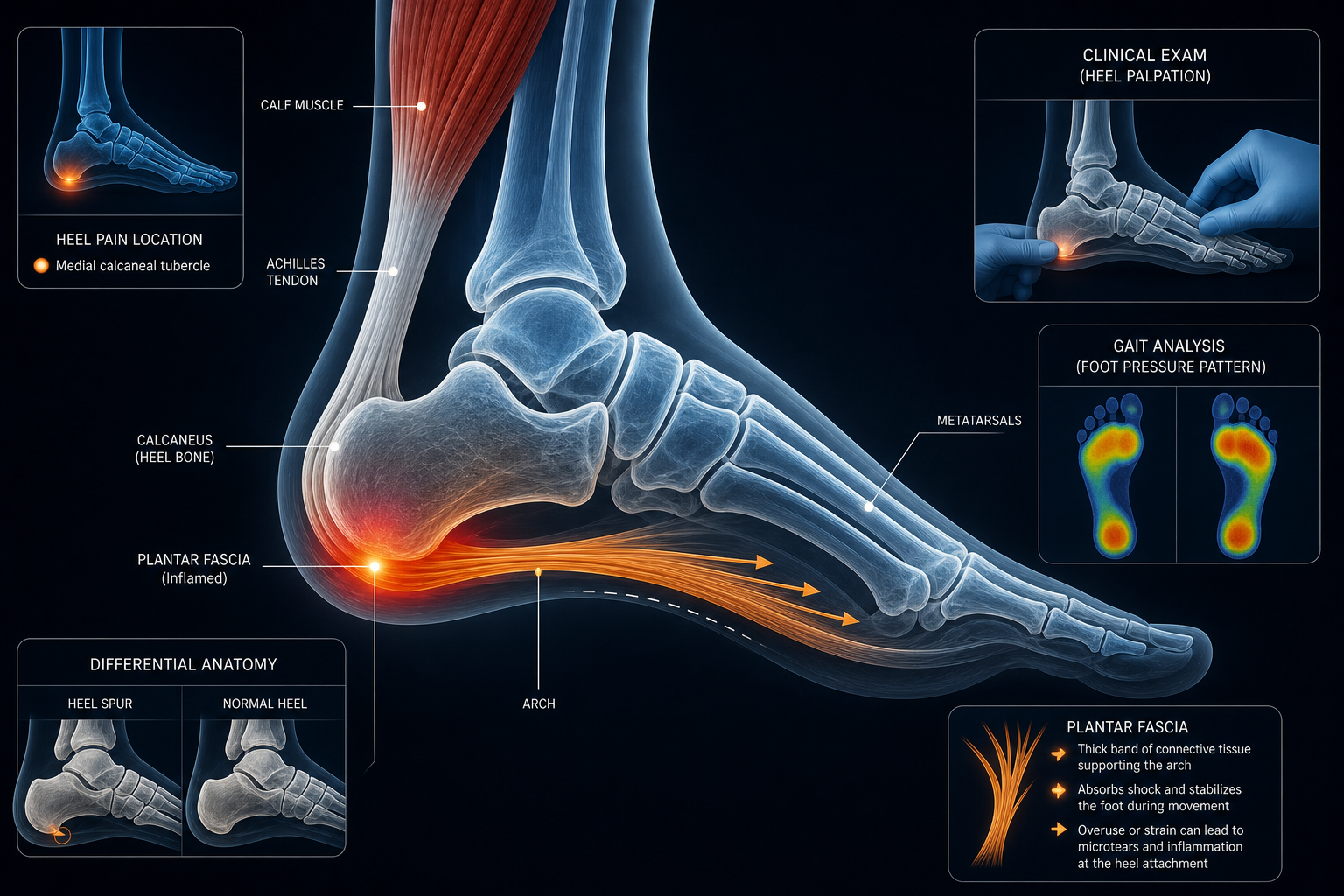
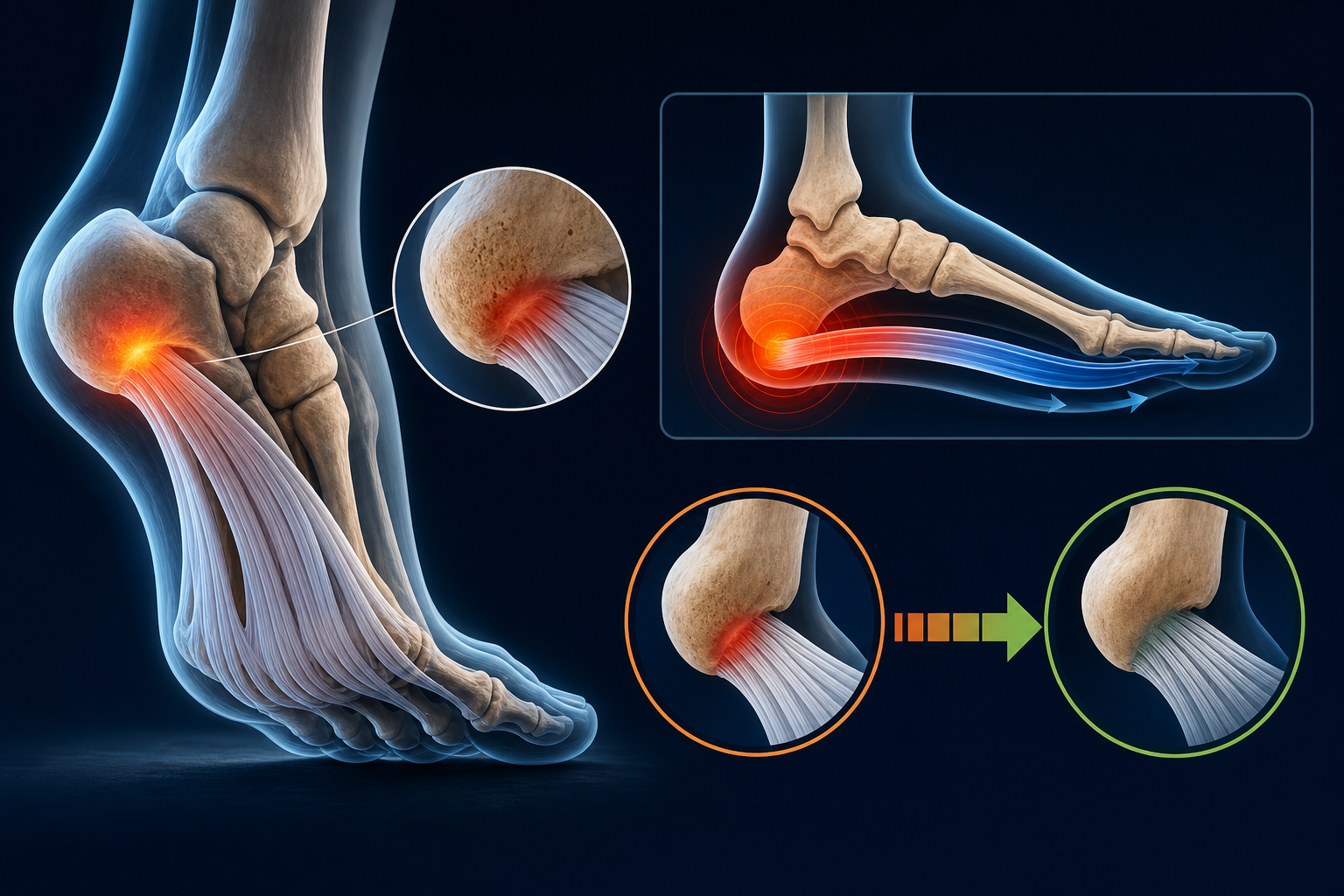
The plantar fascia is a thick connective tissue structure that runs along the bottom of the foot, from the heel bone toward the toes. It helps support the arch and plays a role in the windlass mechanism, which helps the foot become a more stable lever during push-off when you walk or run.
Plantar fasciitis, sometimes described more broadly as plantar heel pain, occurs when this tissue becomes irritated or overloaded. Despite the name, the problem is not always simple inflammation. In many cases, the tissue may be reacting to repetitive strain, reduced tolerance to load, calf tightness, foot mechanics, footwear changes, or a sudden increase in activity.
People often ask, “What is plantar fasciitis heel pain?” The most common description is pain near the bottom of the heel, often toward the inside edge of the foot. Some people describe it as stabbing, sharp, bruised, burning, or aching. Others notice tightness through the arch or tenderness when pressing near the heel.
Because several conditions can cause heel pain, including nerve irritation, stress injury, tendon problems, inflammatory conditions, or referred pain from another area, an evaluation is helpful when symptoms persist, worsen, or interfere with walking.
Why Does My Heel Hurt Walking?
“Why does my heel hurt walking?” is one of the most common questions people ask when plantar fasciitis is suspected. Walking loads the plantar fascia repeatedly. If the tissue is sensitive, that load may create pain when the foot first accepts weight, when the arch stretches, or when the toes extend during push-off.
Heel pain from plantar fasciitis often follows a recognizable pattern. It may be most noticeable during the first steps of the day, after getting up from a chair, or after a long period of standing. Some people feel better after warming up, only for symptoms to return later when the foot becomes fatigued.
Morning Heel Pain When Stepping Down
Morning heel pain when stepping down is a classic symptom pattern. Overnight, the foot is usually relaxed in a slightly pointed position. When you stand, the plantar fascia and calf complex are suddenly stretched and loaded. If the tissue is irritated, those first steps can feel sharp or intense.
The pain may ease after a few minutes of gentle movement. However, improvement after warming up does not mean the condition is gone. It often means the tissue is temporarily more tolerant once circulation and mobility increase.
Heel Pain When Standing After Sitting
Heel pain when standing after sitting can happen for a similar reason. After a period of rest, the plantar fascia and surrounding soft tissues may feel stiff. When weight returns through the foot, symptoms can flare for the first several steps.
This “start-up pain” pattern can be frustrating because symptoms may come and go throughout the day. Keeping track of when the pain appears, what shoes you are wearing, and how long you have been on your feet can help a provider understand your triggers.
Pain That Changes With Activity
Some people with plantar fasciitis notice pain at the beginning of activity that improves, then returns after longer walking, running, or standing. Others feel worse the day after increased activity. This delayed soreness can be a sign that the tissue was loaded beyond its current tolerance.
A physical therapist or chiropractor may help you identify the right balance between staying active and allowing the tissue to calm down. Complete rest is not always necessary, but sudden jumps in walking, running, hill work, or barefoot time may aggravate symptoms in some patients.
Common Symptoms of Plantar Fasciitis
Plantar fasciitis symptoms vary from person to person, but common patterns include:
- Pain at the bottom of the heel, often near the inner heel
- Sharp pain with the first steps in the morning
- Pain after sitting or resting, especially when standing again
- Aching or soreness after long periods of standing or walking
- Tenderness when pressing on the underside of the heel
- Tightness through the arch, calf, or Achilles tendon area
- Symptoms that improve temporarily with movement but return later
Some symptoms are less typical and deserve prompt attention. Seek medical evaluation if heel pain follows a fall or sudden injury, you cannot bear weight, the area is very swollen or red, you have fever, you notice numbness or tingling, or you have diabetes, circulation problems, or other health conditions that affect foot healing.
For more general information about foot symptoms and conservative care options, you may also find Medximity’s foot pain resource helpful.
What Causes Plantar Fasciitis?
Plantar fasciitis usually develops from a combination of load, tissue tolerance, mechanics, and daily habits rather than one single cause. The plantar fascia is built to handle force, but symptoms may appear when the demand on the tissue exceeds what it is prepared to tolerate.
Sudden Changes in Activity
A rapid increase in walking, running, standing, stair climbing, or exercise can contribute to heel pain. This may happen after starting a new fitness routine, changing jobs, traveling, moving to a more active schedule, or returning to activity after time off.
The tissue may adapt over time when load is progressed gradually. When the increase is too fast, the heel and arch may become irritated.
Calf Tightness and Ankle Mobility
Limited ankle motion or tightness in the calf muscles may increase strain through the plantar fascia during walking. When the ankle cannot bend comfortably as the body moves over the foot, the arch and heel may absorb more stress.
This is one reason many conservative treatment plans include calf stretching, ankle mobility work, and strengthening of the lower leg and foot.
Foot Mechanics and Arch Support
Foot structure alone does not determine whether someone will develop plantar fasciitis. People with high arches, low arches, and neutral arches can all experience heel pain. However, the way the foot moves under load may influence symptoms.
Some patients benefit from temporary support, shoe changes, taping, or orthotic guidance while symptoms settle. A provider can help determine whether support may be useful for your foot type and activity level.
Footwear and Hard Surfaces
Shoes that are worn out, unsupportive, too flexible, or poorly matched to your activity may aggravate heel pain. Long hours on hard floors can also increase load through the heel and arch.
This does not mean there is one universal “best shoe.” The best shoes for plantar fasciitis pain are usually the ones that fit well, feel stable, reduce symptoms during daily activity, and match your foot mechanics. Some people prefer a cushioned shoe. Others feel better with a firmer sole or more arch support.
Work, Training, and Lifestyle Factors
Plantar fasciitis is common in people who stand for long hours, including healthcare workers, teachers, retail workers, warehouse employees, service workers, and active parents. It can also affect runners, walkers, and people who have recently changed training surfaces or mileage.
Body weight changes, reduced sleep, stress, and recovery habits may also influence how sensitive tissues feel. These factors do not mean heel pain is your fault. They simply help explain why a full treatment plan often looks beyond the foot alone.
Plantar Fasciitis vs Heel Spur Symptoms
Many people wonder about plantar fasciitis vs heel spur symptoms. A heel spur is a bony growth that can form on the heel bone, often where soft tissues attach. Heel spurs are sometimes seen on imaging, but they do not always cause pain. Some people have heel spurs without symptoms, while others have plantar heel pain without a visible spur.
Plantar fasciitis symptoms are usually identified by the pattern of pain, tenderness, activity response, and physical exam findings. Imaging is not always needed for straightforward cases, but a provider may consider it if symptoms are unusual, severe, related to trauma, or not improving as expected.
The key point: heel pain should not be blamed on a spur automatically. Pain often comes from irritated soft tissue, load sensitivity, or another condition. A careful evaluation can help clarify what is contributing to your symptoms.
How Long Does Plantar Fasciitis Last?
How long does plantar fasciitis last? The answer varies. Some people improve within several weeks when they reduce aggravating load and begin appropriate stretching, strengthening, footwear changes, or therapy. Others have symptoms that last several months, especially if they continue the same activities that triggered the pain or if there are multiple contributing factors.
Plantar fasciitis can become persistent, but many people respond to conservative care. Progress is often gradual rather than instant. A typical improvement pattern may include less intense first-step pain, fewer flare-ups after sitting, better tolerance for walking, and reduced soreness at the end of the day.
If symptoms have lasted more than a couple of weeks, keep returning, or are changing how you walk, it may be time to see a provider. Early guidance may help you avoid compensations that irritate the knee, hip, back, or the opposite foot.
When to See a Provider for Heel Pain
Consider scheduling an evaluation if heel pain is affecting your work, exercise, sleep, or daily routine. You do not need to wait until the pain is severe to ask for help. A provider can assess your symptoms, explain likely contributors, and help you build a conservative plan.
You should seek prompt evaluation if you have any of the following:
- Sudden heel pain after a fall, twist, jump, or impact
- Inability to bear weight or walk normally
- Significant swelling, redness, warmth, or bruising
- Numbness, tingling, burning pain, or weakness
- Open wounds or signs of infection
- Heel pain with fever or feeling ill
- Diabetes, neuropathy, circulation concerns, or immune-related conditions
- Pain that is worsening despite rest and basic self-care
Medximity can help you compare providers offering heel pain care, including conservative musculoskeletal evaluation, rehabilitation, and movement-based treatment options.
What to Expect During a Plantar Fasciitis Evaluation
A plantar fasciitis evaluation usually starts with a detailed conversation. Your provider may ask when symptoms began, where the pain is located, what makes it better or worse, what shoes you wear, what your workday looks like, and whether you recently changed activity levels.
Physical Exam
The exam may include checking tenderness around the heel and arch, ankle range of motion, calf flexibility, foot posture, gait, balance, and strength. Your provider may also look at how your foot loads during standing, walking, squatting, or rising onto your toes.
Because heel pain can come from several sources, the provider may screen for nerve-related symptoms, tendon irritation, stress injury, or referred pain from the back or leg. If your history or exam suggests something outside typical plantar fasciitis, they may recommend additional evaluation or coordinate care with the appropriate medical professional.
Your Care Plan
After the evaluation, you can expect a plan that may include education, activity modification, home exercises, footwear guidance, manual therapy, taping, strengthening, and follow-up visits. The goal is usually to reduce symptoms while gradually improving the foot’s ability to tolerate walking, standing, and exercise.
If you are comparing conservative care options, Medximity’s physical therapy treatment page explains how rehabilitation providers commonly address pain, mobility, strength, and function.
Plantar Fasciitis Treatment Without Surgery
Most people begin with plantar fasciitis treatment without surgery. Conservative care focuses on reducing irritation, improving tissue capacity, and changing the loads that may be keeping the heel sensitive. The right combination depends on your symptoms, activity level, foot mechanics, and health history.
Activity Modification Without Total Rest
Many patients benefit from temporarily reducing the specific activities that flare symptoms, such as long walks, running, jumping, hills, prolonged barefoot walking, or standing without supportive footwear. This does not always mean stopping all activity. Low-impact exercise, shorter walking bouts, or planned rest breaks may help some people stay active while symptoms calm down.
A provider can help you decide what to reduce, what to continue, and how to return gradually.
Stretching and Mobility
Calf stretching and plantar fascia-specific stretching may help reduce morning pain and improve comfort with walking. Stretching should feel controlled, not sharp. If stretching increases pain significantly or symptoms worsen afterward, it may need to be adjusted.
Strengthening the Foot and Lower Leg
Strengthening is often a key part of long-term recovery. The plantar fascia works with the calf, intrinsic foot muscles, ankle stabilizers, and hip muscles. A plan may include foot doming, toe control, calf raises, balance work, and progressive loading exercises.
Strength work is usually progressed gradually. Too much too soon can irritate symptoms, while too little may not build the tissue capacity needed for daily demands.
Manual Therapy and Soft Tissue Work
Some physical therapists and chiropractors use manual therapy to address stiffness or sensitivity in the foot, ankle, calf, or related joints. Techniques may include soft tissue mobilization, joint mobilization, stretching assistance, or movement retraining. These approaches may help some patients move more comfortably when combined with exercise and load management.
Manual therapy is usually not a stand-alone cure. It tends to work best as part of a broader plan that includes education, footwear guidance, and progressive strengthening.
Taping, Inserts, and Orthotic Support
Taping or shoe inserts may reduce strain on the plantar fascia for some people, especially during painful phases. Over-the-counter inserts can be helpful for certain foot types, while others may need more specific guidance. The goal is comfort and function, not forcing the foot into a “perfect” position.
If you try an insert, introduce it gradually and monitor symptoms. New support can change how the foot and leg load, so it may take time to adapt.
Night Splints and Morning Strategies
Some people use night splints or gentle morning mobility routines to reduce first-step pain. A simple strategy is to move the ankle, stretch the calf gently, or perform toe curls before standing. This may prepare the tissues for load before the first steps of the day.
Ask a provider whether these options are appropriate for you, especially if you have circulation concerns, nerve symptoms, or other medical conditions.
Physical Therapy for Plantar Fasciitis Pain
Physical therapy for plantar fasciitis pain is often centered on restoring comfortable movement and building the foot’s tolerance to load. A physical therapist may assess the foot and ankle, calf, hip strength, gait pattern, work demands, and exercise routine.
Treatment may include:
- Education about load management and symptom patterns
- Plantar fascia and calf stretching
- Progressive strengthening for the foot, ankle, calf, and hip
- Balance and gait training
- Manual therapy for mobility or pain modulation
- Taping or footwear recommendations
- A return-to-walking, work, or running plan
The best plan is usually specific to your goals. A runner may need a different progression than someone who stands on hard floors for ten hours. A provider can help adjust exercise volume and intensity so the plan supports recovery rather than repeatedly flaring symptoms.
To explore care options, search for physical therapists near you on Medximity.
Can a Chiropractor Help With Plantar Fasciitis?
Some chiropractors treat foot, ankle, and lower-extremity mechanics as part of conservative musculoskeletal care. A chiropractor may evaluate joint mobility, gait, calf tightness, footwear, and how the foot interacts with the knee, hip, pelvis, and spine.
Care may include manual therapy, mobilization, soft tissue techniques, stretching guidance, rehabilitation exercises, and education about activity modification. As with physical therapy, chiropractic care for plantar fasciitis is generally most useful when paired with a plan that addresses loading, strength, and daily habits.
If you are searching for a chiropractor for plantar fasciitis near me, look for a provider who evaluates the foot and ankle directly, explains the likely contributors to your pain, and gives you practical home strategies. You can review conservative care options through Medximity’s chiropractic care resource or search for chiropractors near you.
Exercises for Plantar Fasciitis at Home
Exercises for plantar fasciitis at home may help some people manage symptoms, especially when they are performed consistently and progressed gradually. These exercises are general examples, not personal medical advice. Stop if pain becomes sharp, symptoms spread, or you feel worse afterward, and consult a provider if you are unsure.
1. Plantar Fascia Stretch
Sit with the affected foot crossed over the opposite knee. Gently pull the toes back until you feel a stretch along the arch. Hold for 15 to 30 seconds and repeat a few times. This may be especially useful before the first steps in the morning.
2. Calf Stretch
Stand facing a wall. Place the painful foot behind you, keep the heel down, and lean forward until you feel a stretch in the calf. Keep the stretch gentle and controlled. You can repeat with the back knee slightly bent to target deeper calf muscles.
3. Towel Curls
Place a towel on the floor and use your toes to gently pull it toward you. This can help activate small muscles in the foot. Keep the movement relaxed and avoid cramping.
4. Foot Doming
While standing or sitting, gently shorten the foot by drawing the ball of the foot toward the heel without curling the toes. This subtle exercise may help improve arch control. It can be challenging at first, so quality matters more than intensity.
5. Calf Raises
Hold onto a counter or wall. Slowly rise onto the balls of your feet, then lower with control. Start with both feet if needed. Over time, a provider may progress this exercise depending on your symptoms and strength.
6. Rolling the Arch
Some people find temporary relief by gently rolling the arch over a ball or frozen water bottle. Keep pressure comfortable. This should not feel like bruising or deep sharp pain.
Home exercises are most effective when matched to the stage of your symptoms. If first-step pain is severe, a gentler plan may be needed at first. If pain is improving, progressive strengthening may become more important than passive stretching alone.
Best Shoes for Plantar Fasciitis Pain
The best shoes for plantar fasciitis pain depend on your foot, your activities, and what feels better during the day. Still, several features commonly help people with plantar heel pain:
- A stable heel counter that does not collapse easily
- Enough cushioning to reduce impact discomfort
- A sole that bends at the toes but is not overly flimsy through the arch
- A comfortable fit with enough room in the toe box
- Support that feels helpful rather than intrusive
- Appropriate traction and structure for your work or exercise environment
Worn-out shoes can lose support before they look damaged. If symptoms started after changing shoes, increasing barefoot time, or wearing unsupportive footwear on hard floors, shoe choice may be part of the picture.
A provider can assess your gait and help you decide whether a different shoe, insert, or temporary taping strategy may be worth trying.
How to Prevent Plantar Fasciitis Flare-Ups
Not every case can be prevented, but several habits may reduce the chance of recurring heel pain:
- Increase walking, running, or training volume gradually
- Replace shoes when they are worn down
- Use supportive footwear for long periods on hard floors
- Keep up with calf and foot strengthening
- Take short movement breaks if you stand for long periods
- Avoid sudden increases in barefoot walking if your feet are not used to it
- Address early symptoms before they change your gait
Prevention is not about avoiding movement. It is about helping the foot adapt to the movement your life requires.
Finding Plantar Fasciitis Treatment Near Me
If you are searching for plantar fasciitis treatment near me, look for a provider who takes time to evaluate your symptoms, explains the plan clearly, and gives you practical steps you can use between visits. Conservative care often works best when the provider considers your work demands, shoes, activity goals, and how symptoms behave across the day.
Questions you may want to ask include:
- What findings suggest plantar fasciitis or another cause of heel pain?
- What activities should I temporarily modify?
- Which exercises are appropriate for my current pain level?
- What shoe or support changes might be worth trying?
- How will we measure progress?
- When should we reassess the plan if I am not improving?
Medximity can help you compare nearby conservative care options, including physical therapists, chiropractors, and providers who treat heel pain.
FAQ: Understanding Plantar Fasciitis
What does plantar fasciitis feel like?
Plantar fasciitis often feels like sharp or stabbing pain at the bottom of the heel, especially with the first steps in the morning or after sitting. Some people feel aching, tightness, or tenderness through the arch.
Why is heel pain worse in the morning?
Morning heel pain may happen because the plantar fascia and calf tissues are suddenly stretched and loaded after resting overnight. Gentle movement before standing may help some people, but persistent pain should be evaluated.
Can plantar fasciitis go away on its own?
Some mild cases improve with activity changes, better footwear, and gentle exercises. Other cases persist or return if the underlying load and strength factors are not addressed. A provider can help if symptoms last more than a couple of weeks or limit walking.
Is physical therapy helpful for plantar fasciitis?
Physical therapy may help by improving mobility, strength, gait mechanics, and load tolerance. A therapist can also guide home exercises and activity progression based on your symptoms.
How do I know if it is plantar fasciitis or a heel spur?
Symptoms alone cannot always distinguish plantar fasciitis from a heel spur. Heel spurs can appear on imaging without causing pain. A provider can evaluate your pain pattern and determine whether imaging or additional assessment is needed.
Should I stop walking if I have plantar fasciitis?
You may not need to stop walking completely, but you may need to reduce distance, pace, hills, or standing time temporarily. If walking causes sharp pain or worsens symptoms afterward, ask a provider how to modify activity safely.
When should I see a provider?
See a provider if heel pain persists, worsens, affects your gait, or limits daily activity. Seek prompt care if pain follows an injury, you cannot bear weight, or you have swelling, redness, numbness, fever, or medical conditions that affect foot health.
The Bottom Line
Plantar fasciitis is a common source of heel pain, but it is not something you have to guess about. The pattern of morning heel pain, pain after sitting, and soreness with standing or walking may point toward plantar fascia irritation, but a proper evaluation can help rule out other causes and guide the right conservative plan.
Treatment often includes a combination of activity modification, stretching, strengthening, footwear support, manual therapy, and gradual return to normal activity. If symptoms are lingering or interfering with your day, Medximity can help you find conservative care for plantar fasciitis pain near you.