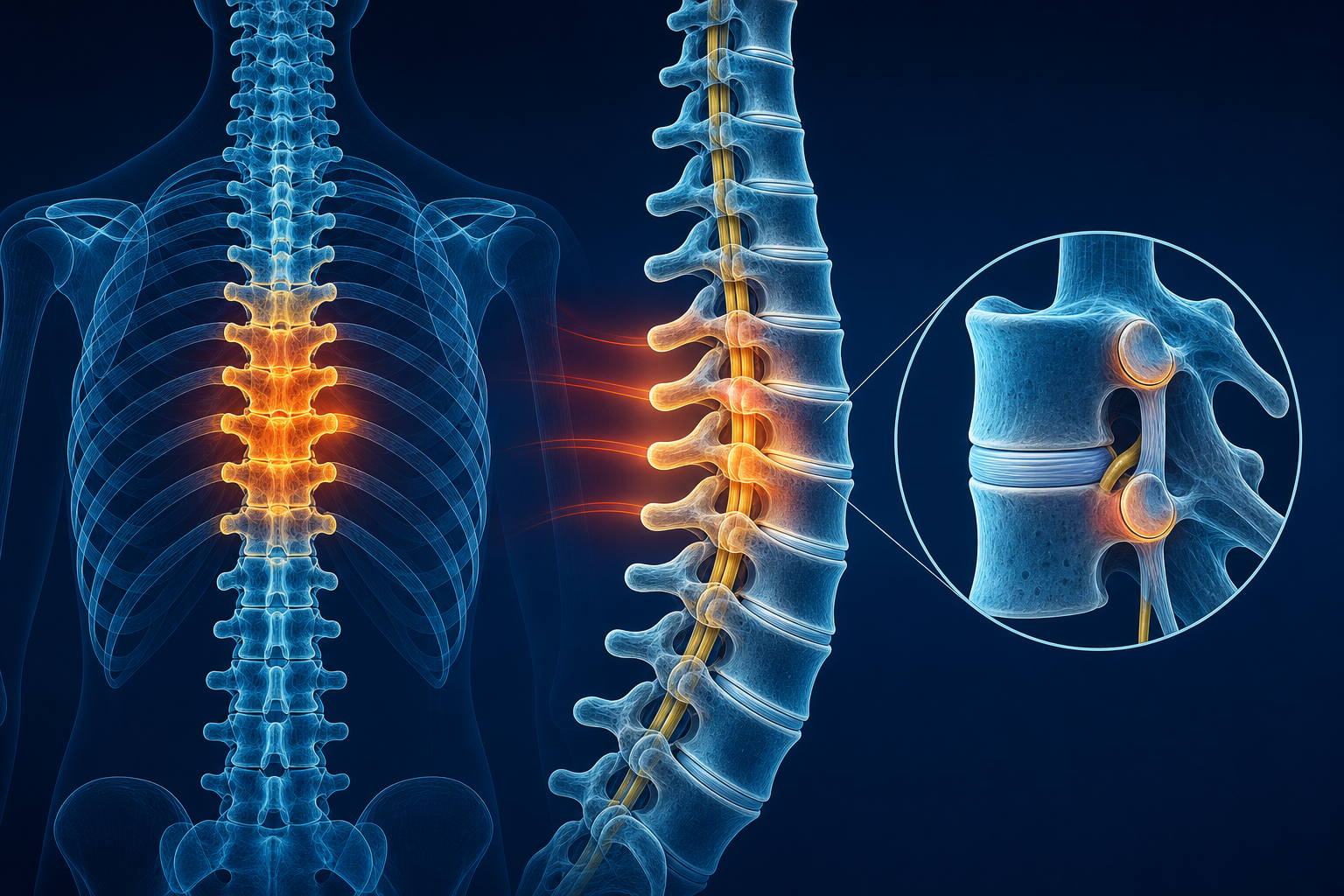
Thoracic spine pain can be a challenging condition to manage. This pain, located in the middle section of the back, can arise from various factors such as muscle strain, poor posture, disc problems, or trauma. For patients seeking relief, upper cervical care offers a unique and effective approach. This post provides valuable information and practical advice for managing thoracic spine pain through upper cervical chiropractic care and lifestyle changes.
Understanding Thoracic Spine Pain
The thoracic spine is composed of twelve vertebrae located between the cervical spine (neck) and the lumbar spine (lower back). Pain in this area can manifest as a sharp, stabbing pain or a dull, aching discomfort. It may be localized or radiate to other areas, significantly impacting daily activities and quality of life.
What is Upper Cervical Care?
Upper cervical care is a specialized form of chiropractic treatment focusing on the alignment of the top two vertebrae in the spine, known as the atlas (C1) and the axis (C2). These vertebrae support the head and enable a range of motion. Misalignment in this region can cause a chain reaction of compensations and imbalances throughout the spine, potentially contributing to thoracic spine pain.
Benefits of Upper Cervical Care for Thoracic Spine Pain
1. Pain Relief:
- Correcting upper cervical misalignments can reduce pressure on nerves and muscles, alleviating pain in the thoracic spine.
2. Improved Posture:
- Proper alignment helps maintain a healthy posture, reducing strain on the middle back.
3. Enhanced Nervous System Function:
- Upper cervical adjustments can improve nervous system function, promoting overall spinal health.
4. Non-Invasive Treatment:
- Upper cervical care is a non-surgical, drug-free approach that harnesses the body’s natural ability to heal.
Practical Advice for Managing Thoracic Spine Pain
While upper cervical care can provide significant relief, incorporating certain lifestyle changes and self-care practices can further enhance treatment outcomes. Here are some tips for managing thoracic spine pain:
1. Maintain Good Posture:
- Sitting: Use a chair that supports the natural curve of your spine. Keep your feet flat on the floor, and avoid slouching.
- Standing: Distribute your weight evenly on both feet and avoid standing for prolonged periods without breaks.
2. Ergonomic Adjustments:
- Workstation Setup: Ensure your computer screen is at eye level, and use an ergonomic chair and desk setup.
- Frequent Breaks: Take regular breaks to stretch and move around if you have a desk job.
3. Exercise Regularly:
- Strengthening Exercises: Focus on strengthening your core and back muscles to support your spine.
- Stretching: Incorporate stretching exercises to improve flexibility and reduce muscle tension.
4. Stay Active:
- Low-Impact Activities: Engage in low-impact activities like walking, swimming, or cycling to keep your body active without putting excessive strain on your back.
5. Practice Good Lifting Techniques:
- Proper Form: Bend at your knees, not your waist, and use your legs to lift heavy objects. Keep the object close to your body.
6. Stay Hydrated and Maintain a Healthy Diet:
- Hydration: Drink plenty of water to keep your spinal discs hydrated and healthy.
- Balanced Diet: Consume a diet rich in vitamins and minerals to support bone and muscle health.
7. Stress Management:
- Relaxation Techniques: Practice relaxation techniques such as deep breathing, meditation, or yoga to reduce stress, which can exacerbate pain.
8. Regular Chiropractic Visits:
- Follow-Up Care: Attend regular chiropractic appointments to monitor progress and make necessary adjustments to your treatment plan.
Final Thoughts
Managing thoracic spine pain involves a combination of upper cervical care and proactive self-care practices. By following the advice outlined in this post, patients can achieve significant pain relief, improved posture, and overall better spinal health. Regular chiropractic care, combined with healthy lifestyle choices, can empower patients to take control of their condition and enhance their quality of life.
By incorporating these tips and maintaining open communication with your chiropractor, you can manage thoracic spine pain effectively and enjoy a healthier, pain-free life.