If you are searching for an Upper Cervical Chiropractor, you may be dealing with pain at the base of the skull, upper neck stiffness, recurring headaches, or symptoms that seem to start near the top of the spine. Upper cervical chiropractic care is a focused form of conservative care that evaluates the relationship between the head, the first two neck vertebrae, and surrounding muscles and joints.
This type of care is not a cure-all, and it is not a substitute for medical evaluation when symptoms are severe or unusual. But for some patients, upper cervical treatment for neck pain may be part of a careful, non-surgical plan to improve mobility, reduce mechanical stress, and support more comfortable daily movement.
Medximity helps patients compare providers and learn about conservative care options. You can start by exploring chiropractors near you or reviewing care options for neck pain.
What Is an Upper Cervical Chiropractor?
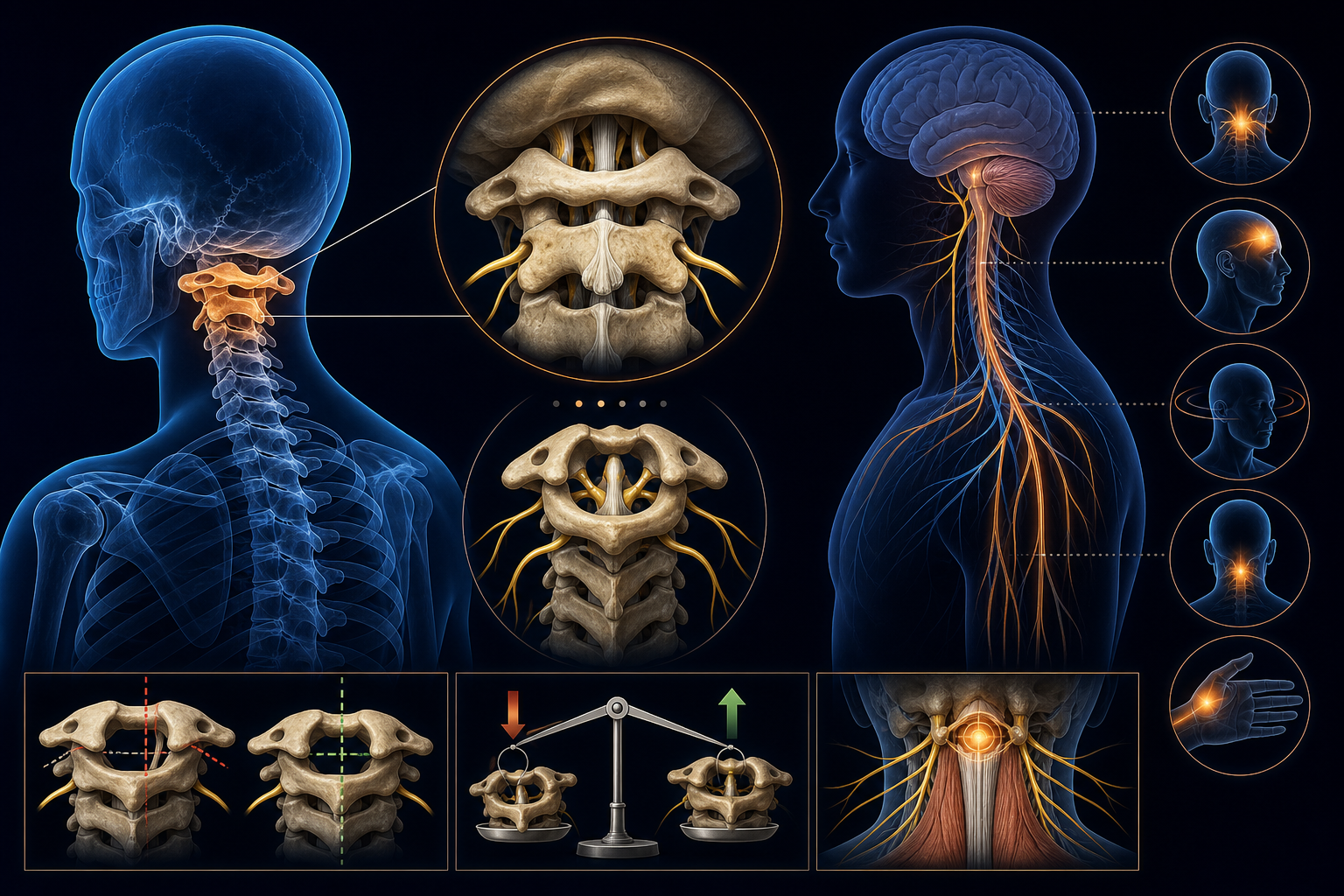
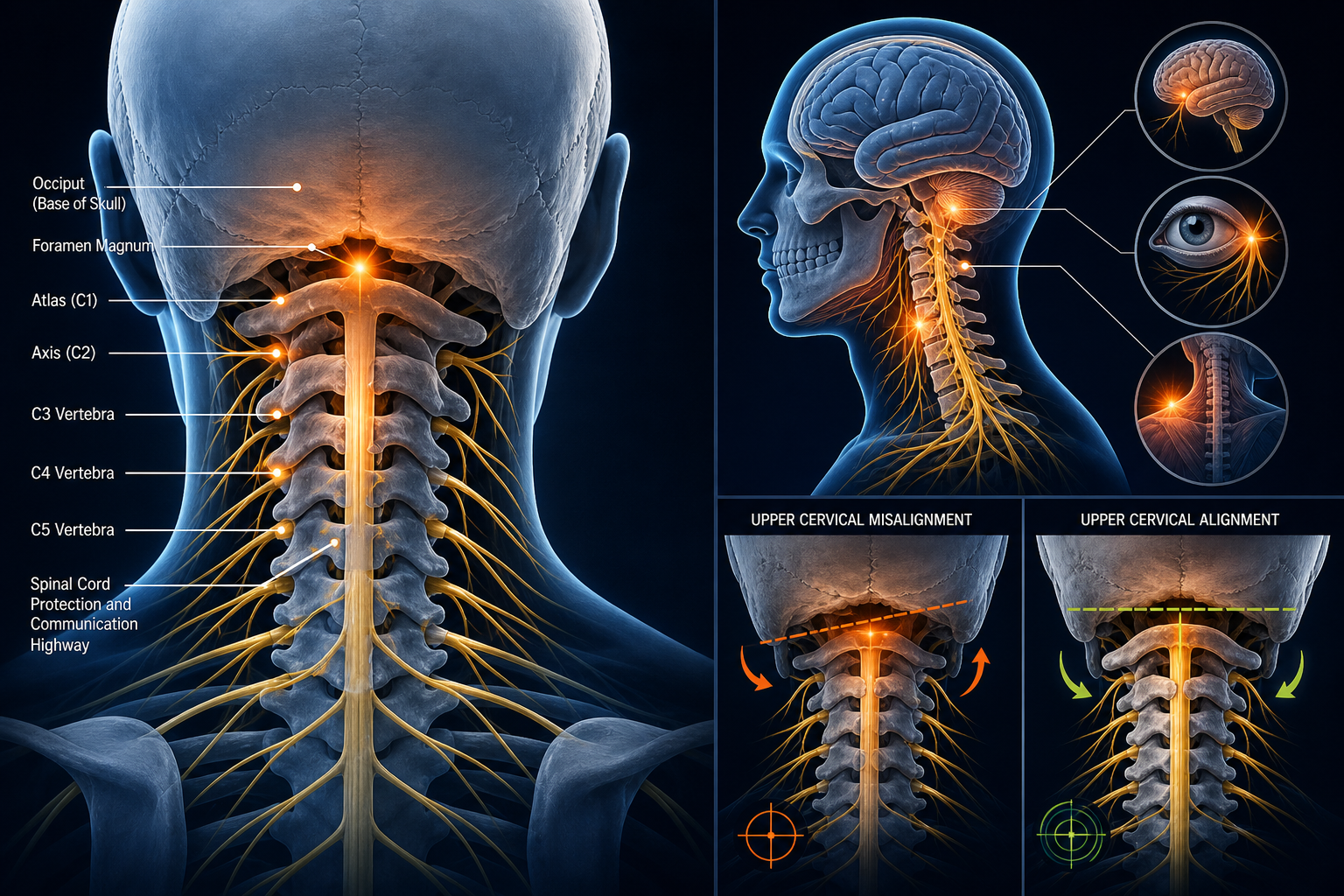
An upper cervical chiropractor is a chiropractor who places special emphasis on the uppermost part of the cervical spine, especially the atlas and axis. These are the first and second vertebrae in the neck. They sit directly beneath the skull and help support head movement, including nodding and rotation.
When patients ask, “what is an upper cervical chiropractor,” the simplest answer is this: it is a chiropractor who evaluates and treats mechanical issues in the upper neck with detailed assessment and often very gentle adjustment methods. The goal is not to force the neck into place. The goal is to identify joint restriction, muscle guarding, posture-related strain, or movement patterns that may be contributing to symptoms.
Upper cervical providers may use posture analysis, range-of-motion testing, orthopedic examination, palpation, and imaging when clinically appropriate. Some techniques use a very light, targeted correction. Others may use instrument-assisted or table-assisted approaches. Patients who want a gentle neck adjustment without cracking often ask about this style of chiropractic care.
Why the Upper Neck Can Cause Symptoms
The upper cervical spine is a small but highly active region. It supports the head, helps guide balance and orientation, and contains joints, ligaments, muscles, and nerves that can become irritated by injury, sustained posture, repetitive strain, or stress-related muscle tension.
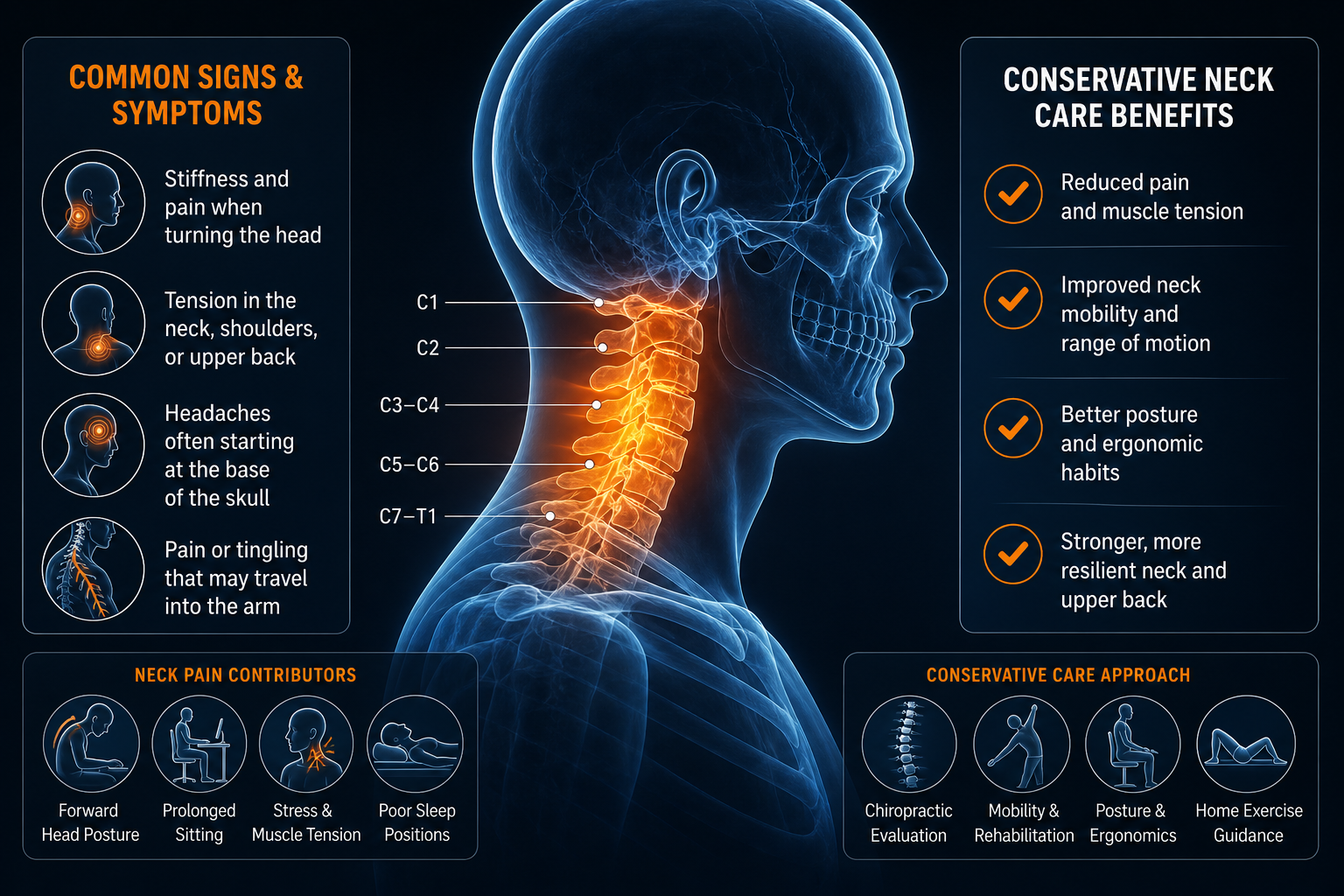
Some patients report symptoms such as:
- Pain at the base of the skull
- Upper neck stiffness or tightness
- Headaches that seem to start in the neck
- Pain that worsens after computer work or driving
- Reduced ability to turn the head
- Jaw, shoulder, or upper back tension that occurs with neck discomfort
- Dizziness or unsteadiness that needs proper evaluation
People often ask, “can upper neck misalignment cause dizziness?” The relationship can be complex. Neck joint and muscle irritation may be associated with dizziness-like symptoms in some cases, but dizziness can also come from inner ear conditions, neurological issues, medication effects, blood pressure changes, and other medical causes. New, severe, or unexplained dizziness should be evaluated by a qualified healthcare professional.
If headaches are a primary concern, you may also find Medximity’s information on headaches and conservative care helpful.
Upper Cervical Chiropractor vs Regular Chiropractor
Many patients compare an upper cervical chiropractor vs regular chiropractor. Both are licensed chiropractors trained to evaluate the spine, nervous system, and musculoskeletal function. The difference is usually focus and technique.
General chiropractic care
A general chiropractor may treat the entire spine, including the low back, mid back, neck, shoulders, hips, and extremities. Care may include spinal adjustments, soft tissue work, exercise recommendations, posture coaching, and ergonomic guidance.
Upper cervical chiropractic care
An upper cervical chiropractor concentrates more heavily on the head-neck junction and the biomechanics of the top two cervical vertebrae. Adjustments may be lower-force and more specific. Some patients seek this approach when they have upper neck pain, headache and neck pain, sensitivity to traditional manual neck adjustments, or symptoms that seem closely tied to the base of the skull.
Neither approach is automatically better for every patient. The best fit depends on your symptoms, health history, exam findings, preferences, and the provider’s clinical judgment.
Conditions and Symptoms Patients Commonly Ask About
Upper cervical chiropractic care may be considered for several musculoskeletal concerns. A provider should first determine whether your symptoms appear appropriate for conservative care or whether referral is needed.
Upper neck pain
Natural treatment for upper neck pain may include gentle chiropractic care, mobility exercises, postural changes, heat or ice guidance, and strengthening of the deep neck and upper back muscles. Upper cervical care may help some patients when restricted joints or muscle guarding are contributing factors.
Headaches with neck pain
A headache and neck pain chiropractor may evaluate whether cervical joint irritation, muscle tension, posture, or previous injury is associated with headache patterns. Not every headache is neck-related, so a careful history is important. Sudden, severe, or unusual headaches require prompt medical attention.
Pain at the base of the skull
Pain at the base of the skull is often described as tight, achy, sharp, or pressure-like. It may be related to suboccipital muscle tension, joint restriction, posture, or irritation from prolonged screen use. An upper cervical exam can help identify mechanical contributors.
Dizziness or balance concerns
Some patients seek care for neck pain along with dizziness. Because dizziness has many possible causes, a responsible provider will screen for red flags and refer for medical evaluation when needed. You can learn more about related symptom considerations on Medximity’s dizziness information page.
What to Expect at Your First Visit
Your first appointment with an upper cervical chiropractor usually starts with a detailed conversation. The provider may ask when symptoms began, what makes them better or worse, whether you had a fall or car accident, and whether you have headaches, numbness, weakness, dizziness, visual changes, or other symptoms.
A typical visit may include:
- Health history and symptom review
- Posture and movement assessment
- Neck range-of-motion testing
- Orthopedic and neurological screening when appropriate
- Palpation of the upper neck, shoulders, and surrounding muscles
- Discussion of whether imaging or referral is appropriate
- A care plan based on exam findings
If treatment is appropriate, the adjustment may feel very different from what many people imagine. Some upper cervical techniques use light pressure, a small hand contact, a specialized table, or an instrument. Patients looking for a gentle neck adjustment without cracking should ask the provider which techniques they use and whether those methods fit the patient’s comfort level.
For more background on different adjustment approaches, review Medximity’s guide to chiropractic adjustment.
Is Upper Cervical Chiropractic Safe?
Many patients ask, “is upper cervical chiropractic safe?” For appropriately selected patients, chiropractic care is generally considered a conservative treatment option. However, no healthcare intervention is risk-free, and the neck is an area that deserves careful evaluation.
A responsible chiropractor should review your health history, screen for warning signs, explain the proposed technique, discuss possible risks and benefits, and modify or avoid treatment when appropriate. You should tell your provider if you have osteoporosis, inflammatory arthritis, a history of stroke or vascular disease, cancer, infection, recent trauma, unexplained weight loss, progressive neurological symptoms, or severe sudden headache.
Seek urgent medical care if you experience symptoms such as sudden weakness, trouble speaking, facial drooping, loss of coordination, chest pain, fainting, severe sudden headache, fever with neck stiffness, or new numbness after injury.
How Long Does Upper Cervical Care Take?
There is no single answer to “how long does upper cervical care take.” The timeline depends on the nature of the problem, how long symptoms have been present, your overall health, work demands, sleep quality, posture habits, and whether exercises or ergonomic changes are part of the plan.
Some patients notice short-term changes in comfort or motion after a few visits. Others need a longer plan that includes strengthening, mobility work, and lifestyle adjustments. A good provider should reassess progress, avoid open-ended treatment without clear goals, and explain what improvement they are looking for.
Reasonable goals may include better neck motion, fewer symptom flare-ups, improved tolerance for work or driving, and a clearer self-care plan. Outcomes vary, and no provider should promise that care will eliminate pain or prevent future symptoms.
How to Find an Upper Cervical Chiropractor Near Me
If you are searching for an upper cervical chiropractor near me or the best upper cervical chiropractor near me, focus on fit rather than marketing claims. The right provider should listen carefully, explain findings clearly, and use an approach you understand and feel comfortable with.
Helpful questions to ask include:
- Do you regularly evaluate upper cervical spine conditions?
- What techniques do you use for upper neck treatment?
- Do you offer low-force or non-cracking options?
- How do you screen for symptoms that need medical referral?
- Will my care plan include exercises or posture recommendations?
- How will we measure progress?
You can use Medximity to search for upper cervical chiropractors and compare providers based on location, specialty focus, and available information. If your symptoms include broader spine or musculoskeletal concerns, you can also browse the main chiropractor directory.
Natural Treatment for Upper Neck Pain: What May Be Included
Upper cervical chiropractic care is often one part of a broader conservative plan. Depending on your exam, natural treatment for upper neck pain may include:
- Gentle upper cervical adjustment or mobilization
- Soft tissue work for tight suboccipital and neck muscles
- Deep neck flexor strengthening
- Scapular and upper back exercises
- Ergonomic changes for desk work
- Sleep position and pillow guidance
- Breathing and relaxation strategies for muscle tension
- Home mobility exercises matched to your tolerance
Physical therapy may also be appropriate for some patients, especially when symptoms are related to weakness, coordination, injury recovery, or long-term movement limitations. Medximity’s physical therapist directory can help you explore additional conservative care options.
When to See a Provider
Consider scheduling an evaluation if upper neck pain, headaches, or pain at the base of the skull lasts more than a few days, keeps returning, limits work or sleep, or follows an injury. You should also seek care if you notice reduced neck motion, symptoms that travel into the shoulder or arm, or dizziness that occurs with neck discomfort.
Seek urgent medical attention for severe or sudden symptoms, neurological changes, fever, unexplained weight loss, recent significant trauma, or the worst headache of your life. These symptoms may require medical evaluation before conservative care is considered.
FAQ: Upper Cervical Chiropractor
What is an upper cervical chiropractor?
An upper cervical chiropractor is a chiropractor who focuses on the top of the neck, especially the atlas and axis vertebrae. Care often involves detailed assessment and gentle, specific techniques intended to improve joint motion and reduce mechanical strain.
Can upper neck misalignment cause dizziness?
Neck dysfunction may be associated with dizziness-like symptoms in some patients, but dizziness can have many causes. Inner ear, neurological, cardiovascular, medication-related, and other medical issues should be considered. New, severe, or unexplained dizziness should be evaluated by a qualified healthcare professional.
Does upper cervical treatment help neck pain?
Upper cervical treatment for neck pain may help some patients when symptoms are related to joint restriction, muscle tension, posture, or movement patterns. Results vary, and a provider should base care on an exam rather than symptoms alone.
Is upper cervical chiropractic the same as regular chiropractic?
It is a specialized focus within chiropractic care. General chiropractors may treat the full spine and extremities, while upper cervical chiropractors place particular emphasis on the head-neck junction and often use very specific, low-force techniques.
How long does upper cervical care take?
The timeline varies. Some patients need only short-term care, while others benefit from a longer plan that includes adjustments, exercises, and ergonomic changes. Your provider should set goals and reassess progress over time.
Is upper cervical chiropractic safe?
For properly screened patients, it is generally considered a conservative care option. A chiropractor should review your health history, discuss risks and benefits, and refer you for medical care when symptoms suggest a condition outside chiropractic management.
Find Upper Cervical Chiropractic Care Through Medximity
If you are looking for an upper cervical chiropractor, Medximity can help you compare providers and learn what to ask before scheduling. Start with the upper cervical chiropractor search page, or explore related information about neck pain and conservative treatment options. The right provider should give you a clear evaluation, explain your options, and help you decide whether upper cervical care fits your needs.