If you are searching for upper cervical chiropractic services Dickson patients can access close to home, you may be dealing with pain at the base of the skull, stiffness when turning your head, or recurring upper neck tension. Upper cervical chiropractic care is a focused form of conservative spine care that evaluates the uppermost joints of the neck and how they may influence movement, muscle tension, and comfort.
This article explains what upper cervical chiropractic care is, how it differs from general chiropractic care, when it may be time to see a provider, and what to expect at your first visit. You can also use Medximity to search for chiropractors in Dickson and compare providers who may offer neck-focused care.
What Is Upper Cervical Chiropractic Care?
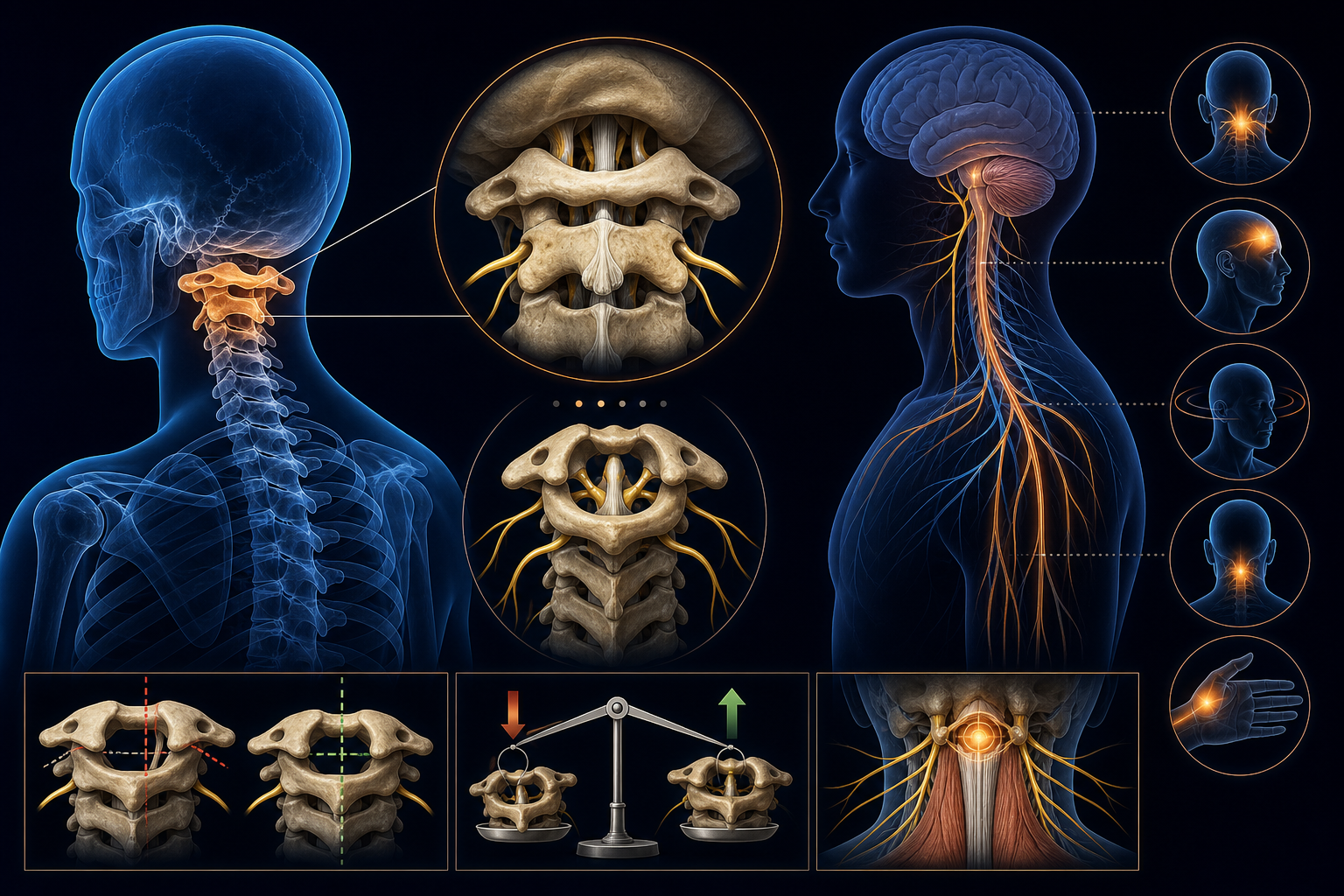
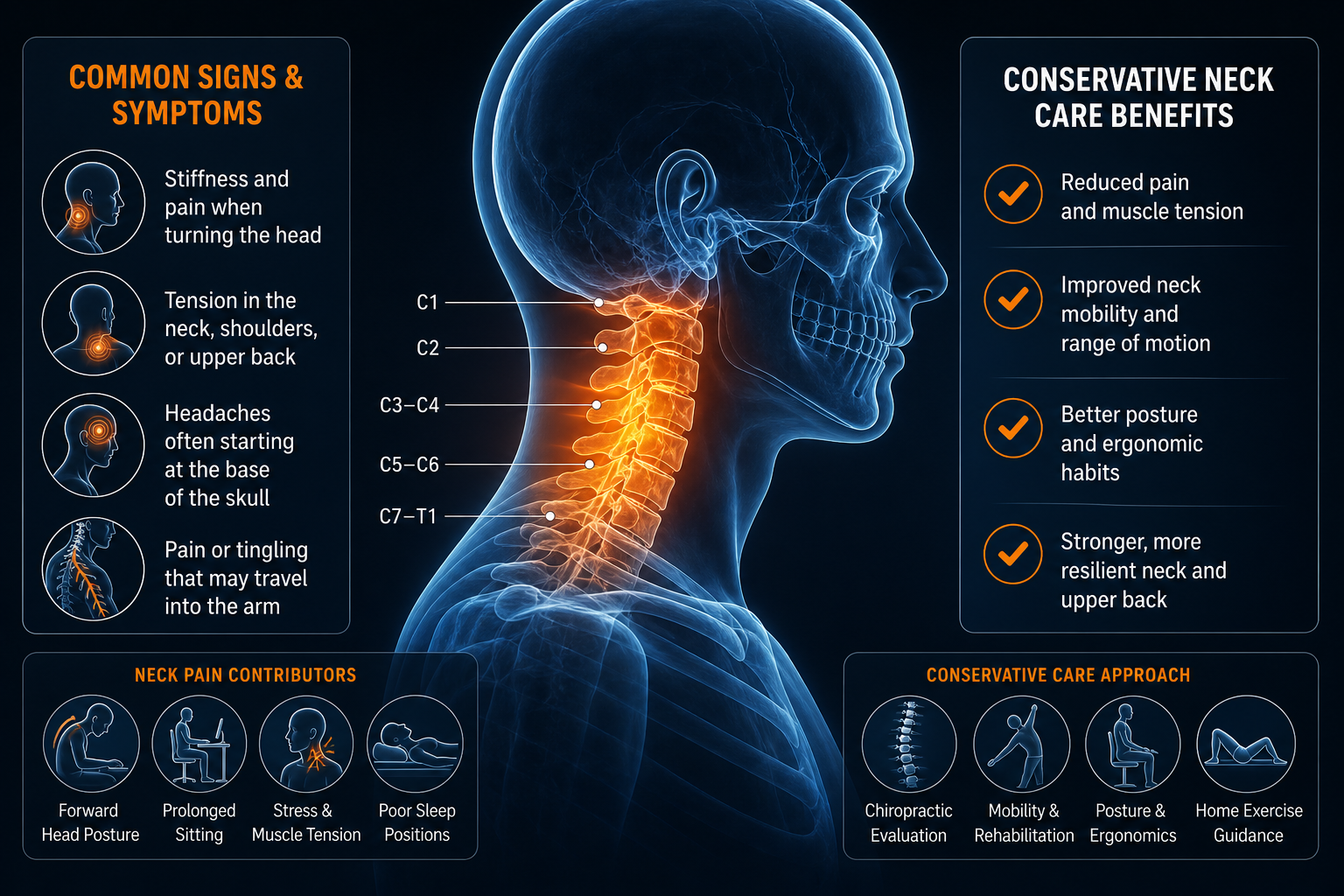
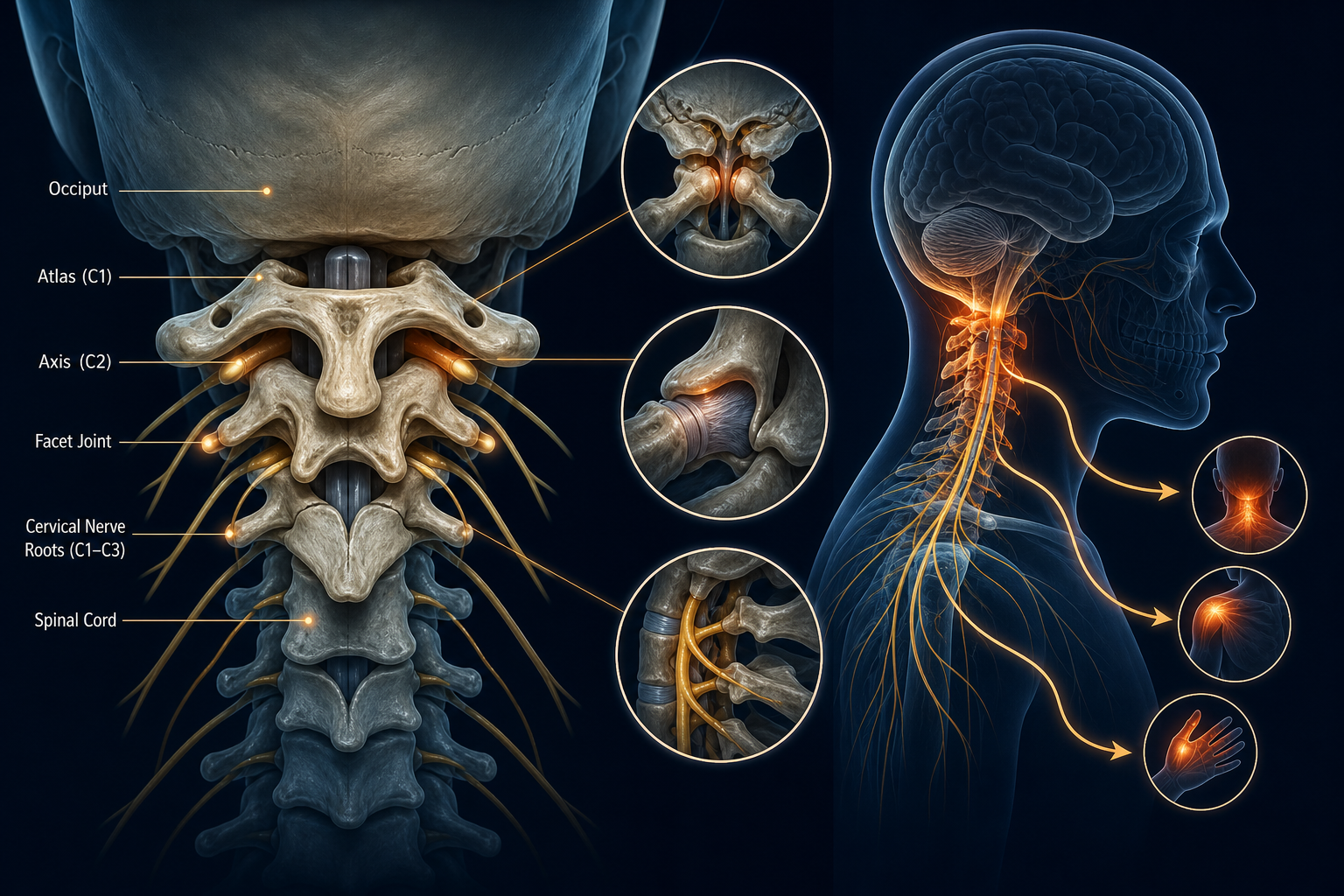
Upper cervical chiropractic care focuses on the top two vertebrae of the spine: the atlas, also called C1, and the axis, also called C2. These joints sit just below the skull and help support head movement, rotation, and posture. Because this area is close to the base of the skull, irritation or restricted movement may be associated with upper neck pain, headaches, and a feeling of tightness where the neck meets the head.
When patients ask, what is upper cervical chiropractic care, the simplest answer is this: it is a detailed assessment and conservative treatment approach for the upper neck. A chiropractor may evaluate posture, range of motion, muscle guarding, joint movement, and symptom patterns before deciding whether gentle adjustment or another non-invasive technique may be appropriate.
Upper cervical care does not diagnose every cause of neck pain, and it is not a guaranteed fix. However, for some patients, a focused evaluation of the upper neck may help identify movement limitations or mechanical stress that can be addressed with conservative care. You can learn more about common neck-related symptoms on Medximity's neck pain resource page.
Common Reasons People Look for Upper Cervical Care in Dickson
Patients often search for an upper cervical chiropractor near me when symptoms feel concentrated high in the neck rather than across the shoulders or lower cervical spine. The discomfort may come on after prolonged desk work, a sudden movement, a car accident, sports activity, or sleeping in an awkward position.
Neck Pain at the Base of the Skull
Neck pain at base of skull is one of the most common reasons people ask about upper cervical chiropractic services. This area contains small joints, ligaments, and deep stabilizing muscles that can become sensitive when movement is restricted or posture places repeated strain on the upper neck. Some patients describe this as pressure, aching, tightness, or tenderness below the back of the head.
Pain When Turning the Head Side to Side
Pain when turning head side to side may be related to joint stiffness, muscle guarding, or irritation from a recent strain. A chiropractor may check whether the limitation is coming from the upper cervical joints, the lower neck, the upper back, or surrounding soft tissue. If symptoms include weakness, numbness, severe dizziness, sudden severe headache, fever, or pain after significant trauma, prompt medical evaluation is important.
Headaches and Upper Neck Tension
Some headaches are associated with neck tension or restricted cervical movement, though many different factors can contribute to head pain. Upper cervical chiropractic care may be considered when headaches seem to start in the neck or are linked with posture and movement. Medximity's headache information page offers more general education about headache patterns and when to seek care.
Upper Cervical Chiropractic vs Regular Chiropractic
Patients often ask about upper cervical chiropractic vs regular chiropractic. Both are forms of chiropractic care, but the emphasis can be different. General chiropractic care may assess the full spine, including the neck, mid-back, low back, pelvis, and extremities. Upper cervical chiropractic care places special attention on the top of the neck and the relationship between head position, cervical alignment, and motion.
In an upper cervical visit, the chiropractor may use more detailed measurements of head and neck posture, specific range-of-motion testing, and a lighter or more targeted adjustment style. In a broader chiropractic visit, the provider may use multiple techniques across several regions. Neither approach is automatically better for every patient. The right fit depends on your symptoms, health history, exam findings, comfort level, and goals.
For a general overview of adjustment-based care, visit Medximity's chiropractic adjustment treatment page.
Is Upper Cervical Chiropractic Safe?
Is upper cervical chiropractic safe? For many patients, conservative neck care can be provided safely when a qualified clinician performs an appropriate exam, reviews health history, and screens for red flags. As with any healthcare service, risks and benefits should be discussed before treatment. Upper cervical techniques may vary from very gentle instrument-assisted methods to manual adjustments, so patients should ask what technique is being recommended and why.
Tell your provider about any history of osteoporosis, inflammatory arthritis, vascular conditions, recent trauma, cancer, unexplained weight loss, neurological symptoms, severe dizziness, or new severe headache. These details can affect whether chiropractic care is appropriate or whether another medical evaluation is needed first.
What to Expect at an Upper Cervical Chiropractor
If you are wondering what to expect upper cervical chiropractor visits to include, the first appointment is usually more than a quick adjustment. A provider will typically begin with a conversation about your symptoms, when they started, what makes them better or worse, and whether you have had prior injuries or treatment.
History and Examination
The chiropractor may assess posture, neck range of motion, muscle tenderness, joint mobility, balance, and neurological signs such as reflexes or sensation when clinically appropriate. If your symptoms followed a collision or sudden injury, the provider may ask more detailed questions about the mechanism of injury. Patients with accident-related neck pain can also read Medximity's whiplash resource page for additional context.
Treatment Planning
If upper cervical chiropractic care appears appropriate, your provider may explain the technique, the expected visit sequence, and how progress will be measured. Treatment may include a gentle upper neck adjustment, soft tissue work, posture education, mobility exercises, or home-care guidance. The goal is usually to reduce irritation, improve movement, and support better function, though individual results vary.
Follow-Up and Reassessment
A responsible plan should include reassessment. Your chiropractor may track changes in pain intensity, range of motion, ability to sleep, tolerance for desk work, and daily activities. If you are not improving as expected, they may modify the plan or recommend evaluation by another qualified healthcare provider.
Natural Treatment for Upper Neck Pain and Stiffness
Many patients looking for natural treatment for upper neck pain want options that do not involve surgery. Conservative care may include chiropractic treatment, physical therapy, therapeutic exercise, ergonomic changes, movement breaks, and gentle mobility work. The best approach often depends on whether the problem is primarily joint restriction, muscle irritation, posture-related strain, or recovery from an injury.
If you are asking how to fix upper neck stiffness, start with a provider evaluation rather than forcing painful stretches. In many cases, gentle movement, improved workstation setup, hydration, stress management, and guided strengthening may help. For some patients, co-management with a physical therapist may be useful, especially when weakness, poor endurance, or recurring movement patterns contribute to symptoms. You can use Medximity to find physical therapists near Dickson if rehabilitation is part of your care plan.
For patients seeking upper neck pain treatment without surgery, the focus is typically on restoring comfortable movement, reducing aggravating positions, and building better support around the neck and upper back. Conservative care is not a substitute for emergency or medical evaluation when warning signs are present, but it may be an appropriate first step for many mechanical neck complaints.
How to Choose the Best Upper Cervical Chiropractor in Dickson for Your Needs
There is no single objective answer to the best upper cervical chiropractor in Dickson for every patient. A good fit is usually a provider who listens carefully, explains findings clearly, screens for conditions that require medical referral, and gives you a care plan you understand. Ask whether the chiropractor regularly treats upper cervical complaints, what techniques they use, and how they measure progress.
It is also reasonable to ask about visit frequency, expected reassessment points, home exercises, and whether they coordinate with other providers when needed. Medximity's guide to questions to ask a chiropractor can help you prepare for a first appointment.
When to See a Provider
Consider seeing a chiropractor or other qualified healthcare provider if upper neck pain lasts more than a few days, keeps returning, limits your ability to turn your head, interferes with sleep, or follows a minor injury. Seek prompt medical attention for severe or unusual symptoms, including new weakness, numbness, trouble walking, fainting, fever, unexplained severe headache, or neck pain after a major fall or collision.
If you are ready to compare options for upper cervical chiropractic services Dickson patients may use for conservative neck care, start with Medximity's chiropractor directory and review provider profiles, services, and location details.
FAQ: Upper Cervical Chiropractic Services in Dickson
What conditions may upper cervical chiropractic care help with?
Upper cervical chiropractic care may help some patients with mechanical upper neck pain, stiffness, limited rotation, and headaches associated with neck tension. A provider should evaluate your specific symptoms before recommending care.
Does upper cervical chiropractic hurt?
Many upper cervical techniques are gentle, though mild soreness can occur after treatment for some patients. Your chiropractor should explain the technique and adjust the plan based on your comfort and clinical findings.
How many visits will I need?
The number of visits varies based on symptom duration, exam findings, activity demands, and response to care. A good provider should reassess progress and avoid promising a fixed outcome before evaluating you.
Can upper cervical chiropractic help pain when turning my head?
It may help if the pain is related to joint restriction, muscle guarding, or mechanical neck irritation. Pain with head rotation can have different causes, so an exam is important.
Should I see a chiropractor or physical therapist for upper neck pain?
Either may be appropriate depending on your symptoms and goals. Chiropractic care often focuses on joint mobility and spinal mechanics, while physical therapy may emphasize exercise, strength, and movement retraining. Some patients benefit from both.