If you are searching for upper cervical care Dickson options, you may be dealing with pain at the base of the skull, headaches, neck stiffness, dizziness, or the feeling that you cannot turn your head after sleeping. Upper cervical care is a conservative approach that focuses on the upper neck, especially the atlas and axis vertebrae near the base of the skull. For some patients, evaluating this area may help identify mechanical contributors to symptoms involving the neck, head, and upper back.
This article explains what upper cervical care is, when to see a provider, how it differs from a typical chiropractic adjustment, and what you can usually expect during an appointment. It is educational only and should not replace a diagnosis or treatment plan from a qualified healthcare professional.
What Is Upper Cervical Care?
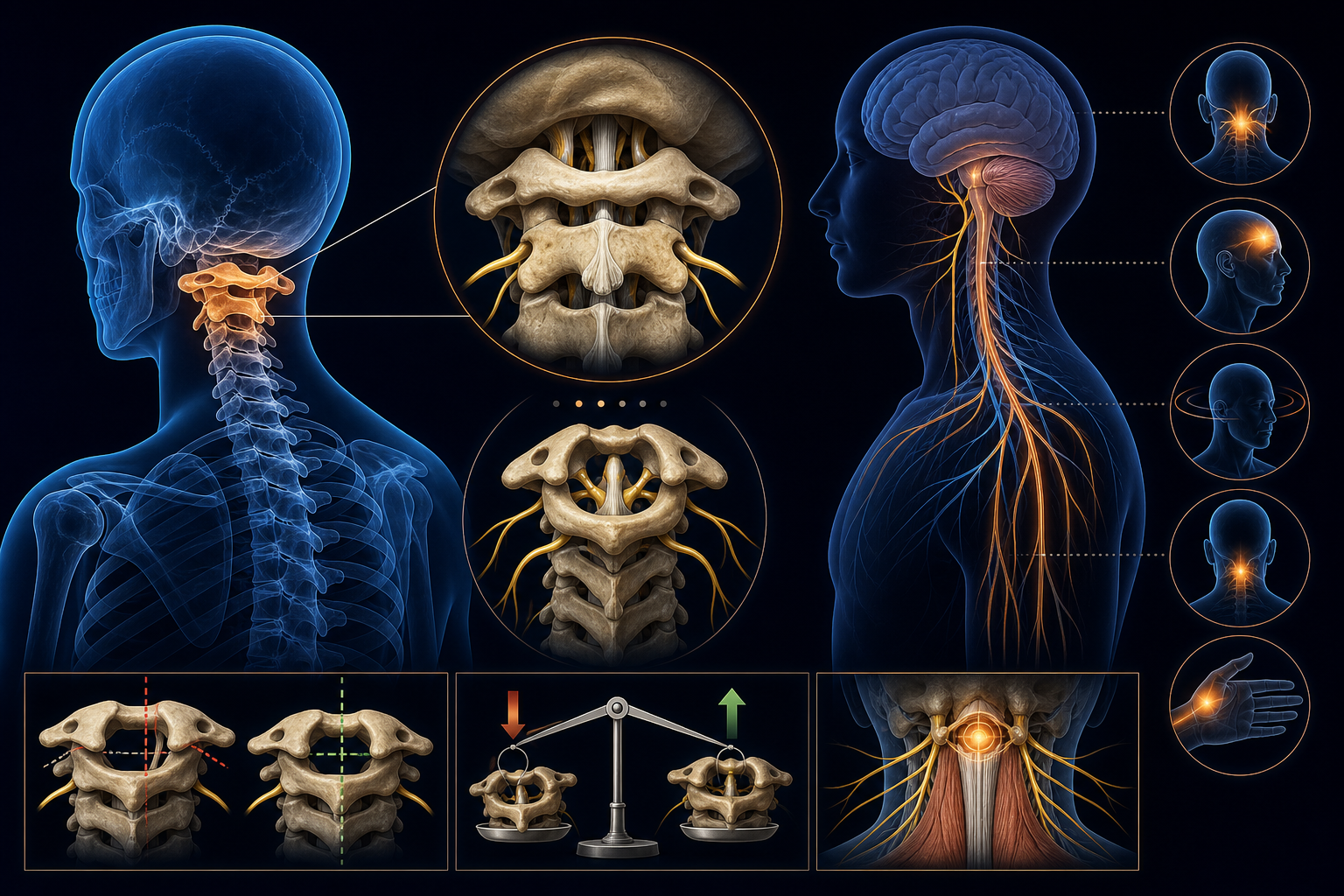
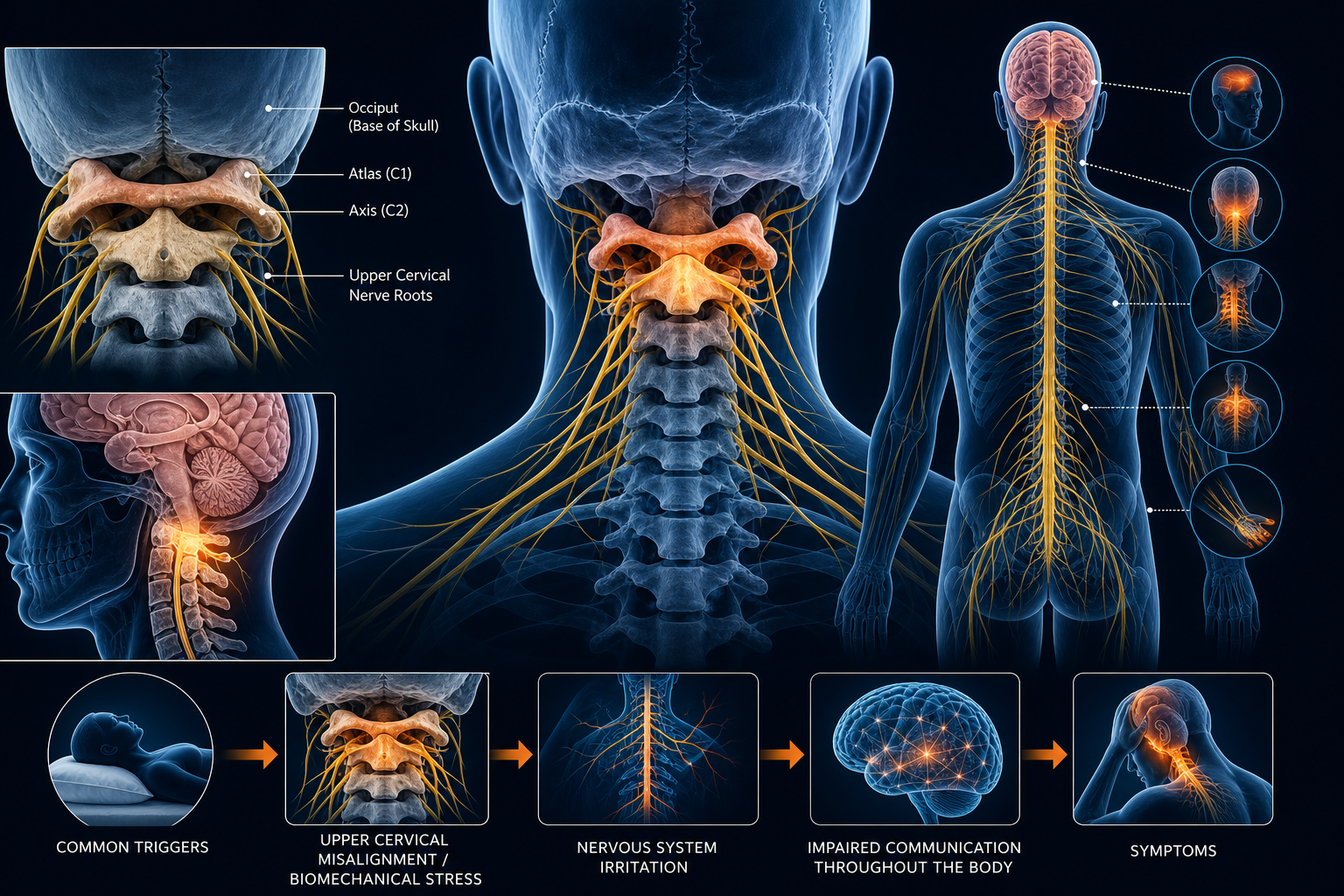
Upper cervical care is a focused form of conservative spine care centered on the top two bones of the neck: the atlas, also called C1, and the axis, also called C2. These joints sit just below the skull and help with head rotation, balance of the head over the spine, and normal neck motion.
When patients ask, what is upper cervical care, the short answer is that it is an assessment and treatment approach aimed at improving function in the upper neck. A provider may evaluate posture, range of motion, muscle guarding, joint mobility, and symptom patterns. Depending on findings, care may include gentle manual techniques, specific upper cervical adjustments, soft tissue work, mobility exercises, ergonomic guidance, or referral when symptoms suggest another cause.
You can learn more about the general approach in Medximity’s guide to what upper cervical care is.
Why the Upper Neck Can Affect Symptoms
The upper cervical region is small but mechanically important. It connects the head to the rest of the spine and contains joints, ligaments, muscles, and nerves that help coordinate head movement and position sense. Irritation or restricted motion in this area may be associated with discomfort at the base of the skull, neck tension, or headaches in some patients.
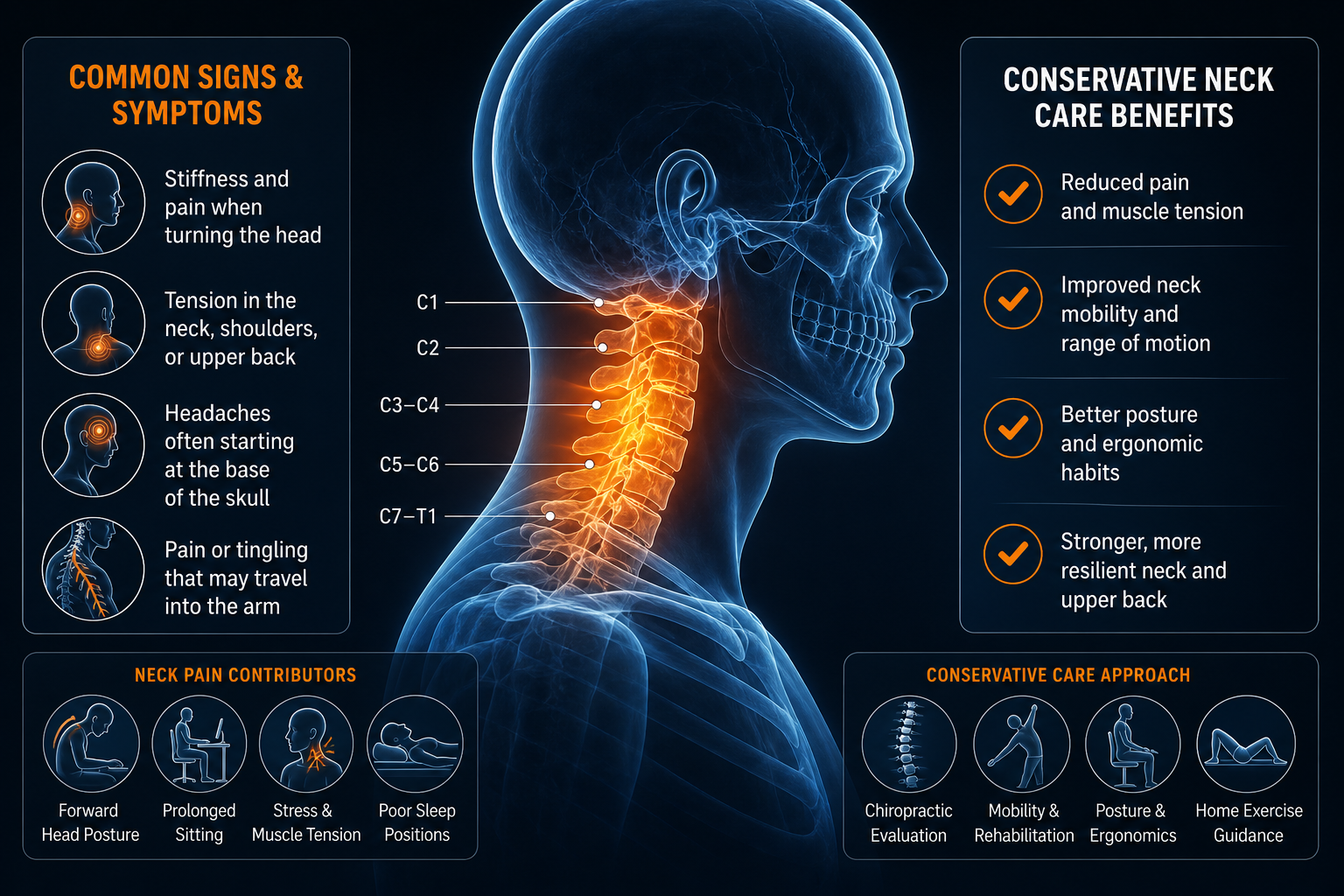
For example, tightness in the suboccipital muscles can contribute to tenderness where the skull meets the neck. Limited rotation at the upper cervical joints may make it difficult to check a blind spot while driving. Some patients also report headache patterns that begin in the neck and travel toward the scalp or behind the eyes. These symptoms can have many causes, so a proper evaluation matters.
Common Reasons Patients Look for Upper Cervical Care in Dickson
People often search for upper cervical care in Dickson after symptoms interfere with sleep, work, driving, or daily activity. Conservative care may be considered when symptoms appear related to neck movement, posture, muscle tension, or a recent strain. Common concerns include:
- Neck pain at base of skull: This may feel like pressure, aching, tenderness, or tightness where the head and neck meet.
- Headache and neck stiffness treatment: Some headaches are associated with neck joint or muscle irritation, although headaches should be evaluated carefully.
- Can’t turn head after sleeping: Waking with a stiff neck can happen after awkward positioning, muscle guarding, or joint irritation.
- Dizziness with neck pain: Some people report dizziness along with neck symptoms, but dizziness can come from many systems and should be assessed.
- Upper neck pain after prolonged sitting: Desk work, driving, and phone posture may contribute to upper neck strain in some cases.
If your primary concern is pain at the skull base, Medximity’s article on neck pain at the base of the skull may help you understand common mechanical factors and when to seek care.
Is Dizziness With Neck Pain Normal?
Many patients ask, is dizziness with neck pain normal? Dizziness can occur alongside neck pain, but it should not be ignored or assumed to be coming from the spine. Inner ear conditions, blood pressure changes, medication effects, neurological issues, dehydration, concussion, and other medical concerns can also cause dizziness.
If dizziness is severe, sudden, associated with fainting, chest pain, trouble speaking, facial drooping, new weakness, severe headache, vision changes, or difficulty walking, seek urgent medical attention. If dizziness is mild but recurring with neck stiffness, a qualified provider can help determine whether conservative neck care is appropriate or whether you need medical evaluation first.
For more background, read Medximity’s patient guide on dizziness and neck pain.
Upper Cervical Care vs Chiropractic Adjustment
Patients often compare upper cervical care vs chiropractic adjustment. Upper cervical care is usually more region-specific. It focuses on the top of the neck and may use lighter, more targeted techniques depending on the provider’s training and the patient’s presentation. A general chiropractic adjustment may address the neck, mid-back, low back, pelvis, or extremities based on broader spinal mobility findings.
Neither approach is automatically better for every patient. The right fit depends on symptoms, examination findings, health history, comfort level, and treatment goals. Some upper cervical chiropractors use instrument-assisted methods, while others use precise manual contacts. Some also combine care with rehabilitation exercises, postural training, and soft tissue work.
If you are comparing options, Medximity’s overview of chiropractic adjustment vs upper cervical care can help you prepare questions before an appointment.
When to See an Upper Cervical Chiropractor Near Dickson
Consider scheduling an evaluation with an upper cervical chiropractor near Dickson if neck stiffness, headaches, or upper neck pain lasts more than a few days, keeps returning, limits motion, affects sleep, or makes normal activities harder. You may also want to be evaluated after a fall, sports strain, motor vehicle collision, or sudden twist if symptoms persist or worsen.
Seek urgent medical care first if you have new neurological symptoms, severe trauma, fever with neck stiffness, unexplained weight loss, cancer history, severe sudden headache, loss of coordination, or symptoms that feel unlike anything you have experienced before. Conservative providers should screen for red flags and refer when needed.
To compare local options, visit Medximity’s directory for chiropractors near Dickson, TN. If your symptoms may benefit from strengthening, balance work, or post-injury rehabilitation, you can also search for physical therapists near Dickson, TN.
What to Expect at an Upper Cervical Care Visit
Your first visit usually begins with a health history. The provider may ask when symptoms started, what makes them better or worse, whether headaches or dizziness are present, and whether you have had prior injuries or imaging. Be honest about medical conditions, medications, recent trauma, and any symptoms that concern you.
Examination
The exam may include posture assessment, neck range of motion, palpation, orthopedic testing, neurological screening, balance or coordination checks when appropriate, and a review of how your symptoms respond to movement. Some providers may recommend imaging when clinically appropriate, but not every patient needs imaging before conservative care.
Treatment Plan
If upper cervical care appears appropriate, treatment may include gentle adjustment techniques, mobilization, soft tissue therapy, guided stretching, strengthening exercises, or advice for sleep position and workstation setup. The goal is typically to improve movement tolerance, reduce mechanical irritation, and help you return to normal activities safely.
Home Care
Your provider may suggest simple home strategies such as avoiding prolonged forward-head posture, adjusting your pillow height, taking movement breaks, or practicing prescribed exercises. These recommendations should be tailored to your exam findings, not copied from a generic routine.
How Long Does Upper Cervical Care Take?
How long does upper cervical care take depends on the condition, symptom duration, overall health, activity demands, and how your body responds. Some patients report early improvement in mobility or comfort, while others need a longer course of care, especially if symptoms have been present for months or are tied to posture, repetitive strain, or prior injury.
A responsible provider should explain the expected plan, reassess progress, and adjust care if you are not improving. If symptoms worsen or do not respond as expected, further evaluation or referral may be appropriate.
Natural Treatment for Upper Neck Pain Without Surgery
Many patients searching for natural treatment for upper neck pain want options that do not involve surgery. Upper cervical care without surgery may include hands-on care, therapeutic exercise, posture coaching, sleep-position changes, and activity modification. These approaches may help certain mechanical neck complaints, but they are not a substitute for medical care when symptoms suggest infection, fracture, neurological involvement, or another serious condition.
Conservative care works best when it is specific. A plan for someone who woke up and cannot turn their head after sleeping may differ from a plan for someone with recurring headaches, whiplash history, or dizziness. The best upper cervical chiropractor in Dickson for you is not simply the one with the strongest marketing claim; it is a provider who listens, screens appropriately, explains findings clearly, and personalizes care.
How to Choose the Best Upper Cervical Chiropractor in Dickson for Your Needs
When looking for the best upper cervical chiropractor Dickson patients can start by reviewing training, services, patient communication style, appointment availability, and whether the provider coordinates with other healthcare professionals when needed. Ask what techniques they use, how they evaluate dizziness or headaches, what signs would prompt referral, and how they measure progress.
You may also want to ask whether the clinic offers rehabilitation exercises, ergonomic guidance, or collaborative care with physical therapy. For headache patterns that may be neck-related, Medximity’s article on cervicogenic headaches can help you understand what to discuss during your visit.
Finding Upper Cervical Care in Dickson
Upper cervical care may be worth discussing with a qualified provider if you have persistent upper neck pain, stiffness, headaches that seem linked to neck movement, or recurring discomfort at the base of the skull. A careful evaluation can help determine whether conservative care is appropriate and what type of treatment plan fits your symptoms.
Use Medximity to compare local chiropractic and rehabilitation providers, review services, and find a clinician who can evaluate your specific situation. If you are unsure where to start, begin with a conservative care consultation and ask clear questions about diagnosis, treatment options, expected progress, and when referral would be needed.