Anatomy of the Diagnostic Terms
Understanding the specific nuances of a health condition is pivotal. Let's embark on a journey to decipher the medical jargon surrounding this migraine type:
- Migraine without Aura: The term essentially paints a picture of a migraine that strikes without prior warning signals, or auras. Auras could range from visual disturbances to sensory changes. Here, the patient does not experience these precursors.
- Intractable: This term indicates that the migraine proves stubborn and resists many typical interventions, complicating the management process.
- With Status Migrainosus: A migraine that refuses to relent for more than 72 hours enters the territory of status migrainosus. It's a severe and extended form of a migraine attack.
The Health Implications of this Diagnosis
Having such a diagnosis is not merely about enduring headaches; its implications run deep:
- Physical Well-being: Such migraines are not just episodic, they're chronically taxing. They can interfere with daily routines, disturb sleep, and lead to general physical fatigue.
- Mental and Emotional Health: Constant pain or the looming threat of an attack can foster anxiety and depression. The psychological strain of handling intractable pain can be immense.
- Social Interactions: Recurrent and prolonged migraines can disrupt social engagements, leading to potential feelings of isolation or straining interpersonal relationships.
Symptoms Associated with this Migraine Type
A migraine without aura, intractable, with status migrainosus, is characterized by:
- Persistent, throbbing pain, typically on one side of the head
- Heightened sensitivity to environmental stimuli like light, sounds, or smells
- Nausea, which can escalate to vomiting
- An overwhelming desire for a quiet, darkened room to alleviate the sensory overload
The Role of Upper Cervical Care
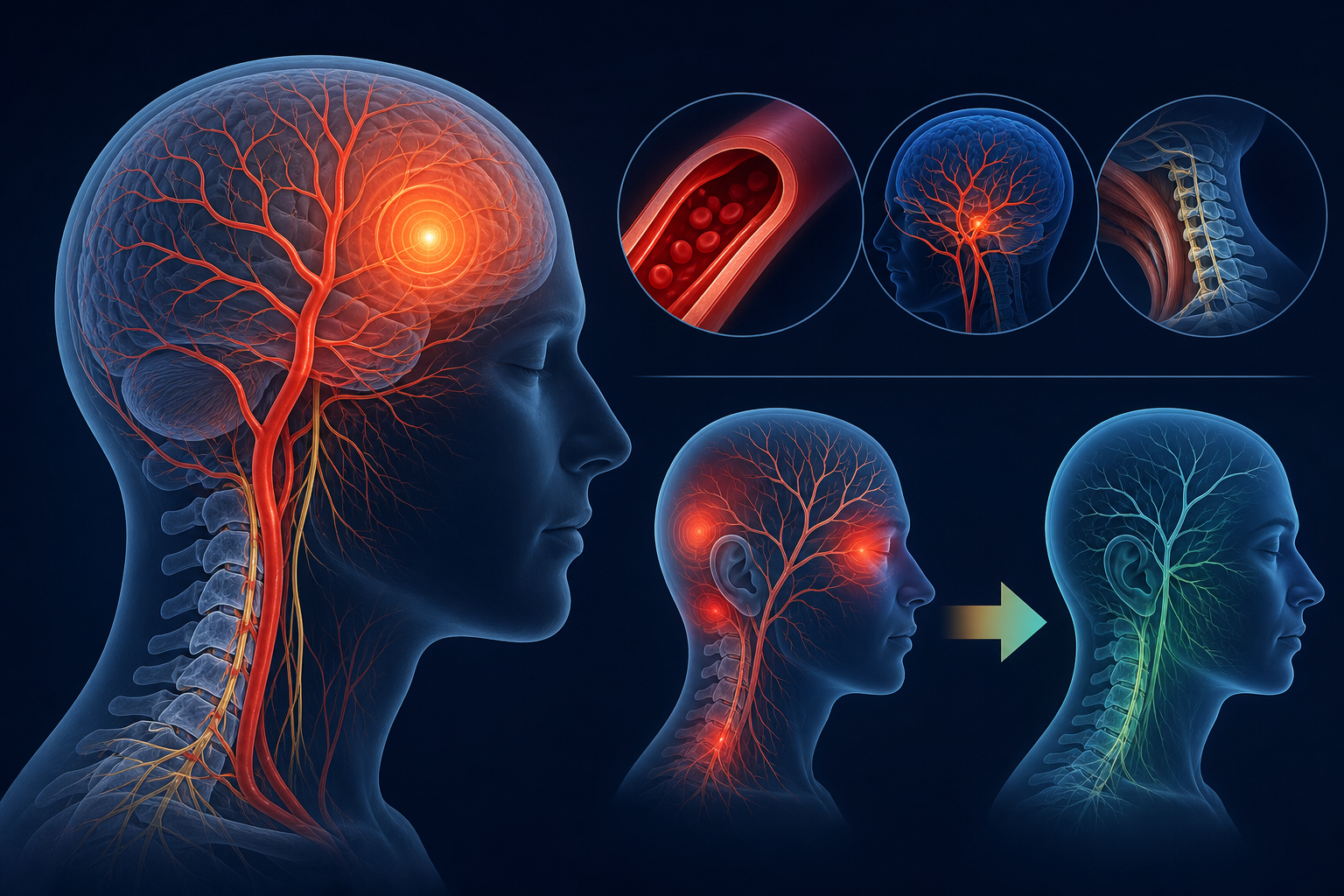
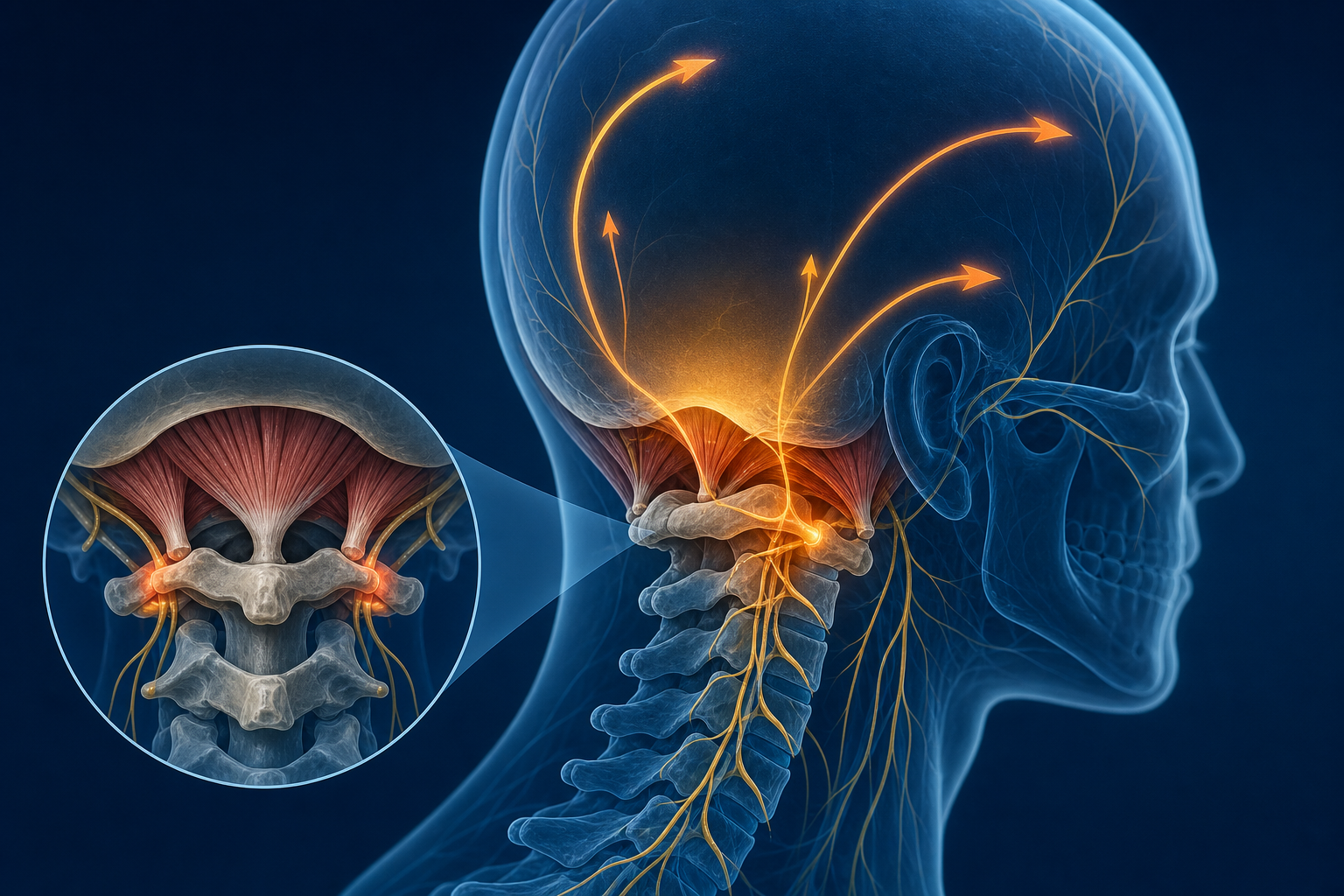
The spine is the structural core of the body, and its upper cervical region has direct neural pathways affecting head and brain health.
1. Diagnostic Deep Dive: The journey commences with a meticulous exploration of the patient's medical history, buttressed by a physical examination and imaging studies if necessary. The focus remains on spotting any misalignments or irregularities in the upper cervical region.
2. Customized Care Plans: Rooted in the findings, a unique care strategy is designed, predominantly revolving around upper cervical adjustments to rectify the identified misalignments.
3. Lifestyle and Habit Counselling: Beyond adjustments, the care extends to offering guidance on habits. This encapsulates everything from posture enhancements, stress mitigation techniques, to dietary changes, all aimed at fostering a conducive environment for healing and well-being.
Setting Post-Care Expectations
Post-treatment experiences can be diverse. Some might bask in immediate relief, while others might tread a path of steady progress. Temporary symptom fluctuations post-adjustment aren’t uncommon either.
To harness the best from the care:
- Maintain an open dialogue with the upper cervical chiropractor. This helps in tailoring ongoing strategies and addressing any concerns.
- Embrace the lifestyle changes proposed to supplement the hands-on care.
Variables Influencing Health Projections
The trajectory of recovery and health outcomes can be swayed by a melange of factors:
- Baseline Health Status: Lifestyle elements like diet, physical activity, and stress management can either mitigate or magnify migraine triggers.
- Age Dynamics: Migraines are age-agnostic, but therapeutic responses might be age-dependent, given the body's varying healing capabilities across different life stages.
- Gender Influences: Hormonal fluctuations make women more susceptible to migraines. Understanding and navigating these hormonal tides can be crucial.
- History and Duration: The longer the condition's history, the more intricate its management might become.
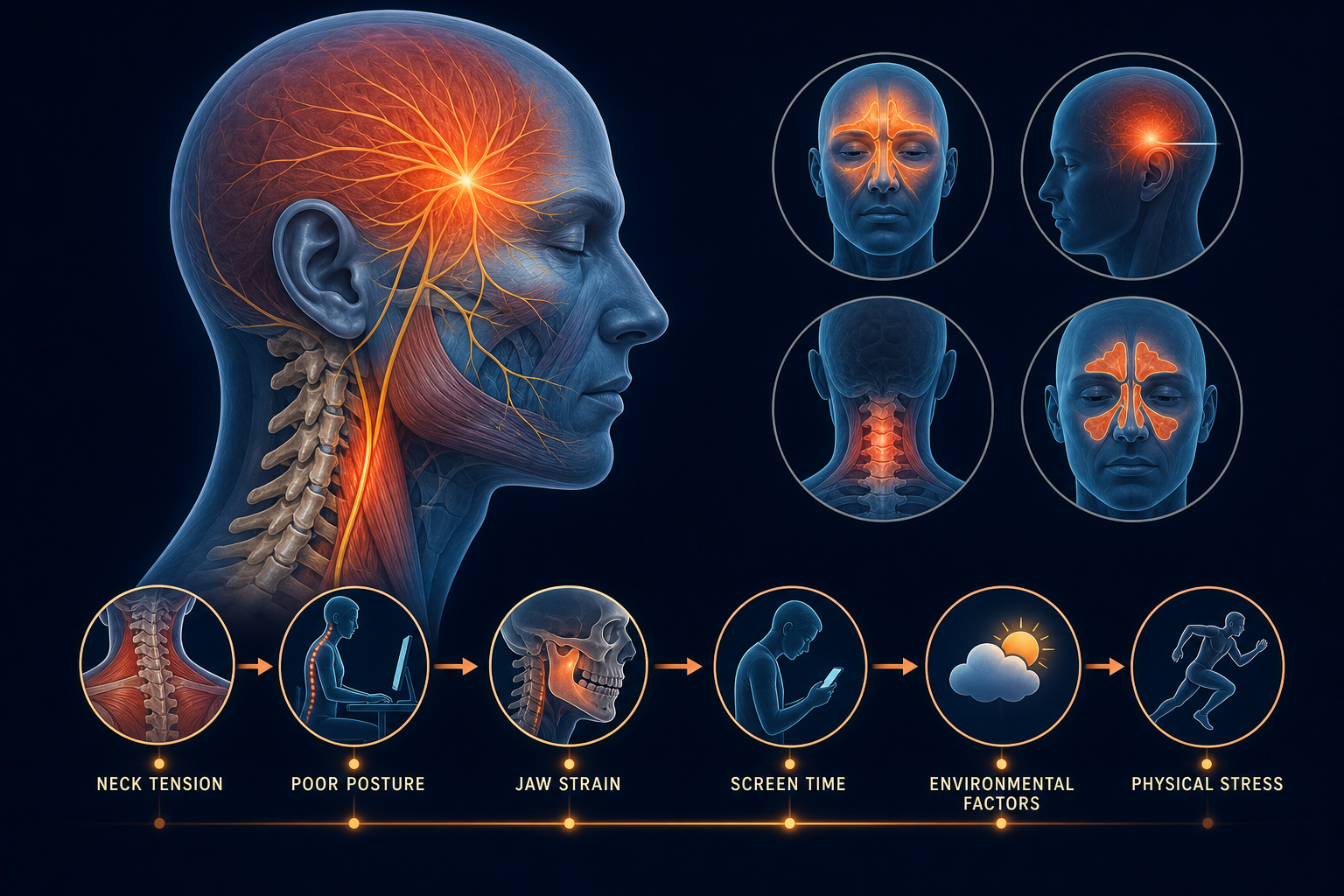
- Trigger Identification: Recognizing personal migraine triggers, be they dietary, environmental, or stress-induced, can be instrumental in crafting preventive strategies.
In Summation
Migraine without aura, intractable, with status migrainosus, is a complex condition, but it's not insurmountable. The approach of upper cervical care offers a holistic pathway, blending hands-on interventions with lifestyle changes. While the journey might be challenging, armed with knowledge and the right care, better health is attainable. Engaging with health professionals, staying informed, and active participation in the healing journey are the keystones to navigating this condition.