Neck pain, a prevalent yet often underestimated condition, affects millions of individuals worldwide. From minor discomfort to excruciating agony, neck pain can significantly impact daily life and hinder productivity. In the realm of medical coding, neck pain finds its classification in the ICD-10-CM code M99.01, denoting segmental and somatic dysfunction of the cervical region. Let's delve into the intricacies of neck pain, exploring its causes, symptoms, treatments, and its profound impact on individuals' lives.
Understanding Neck Pain:
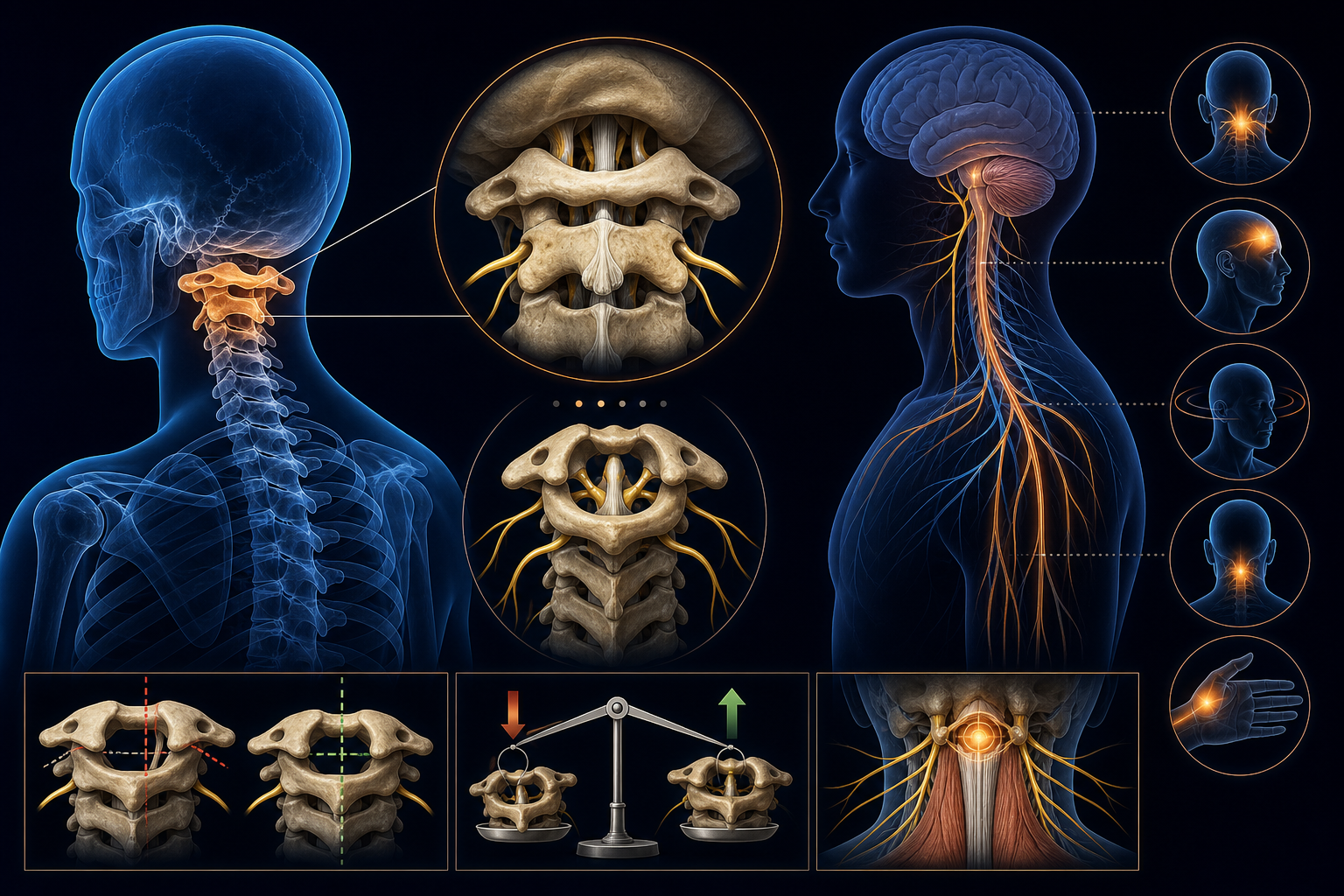
The cervical region, comprising seven vertebrae, supports the weight of the head and facilitates its mobility. The interplay of bones, muscles, ligaments, and nerves in this region allows for a wide range of motion. However, this intricate structure also renders the neck vulnerable to various conditions and injuries, leading to pain and discomfort.
Causes of Neck Pain:
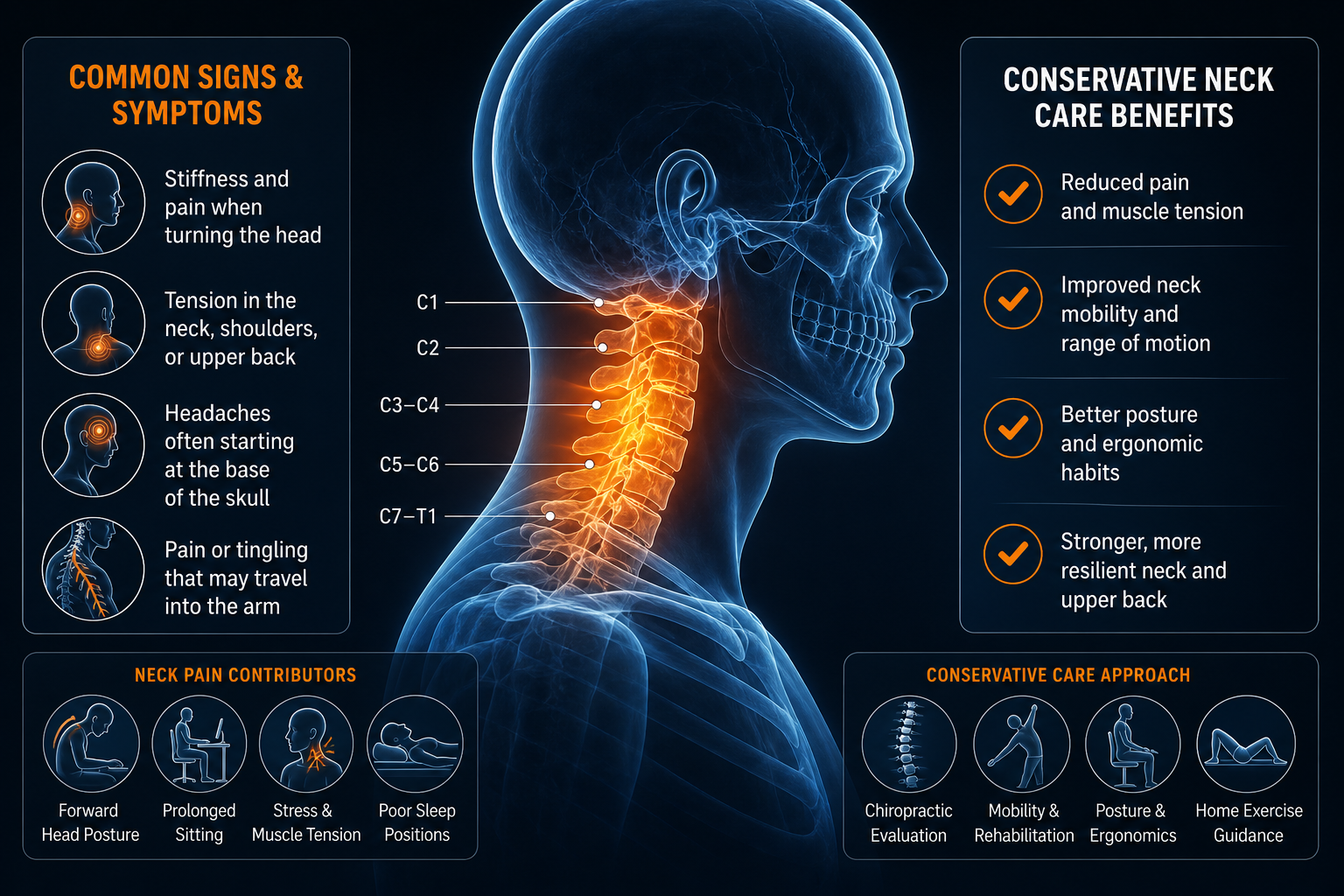
Neck pain can stem from a myriad of factors, including poor posture, muscle strain, trauma, degenerative disorders, and underlying medical conditions. Prolonged hours spent hunched over screens, improper ergonomics, and repetitive movements contribute to muscular imbalances and strain in the cervical region. Moreover, accidents, such as whiplash injuries from car collisions, can result in acute neck pain and stiffness.
Degenerative conditions like cervical spondylosis, herniated discs, and osteoarthritis exacerbate neck pain by causing structural changes and nerve compression. Lifestyle factors, such as obesity, smoking, and sedentary habits, further exacerbate the risk of developing neck pain and related complications.
Symptoms of Neck Pain:
The manifestation of neck pain varies from person to person and depends on the underlying cause. Common symptoms include localized pain and tenderness in the neck, stiffness, limited range of motion, and muscle spasms. Individuals may also experience radiating pain into the shoulders, arms, and hands, accompanied by numbness, tingling sensations, and weakness. Cervicogenic headaches, originating from dysfunction in the cervical spine, often accompany neck pain and contribute to overall discomfort.
Impact on Quality of Life:
Neck pain transcends physical discomfort and significantly impacts individuals' emotional well-being and quality of life. The persistent, nagging pain disrupts sleep patterns, impairs concentration, and diminishes productivity. Simple tasks like driving, working at a computer, or engaging in recreational activities become daunting challenges. Chronic neck pain can lead to anxiety, depression, and social isolation, as individuals grapple with the limitations imposed by their condition.
Diagnosis and Treatment:
Diagnosing the underlying cause of neck pain requires a comprehensive evaluation by a healthcare professional. Physical examination, imaging studies such as X-rays, MRI scans, and electromyography (EMG) help identify structural abnormalities, nerve compression, and soft tissue injuries. Understanding the patient's medical history, lifestyle factors, and ergonomic habits aids in formulating an effective treatment plan.
Treatment modalities for neck pain encompass a multidisciplinary approach aimed at alleviating symptoms, improving function, and addressing underlying causes. Conservative measures, including rest, ice or heat therapy, physical therapy, and chiropractic care, focus on reducing inflammation, restoring mobility, and strengthening muscles. Nonsteroidal anti-inflammatory drugs (NSAIDs), muscle relaxants, and analgesics provide symptomatic relief from pain and discomfort.
In cases of severe or persistent neck pain refractory to conservative treatments, interventional procedures such as corticosteroid injections, nerve blocks, and radiofrequency ablation may be considered to target specific sources of pain and inflammation. Surgical intervention, though rare, becomes necessary in cases of spinal instability, significant disc herniation, or progressive neurological deficits.
Prevention and Lifestyle Modifications:
Preventing neck pain entails adopting healthy lifestyle habits and ergonomic practices. Maintaining good posture, taking frequent breaks during prolonged sitting or computer use, and incorporating regular stretching and strengthening exercises into daily routines help alleviate strain on the cervical spine. Using supportive pillows and mattresses that promote proper alignment of the head and neck during sleep enhances restorative rest and reduces the risk of waking up with stiffness and discomfort.
Cultivating mindfulness of body mechanics and implementing ergonomic adjustments in work and leisure environments mitigate the risk of developing neck pain and related musculoskeletal disorders. Embracing a holistic approach to wellness, including stress management techniques, regular physical activity, and maintaining a healthy weight, fosters overall musculoskeletal health and resilience.
Empowering individuals with knowledge and resources to prioritize self-care and proactive management of neck pain cultivates resilience and enhances quality of life. Through education, advocacy, and access to multidisciplinary care, we can alleviate the burden of neck pain and empower individuals to live vibrant, fulfilling lives.
Conclusion:
Neck pain, a pervasive and multifaceted condition, poses significant challenges to individuals' physical, emotional, and social well-being. Recognizing the complexities of neck pain and its profound impact on daily life underscores the importance of early intervention, comprehensive evaluation, and tailored treatment approaches. By fostering collaboration between healthcare providers, promoting ergonomic awareness, and empowering individuals to prioritize self-care, we can alleviate the burden of neck pain and cultivate a culture of wellness and resilience. Together, let us embark on a journey towards healing, restoration, and renewed vitality in the face of neck pain's challenges.