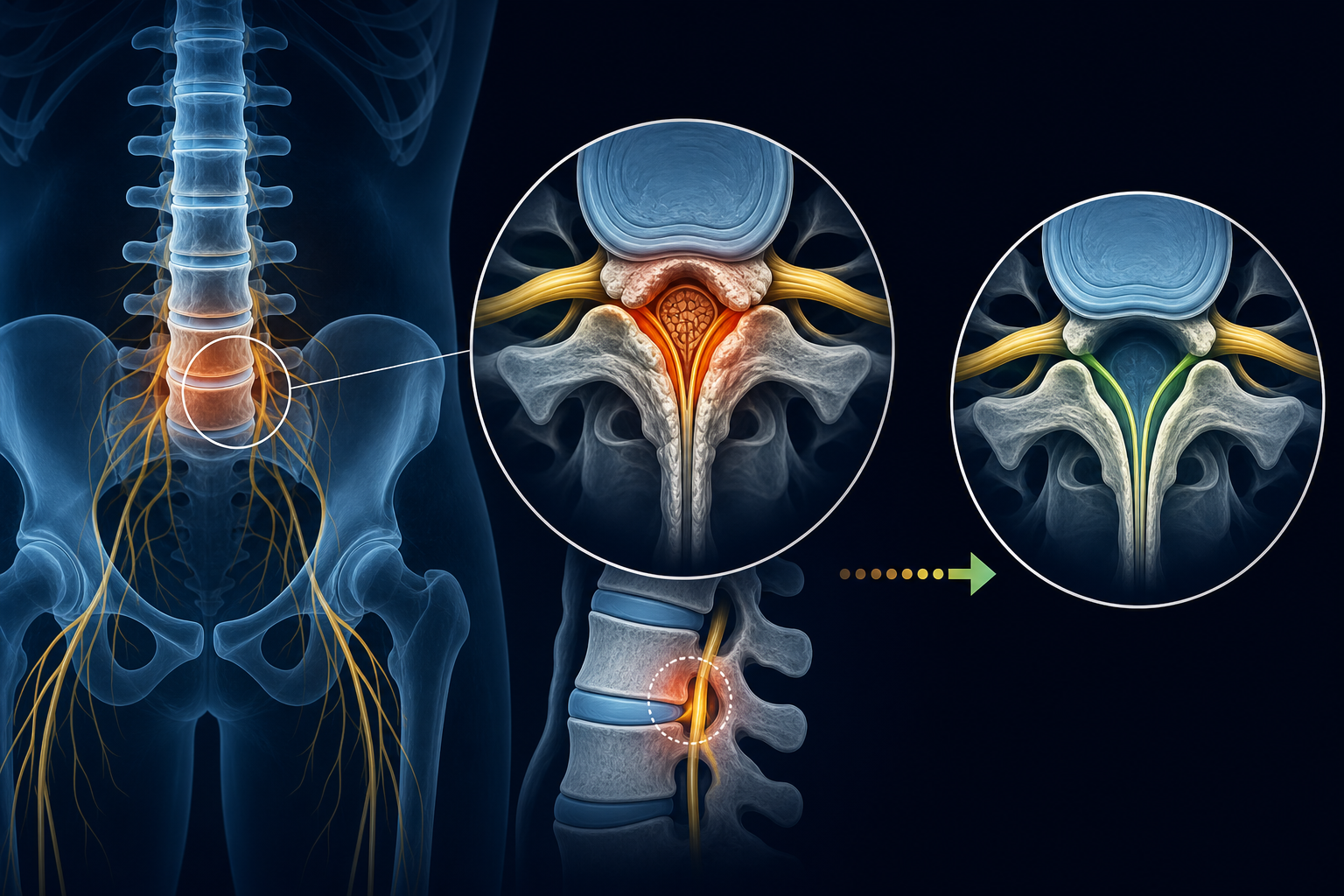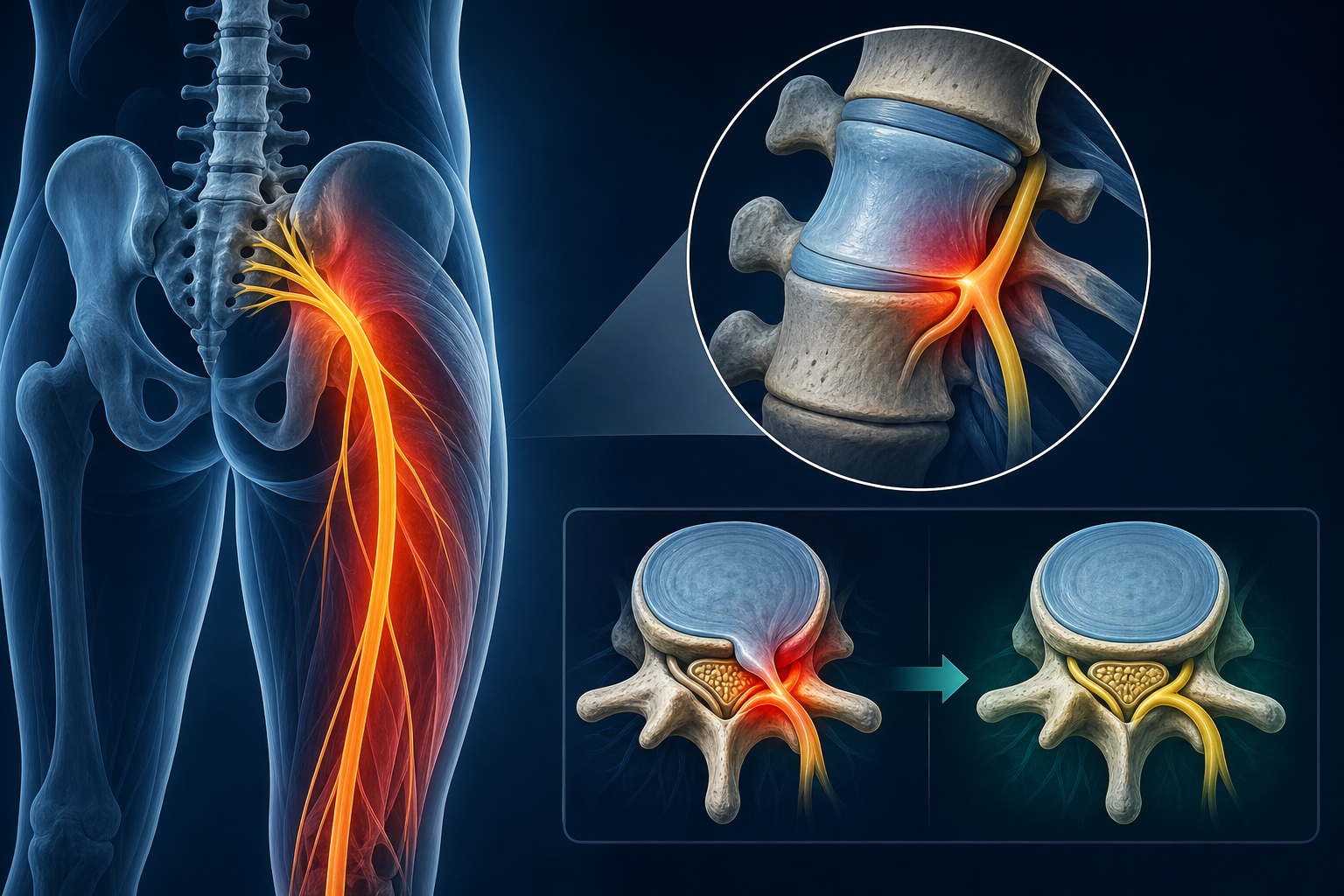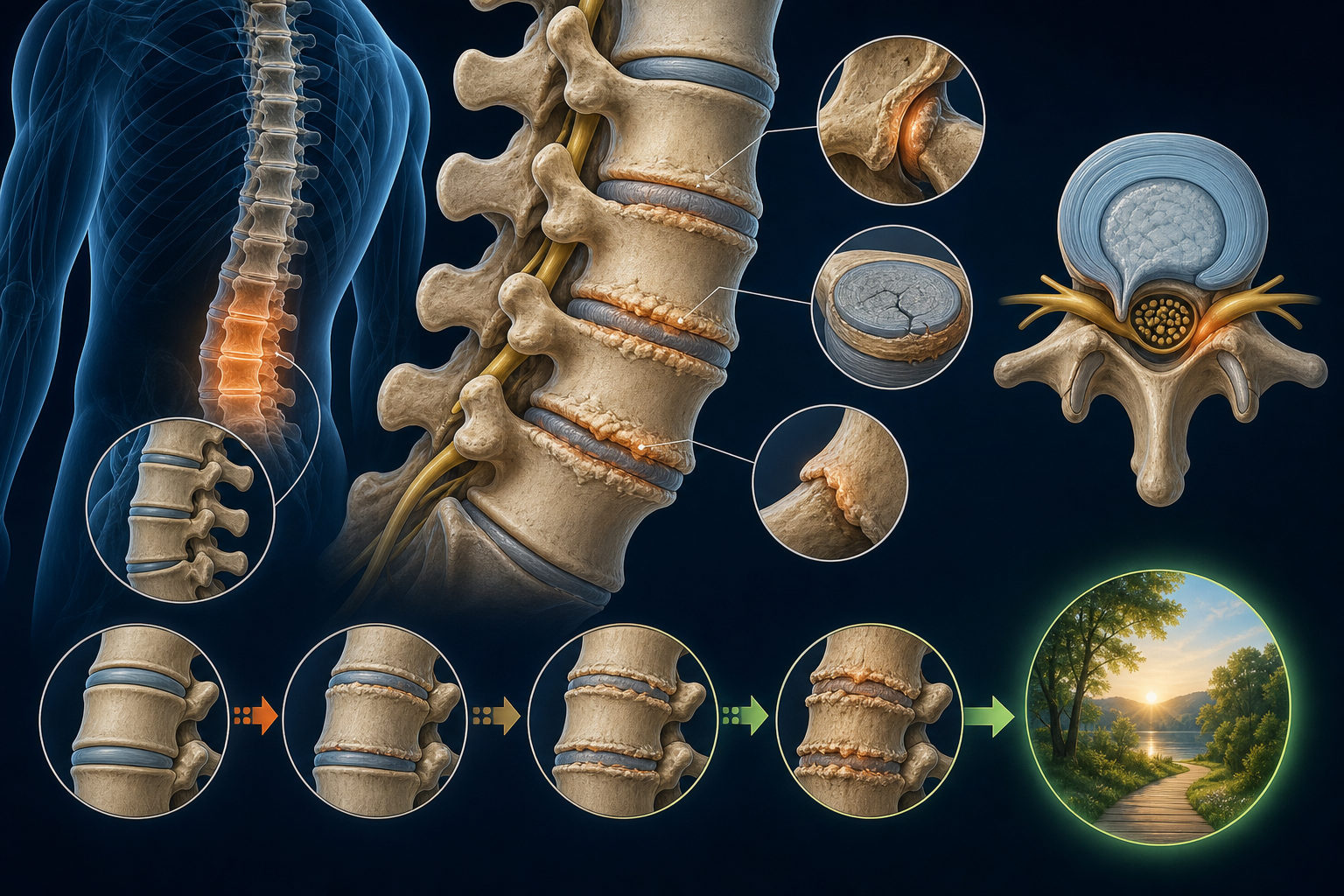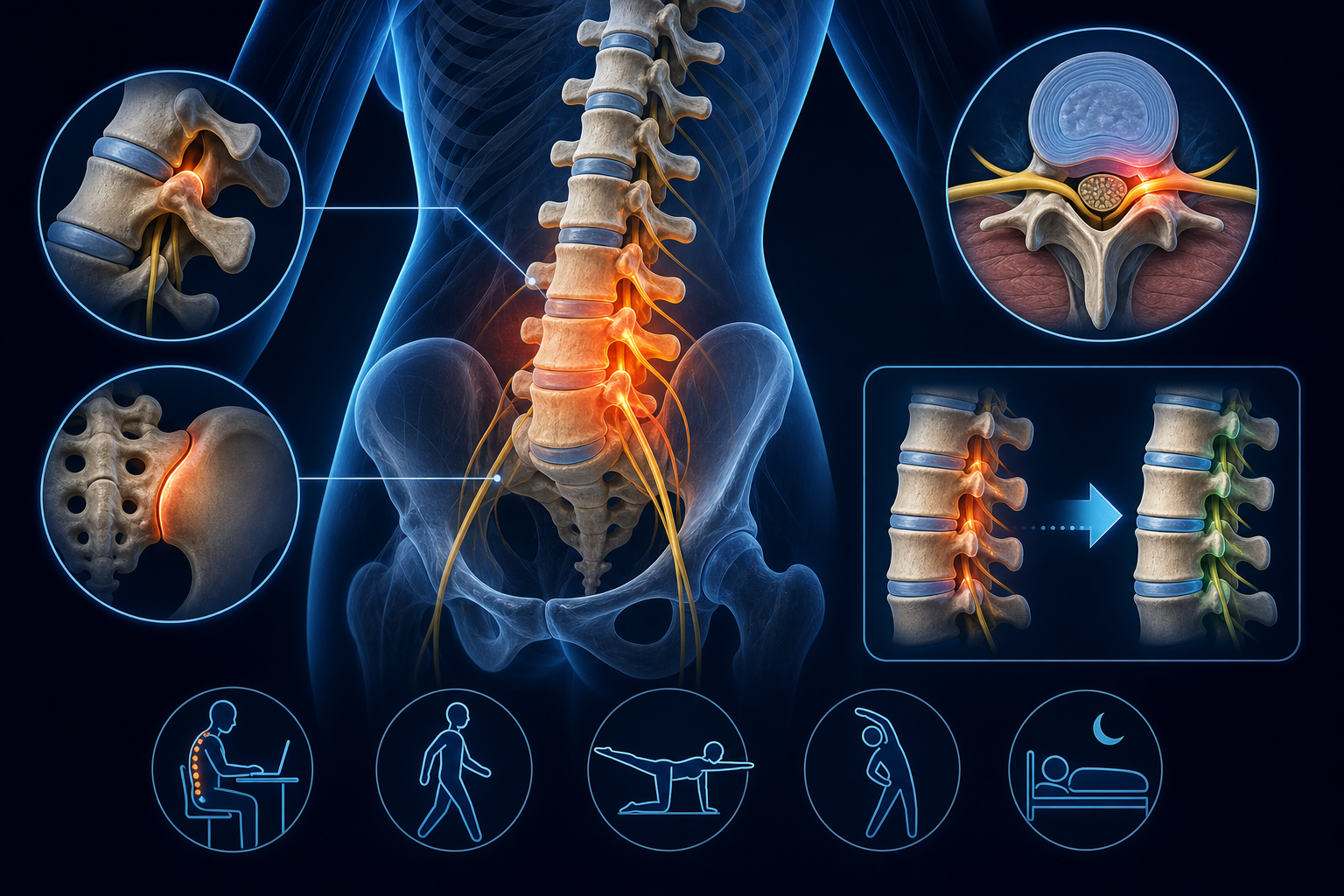
Understanding Lower Back Joint Dysfunction: Symptoms, Causes, and Treatment starts with a simple idea: the lower back is not just one structure. It is a working system of spinal joints, discs, muscles, ligaments, nerves, and pelvic joints that all need to move and stabilize together. When one or more of those joints becomes irritated, restricted, overly mobile, or poorly coordinated with the surrounding muscles, some people develop lower back joint pain, stiffness, or pain when bending the lower back.
Lower back joint dysfunction is not a single diagnosis that fits every person. It is a broad way to describe a mechanical problem involving joints in the lumbar spine, the sacroiliac joints, or nearby movement segments. In many cases, conservative care such as chiropractic care, physical therapy, guided exercise, posture changes, and activity modification may help improve mobility and reduce irritation. The right approach depends on your symptoms, health history, exam findings, and goals.
If you are comparing care options, Medximity can help you find providers who evaluate and treat low back pain. You can search for chiropractors near you, explore physical therapists near you, or learn more about lower back pain before scheduling a visit.
What Is Lower Back Joint Dysfunction?
Lower back joint dysfunction refers to a movement or irritation problem affecting the joints of the low back or pelvis. The term may involve the small joints in the back of the spine, called facet joints, or the sacroiliac joints, which connect the base of the spine to the pelvis. It may also involve how those joints work with the discs, muscles, and ligaments around them.
When patients ask, what is lower back joint dysfunction?, the most practical answer is this: it is a possible source of low back stiffness, aching, sharp movement-related pain, or limited range of motion. The joint may not be moving as comfortably as expected, or the surrounding tissues may be guarding because the area is irritated. Some people feel symptoms mostly on one side. Others feel a band-like ache across the low back.
Joint dysfunction can be short-term, such as after a long drive, awkward lift, or weekend of heavy yard work. It can also become recurrent when posture, work demands, hip mobility, core strength, or prior injuries keep placing stress on the same region. A qualified provider can help determine whether your symptoms appear to be joint-related or whether another source, such as a disc, nerve, muscle strain, hip condition, or medical issue, may need attention.
Why the Lower Back Is Prone to Joint Problems
The lower back, or lumbar spine, carries body weight, helps absorb load, and allows bending, rotating, and extending. It also connects to the pelvis, hips, and abdominal wall. Because it sits at the center of so many movements, small changes in one area can affect the rest of the chain.
For example, stiff hips may cause the lumbar joints to compensate during bending or twisting. Weakness or poor endurance in the trunk muscles may cause the back to feel overworked with prolonged standing. Long periods of sitting may reduce movement through the hips and spine, leaving some people stiff when they stand. None of these factors guarantees pain, but they may contribute to lower back joint irritation in certain people.
Common Lower Back Joint Pain Symptoms
Lower back joint pain symptoms can vary from mild stiffness to sharper pain with certain movements. Symptoms often depend on which joint is irritated, how long the issue has been present, and whether nearby nerves or muscles are also involved.
Symptoms that may suggest joint-related low back pain
- Aching or stiffness in the low back, especially after sitting, standing, or waking up
- Pain when bending the lower back, particularly when returning to an upright position
- Discomfort with twisting, arching backward, or rolling in bed
- One-sided low back pain that may feel deep or localized
- Stiffness that eases after light movement or walking
- Tenderness near the spine, waistline, or back of the pelvis
- A feeling that the lower back is stuck, locked, or not moving smoothly
- Symptoms that flare after lifting, prolonged driving, awkward sleeping, or sudden movement
Some people also notice discomfort into the buttock, hip, or upper thigh. Pain that travels below the knee, numbness, tingling, or weakness may suggest nerve involvement and should be discussed with a qualified provider. You can also review Medximity's overview of sciatica and radiating leg pain to understand how nerve-related symptoms can differ from local joint pain.
Is it normal to have back pain after sitting?
Many people report low back stiffness or aching after sitting for a long time. This can happen because sitting reduces hip and spine movement, changes load through the discs and joints, and may encourage a slumped posture. In many cases, brief stiffness after sitting is not unusual. However, recurring pain after sitting is still worth paying attention to, especially if it limits daily activity, worsens over time, or is paired with leg symptoms.
If you frequently wonder, is it normal to have back pain after sitting, a provider may evaluate your lumbar mobility, hip motion, workstation setup, muscle endurance, and movement habits. The goal is not only to reduce pain, but also to identify why sitting is irritating your back in the first place.
Facet Joint vs Sacroiliac Joint Pain
Many patients search for facet joint vs sacroiliac joint pain because both can cause low back or buttock discomfort. These joints are close to each other, and symptoms can overlap. A provider usually relies on history, movement testing, orthopedic tests, palpation, and sometimes imaging or referral when appropriate to narrow the likely source.
Facet joint pain patterns
Facet joints are paired joints located on the back of each spinal segment. They help guide spinal motion and limit excessive rotation or backward bending. When facet joints are irritated, some people notice pain that is more noticeable with extension, standing, turning, or moving from bent to upright. Pain may feel local to one side of the low back and may refer into the buttock or upper thigh, but it often does not follow a clear nerve path down the leg.
Sacroiliac joint pain patterns
The sacroiliac joints, often called SI joints, connect the sacrum at the base of the spine to the pelvic bones. SI joint irritation may cause pain near the back of the pelvis, often slightly off-center near the dimples of the low back. Some people feel pain into the buttock, groin, hip, or upper thigh. Symptoms may be triggered by stairs, getting in and out of a car, standing on one leg, rolling in bed, or transitioning from sitting to standing.
Why self-diagnosis is difficult
It is possible for more than one structure to be involved. A person may have lumbar stiffness, hip mobility limits, muscle guarding, and SI joint irritation at the same time. Pain location alone is rarely enough to identify the exact source. That is why a hands-on examination can be helpful when pain persists, returns often, or interferes with normal activity.
What Causes Lower Back Joint Dysfunction?
Lower back joint dysfunction may develop after a specific incident, or it may appear gradually. Often, several factors combine over time. The presence of a risk factor does not mean it is the cause of your pain, but it may help a provider understand your movement pattern and treatment needs.
Prolonged sitting or poor movement variety
Long periods in one position can make the back feel stiff. Sitting for work, driving, studying, or travel may reduce circulation and movement through the lumbar spine and hips. Over time, some people develop pain when they finally stand, bend, or rotate.
Lifting, twisting, or sudden load
A heavy lift, awkward twist, or quick catch of a falling object may irritate the low back joints or surrounding soft tissues. This does not always mean there is serious damage, but the area may become sensitive and guarded. Symptoms that do not improve, worsen, or include neurological signs should be evaluated.
Reduced hip mobility
The lumbar spine and hips share movement during bending, squatting, and walking. If hip mobility is limited, the low back may absorb more motion than it is comfortable handling. This can contribute to recurring stiffness or joint irritation in some patients.
Core muscle endurance and coordination issues
The trunk muscles do more than create visible abdominal strength. They help coordinate spinal control during daily movement. If those muscles fatigue quickly or do not coordinate well with breathing, hip motion, and pelvic control, the low back may feel strained during routine tasks.
Prior injury or repetitive stress
A previous fall, sports injury, car crash, work injury, or repeated bending and lifting can affect how a person moves. Even after pain improves, protective movement patterns may remain. Those patterns can place uneven stress on lumbar or pelvic joints.
Age-related joint changes
Many adults develop age-related changes in the spine over time. These changes are common and do not always cause pain. In some people, however, joint stiffness, inflammation, or reduced tolerance for certain positions may contribute to symptoms. A provider can help interpret whether exam findings and imaging, if available, match the symptoms.
How Long Does Low Back Stiffness Last?
How long does low back stiffness last? The answer depends on the cause, severity, general health, activity level, and whether irritating factors continue. Mild stiffness after sitting or sleeping may improve within minutes to hours once you move. A flare related to overuse or a minor mechanical irritation may improve over days to a few weeks. More persistent or recurrent stiffness may last longer, especially if underlying movement limitations, workload demands, or strength deficits are not addressed.
It is reasonable to seek care sooner if pain is severe, keeps returning, disrupts sleep, limits work or caregiving, or travels into the leg. Early evaluation may help identify modifiable factors and reduce the chance of repeated flares. If symptoms are improving but not fully resolved, a provider may help you progress safely back to normal activity rather than avoiding movement indefinitely.
When to See a Provider for Lower Back Joint Pain
Many mild back aches improve with gentle movement, rest breaks, and time. Still, there are situations where seeing a chiropractor, physical therapist, or medical provider is appropriate. If you are searching for lower back joint dysfunction treatment near me or the best chiropractor for lower back joint pain, consider looking for a provider who performs a detailed evaluation rather than offering the same treatment for every back complaint.
Consider scheduling an evaluation if you have:
- Low back pain lasting more than several days without clear improvement
- Recurring stiffness after sitting, driving, or sleeping
- Pain when bending, lifting, twisting, or returning upright
- One-sided pain near the lumbar spine, waistline, or SI joint region
- Symptoms affecting work, exercise, sleep, or daily routines
- Uncertainty about whether your pain is joint, muscle, disc, nerve, or hip-related
- A history of injury, fall, or motor vehicle collision
Seek urgent medical attention for red flags
Some symptoms need prompt medical evaluation. Seek urgent care if you have new loss of bowel or bladder control, numbness in the saddle area, progressive leg weakness, fever with back pain, unexplained weight loss, severe trauma, or severe pain that is not relieved by rest. These symptoms are uncommon, but they may signal a condition that requires medical assessment beyond routine conservative care.
How Providers Evaluate Lower Back Joint Dysfunction
A thorough exam helps determine whether your symptoms may be related to lumbar facet joints, SI joints, muscle strain, disc irritation, nerve sensitivity, hip mobility, or another factor. The exact process varies by provider and setting, but many evaluations include similar steps.
Health history
Your provider may ask when symptoms started, what movements make them better or worse, whether pain travels, what your work and activity demands are, and whether you have had prior injuries. Your answers help identify patterns and guide the physical exam.
Movement and posture assessment
You may be asked to bend forward, lean backward, rotate, side-bend, squat, walk, or perform simple functional movements. The provider is looking for pain triggers, stiffness, asymmetry, guarding, and movement strategies.
Joint and soft tissue examination
A chiropractor or physical therapist may palpate the lumbar spine, pelvis, hips, and surrounding muscles. They may assess joint mobility and determine whether certain segments feel restricted or sensitive. This does not diagnose the issue by itself, but it adds useful information when combined with your symptoms and movement tests.
Neurological screening
If leg symptoms are present, a provider may check reflexes, strength, sensation, and nerve tension signs. This can help determine whether a nerve may be irritated and whether referral or additional medical evaluation is appropriate.
Imaging when appropriate
Imaging is not always needed for uncomplicated low back pain. Many clinical guidelines recommend using imaging selectively, especially when red flags, significant trauma, progressive neurological symptoms, or failure to improve may justify further evaluation. Your provider can explain whether imaging is relevant based on your case.
Treatment for Lower Back Joint Dysfunction
Treatment for lower back joint dysfunction is usually conservative at first when symptoms appear mechanical and no red flags are present. The purpose is to reduce irritation, restore comfortable movement, improve muscle support, and help you return to normal activities with less fear and better control.
Conservative care may include chiropractic treatment, physical therapy, therapeutic exercise, mobility work, soft tissue techniques, ergonomic changes, and education about pacing activity. You can learn more about Medximity treatment categories such as chiropractic adjustment and physical therapy.
Chiropractic care
Chiropractors often evaluate joint mobility, spinal mechanics, posture, and movement patterns. Care may include spinal manipulation or mobilization, soft tissue work, stretching, exercise instruction, and activity guidance. For some patients, chiropractic care may help improve short-term mobility and reduce pain related to mechanical joint irritation. Techniques should be selected based on the patient's exam, comfort level, medical history, and preferences.
Physical therapy
Physical therapy often focuses on movement restoration, strength, endurance, balance, hip mobility, and functional training. A physical therapist may help you build a progressive exercise plan that supports the low back during bending, lifting, sitting, and walking. For recurrent stiffness, therapy may also address movement habits and gradually reintroduce activities that have become uncomfortable.
Joint mobilization and manual therapy
Manual therapy can include gentle joint mobilization, soft tissue techniques, assisted stretching, and guided movement. These methods may help reduce guarding and allow better movement, especially when paired with active exercise. Manual therapy is usually most useful as part of a broader plan rather than a stand-alone solution.
Therapeutic exercise
Exercise for lower back joint dysfunction is typically tailored to the person. A provider may begin with low-irritation movements, then progress toward strength and function. Exercises may target the deep abdominal muscles, glutes, hip mobility, spinal control, and breathing mechanics. The goal is not to force the back through pain, but to build tolerance and confidence over time.
Ergonomics and activity modification
If sitting triggers pain, your provider may discuss chair height, lumbar support, monitor position, driving posture, and movement breaks. If lifting triggers pain, they may teach hip-hinge mechanics, load management, and pacing strategies. Small changes repeated consistently may reduce irritation in many cases.
Natural Treatment for Lower Back Joint Pain
Many patients want natural treatment for lower back joint pain or lower back joint pain without surgery. Conservative care is often the starting point for mechanical low back pain, although every case should be evaluated individually. Natural does not mean ignoring symptoms; it means using non-invasive strategies that support movement, strength, recovery, and daily function.
Gentle movement
Short walks, comfortable mobility drills, and frequent position changes may help some people feel less stiff. Movement should be tolerable and should not cause sharp worsening. If a movement repeatedly aggravates symptoms, a provider can help modify it.
Heat or cold
Some patients report temporary relief with heat for stiffness or cold for irritated areas. Response varies. These approaches may help comfort, but they do not replace evaluation when symptoms persist or worsen.
Stretching and mobility work
Hip flexor, hamstring, glute, and thoracic mobility work may be useful for some people, depending on exam findings. Stretching should be gentle and targeted. Aggressive stretching of an already irritated area may make symptoms worse for some patients.
Core and hip strengthening
Strengthening may help improve load tolerance. Providers often start with controlled exercises such as pelvic tilts, bridges, dead bug variations, bird dogs, side planks, or hip hinge practice. The best exercise depends on your symptoms and movement capacity.
Sleep and recovery habits
Poor sleep, stress, and lack of recovery may increase pain sensitivity in some people. A supportive sleep position, regular movement, hydration, and stress management may support overall recovery, though they are not a guaranteed fix.
How to Fix Stiff Lower Back Joints Safely
Patients often ask how to fix stiff lower back joints. The safest answer is to first understand why the stiffness is happening. Stiffness after sitting may need a different plan than stiffness after lifting or stiffness linked with leg pain. A provider can help you identify which movements are restricted, which tissues are sensitive, and which exercises are appropriate.
In general, a conservative plan may include three stages. First, calm symptoms by avoiding repeated aggravation while staying gently active. Second, restore comfortable mobility in the hips, lumbar spine, and pelvis. Third, build strength and endurance so the back can tolerate normal life demands. Progress is usually gradual, and flare-ups can happen. The plan should be adjusted if symptoms worsen or new symptoms appear.
What to Expect at Your First Appointment
Your first visit for lower back joint pain usually begins with a conversation about your symptoms and goals. You may be asked about sitting tolerance, bending pain, sleep position, prior injuries, work duties, exercise routine, and any leg symptoms. Be as specific as possible about what makes pain better or worse.
Next, the provider may perform a physical exam. You may move through several positions while they assess range of motion, strength, balance, joint mobility, and nerve signs when needed. Wear comfortable clothing that allows movement. If you have imaging reports or relevant medical history, bring them with you.
After the exam, the provider should explain what they think may be contributing to your symptoms and outline a care plan. That plan may include in-office treatment, home exercises, activity modifications, and a recommended follow-up schedule. A good plan should also include guidance about what symptoms should prompt re-evaluation or medical referral.
How to Choose a Provider for Lower Back Joint Dysfunction
If you are searching online for lower back joint dysfunction treatment near me, look beyond convenience alone. The right provider should listen carefully, perform a meaningful exam, explain findings in plain language, and tailor treatment to your needs. If your goal is to find the best chiropractor for lower back joint pain, remember that best usually means best fit for your symptoms, preferences, location, and care goals.
Questions you may want to ask
- Do you commonly evaluate lower back joint pain, facet joint irritation, or SI joint symptoms?
- How do you determine whether pain is joint-related, muscle-related, nerve-related, or hip-related?
- What types of conservative treatment may be appropriate for my symptoms?
- Will I receive home exercises or activity guidance?
- How will we measure progress?
- When would you refer me to another provider?
Medximity makes it easier to compare local options. Start with chiropractic providers on Medximity or search directly for nearby chiropractors and nearby physical therapists.
Prevention and Long-Term Management
Once symptoms improve, the next goal is reducing the likelihood of repeated flares. Prevention does not mean avoiding every bend, lift, or twist. In fact, many backs respond well to graded movement and strength when progressed appropriately. The goal is to improve your capacity so normal activities feel less threatening.
Use movement breaks
If sitting is a trigger, consider standing or walking briefly every 30 to 60 minutes when possible. Even one or two minutes of movement may help reduce stiffness for some people.
Build strength gradually
Strength training may support spinal health when it is matched to your ability and progressed over time. A provider can help you choose exercises that fit your symptoms, equipment, and goals.
Practice better lifting mechanics
Using the hips, keeping loads close, and avoiding rushed twisting may reduce stress during lifting. Technique matters most when the load is heavy, awkward, repetitive, or performed under fatigue.
Keep hips and upper back mobile
The low back often compensates when neighboring areas are stiff. Hip and thoracic mobility drills may help distribute movement more evenly, though they should be chosen based on your exam.
Return to activities gradually
If you stopped exercising because of pain, returning too quickly can irritate symptoms. A gradual plan may help rebuild confidence and tolerance without unnecessary setbacks.
Key Takeaway
Lower back joint dysfunction can feel frustrating, especially when everyday movements like bending, sitting, standing, or rolling in bed trigger pain. In many cases, conservative care may help by improving mobility, reducing irritation, and building better support around the spine and pelvis. Because low back pain can come from several structures, a professional evaluation is the best way to understand your specific pattern and choose an appropriate treatment plan.
To take the next step, explore Medximity's lower back pain resources or find a provider who offers conservative care near you.
Frequently Asked Questions
What is lower back joint dysfunction?
Lower back joint dysfunction is a general term for a movement or irritation problem involving joints in the lumbar spine or pelvis, such as facet joints or sacroiliac joints. It may cause stiffness, aching, one-sided pain, or discomfort with bending and twisting. A provider can help determine whether your symptoms appear joint-related or whether another source may be involved.
What are common lower back joint pain symptoms?
Common symptoms may include low back stiffness, pain after sitting, pain when bending the lower back, discomfort with twisting or arching, tenderness near the spine or pelvis, and symptoms that improve with gentle movement. Pain that travels down the leg, numbness, tingling, or weakness should be evaluated by a qualified provider.
How can I tell facet joint pain from sacroiliac joint pain?
Facet joint pain often feels localized near the spine and may worsen with backward bending, standing, or twisting. Sacroiliac joint pain is often felt near the back of the pelvis and may worsen with stairs, rolling in bed, or standing on one leg. These patterns can overlap, so an exam is usually needed.
How long does low back stiffness last?
Mild stiffness may improve within minutes or hours after movement. A mechanical flare may improve over days to weeks. Stiffness that persists, worsens, returns often, or affects daily activity should be assessed by a provider.
Can lower back joint pain be treated without surgery?
Many cases of mechanical lower back joint pain are managed first with conservative care, such as chiropractic care, physical therapy, exercise, mobility work, and ergonomic changes. Surgery is not the usual first step for uncomplicated mechanical low back pain, but your provider can help determine what level of evaluation is appropriate.
When should I see a chiropractor or physical therapist?
Consider seeing a provider if pain lasts more than a few days, keeps returning, affects sitting or bending, limits work or sleep, or follows an injury. Seek urgent medical care for red flags such as loss of bowel or bladder control, saddle numbness, progressive weakness, fever, or severe trauma.