Understanding Low Back Pain: Symptoms, Causes, and Treatment starts with a simple idea: low back pain is not one single problem. It can come from irritated joints, strained muscles, discs, nerves, posture-related stress, a recent accident, or a combination of factors. For many people, symptoms improve with time and conservative care, but persistent, worsening, or radiating pain should be evaluated by a qualified provider.
If you are searching for a low back pain provider near me, it may help to understand what your symptoms may mean, what kinds of treatment are commonly used without surgery, and when back pain needs prompt attention. This article is educational and should not be used to diagnose your condition. A licensed healthcare provider can evaluate your specific symptoms, medical history, and goals.
What Is Low Back Pain?
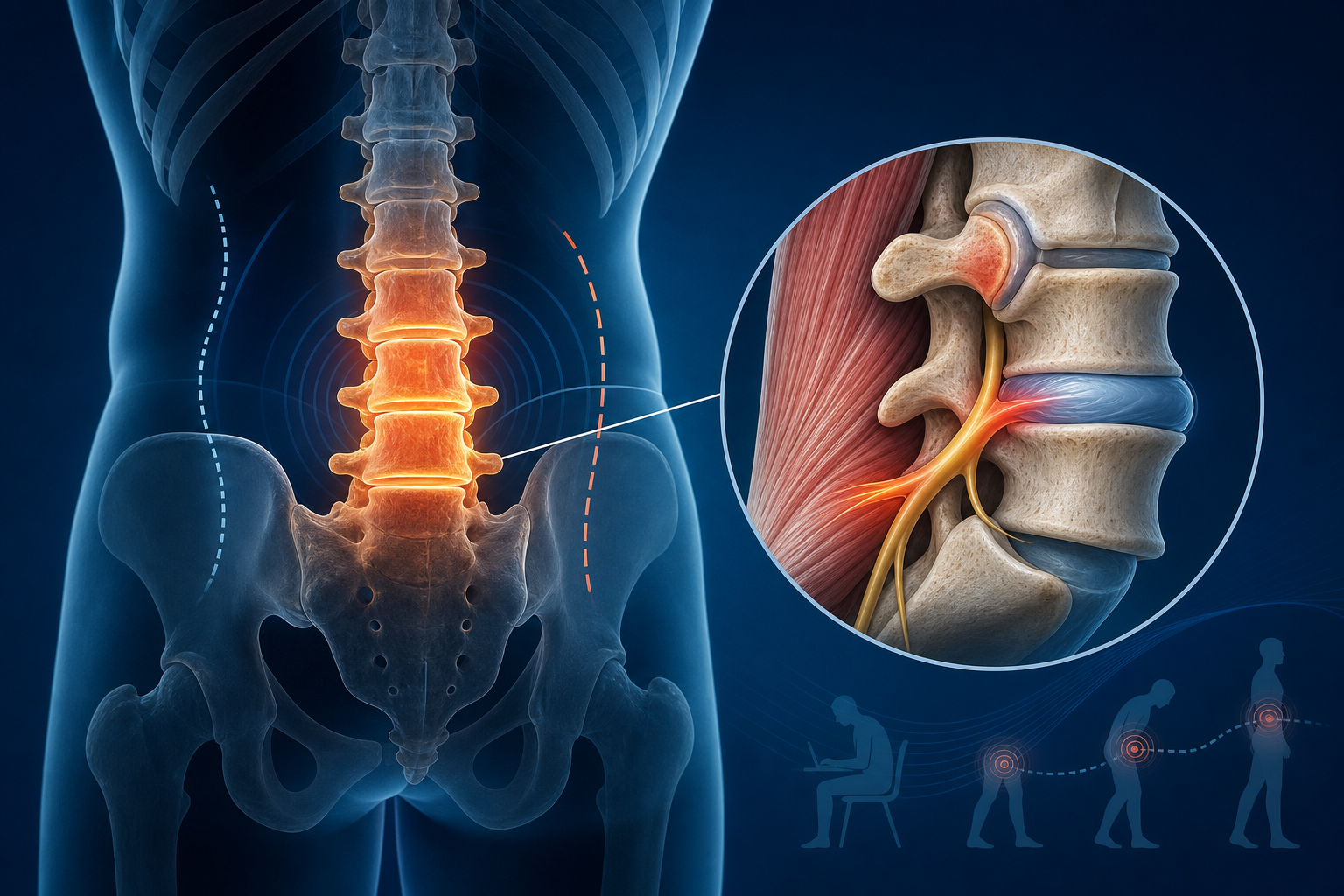
Low back pain refers to discomfort, aching, tightness, stiffness, or sharp pain in the area between the lower ribs and the pelvis. This region includes the lumbar spine, sacroiliac joints, spinal discs, ligaments, muscles, tendons, nerves, and surrounding connective tissue. Because these structures work together every time you stand, bend, lift, twist, sit, or walk, irritation in one area can affect the way the whole lower back moves.
Low back pain may feel mild and annoying, or it may interfere with sleep, work, driving, exercise, and daily tasks. Some people feel pain only in the center of the back. Others notice pain on one side, across the beltline, into the buttock, or down the leg. The exact location and behavior of symptoms can give a provider useful clues, but an examination is usually needed to understand what is contributing to the pain.
For a broader condition overview, Medximity also offers a dedicated low back pain resource page with patient-friendly information about common symptoms and care options.
Common Low Back Pain Symptoms
Low back pain can present in several ways. Some symptoms point toward muscle or joint irritation, while others may suggest nerve involvement or a more complex condition. A provider may ask when the pain started, what movements make it worse, what relieves it, whether it travels, and whether you have had similar episodes before.
Aching, stiffness, or tightness
A dull ache or tight feeling across the lower back is common after prolonged sitting, repetitive bending, lifting, yard work, exercise, or sleeping in an awkward position. Muscle guarding may also occur when the body tries to protect an irritated joint, disc, or ligament. This can make the back feel locked up even when the original irritation is mild.
Sharp pain with movement
Some people notice sharp pain during certain motions, especially bending, twisting, getting out of a chair, rolling in bed, or standing after sitting. Lower back pain when bending over may be associated with muscle strain, joint irritation, disc-related sensitivity, hip mobility limits, or poor load tolerance. Because different causes can feel similar, a physical exam is often more useful than guessing based on pain alone.
Difficulty standing straight
If you feel like you cannot stand straight because of lower back pain, your back muscles may be guarding, your joints may be irritated, or a disc or nerve-related issue may be contributing. Some people lean to one side or feel temporarily stuck in a bent posture. This symptom does not always mean something serious is happening, but it is worth being evaluated if it is intense, does not improve, or occurs with leg pain, numbness, weakness, fever, or changes in bladder or bowel control.
Pain that spreads into the hip, buttock, or leg
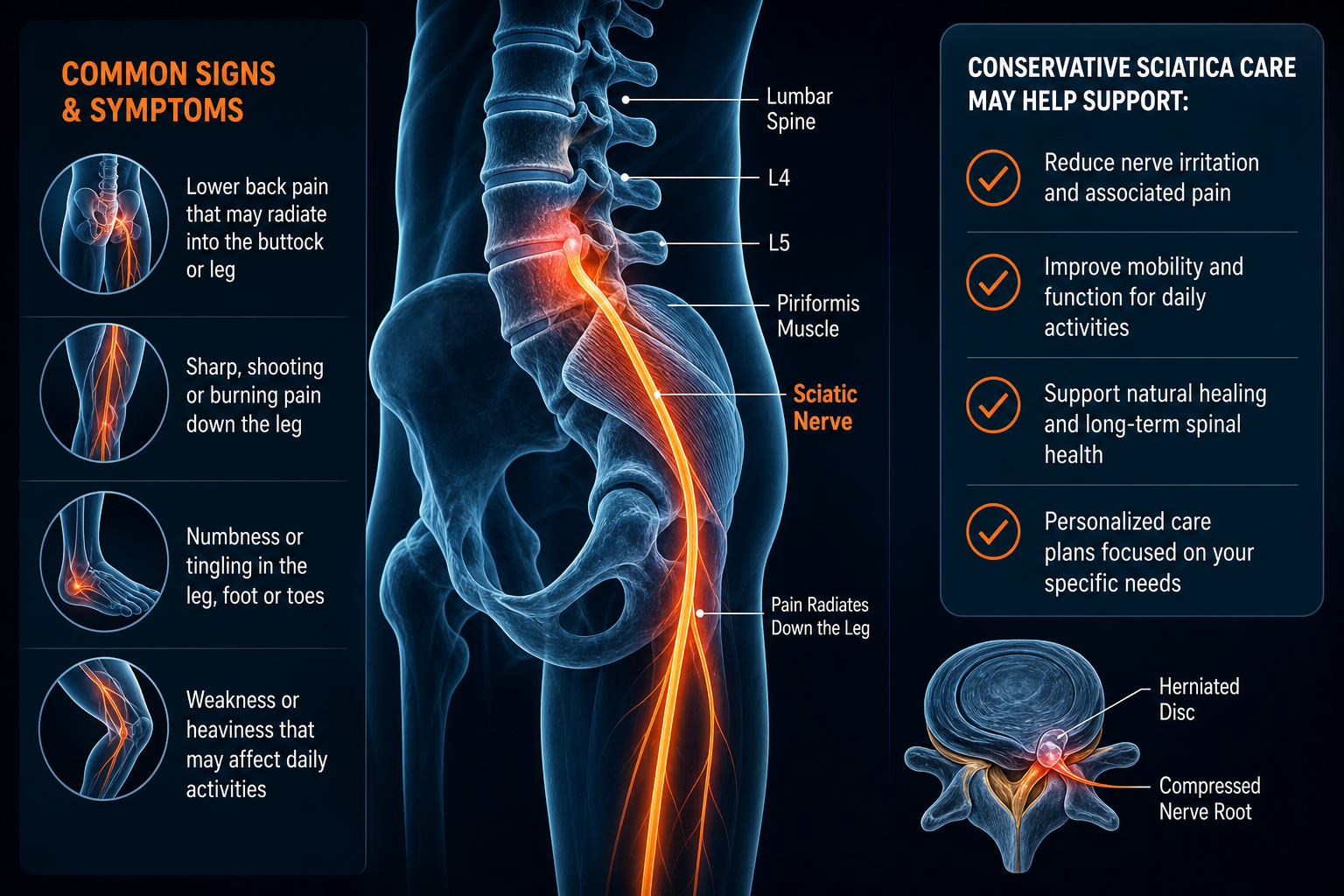
Back pain can refer into nearby areas. Pain into the buttock or back of the thigh may come from the lumbar spine, sacroiliac region, hip, or irritated soft tissues. Pain that travels below the knee, especially with numbness, tingling, burning, or weakness, may suggest nerve irritation such as sciatica or lumbar radiculopathy. If you are wondering, “Is radiating leg pain from back normal?” the safest answer is that it can occur with low back conditions, but it should be assessed, especially if symptoms are new, worsening, or affecting strength or walking.
Muscle spasms
Muscle spasms are sudden, involuntary contractions that can make the low back feel tight, painful, or hard to move. Spasms may happen after lifting, twisting, overexertion, dehydration, fatigue, or irritation of deeper spinal structures. Treatment for lower back muscle pain often includes relative rest, guided movement, stretching when appropriate, manual therapy, and progressive strengthening rather than complete bed rest.
What Causes Pain in the Lower Back?
Patients often ask, “What causes pain in lower back areas?” The answer depends on the person. Low back pain can result from a single event, gradual overload, poor recovery, medical history, movement habits, age-related spinal changes, or a combination of these. Imaging findings such as disc bulges or arthritis do not always match symptoms, so providers typically consider the full clinical picture.
Muscle strain or ligament sprain
Muscle strains and ligament sprains are common causes of acute low back pain. They may happen after lifting something heavy, twisting suddenly, increasing activity too quickly, or repeating the same motion for hours. Symptoms may include localized soreness, tightness, spasms, and pain with bending or lifting. Many mild strains improve with conservative care, but persistent or severe symptoms should be evaluated.
Joint irritation in the spine or pelvis
The lumbar spine has small joints called facet joints, and the pelvis connects to the spine through the sacroiliac joints. These joints can become irritated by repetitive stress, trauma, stiffness, or changes in movement mechanics. Joint-related pain may feel one-sided, worse with standing or extension, or uncomfortable when changing positions. Chiropractic care and physical therapy may both include approaches aimed at improving joint motion and reducing mechanical stress.
Disc-related pain
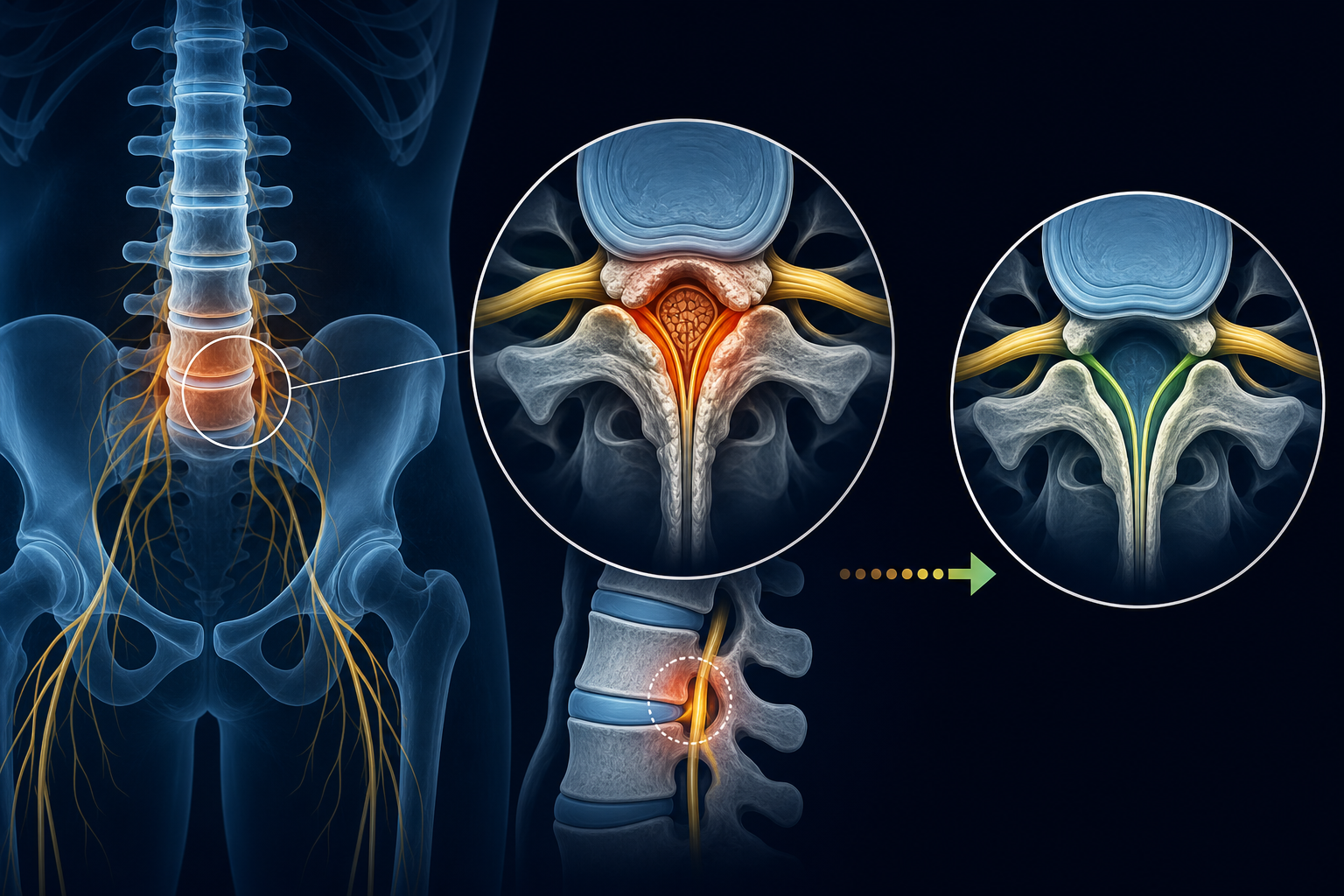
Spinal discs act as cushions between the vertebrae. With time, strain, or injury, a disc can become irritated. In some cases, disc material may bulge or herniate and contribute to nerve irritation. Disc-related pain is often sensitive to sitting, bending, lifting, or coughing, although patterns vary. Not every disc bulge causes pain, and many people have age-related disc changes without significant symptoms. A provider can help determine whether disc involvement is likely and what conservative options may be appropriate.
Nerve irritation and sciatica-like symptoms
Nerves from the lower spine travel into the hips and legs. When a nerve root is irritated or compressed, symptoms may travel into the buttock, thigh, calf, or foot. Patients may describe burning, tingling, numbness, electric pain, or weakness. This is commonly discussed as sciatica, though several conditions can mimic it. New or worsening nerve symptoms should be evaluated, particularly if they affect walking, balance, or muscle control.
Posture, ergonomics, and prolonged sitting
Sitting for long periods does not harm everyone, but it can aggravate low back pain in some people. Long commutes, desk work, soft couches, and poor workstation setup may increase stiffness or reduce movement variety. Ergonomic changes, posture breaks, hip mobility work, and gradual strengthening may help some patients manage symptoms and improve tolerance for daily tasks.
Activity spikes and deconditioning
Low back pain often appears after doing too much too soon. Examples include returning to the gym after a break, moving furniture, shoveling snow, starting a new job, or playing sports without adequate preparation. On the other hand, low activity levels can also reduce strength and endurance. Rehabilitation often focuses on building capacity gradually so the back can better tolerate normal demands.
Low back pain after a car accident
Low back pain after a car accident may result from sudden acceleration, deceleration, bracing, seatbelt forces, twisting, or impact-related strain. Symptoms may appear immediately or become more noticeable over the next several days. Even if pain seems manageable at first, evaluation may be helpful if symptoms persist, worsen, radiate, or interfere with movement. You can learn more in Medximity’s guide to back pain after a car accident.
How Long Does Low Back Pain Last?
How long low back pain lasts depends on the underlying cause, symptom severity, overall health, activity demands, sleep, stress, and whether aggravating factors are addressed. Many episodes of uncomplicated low back pain improve over days to weeks. Some cases last longer, especially when pain is related to nerve irritation, repeated strain, poor recovery, or a condition that has been building for months.
Providers often describe back pain by duration. Acute low back pain generally refers to symptoms lasting less than about six weeks. Subacute pain may last six to twelve weeks. Chronic low back pain usually refers to symptoms lasting longer than twelve weeks. These timeframes are general categories, not guarantees. A person with acute pain may need care sooner if symptoms are severe, while someone with chronic pain may still improve with the right plan.
If your pain is not improving, keeps returning, or is changing in character, it may be time to see a provider. Early evaluation can help identify movement patterns, strength deficits, mobility restrictions, or signs that further medical assessment may be needed.
When Should You See a Provider for Low Back Pain?
You do not need to panic about every episode of back soreness. However, certain patterns suggest that professional evaluation is a good idea. Seeing a chiropractor, physical therapist, rehabilitation provider, or other qualified clinician can help you understand what may be contributing to your symptoms and which conservative treatments may be appropriate.
Consider scheduling an evaluation if:
- Your low back pain lasts more than a few days without meaningful improvement.
- Pain keeps returning or limits work, sleep, exercise, driving, or daily activities.
- You have lower back pain when bending over, lifting, standing, or walking.
- You cannot stand straight because of lower back pain or feel stuck in a guarded posture.
- Pain travels into the buttock, hip, thigh, calf, or foot.
- You notice numbness, tingling, burning, or weakness in the leg.
- Symptoms began after a fall, sports injury, workplace incident, or car accident.
- You are unsure whether chiropractic care, physical therapy, or another type of provider is the right starting point.
Seek urgent medical care for red-flag symptoms
Some symptoms require prompt medical attention. Seek urgent evaluation if back pain occurs with loss of bladder or bowel control, numbness in the groin or saddle area, significant or progressive leg weakness, fever, unexplained weight loss, a history of cancer, major trauma, or severe pain that does not ease with rest. These symptoms are less common, but they should not be ignored.
What to Expect at a Low Back Pain Appointment
A first visit for low back pain usually begins with a conversation about your symptoms and goals. Your provider may ask when the pain started, whether there was an injury, what makes it better or worse, where the pain travels, what work or sports demands you have, and which treatments you have already tried. This history helps guide the exam.
Physical examination
The exam may include posture and movement assessment, range-of-motion testing, orthopedic tests, neurological screening, strength testing, balance checks, gait observation, and palpation of muscles and joints. If leg symptoms are present, the provider may evaluate reflexes, sensation, and muscle strength to screen for nerve involvement.
Imaging and referrals
Many low back pain cases do not require imaging at the first visit, especially when symptoms appear mechanical and there are no red flags. X-rays, MRI, or referral to another medical professional may be considered when symptoms suggest fracture, infection, significant neurological involvement, or another condition that needs additional evaluation. Decisions about imaging should be individualized and discussed with a qualified provider.
A conservative care plan
After the exam, your provider should explain what they believe may be contributing to your pain and outline a treatment plan. A conservative plan may include hands-on care, specific exercises, mobility work, activity modifications, posture or lifting education, progressive strengthening, and a plan for returning to normal activities. You should also understand what changes to watch for and when follow-up is recommended.
Low Back Pain Treatment Without Surgery
Many patients search for low back pain treatment without surgery because they want to move better, reduce pain, and return to daily life using conservative options first. Non-surgical care may help many people, depending on the cause and severity of symptoms. The goal is usually not just to quiet pain temporarily, but to improve movement, restore function, and reduce the chance of repeated flare-ups.
Relative rest, not complete bed rest
Short-term activity modification may help during an acute flare. That usually means avoiding movements that sharply increase symptoms while staying as active as tolerated. Prolonged bed rest is generally not recommended for routine mechanical low back pain because it can contribute to stiffness, weakness, and slower return to normal function. Gentle walking or light movement may be appropriate for many people, but the right level depends on your symptoms.
Manual therapy
Manual therapy includes hands-on techniques used by chiropractors, physical therapists, and some rehabilitation providers. Depending on the provider and your condition, this may include spinal manipulation, mobilization, soft-tissue work, stretching, or assisted movement. Manual therapy may help some patients reduce pain, improve mobility, and participate more comfortably in exercise-based rehabilitation.
Therapeutic exercise
Exercise is a core part of many low back pain plans. A provider may begin with gentle movements to reduce sensitivity, then progress toward core endurance, hip strength, spinal control, and functional lifting patterns. Exercises should be matched to the individual. A movement that helps one person may aggravate another if introduced too early or performed incorrectly.
Mobility and flexibility work
Tightness in the hips, hamstrings, hip flexors, or thoracic spine may influence how the low back moves. Stretching and mobility drills may help some patients, especially when they are specific and not overly aggressive. Stretching should not cause sharp, radiating, or worsening pain. If it does, a provider can help adjust the approach.
Ergonomics and daily movement changes
Small changes in sitting, standing, lifting, and sleeping positions may reduce repeated irritation. This might include raising a monitor, changing chair support, taking movement breaks, adjusting car seat position, using a hip-hinge strategy for lifting, or pacing physically demanding tasks. Ergonomics is rarely a complete solution by itself, but it can support recovery when combined with movement and strengthening.
Education and self-management
Understanding your pain can reduce fear and help you make better day-to-day decisions. A good provider should explain which activities are safe to continue, which should be modified, and how to gradually increase activity. Self-management plans may include home exercises, walking goals, flare-up strategies, and signs that symptoms should be rechecked.
Natural Treatment for Low Back Pain: What Patients Often Mean
When patients search for natural treatment for low back pain, they often mean conservative care that does not start with medications, injections, or surgery. In the context of Medximity, that may include chiropractic care, physical therapy, rehabilitation, exercise, stretching, posture changes, and wellness-focused support. These approaches may help some patients manage mechanical low back pain and improve function.
Natural does not always mean risk-free, and conservative care should still be tailored to your condition. For example, forceful stretching may not be appropriate during an acute nerve flare, and heavy strengthening may need to wait until pain sensitivity decreases. A provider can help you choose the right starting point and progress safely.
Chiropractic Care for Low Back Pain
Chiropractors commonly evaluate and treat mechanical low back pain, including joint stiffness, muscle tension, movement restrictions, and some patterns of radiating symptoms when appropriate. Care may include spinal adjustments, mobilization, soft-tissue techniques, corrective exercises, posture coaching, and home-care guidance.
A chiropractic adjustment is a hands-on technique intended to improve joint motion and reduce mechanical irritation. Some patients report short-term relief and improved mobility after adjustment, though results vary. Chiropractic care is typically most effective when it is paired with active strategies such as exercise, walking, ergonomic changes, and strengthening.
If you are comparing local options or searching for the best low back pain chiropractor near me, look for a provider who performs a thorough evaluation, explains the working diagnosis, discusses risks and alternatives, and gives you an active plan rather than relying only on passive treatment. You can search Medximity for chiropractors who treat low back pain in your area.
For more detail, read Medximity’s article on chiropractic care for low back pain.
Physical Therapy for Low Back Pain
Physical therapists focus on restoring movement, strength, coordination, and function. For low back pain, a physical therapy plan may include mobility exercises, core and hip strengthening, nerve glides when appropriate, manual therapy, balance work, gait training, lifting mechanics, and sport- or job-specific conditioning.
Physical therapy can be especially helpful when pain has changed how you move. People often avoid certain motions after a flare, which may be useful temporarily but can lead to stiffness, weakness, or fear of movement if it continues too long. A physical therapist can help you rebuild confidence and capacity step by step.
If you are looking for guided rehabilitation, Medximity can help you find physical therapists for low back pain. You can also review Medximity’s guide to physical therapy for back pain.
Chiropractic vs Physical Therapy for Back Pain
Many patients wonder about chiropractic vs physical therapy for back pain. The right choice depends on your symptoms, preferences, exam findings, and goals. Both disciplines may help with low back pain, and there can be overlap in conservative care. Chiropractors often emphasize spinal joint mechanics, adjustments, mobilization, and musculoskeletal assessment. Physical therapists often emphasize movement restoration, therapeutic exercise, functional progression, and rehabilitation.
In practical terms, a chiropractor may be a good starting point if your symptoms feel mechanical, stiff, or joint-related and you want hands-on care with movement guidance. A physical therapist may be a good starting point if you need a structured exercise progression, are recovering from an injury, or have difficulty returning to work, sport, or daily function. Some patients benefit from both approaches, especially when care is coordinated and focused on measurable goals.
Whichever provider you choose, the visit should include an evaluation, an explanation, a treatment plan, and guidance on what to do between appointments. Be cautious with any plan that promises a cure, requires long-term care without reassessment, or does not change based on your progress.
Treatment for Lower Back Muscle Pain
Lower back muscle pain may feel like soreness, tightness, cramping, pulling, or spasms. It can happen after overuse, lifting, sudden twisting, poor sleep position, or guarding around an irritated spinal joint or disc. While muscle pain often improves, recurring spasms may be a sign that the area is overloaded or that deeper movement patterns need attention.
Common conservative strategies
- Gentle movement: Short walks and pain-free mobility drills may reduce stiffness for some patients.
- Heat or ice: Some people prefer heat for tightness and ice for recent irritation. Response varies.
- Breathing and relaxation: Slow breathing can help reduce protective tension during a flare.
- Soft-tissue care: Manual therapy may help calm irritated muscles and improve comfort.
- Progressive strengthening: Once symptoms allow, core, hip, and trunk endurance work may reduce repeated overload.
- Lifting education: Learning to hinge at the hips and brace appropriately may help protect the low back during tasks.
If muscle pain is severe, follows trauma, radiates down the leg, or does not improve, it is wise to be evaluated rather than assuming it is only a strain.
Radiating Leg Pain From the Back: When It Matters
Radiating leg pain deserves careful attention because it may involve irritated nerves. Symptoms can include pain traveling from the low back into the buttock, thigh, calf, or foot. Some people feel tingling, numbness, pins and needles, burning, or weakness. These symptoms can be mild and temporary, but they can also interfere with walking, sitting, and sleep.
Conservative care may help some nerve-related low back conditions, especially when symptoms are stable and there are no red flags. Treatment may include positions that reduce nerve sensitivity, gentle mobility, graded strengthening, manual therapy, and education about avoiding repeated irritation. However, worsening weakness, loss of coordination, or changes in bladder or bowel control require urgent medical evaluation.
To learn more about leg symptoms that may be related to the low back, visit Medximity’s guide to sciatica symptoms and treatment.
Low Back Pain After a Car Accident
Car accidents can place sudden stress on the lumbar spine, pelvis, hips, muscles, ligaments, and discs. Low back pain after a car accident may feel like soreness, stiffness, sharp pain, spasms, or pain with bending and standing. Some symptoms appear right away, while others develop after the adrenaline of the crash wears off.
Because accident-related pain can involve multiple areas, a provider may evaluate the neck, mid-back, low back, pelvis, hips, and neurological function. Conservative care may include gentle manual therapy, mobility work, soft-tissue treatment, exercise progression, and activity guidance. The plan should be based on exam findings and adjusted as symptoms change.
If an accident caused your symptoms, consider documenting when symptoms began, where they are located, what activities aggravate them, and whether they are improving or worsening. This information can help your healthcare provider understand the clinical picture. For medical guidance specific to your symptoms, schedule an evaluation with a qualified provider.
How Providers Build a Low Back Pain Treatment Plan
A good low back pain plan is not one-size-fits-all. It should reflect your symptoms, exam findings, health history, daily demands, and goals. For example, a warehouse worker who lifts all day may need a different plan than a desk worker with pain after sitting. A runner with leg symptoms may need different progression than a parent who cannot comfortably lift a child.
Phase 1: Calm symptoms and restore basic movement
Early care often focuses on reducing irritation and helping you move with less fear. This may include gentle mobility, manual therapy, walking, supported positions, and avoiding repeated aggravating movements for a short time. The goal is not to stop all activity, but to find tolerable movement that supports recovery.
Phase 2: Build strength and control
As pain improves, the plan may shift toward trunk endurance, hip strength, balance, and controlled bending or lifting. Exercises may include modified bridges, bird dogs, side planks, hip hinges, step-ups, carries, or other movements chosen for your level. Progress should be gradual and based on response.
Phase 3: Return to work, sport, and normal life
The final stage often focuses on the activities that matter most to you. That may mean lifting at work, returning to golf, running, gardening, caring for children, or sitting through a commute. A provider may help you practice specific movement patterns and build tolerance so normal tasks feel more manageable.
How to Choose a Low Back Pain Provider Near You
Searching for a low back pain provider near me can bring up many options. The best choice is usually a provider who listens carefully, performs a thorough exam, explains findings in plain language, and creates a plan that includes both symptom relief and active recovery. Convenience matters, but clinical fit matters too.
Questions to consider before scheduling
- Does the provider commonly treat low back pain and related leg symptoms?
- Do they offer conservative care options such as manual therapy, exercise, rehabilitation, or ergonomic guidance?
- Will the first visit include an exam rather than only treatment?
- Do they explain what to expect and how progress will be measured?
- Can they refer you for additional medical evaluation if symptoms suggest it is needed?
- Is the office location, schedule, and care style realistic for you?
Medximity makes it easier to compare provider options by specialty and condition. Start with the Medximity low back pain provider search to find care options near you.
What You Can Do Between Appointments
Your provider should give you specific instructions, but many low back pain plans include simple daily habits that support recovery. These are general ideas, not personal medical advice. Stop any activity that causes sharp, worsening, or radiating symptoms and ask your provider what is appropriate for you.
Keep moving within tolerance
Short, frequent walks may be easier than one long walk. Gentle movement can reduce stiffness and help you monitor how symptoms respond. If walking increases leg pain or weakness, tell your provider.
Change positions regularly
If sitting aggravates your back, try standing or walking briefly every 20 to 30 minutes. If standing aggravates symptoms, use sitting breaks or supported positions. The goal is to reduce long periods in one posture.
Use a symptom journal
Track what makes pain better or worse, how far symptoms travel, and what activities are becoming easier. This can help your provider adjust your plan and identify patterns.
Return to activity gradually
When pain starts improving, it is tempting to do everything at once. A gradual return is often more sustainable. Increase walking, lifting, exercise, or chores in small steps and monitor how your back responds over the next day.
Key Takeaway
Low back pain is common, but it should still be taken seriously when it limits your life, travels into the leg, follows an accident, or does not improve. Conservative care such as chiropractic treatment, physical therapy, rehabilitation, movement coaching, and ergonomic changes may help many patients, depending on the cause and severity of symptoms. A qualified provider can evaluate your symptoms, explain what may be contributing to them, and guide a plan that fits your goals.
If you are ready to explore care options, search Medximity for a low back pain provider near you.
Frequently Asked Questions
What causes pain in the lower back?
Lower back pain may come from muscle strain, ligament sprain, irritated spinal joints, disc-related sensitivity, nerve irritation, posture-related stress, trauma, or gradual overload. In many cases, more than one factor contributes. A provider can evaluate your symptoms and movement patterns to help identify likely causes.
Why do I have lower back pain when bending over?
Lower back pain when bending over may be associated with muscle strain, disc irritation, joint stiffness, hip mobility limits, or poor lifting mechanics. If bending pain is severe, persistent, or travels into the leg, consider scheduling an evaluation.
What does it mean if I cannot stand straight because of lower back pain?
Difficulty standing straight can happen when the back muscles guard around an irritated area. It may also occur with joint, disc, or nerve-related pain. If you cannot stand upright, symptoms are intense, or you have leg weakness or numbness, seek medical evaluation.
How long does low back pain last?
Many uncomplicated episodes improve over days to weeks, but some cases last longer. Pain that persists beyond a couple of weeks, keeps returning, or affects normal activities should be assessed by a qualified provider.
Is radiating leg pain from the back normal?
Radiating leg pain can occur with low back conditions, especially when a nerve is irritated. It should be evaluated if it is new, worsening, travels below the knee, or includes numbness, tingling, or weakness.
What are common low back pain treatment options without surgery?
Non-surgical low back pain care may include chiropractic treatment, physical therapy, manual therapy, therapeutic exercise, mobility work, posture and lifting education, walking, and progressive strengthening. The best approach depends on the cause of symptoms and your exam findings.
Should I choose chiropractic care or physical therapy for back pain?
Both may help, depending on your symptoms and goals. Chiropractic care often emphasizes spinal mechanics and hands-on treatment, while physical therapy often emphasizes exercise progression and functional rehabilitation. Some patients benefit from one approach, and others benefit from coordinated care.
When should I seek urgent care for low back pain?
Seek urgent medical care if low back pain occurs with loss of bladder or bowel control, numbness in the saddle area, progressive leg weakness, fever, unexplained weight loss, major trauma, or severe unrelenting pain.