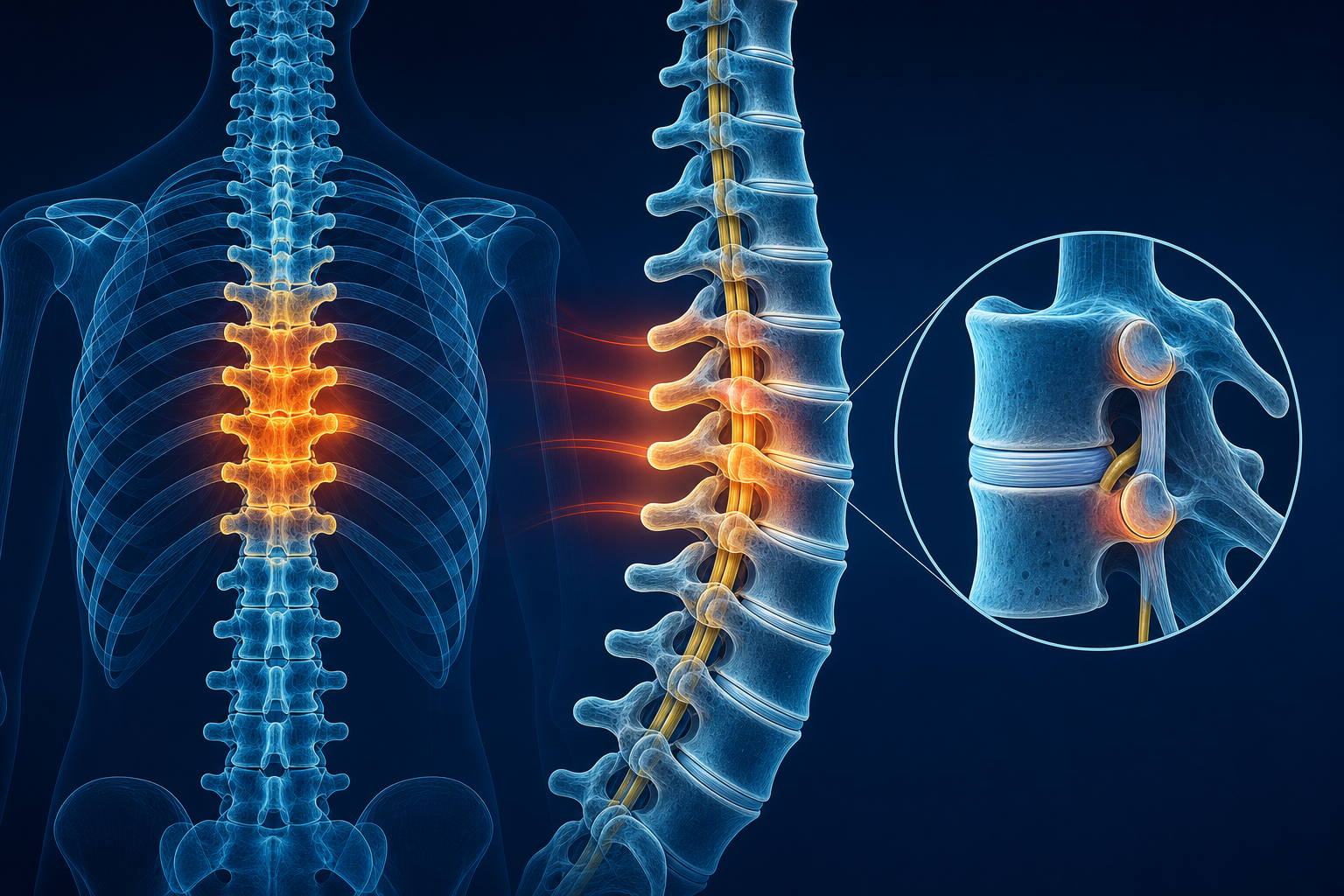
Maintaining good posture is important for both your physical and mental health. When you have good posture, your body functions better and you feel more comfortable. Poor posture, on the other hand, can lead to several problems. In this blog post, we will discuss the importance of good posture and how it can improve your health!
What is posture?
Posture is the position in which you hold your body. Good posture means that you are holding your body in a way that is both comfortable and healthy. Poor posture, on the other hand, can cause several problems.
What are the benefits of good posture?
Good posture has several benefits for both your physical and mental health. When you have good posture, your body functions better. You may find that you have more energy and are less likely to experience pain. Good posture also helps to improve your mental health. When you sit or stand up straight, you feel more confident and alert.
What are the consequences of poor posture?
Poor posture can lead to several problems. These include back pain, neck pain, headaches, and fatigue. Poor posture can also cause you to feel more anxious and stressed.
How can I improve my posture?
There are several things you can do to improve your posture. First, be aware of your posture. When you are sitting or standing, make sure that your back is straight and your shoulders are down. Second, exercise regularly. This will help to strengthen the muscles that support your spine. Third, try to avoid slouching. When you are sitting, use a chair that supports your back. When you are standing, keep your weight evenly distributed on both feet. Finally, practice good posture regularly. The more you do it, the easier it will become.
The connection between posture and physical health
Good posture is important for both your physical and mental health. By following the tips above, you can help to improve your posture and enjoy the many benefits that come with it. Your posture has a direct impact on your physical health. When you have good posture, your body functions better. You may find that you have more energy and are less likely to experience pain. Good posture also helps to improve your mental health. When you sit or stand up straight, you feel more confident and alert.
The connection between posture and mental health
Your posture also has a direct impact on your mental health. When you have good posture, you feel more confident and alert. Poor posture, on the other hand, can cause you to feel more anxious and stressed.
The importance of good posture in overall health and well-being
Good posture is important for overall health and well-being. Poor posture can lead to several problems, including back pain, neck pain, headaches, and fatigue. Good posture helps the body to function better and can improve mental health. To maintain good posture, be aware of your posture when sitting or standing, exercise regularly, use a chair that supports your back when sitting, and keep your weight evenly distributed on both feet when standing. Practicing good posture regularly will help it become easier over time.
Chiropractic Care and Good Posture
A chiropractor is a type of health care professional focused on the diagnosis and treatment of neuromuscular disorders, with an emphasis on treatment through manual adjustment or manipulation of the spine. One common reason people visit the chiropractor is for help with their posture. Poor posture can cause several problems, including back pain, neck pain, headaches, and fatigue. A chiropractor can help to improve your posture by performing a series of adjustments to the spine. This will help to align the spine and relieve pressure on the nerves. In addition, the chiropractor may give you exercises to do at home to help improve your posture.
The importance of good posture cannot be overstated. Good posture has a direct impact on your physical and mental health. If you are struggling with poor posture, make an appointment with a chiropractor today. The chiropractor will help to improve your posture and relieve any pain or discomfort that you may be experiencing.